Weeds, Diseases and Pests Resources
-
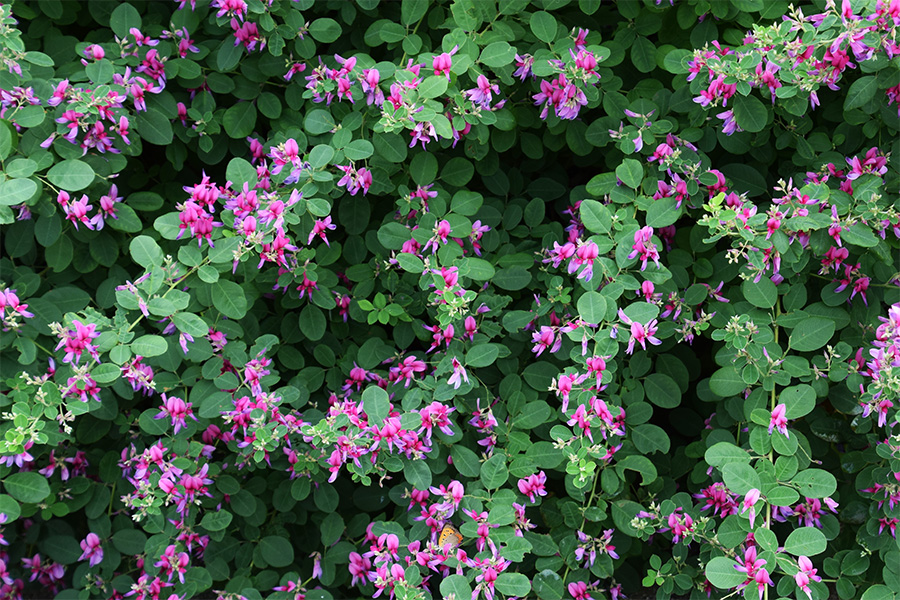
La lespedeza común (Kummerowia striata (Thunb.) Schind syn. Lespedeza striata) es una leguminosa anual de verano sin organización en sus ramificaciones, que es una maleza problemática en céspedes de jardines residenciales así como en otras áreas de césped.
[Common lespedeza (Kummerowia striata (Thunb.) Schind syn. Lespedeza striata) is a freely branched, summer annual legume that is a problematic weed in lawns and other turf areas. This publication describes ways to identify and control Lespedeza in turfgrass, including cultural control methods, preemergence herbicides and postemergence herbicides.]
|
-
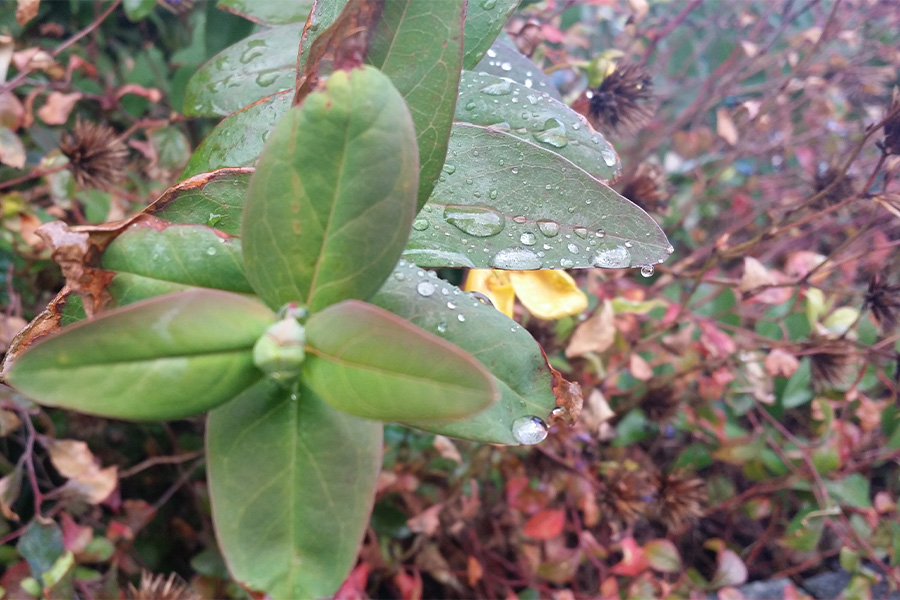
This publication discusses ways to identify and control Virginia buttonweed, a troublesome broadleaf weed in turfgrasses throughout the Southeast.
|
-
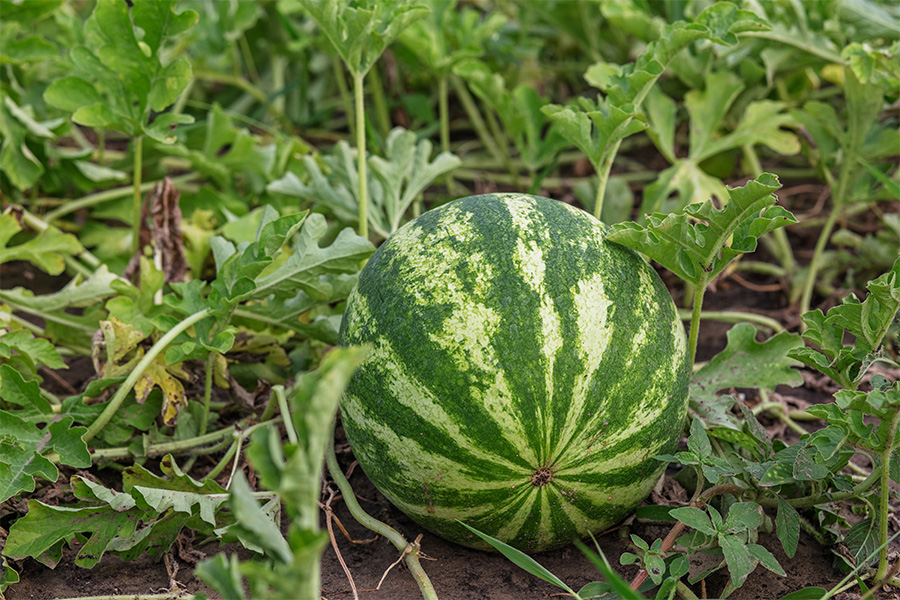
Watermelon production faces many challenges in Georgia. The warm, humid climate favors numerous foliar diseases. Because of the long history of watermelon production in Georgia, soilborne diseases such as Fusarium wilt also present challenges to growers. This bulletin will provide background on disease symptoms, pathogen survival and infection, pathogenic races, and management.
|
-
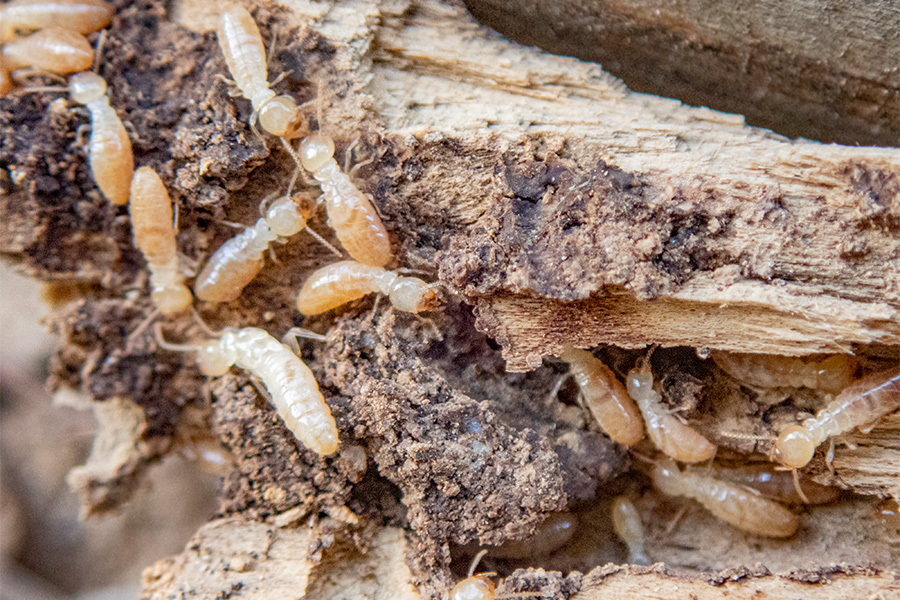
Las termitas subterráneas son los insectos sociales que viven en una sociedad en donde la mayoría de los miembros son insectos inmaduros o juveniles. Sus colonias pueden incluir de miles a millones de termitas, y a pesar de tener un cuerpo-suave, frágil y delicado son insectos formidables. En la naturaleza, las termitas subterráneas están estrechamente asociadas con el hábitat o entorno del suelo en donde construyen túneles para localizar agua y comida (ej. madera, troncos, y otras materiales que contienen celulosa).
|
-
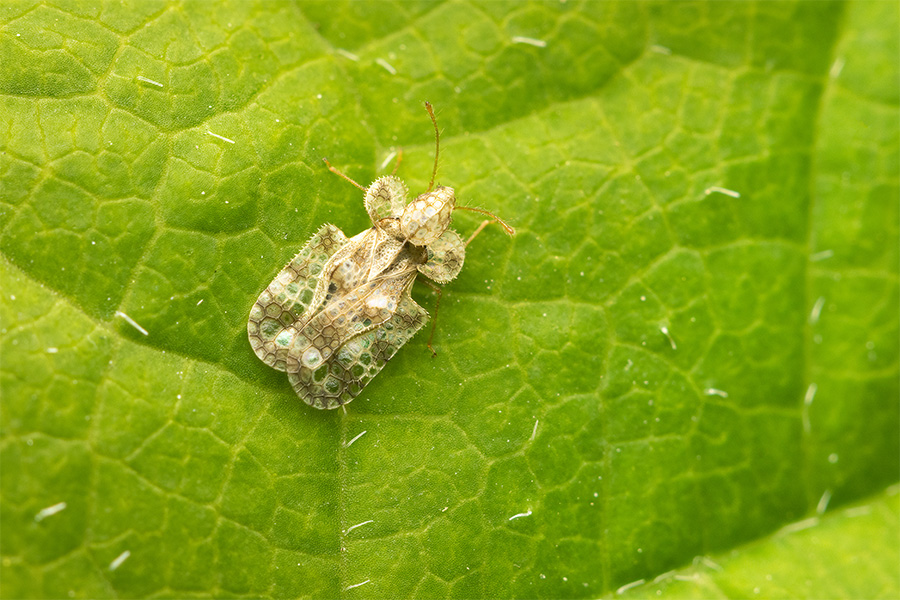
This resource covers lace bugs in landscapes, which can damage the foliage of trees and shrubs and detract from their beauty and, in severe cases, kill the plants.
|
-
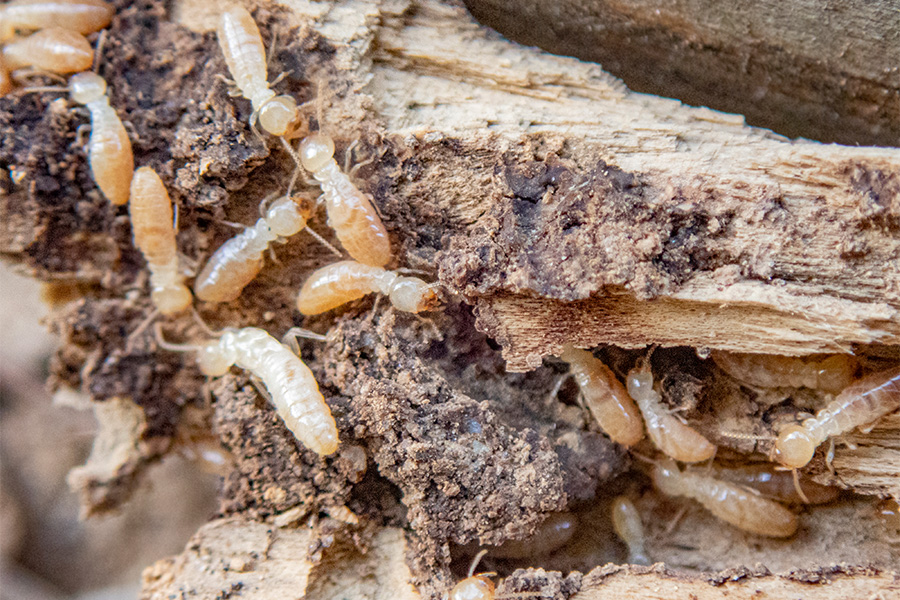
Subterranean termites are social insects that live in societies whose members are mostly mature individuals. Their colonies, which can contain thousands to millions of termites, are formidable, even though each individual termite is soft-bodied and delicate. This publication contains comprehensive information about subterranean termites in the Eastern U.S.
|
-
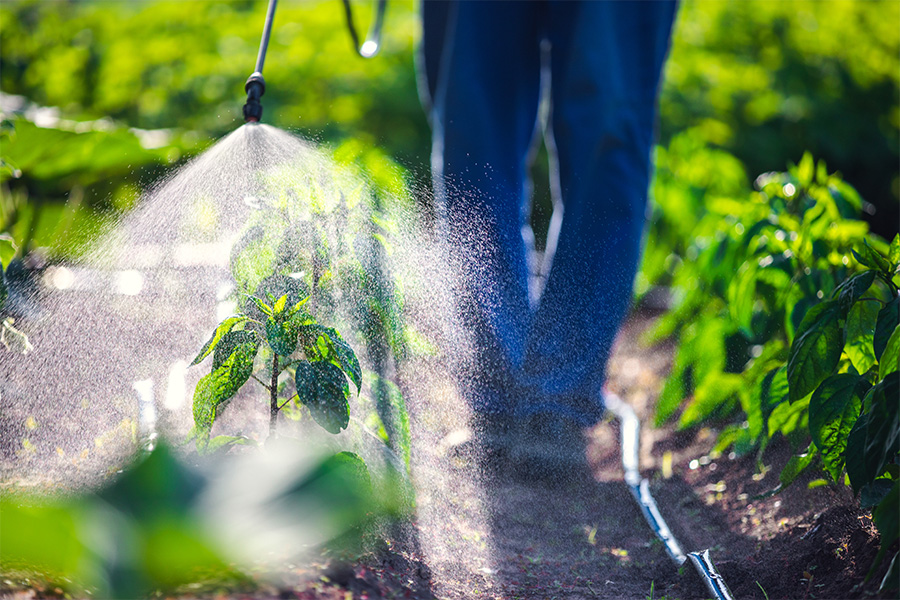
Fertilizer injectors are devices used to apply water-soluble fertilizers, pesticides, plant growth regulators, wetting agents and mineral acids during crop production. They are a vital part of modern greenhouse or nursery operations. Despite the advantages, many growers have had at least one experience with a compromised, damaged or even ruined crop where the cause was traced to a malfunctioning injector. Just like other mechanical devices, proper and frequent maintenance and calibration are crucial steps to ensure optimal injector performance and, thus, healthy crops.
|
-
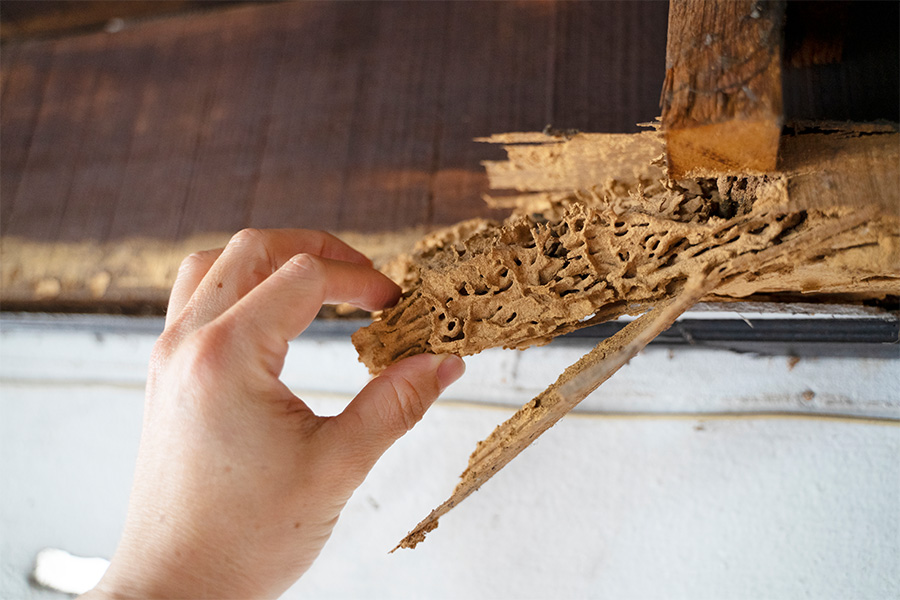
Though subterranean termites are a normal component of soil around buildings, structural infestations are not necessarily inevitable. As discussed later, a home’s susceptibility to termite infestation is dependent upon a number of things, including construction type, home maintenance, landscaping, and perhaps conditions in and around the structure that favor the activity, growth and survival of local termite populations.
|
-
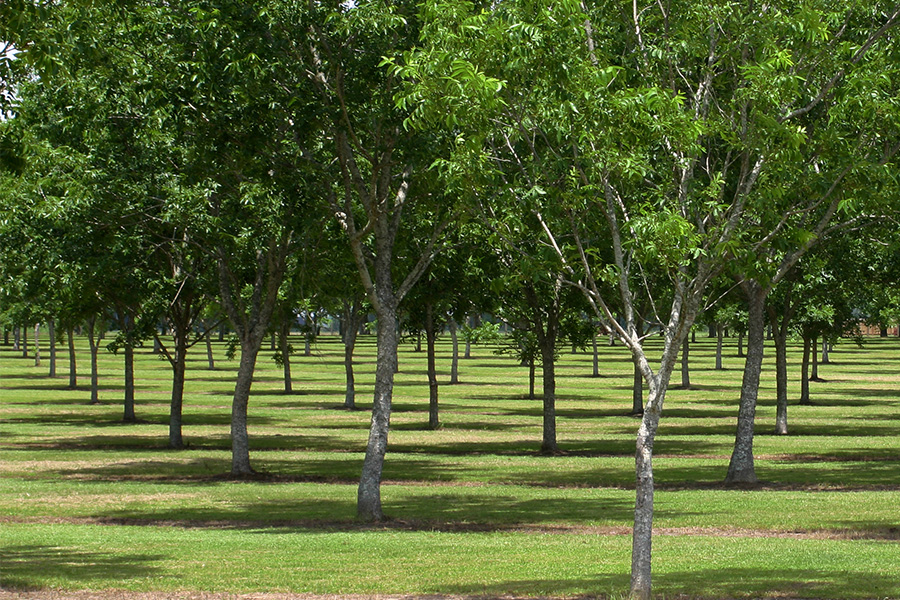
As Georgia’s pecan production acreage has increased, reports of insect pests that attack younger, less established trees have also increased, particularly infestations by pecan bud moth and ambrosia beetles. This circular summarizes the pertinent insect pests that attack young, non-bearing pecan trees, including key details on their biology, injury, monitoring, and management. This information should be helpful to both new pecan growers and experienced growers with newly established orchards.
|