Weeds, Diseases and Pests Resources
-
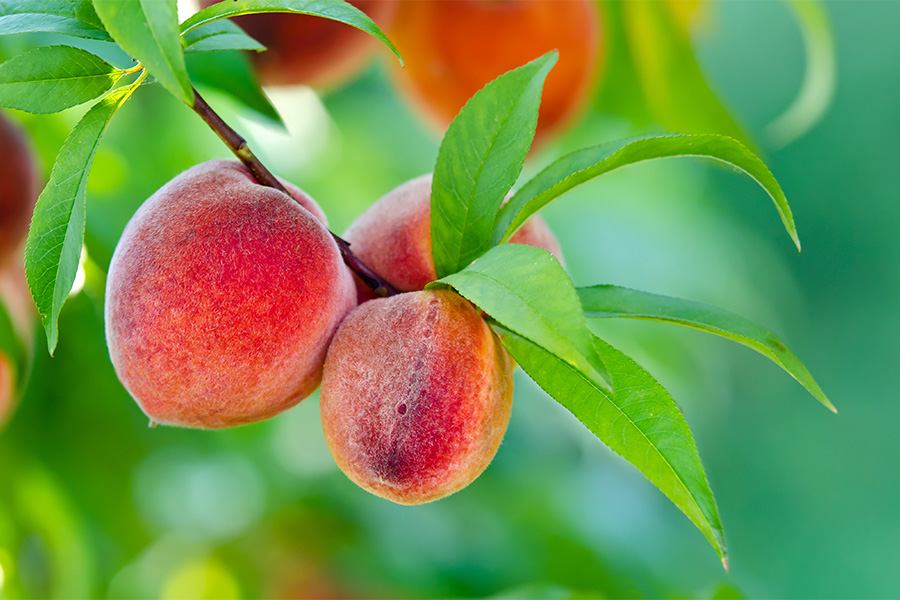
San Jose scale, Comstockaspis perniciosus (Comstock), is a pest of peaches, nectarines, plums, and other tree fruits including apples, pears, and cherries. San Jose scale is considered a secondary pest in many regions of the country, but in the Southeast U.S., it has been one of the most common and most destructive pests to the peach industry since the early 2000s.
|
-
2022 plant disease losses, including control costs, amounted to an estimated $933 million. The value of the crops used in this estimate was approximately $8200 million, resulting in a 11.4% relative disease loss across all crops included in this summary. The estimated values for most crops used to compute these disease losses are summarized in the UGA Center for Agribusiness & Economic Development 2022 Georgia Farm Gate Value Report (AR-24-01). Some estimates for fruits, ornamentals, and turf rely on Extension specialists’ knowledge of the industry and industry sources for information.
|
-
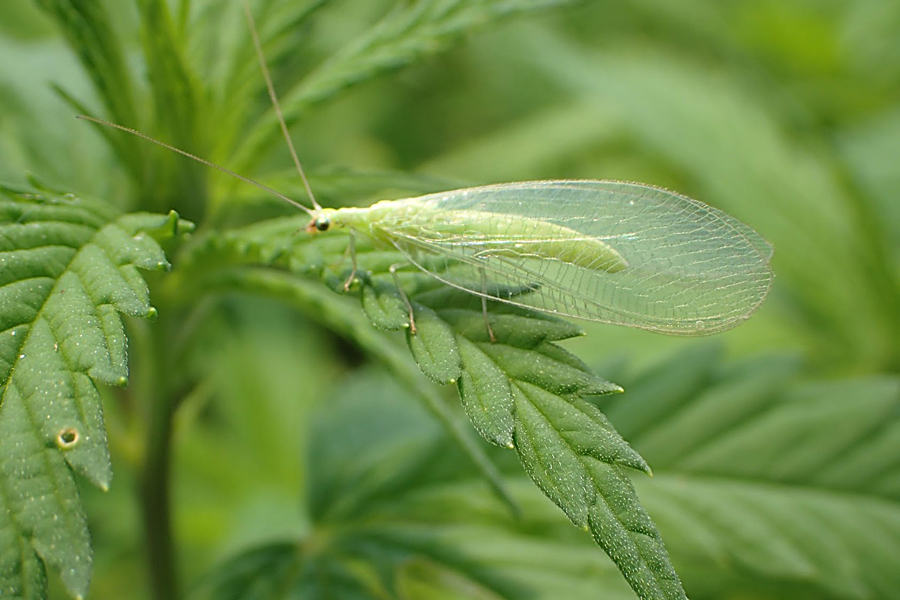
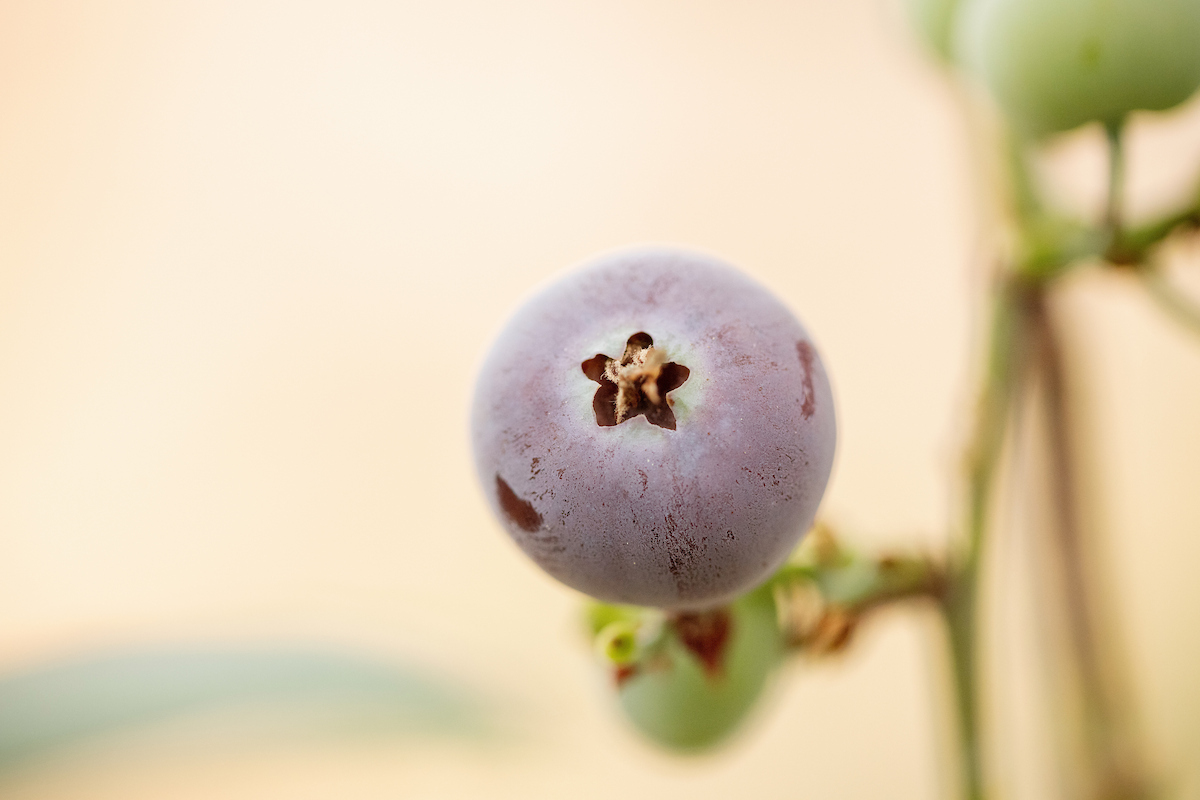
Blueberries are becoming the state fruit of Georgia with considerable acreage planted. Blueberries have many pest challenges and a current invasive pest challenge from spotted wing drosophilia (SWD). While efforts are underway to release new biocontrol agents for SWD, we still know little about the natural enemies in blueberry systems. Here we provide an overview of common natural enemies and conservation strategies for preserving beneficial species in blueberry systems. The work was funded by the NRCS to provide new information on natural enemies and pollinators and help with design and implementation of habitat management concepts.
|
-
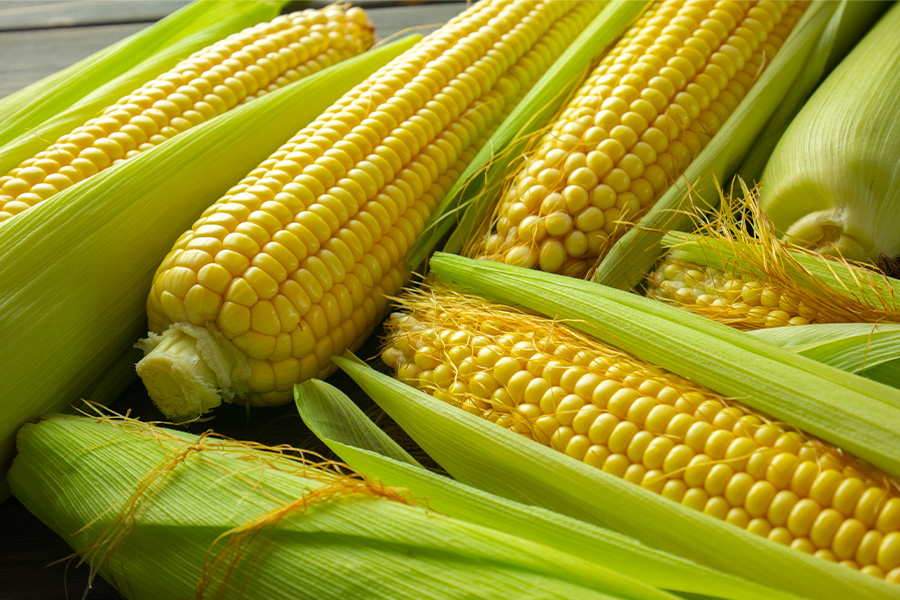
Sweet corn is not difficult to grow and, by following the cultural guidelines provided in this publication, you too can enjoy this sweet delicacy.
|
-
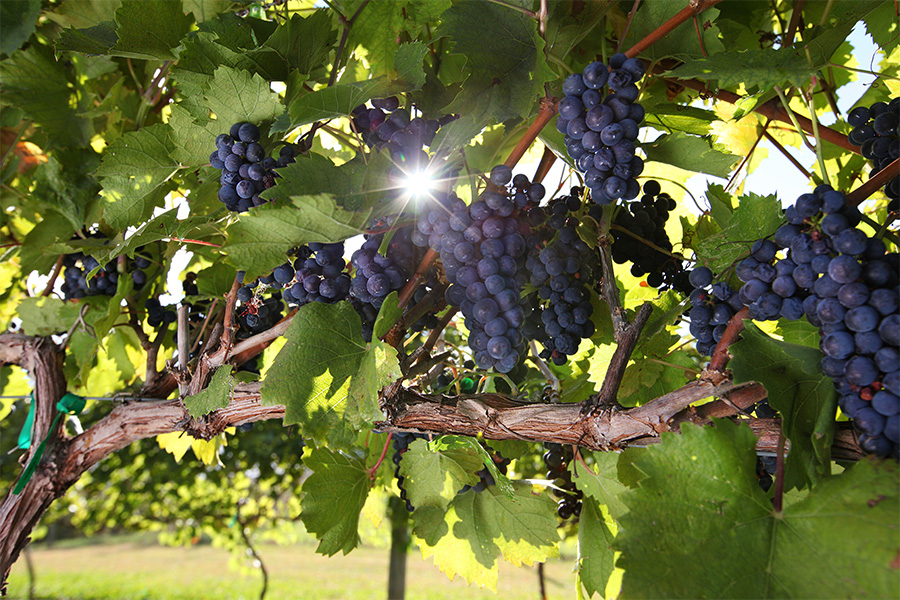
Pierce’s disease (PD) may be the greatest threat to the growth and sustainability of wine grape industries in the Southeastern U.S. The first step to managing grapevine PD is understanding the threat of PD as dictated by the region in which vines will be planted. It is highly advised that PD-tolerant cultivars be planted if a vineyard will be established in a region of high PD-threat. Growers should understand that there is a risk of planting Vitis vinifera and other PD-intolerant cultivars in several Southeastern U.S. regions, including the mountain regions of northern Georgia and piedmont regions in North Carolina. If PD-intolerant cultivars are planted, leafhopper vectors should be intensively scouted for and managed, and PD-infected vines should be immediately rogued out of the vineyard.
|
-

Foraging armadillos often uproot ornamental plants. Their rooting also destroys gardens, lawns and flower beds. Their burrowing can damage tree roots and building foundations. Most armadillo damage is caused by their feeding habits.
|
-
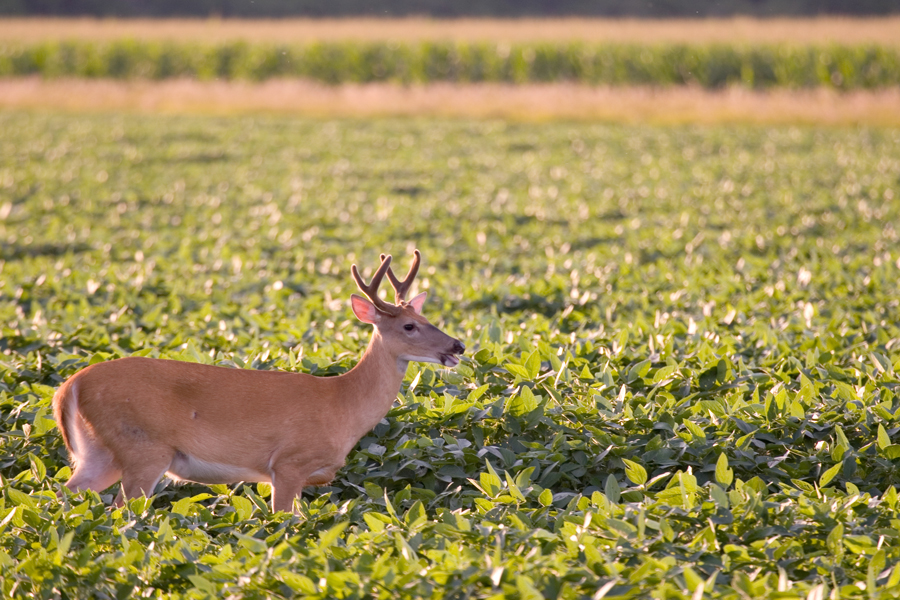
Food plots provide supplemental forage to wildlife during periods when native vegetation is less abundant or lacks nutritional quality. Because deer often prefer fertilized food plot plants to naturally available plants, over-browsing can damage food plots before they become sufficiently established.
|
-
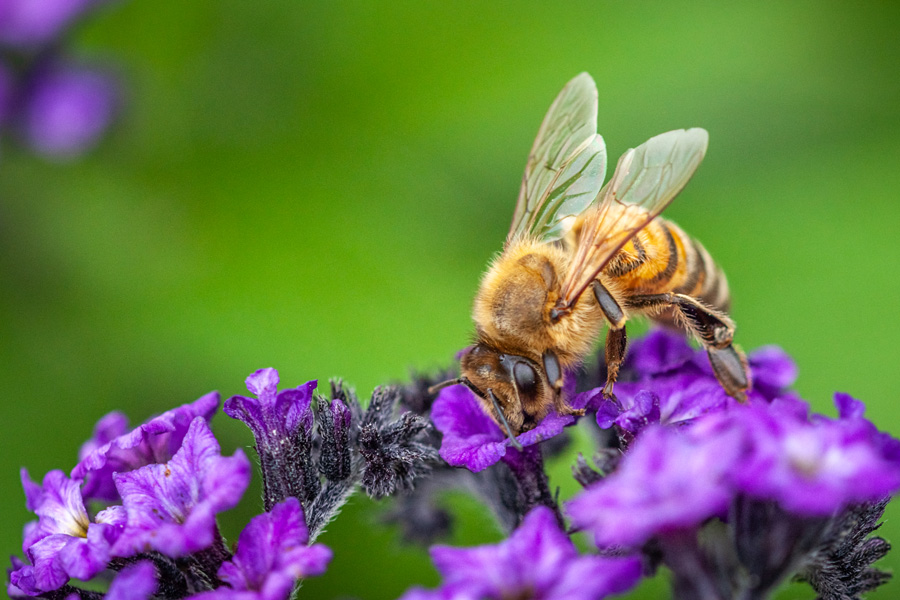
Mosquitoes can transmit a wide variety of pathogens and significantly reduce our quality of life with their aggressive biting behavior. On the other end of the spectrum, pollinators are a critical part of our natural environment, contributing significantly to food production and ecological diversity. Honey bees, along with other pollinators, are susceptible to pesticides, and significant bee kills have occurred because of mistimed or misguided pesticide applications. When conducted properly, an integrated pest management approach does not pose a significant risk to honey bee colonies.
|
-
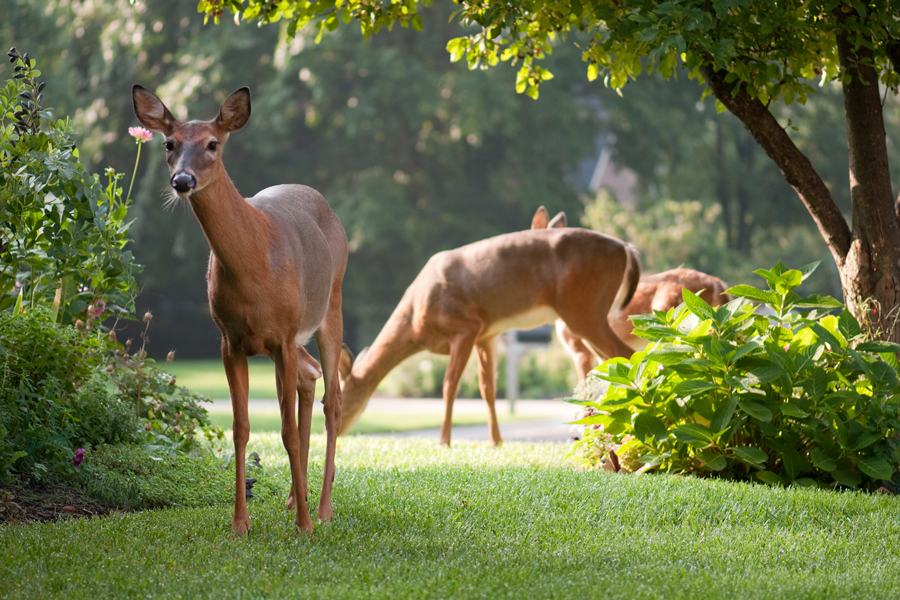
White-tailed deer provide aesthetic and economic value, but deer can cause a variety of negative economic impacts. Deer can damage personal property, agronomic crops, landscape plantings, and food plots, and they serve as a host for diseases common to livestock and humans.
|