
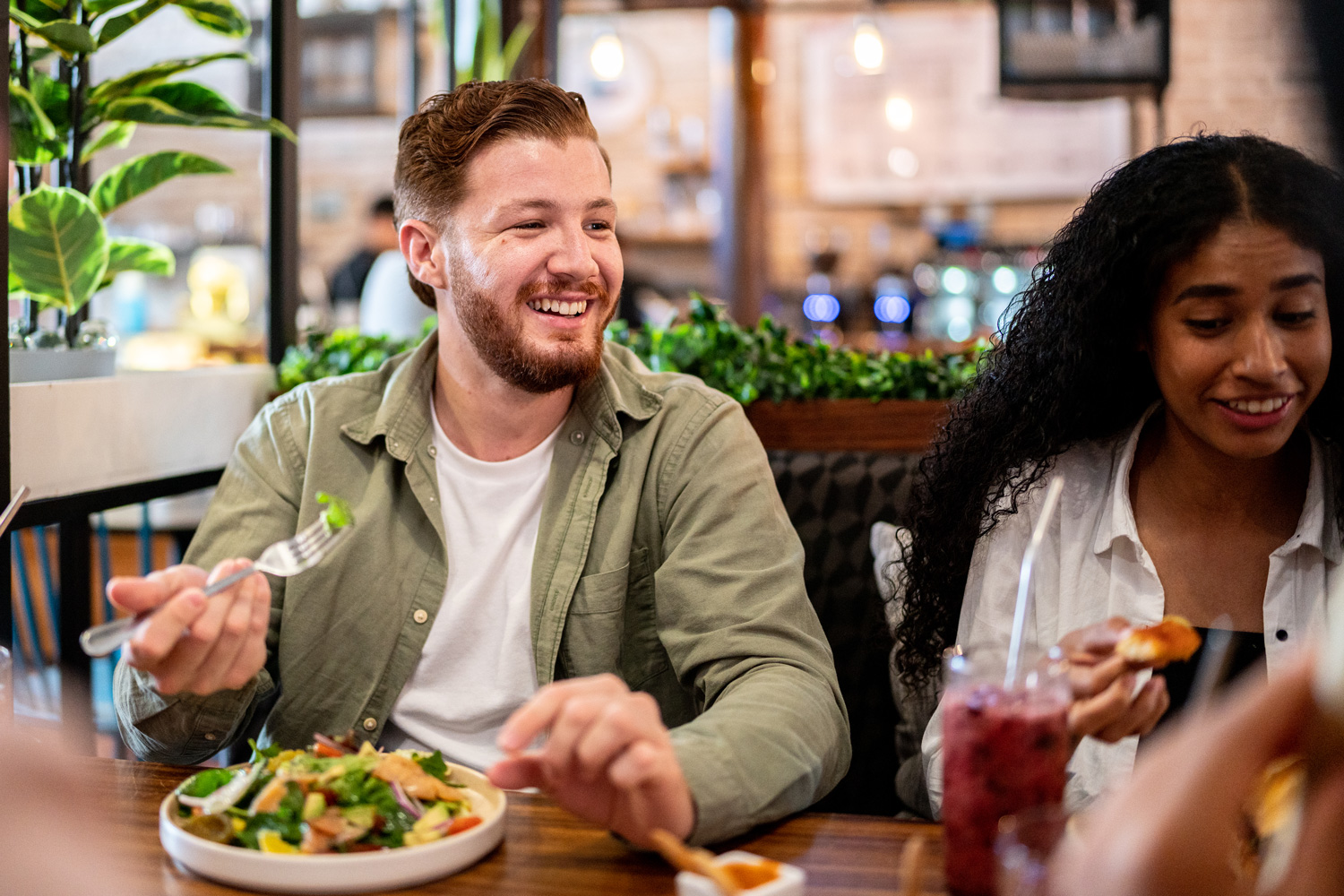

Eating out can be a fun and social experience, and sometimes it is simply the most convenient option, especially when fast food is affordable and located close to home or work. However, for people with diabetes, dining out often presents challenges.
Fast food meals are typically much higher in calories, sodium, and fat than meals prepared at home, often enough to meet or exceed an entire day’s calories, sodium, and fat needs in a single sitting. Since diabetes affects the body’s ability to process glucose, maintaining healthy blood glucose levels requires careful dietary choices. This is even more difficult when eating out because you do not control or know exactly how your food is prepared.
To help balance convenience with health, the American Diabetes Association (ADA) offers practical strategies for making smarter choices while eating out, even at fast food restaurants (ADA, n.d.).
Plan Ahead for Success
Planning ahead can make a big difference when dining out with diabetes. Before heading to the restaurant, take a few minutes to find out what’s on the menu by checking online or calling ahead. Chain restaurants with 20 or more locations are required by law to provide nutrition information (U.S. Food and Drug Administration, 2023), which can help you choose a meal in advance that fits your dietary needs. This preparation can reduce stress at the table and help you make informed choices that support your health goals (ADA, n.d.).
It is also important not to skip meals or reduce your intake earlier in the day to “save up” for a big meal out. Doing so can lead to overeating or a blood glucose imbalance. If there is a long gap between meals, pack a nutritious snack to bridge the gap. This can help you stay in control of your portions and make choices that support your diabetes self-management goals when you order food (ADA, n.d.; Centers for Disease Control and Prevention, 2024).
Start Smart
Begin your meal with a large glass of water as soon as you sit down. This simple step can help you feel fuller and reduce the chances of overeating. If your table is served bread, chips and salsa, or other complimentary appetizers, consider limiting your portion size by placing a small portion on your own plate—or ask your server to remove them, if you’d prefer not to eat them at all. These extras can add unnecessary carbohydrates before your main meal even begins (Centers for Disease Control and Prevention, 2024).
Get Creative With Portion Sizes
Restaurant portions are often larger than what you need. To avoid overeating, ask for a to-go box when your meal arrives and pack up half to take home for later. This simple habit helps control your portion sizes and gives you a second meal to enjoy later. If you are eating with a friend, consider sharing an entrée. Many restaurant meals provide enough food for two, and splitting a dish can help you stay within your nutritional goals and save money at the same time.
At a fast-food drive-through restaurant, portion control is just as important. Choose smaller-sized meals when available, or try ordering a kid’s meal for a more balanced meal. These small changes can make a big difference in managing your blood glucose levels (ADA, n.d.).
Find Ways to Make Small Swaps
You don’t always have to change your entire order to make a healthier choice; small swaps can make a big difference. Many restaurants are willing to accommodate simple requests that can improve the nutritional value of your meal.
For example:
- Swap fried for grilled: Choose a grilled chicken sandwich instead of fried, and a whole-grain bun if it is available.
- Choose healthier sides: Replace french fries with a fruit cup, side salad, or steamed vegetables.
- Customize your pizza: Choose a thin crust instead of regular or deep-dish, and load up on nonstarchy vegetable toppings like spinach, onions, and peppers instead of high-fat meats (ADA, n.d.).
Make Wise Choices Regardless of Cuisine
Different types of restaurants offer unique opportunities to make healthier choices, if you know what to look for.
At Mexican Restaurants
Try a tostada topped with guacamole and pico de gallo (or salsa), or choose soft tacos filled with grilled chicken, shrimp, or fish instead of heavier options like enchiladas and tamales. Pair the tostada or soft tacos with black beans, or enjoy a fresh ceviche for a lighter, flavorful meal. Nonstarchy vegetables add volume and flavor to your meal, so top your favorite item with shredded lettuce, pico de gallo, onions, or peppers.
At Asian Restaurants
Focus on dishes that contain seafood, tofu, and vegetables. Ask for steamed brown rice instead of white or fried rice. Request stir-fry items instead of menu items that add heavy or sugary sauces, such as teriyaki or yum yum (shrimp sauce), which often contain added sugars or sweeteners. Ask your server if you can customize your meal by adding extra protein or nonstarchy vegetables so that you feel satisfied with a smaller portion of carbohydrate foods like rice, noodles, or breads. Take advantage of cultural foods that are lower in carbohydrates, like shirataki noodles, daikon root, bok choy, and sesame seeds.
At Sandwich Shops
Choose lean meats like turkey or chicken and choose whole-grain bread. Use mustard, or oil and vinegar, instead of mayonnaise. Don’t forget to load up on nonstarchy vegetables like banana peppers, tomatoes, bell peppers, and cucumbers. Consider eating just half the sandwich to keep your portions in check if small-sized buns are not available (ADA, n.d.). Some restaurants will also offer sandwiches as a salad or wrap upon request.
Take Your Time and Ask Questions
It is okay to take a little extra time to read through the menu and decide what to order. Do not hesitate to ask your server for more details about how a dish is prepared or whether substitutions are available.
Many restaurants are happy to accommodate your requests, such as swapping sides or adjusting ingredients. However, if you are having trouble finding something that meets your needs, asking questions can help you find healthier options that aren’t obvious on the menu. Often, a restaurant’s chef will be able to make you something special if you ask (ADA, n.d.).
References
American Diabetes Association. (n.d.). Food and nutrition: Make healthy choices at a fast-food restaurant. Retrieved July 1, 2025, from https://diabetes.org/food-nutrition/eating-healthy/healthy-choices-fast-food
Centers for Disease Control and Prevention. (2024, May 15). Diabetes: Eating out. Retrieved July 1, 2025, from https://www.cdc.gov/diabetes/healthy-eating/eating-out.html
U.S. Food and Drug Administration. (2023, December 13). Menu labeling requirements. Department of Health and Human Services. https://www.fda.gov/food/nutrition-food-labeling-and-critical-foods/menu-labeling-requirements