Controlling and Preventing Disease Resources
-

C 1364-09-SP
Disfrute las fiestas con alegría y cuide su salud
NewEsta publicación ofrece orientación práctica para que las personas con diabetes puedan disfrutar de las celebraciones sin comprometer su salud. Reconoce que las fiestas, las reuniones familiares y los eventos religiosos son momentos importantes en la cultura, y que la comida tradicional suele ocupar un lugar central. Por ello, brinda estrategias sencillas y realistas organizadas en dos momentos clave: antes y durante las celebraciones. Antes de las fiestas, se recomienda planificar comidas y compras, utilizar el Método del Plato para la Diabetes, cocinar con anticipación, buscar recetas más saludables, mantenerse activo y establecer metas pequeñas y alcanzables. Durante las celebraciones, se sugiere mantener horarios regulares de comida, no saltarse las comidas, llevar un platillo saludable, elegir con inteligencia en el bufet, comer despacio, planificar el consumo de postres, seleccionar bebidas adecuadas, monitorear los niveles de glucosa y realizar actividad física ligera, como caminar después de comer. El objetivo es proporcionar herramientas prácticas que permitan disfrutar plenamente de las tradiciones mientras se mantienen niveles de glucosa bajo control y se protege la salud.
|
-

C 1364-10-SP
Comer fuera de casa cuando tiene diabetes
NewComer fuera de casa es una actividad común por motivos sociales o de conveniencia, y las personas con diabetes pueden disfrutarla sin descuidar su salud. Sin embargo, los alimentos de restaurante suelen contener más calorías, sodio y grasa, lo que puede dificultar el control de la glucosa en sangre. Además, al comer fuera, no siempre se sabe cómo se preparan los alimentos, lo que añade un reto adicional. Para apoyar una mejor toma de decisiones, se recomienda aplicar estrategias prácticas como planificar con anticipación, controlar las porciones, hacer pequeños ajustes en los platillos, elegir opciones más saludables según el tipo de cocina, y tomarse el tiempo para hacer preguntas sobre la preparación de los alimentos. Estas acciones permiten equilibrar la conveniencia con el bienestar y favorecen un mejor manejo de la diabetes en la vida diaria.
|
-

This circular provides a basic summary of the best management practices of integrated mosquito management. These practices begin with education and communication and progress through surveillance, source reduction, larviciding, and adulticiding. The circular presents guidelines that communities can use to help develop the most effective mosquito management program possible with the resources available. Using these practices will help to minimize pesticide exposure to pollinators and other non-target pests.
|
-

Esta publicación ofrece una guía completa y accesible sobre cómo llevar una alimentación saludable para manejar la diabetes, comenzando con los principios básicos de una dieta equilibrada y presentando el Método del Plato para la Diabetes como una herramienta sencilla para organizar comidas balanceadas. Explica los distintos grupos de alimentos que componen un plato saludable—incluyendo verduras sin almidón, proteínas magras, alimentos con carbohidratos como frutas, verduras con almidón, pan, pasta y arroz—y añade información sobre la leche y el yogur, las grasas saludables, los suplementos cuando son necesarios y el uso de edulcorantes o endulzantes artificiales como sustitutos del azúcar. En conjunto, esta publicación brinda orientación clara y culturalmente relevante que ayuda a las personas con diabetes a planificar mejor sus comidas y favorecer un adecuado control de la glucosa en su vida diaria.
|
-

Esta publicación ofrece una guía completa para mejorar la alimentación y el manejo nutricional en el contexto de la diabetes, comenzando por estrategias para reducir la sal (sodio) y consejos prácticos para hacerlo, así como recomendaciones para aumentar el consumo de fibra, la cantidad diaria sugerida y formas sencillas de incorporarla en las comidas. Además, incluye orientación para aprender a leer etiquetas nutricionales, explicando elementos clave como el número total de porciones del envase, el tamaño de la porción, las calorías por porción y la información sobre nutrientes relevantes: carbohidratos totales, azúcares y azúcares añadidos, alcoholes de azúcar, grasas totales, sodio, la lista de ingredientes y el porcentaje de valores diarios recomendados. En conjunto, este recurso ayuda a comprender mejor cómo los distintos componentes de los alimentos influyen en la salud y ofrece herramientas prácticas para mejorar la calidad de la dieta.
|
-

This resource covers recommendations for pregnant women and food safety, which is particularly important during pregnancy when the mother-to-be and her baby have a weakened immune system. In addition to the basics (clean, separate, cook, chill), pregnant women should be mindful of specific risks in different categories of foods.
|
-

El embarazo es una época de cambios, y las futuras mamás tienen mucho en qué pensar, tanto por ellas mismas como por sus bebés. La seguridad alimentaria y la prevención de enfermedades transmitidas por alimentos (enfermedades causadas por alimentos contaminados) son muy importantes durante este período. Hay cuatro pasos sencillos que las mujeres embarazadas y sus familias pueden seguir para protegerse a sí mismas y a sus bebés, y prevenir las enfermedades transmitidas por alimentos.
|
-

This section of the Home & Garden Edition covers pests of public health concern such as mosquitoes, bed bugs, gnats, fleas and ticks, house flies, lice, and more. Beginning in 2022, the Home & Garden Edition has been updated biennially. When purchasing a product based on a first-year recommendation of the Handbook, check the current product label before purchase to be sure it is still labeled for the use for which you are buying it. For pesticide products you have on hand from earlier purchases, you are allowed to use them until they are depleted without penalty under the law. Always follow label instructions before use. Contact the product’s manufacturer for the most up-to-date label.
|
-
C 1364-12
All About Carbohydrates
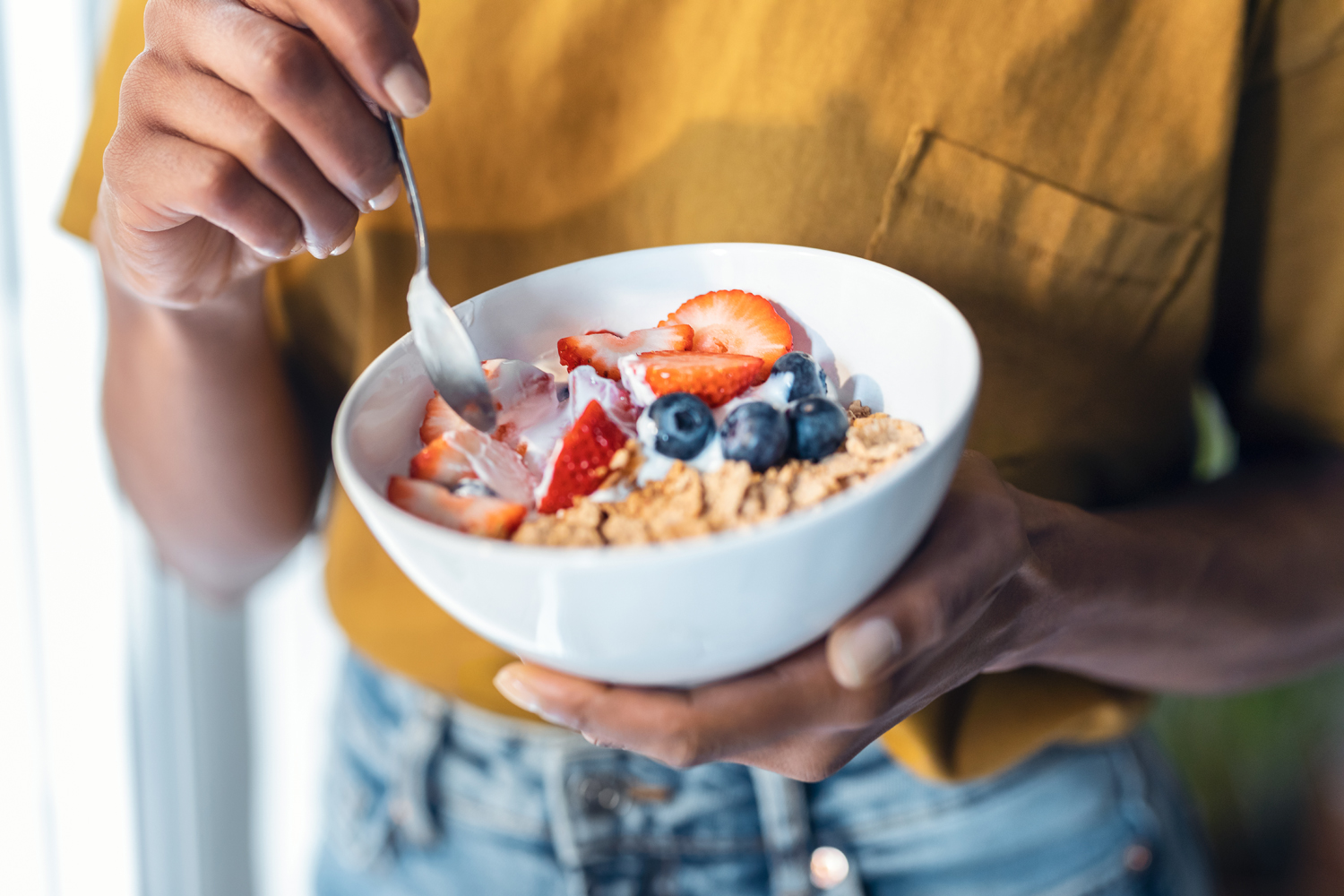
People living with diabetes have to pay special attention to carbohydrates, but because of some manufacturers’ labels, it can be difficult to determine the quantity of carbohydrates in different foods. This resource will help readers cut through the marketing language and find the information they need about the carbohydrate content of foods.
|