Controlling and Preventing Disease Resources
-

Believe it or not, a small tweak in your favorite recipe could help lower your risk of health problems. Start small, such as by reducing saturated fat, salt, or added sugar, or increasing fiber when cooking. These small changes can add up to big health benefits. This resource has tips on how to start revitalizing your recipes to fit your diabetes meal planning.
|
-

When you have diabetes, managing your diet is a key part of managing your diabetes, but it doesn’t have to be complicated. Choosing balanced, nutrient-rich meals is key to managing diabetes and promoting long-term wellness. Plan meals around the core principles explained in this resource, which emphasize balance, variety, and nutrient quality.
|
-

If your home is affected by a flood or other water-related disaster, fabric and clothing can become contaminated by floodwater, airborne mildew, or sanitation system failure. This guide provides steps to safely clean salvageable clothing and fabric items in order to save money, reduce waste, and keep people safe.
|
-
C 1345
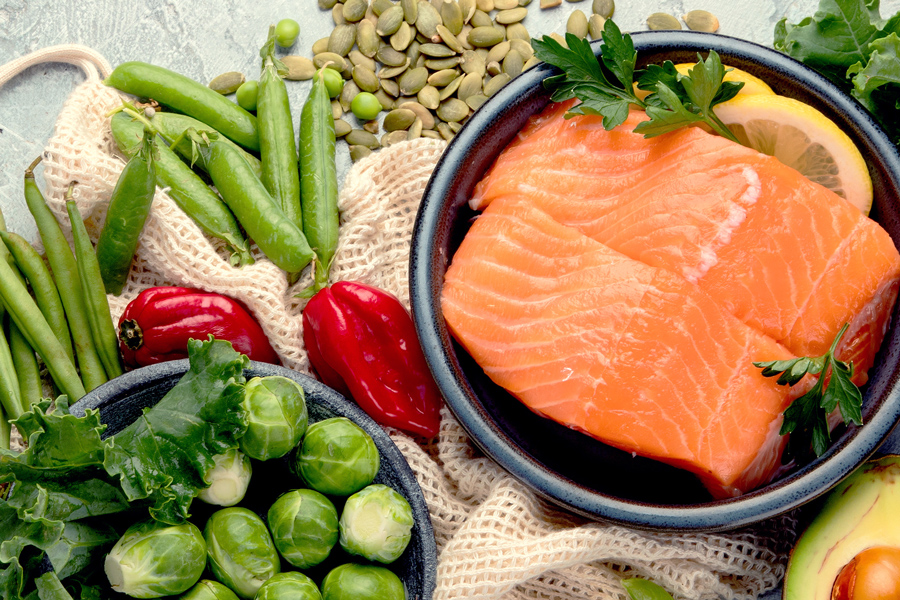
Nutrition and Immunity
Your immune system is a complex network of cells and organs whose job it is to ward off “invaders” like viruses and bacteria. Learn about the role of nutrition in immunity and what you can do to support your immune system.
|
-

C 1323-04
Understanding the Nutrition Facts Label
The U.S. FDA regulates the Nutrition Facts label on most packaged foods and beverages. This label is a tool that can help you make informed decisions and healthier food choices. Nutrient content claims may describe the amount of a nutrient in a food product or compare it to that of another food product.
|
-
C 1323-05
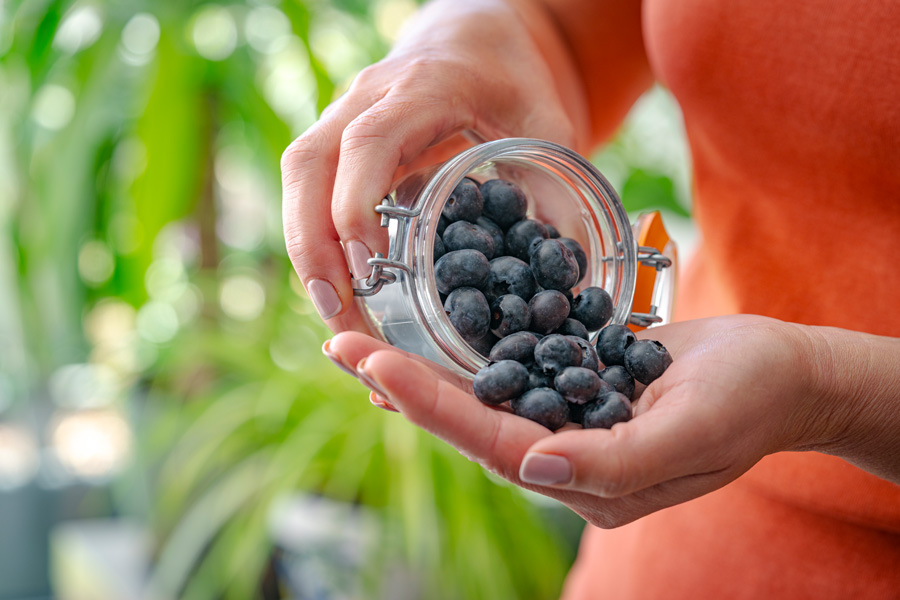
Portion Control
Choosing foods in the right portions for your health and energy needs is an important part of any healthy eating plan. The American Diabetes Association recommends people with diabetes choose nutrient-dense foods in appropriate portion sizes to help meet your blood glucose, blood pressure, cholesterol, and triglyceride goals; prevent or delay diabetes complications; and achieve and maintain the body weight that is right for you.
|
-
C 1323-06
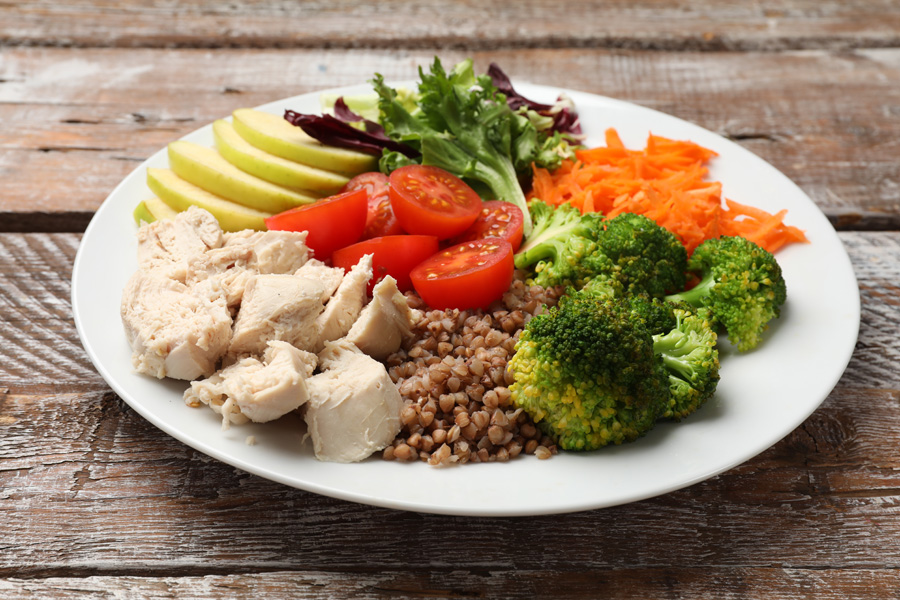
Diabetes Plate Method
The Diabetes Plate Method is an approach to creating a healthy eating pattern, and it may be used alone or in combination with other tools to help you meet your nutrition and health goals. Research has shown that the Diabetes Plate Method can help people with diabetes lower their A1c, which improves blood glucose management.
|
-

C 1323-07
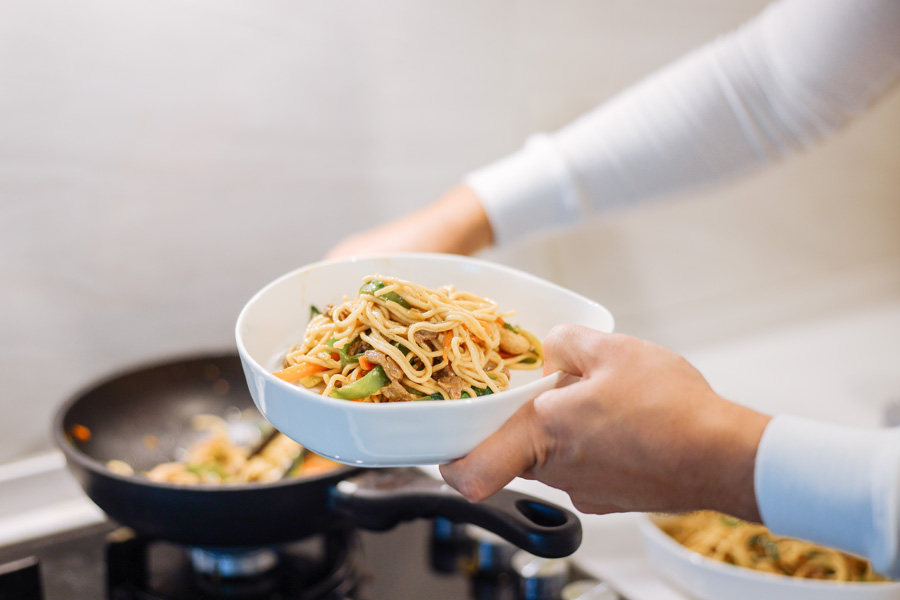
Modifying Recipes for Healthier Results
Eating healthier doesn’t have to mean giving up your favorite recipes. Some special recipes served only on occasion may be better left alone, like your grandmother’s special coconut cake. Recipes you make more often might be worth modifying to make them healthier and aligned with your current health goals.
|
-
The Nutrition Facts label is a useful tool for making healthier food choices. The label makes it easier to compare products and tells you the nutritional content of the food based on a standard serving size. Our bodies need fat to survive. Fat helps regulate body temperature, protects our organs, makes hormones, and helps our body absorb essential vitamins. People with diabetes should choose foods lower in saturated and trans fat.
|