UGA College of Agricultural & Environmental Sciences Field Report
  • Stories
    Almanac

    Science in service of humanity and the environment

    Read our annual magazine here

    READ


    Dive into engaging stories that showcase our statewide, national and global impact.

    Check out our written stories here

    LOOK


    Browse curated photo galleries capturing the people, places and programs that bring CAES to life.

    Check out our photo galleries here

    WATCH


    Experience our stories through videos that highlight our people, projects and passions in action.

    Check out our video library here

    LISTEN


    Tune in to “Cultivating Curiosity,” our podcast featuring in-depth conversations with CAES experts.

    Check out our podcast here
  • Expert Resources

    Expert Resources


    Gardening
    Invasive species
    Food and food safety
    Ants, termites and other pests
    Pollinators
    Livestock
    Emergency preparedness
    Home safety and maintenance
    Health, family and finances
    Nutrition
    Water quality
    Lawn maintenance and landscaping
    Turfgrass
    View all topics

    What is an Expert Resource?


    We publish unbiased, research-backed expert advice to empower Georgians with practical, trustworthy information they can trust.

    These resources are written and reviewed by experts in the UGA College of Agricultural and Environmental Sciences and the UGA College of Family and Consumer Sciences.

    Learn how we produce science you can trust
  • Events
  • Contact
  • Read
  • Look
  • Watch
  • Listen
Subscribe
  • LinkedIn
  • Facebook
  • Instagram
  • Stories
    Almanac

    Science in service of humanity and the environment

    Read our annual magazine here

    READ


    Dive into engaging stories that showcase our statewide, national and global impact.

    Check out our written stories here

    LOOK


    Browse curated photo galleries capturing the people, places and programs that bring CAES to life.

    Check out our photo galleries here

    WATCH


    Experience our stories through videos that highlight our people, projects and passions in action.

    Check out our video library here

    LISTEN


    Tune in to “Cultivating Curiosity,” our podcast featuring in-depth conversations with CAES experts.

    Check out our podcast here
  • Expert Resources

    Expert Resources


    Gardening
    Invasive species
    Food and food safety
    Ants, termites and other pests
    Pollinators
    Livestock
    Emergency preparedness
    Home safety and maintenance
    Health, family and finances
    Nutrition
    Water quality
    Lawn maintenance and landscaping
    Turfgrass
    View all topics

    What is an Expert Resource?


    We publish unbiased, research-backed expert advice to empower Georgians with practical, trustworthy information they can trust.

    These resources are written and reviewed by experts in the UGA College of Agricultural and Environmental Sciences and the UGA College of Family and Consumer Sciences.

    Learn how we produce science you can trust
  • Events
  • Contact
  • Read
  • Look
  • Watch
  • Listen
Subscribe
  • LinkedIn
  • Facebook
  • Instagram
Subscribe
  • LinkedIn
  • Facebook
  • Instagram
  1. Home
  2. Stories
  3. Story Topics
  4. Health and Family
  5. Controlling and Preventing Disease

Controlling and Preventing Disease

Use the Advanced Search
  • B 1577

    PFAS: Perfluoroalkyl and Polyfluoroalkyl Substances

    Perfluoroalkyl and polyfluoroalkyl substances (PFAS) are a group of more than 9,000 manmade chemicals that have been in use worldwide since 1940, primarily in industry and numerous commercial and consumer products. The widespread use of PFAS for the past several decades has raised concerns due to their persistence, bioaccumulative nature, and potential adverse health effects. This publication provides information about the background, uses, and environmental and human health consequences of PFAS chemicals, as well as the EPA’s primary drinking water regulation standards and water treatment systems for removal/reduction of these chemicals from drinking water. Testing options and PFAS monitoring efforts by the Georgia EPD are included along with references for further reading.

    Gary L. Hawkins, Pamela R. Turner, and Uttam K. Saha

    |

    Jan. 28, 2025
  • C 1321

    Food Safety During Pregnancy: 4 Essential Steps to Protect Mom and Baby From Foodborne Illness

    Pregnancy is a time of change, and moms-to-be have a lot to think about, for themselves and for their babies. Food safety and preventing foodborne illness (sickness caused by contaminated foods) is very important during this time. There are four easy steps that pregnant women and their families can take to protect themselves and their babies and prevent foodborne illness.

    Sarah Henes

    |

    Jan. 7, 2025
  • C 1334

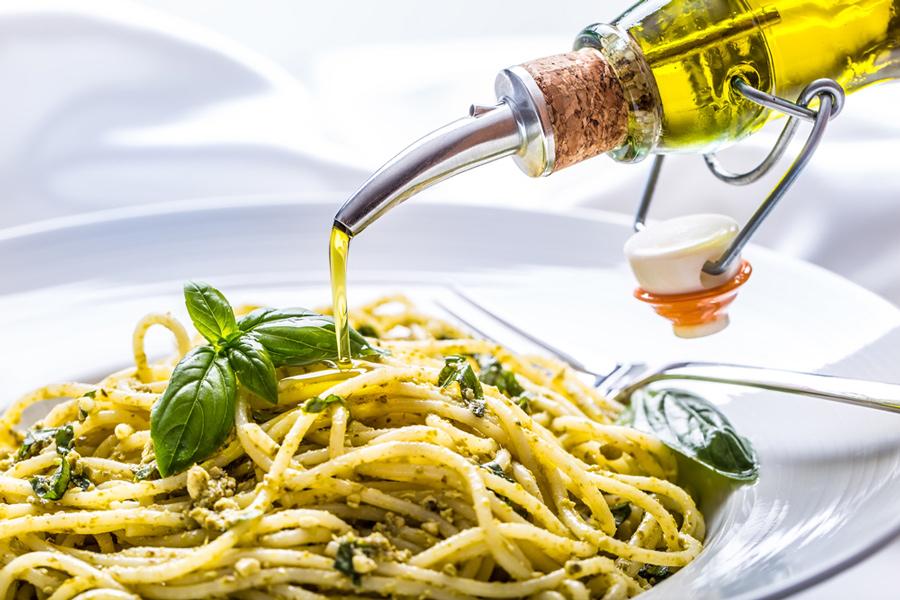
    How to Safely Make Infused Oils: Best Practices for Food Safety

    Making homemade infused cooking oils comes with food safety risks, particularly for those infused with garlic and herbs. Infused oils can enhance flavor and food presentation, but the combination of oil, garlic, and herbs creates an anaerobic (low-oxygen) environment, which is ideal for the growth of the bacteria that causes botulism, which can produce a deadly neurotoxin. The publication provides essential safety tips, such as sterilizing containers and thoroughly washing and drying ingredients, to prevent contamination and ensure safe oil infusion. By following these guidelines, home food preservers can create flavorful infused oils without compromising safety.

    Carla Luisa Schwan

    |

    Dec. 17, 2024
  • SB 48-08

    Public Health Insect Control Outdoors and Parasites of Humans

    This section of the Home & Garden Edition covers pests of public health concern such as mosquitoes, bed bugs, gnats, fleas and ticks, house flies, lice, and more. Beginning in 2022, the Home & Garden Edition has been updated biennially. When purchasing a product based on a first-year recommendation of the Handbook, check the current product label before purchase to be sure it is still labeled for the use for which you are buying it. For pesticide products you have on hand from earlier purchases, you are allowed to use them until they are depleted without penalty under the law. Always follow label instructions before use. Contact the product’s manufacturer for the most up-to-date label.

    Elmer Gray and Allison Faye Johnson

    |

    Feb. 7, 2024
  • C 1120

    Health Insurance: What You Should Know About Preventive Health Care

    This circular provides a brief overview of health insurance and common terms associated with health insurance. The publication focuses on preventive health care, specifically common preventive health care services and wellness benefits provided through health insurance plans.

    Pamela R. Turner, Joan Koonce, Swarnankur Chatterjee, and Ali Berg

    |

    April 11, 2023
  • C 2579

    Be Aware of Your Indoor Air

    Did you know the air inside buildings is nearly always more polluted than outside air? Learn the types of indoor air pollution and what you can do.

    This publication was originally published by the LSU AgCenter and released for use in the state of Georgia by UGA Extension Housing & Environment Specialist Pamela Turner.

    Pamela R. Turner

    |

    Feb. 16, 2023
  • C 1270

    Breathe Easy: Understanding and Controlling Asthma

    Asthma is a lung disease that affects millions of adults and children, and can be triggered by numerous indoor pollutants such as mold, cockroaches, dust mites, pet dander, and secondhand smoke. There is no cure for asthma, but it can be managed through medication and avoiding allergens that can trigger an attack.

    Stephanie Benton, Ines Beltran, and Pamela R. Turner

    |

    Nov. 16, 2022
Previous Page
1 2 3 4

About CAES

CAES Home

Overview

History

Administration

Jobs

Personnel Directory

Privacy Policy

Accessibility Policy

AI Guidelines

Affiliations

UGA Cooperative Extension

Tifton Campus

Griffin Campus

University of Georgia
  • Schools and Colleges
  • Directory
  • MyUGA
  • Employment Opportunities
  • Copyright and Trademarks
  • UGA Privacy Policy
  • Submit a Student Complaint
#UGA on
© University of Georgia, Athens, GA 30602
706‑542‑3000