
Background
Broccoli (Brassica oleracea L. variety italica) is grown throughout Georgia in both the fall and spring growing seasons. A locally significant wholesale industry has developed in southwest Georgia in recent years, and acreage devoted to broccoli production has increased. The wholesale broccoli industry fills a market window in late fall, through winter, and into early spring. Plantings also occur in north Georgia, where lower winter temperatures limit late fall plantings but allow plantings later into the spring growing season.
Production
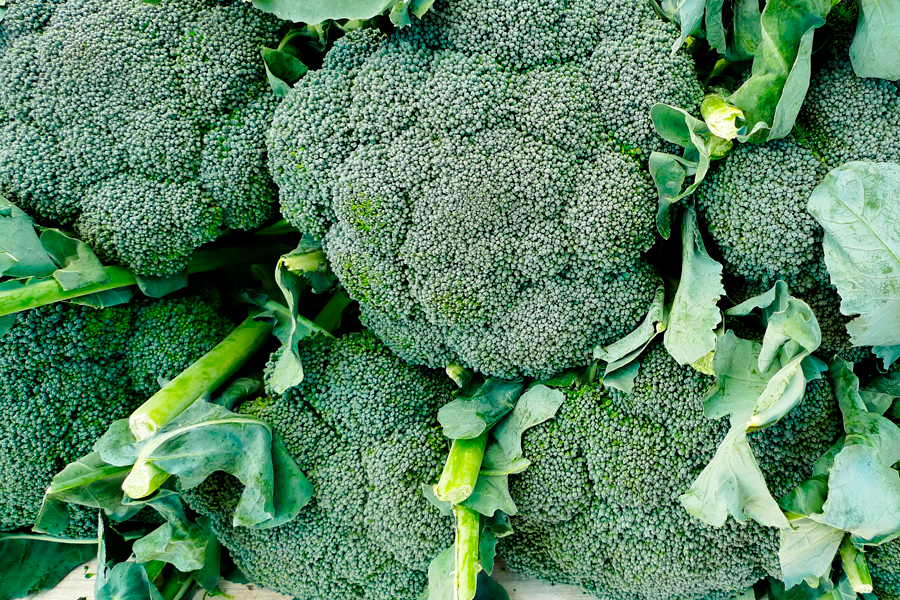
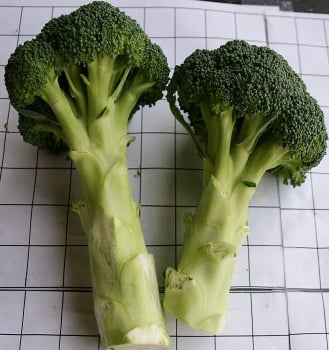
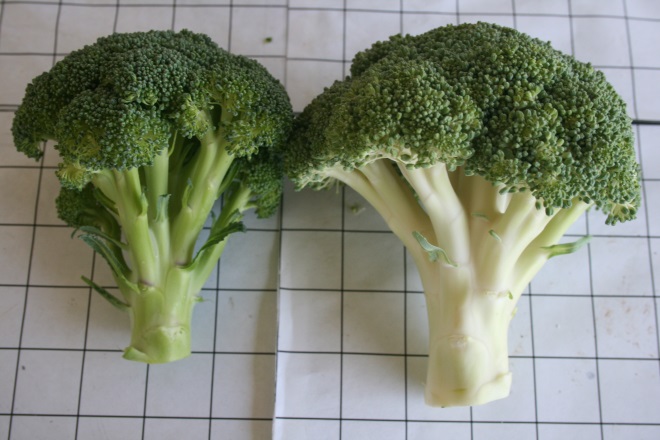
Broccoli is grown for crowns or bunches in Georgia. A typical head size for a crown cut would be 5 by 5 inches, and it is typically cut from the plant just below the lowest branch of the head. Broccoli heads used for bunching are more compact than those used for crowns and may be cut 1 to 2 inches longer (Figure 1). Because of the differences in head size and characteristics required for crowns and bunches, growers should be aware of their intended market prior to planting. Varietal selection as well as plant spacing can affect head characteristics, ultimately causing a planting to produce more crown or bunch-cut heads. Some varieties are readily adaptable to both crown and bunch cuts while others are not.

Plant Population
Broccoli spacing can significantly influence not only yield per acre but also individual head size. In general, wider between-row and in-row spacing will result in larger heads more suited for crown production. A wider spacing will also typically lead to an earlier harvest. Due to the greater growth rate of broccoli grown on a wider spacing there is also an increased likelihood of hollow stem disorder.1 Plant spacing varies depending on whether broccoli is grown on bare ground or on second- or third-crop plastic mulch. Typical spacing on plastic mulch is a double-row planting configuration with rows approximately 22 to 24 inches apart on a single bed of plastic with 6- to 8-inch in-row spacing. This results in a plant population of 21,780 to 29,040 plants per acre, assuming 6-foot centers for plastic mulch. For bare-ground production, broccoli is typically planted in single rows on 30- or 36-inch centers or double rows on 6-foot centers with approximately 18 inches between rows with 6- to 10-inch in-row spacing. This results in plant populations ranging from 17,424 to 35,088 plants per acre. The most common bare-ground spacing is rows spaced on 30- or 36-inch centers with 8-inch in-row spacing, resulting in a plant population of 21,780 to 26,136 plants per acre. Kelley2 reported that plantings on 18-inch rows with 6- to 9-inch within-row spacing had the highest yields per acre, but with reduced head weight and reduced stem diameter compared to wider spacing. Bjorkman and Shail3 reported that a population of 31,000 plants per acre was ideal for crown-cut broccoli in New York.
For bunch broccoli to have adequate weight, stem diameter is an important component, as heads are smaller than heads of broccoli grown for crowns. It’s recommended that growers choose a spacing that fits both their market (crown or bunch), available equipment, and production system (bareground or plasticulture). Generally, more than 30,000 plants per acre is suggested for bunch production. Due to faster growth experienced with a wider spacing, growers who are facing a late planting period, particularly in north Georgia, may want to use a lower plant population to facilitate a slightly earlier harvest.
Planting Time
Most broccoli grown in Georgia is transplanted, although an increasing portion of acreage is now being direct seeded. Most transplants are grown using 242- or 338-cell trays. Typical transplant production time for fall plantings is approximately four to five weeks. For more information on production of all vegetable transplants please refer to Commercial Production of Vegetable Transplants, UGA Cooperative Extension Service Bulletin B1144.
The largest commercial planting window occurs in late summer and fall in south Georgia. Direct seeding broccoli in August can carry risks due to high soil temperatures. Although broccoli seed may germinate at high temperatures, emergence is substantially reduced at temperatures above 86 degrees Fahrenheit. Average daily soil temperatures at a depth of 2 inches can routinely exceed 86 degrees in summer. When daytime soil temperatures exceed 90 degrees and nighttime soil temperatures exceed 68 degrees, emergence of broccoli can be significantly reduced.4 Therefore, direct seeding is not recommended for August plantings. Fall plantings usually occur from early August through early October, although the majority is planted by late September (Table 1). Some plantings are overwintered, but hard freezes that can occur during January may result in significant losses limiting this production window. While properly hardened, broccoli plants may tolerate a hard freeze and temperatures in the mid to low twenties—plants have survived 23 degrees—the florets on enlarging heads do not tolerate similarly cold temperatures. At transplanting, it is commonly recommended to apply a starter ferilizer of 10-34-0 or a similar product at a rate of 3 lb fertilizer per 100 gallon of setter water.
| Season | Planting Dates | Harvest Period |
|---|---|---|
| Fall | Aug. 8 | Oct. 3 – Oct. 24 |
| Fall | Aug. 22 | Oct. 17 – Nov. 5 |
| Fall | Sept. 5 | Oct. 24 – Nov. 14 |
| Fall | Sept. 19 (south only) | Nov. 14 – Dec. 5 |
| Fall | Oct 1 (south only) | Dec. 20 – Jan. 10 (weather critical) |
| Spring | Feb. 1 | Apr. 1 – Apr. 10 |
| Spring | Feb. 15 | Apr. 11 – May 2 |
| Spring | Feb. 22 (north only) | Apr. 18 – May 9 |
| Spring | Feb. 29 (north only) | Apr. 25 – May 15 |
| Spring | Mar. 14 (north only) | May 9 – May 30 |
| Adapted from McLaurin, Barber and Colditz Broccoli-Commercial Vegetable Production in Georgia. | ||
Adapted from McLaurin, Barber and Colditz Broccoli-Commercial Vegetable Production in Georgia.
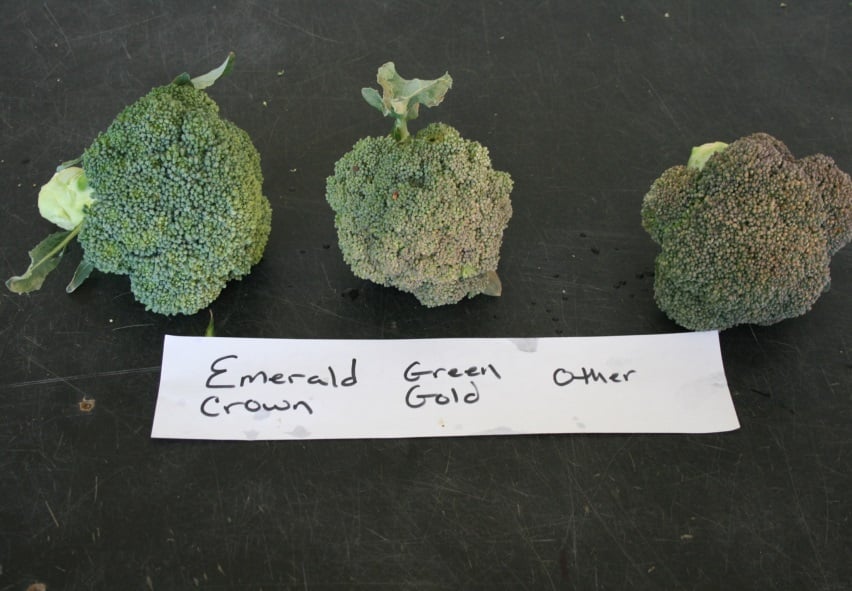
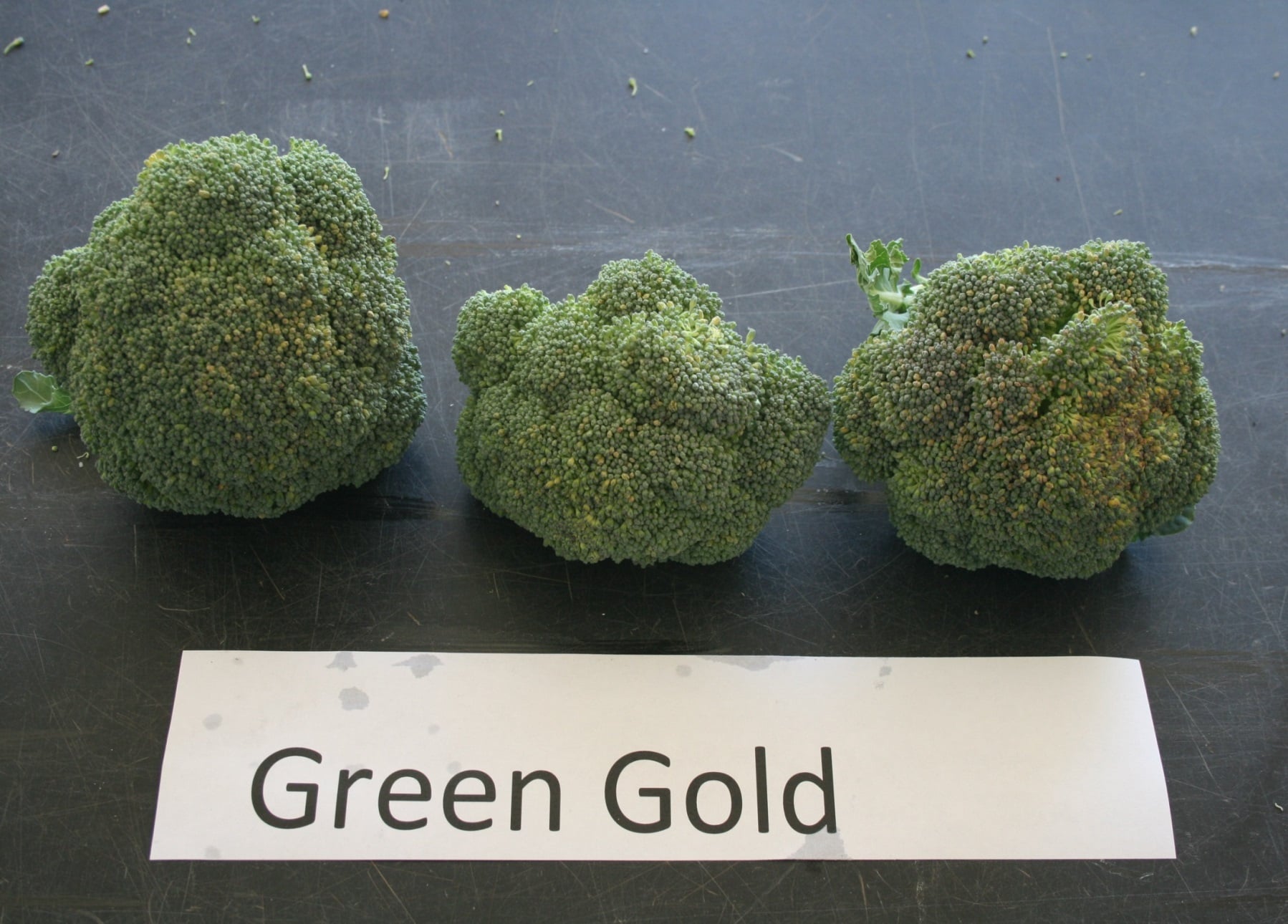
Low temperatures experienced during the late fall months can lead to purpling of florets (Figure 2). While this purpling is simply the expression of anthocyanin pigment, which can be caused by multiple other stresses, it may lead to heads being rejected on the wholesale market. However, it should be noted that there are no specific USDA color requirements for broccoli, so purpling is technically not a defect according to USDA standards, although discolored buds would be considered a defect.5 The variety ‘Emerald Crown’ does not express high levels of anthocyanin when exposed to cold conditions and is therefore the primary variety grown for fall planting slots in southern Georgia. Other varieties, which may purple in cold weather, are suitable for early fall planting (August) and spring plantings.
Soils and Fertility
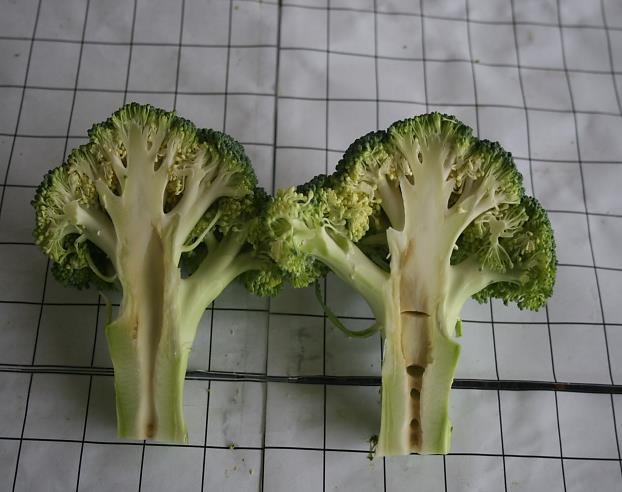
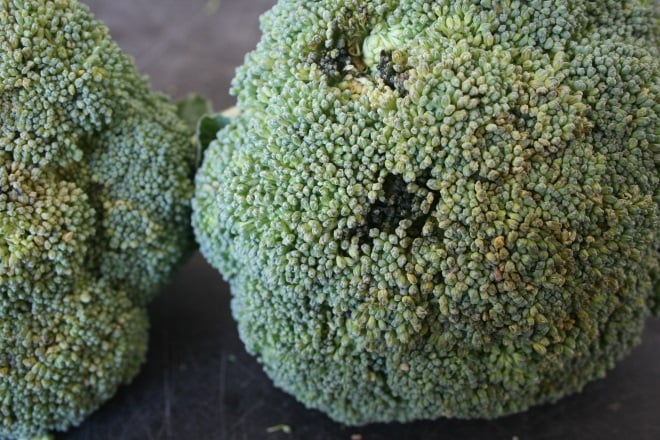
As with many vegetables, broccoli grows best in well-drained soils. A pH of 6.3 to 6.8 is recommended. For broccoli grown on third crop plastic, pH values below 6.0 may be encountered. There are few available options for raising the pH significantly under plastic mulch during the season. Fertility recommendations for broccoli grown in Georgia are shown in Table 2. Broccoli is a fairly heavy feeder, although excessive nitrogen has been shown to result in hollow stem of broccoli (Figure 3).6 Although boron deficiency is commonly associated with hollow stem in broccoli, it is likely present only when the hollow stem is accompanied by brown or black tissue in the affected areas. According to recent studies, hollow stem is initiated by mechanical separation of stem tissue during rapid expansion and growth.7 Severe browning of the stem without hollowing is likely related to downy mildew infection and should not be confused with boron deficiency.8 Brown bead (Figure 4) is another nutrient-related physiological disorder, shown to be associated with low levels of calcium and magnesium.9 It should be noted that other factors such as low temperatures and unfavorable growing conditions have also been linked to brown bead of broccoli.10 Brown bead of broccoli should not be confused with the tissue collapse that occurs when bacterial soft rots are present.

Water Management
Proper water management is integral to producing high-quality broccoli heads. Overwatering, particularly as the heads are maturing, can lead to loose heads as well as an increase in diseases, particularly in the crown. Because broccoli is typically planted during August and September in south Georgia, significant irrigation water must be applied to establish transplants or ensure seed germination and emergence in hot soils. Most growers average 1 to 1.5 inches of water per week during growth.
| Soil Test Rating | Coastal (lb/A) | Piedmont (lb/A) | Fertilizer Needed (lb/A) |
|---|---|---|---|
| Low P | 0-30 | 0-20 | 200 P2O5 |
| Medium P | 31-60 | 21-40 | 150 P2O5 |
| High P | 61-100 | 41-75 | 100 P2O5 |
| Very High P | 100+ | 75+ | 75 P2O5 |
| Low K | 0-70 | 0-120 | 200 K2O |
| Medium K | 71-170 | 121-250 | 150 K2O |
| High K | 171-275 | 251-400 | 100 K2O |
| Very High K | 275+ | 400+ | 75 K2O |
| Coastal Plain | 175-225 N | ||
| Piedmont, N. GA | 150-180 N | ||
| Calcium | if less than 800 lb/A apply 1000 lb/A gypsum if pH is >6.5, otherwise apply lime | ||
| Boron | 2 lb/A | ||
| For additional information see the Soil Test Handbook for Georgia. | |||
For additional information see the Soil Test Handbook for Georgia.
Variety Selection
The fall production window in south Georgia limits the number of varieties that can be grown. Because most plantings in the fall will mature in cool weather, purpling of the head is a significant concern. There are numerous varieties that offer good yield and quality characteristics, including those that are anthocyanin-less that will not purple in cold weather. It should be noted that days to maturity for a given variety are relative. A variety planted in early August may mature one to two weeks earlier than the same variety planted in early October. Avoid varieties with long maturation times, particularly in later fall and spring plantings. When considering broccoli varieties, one should also be careful to note quality characteristics such as bead size. Some varieties have large beads that are not suitable for the wholesale market. Large and loose beads can also collect water leading to soft rots in the head. Other considerations include the shoot to stem ratio. Good varieties for bunching tend to have a compact, mushroom-shaped head, while varieties grown for crowns will be more elongated.
Pest Control
Disease Management: Fungal and Bacterial
Black rot of broccoli
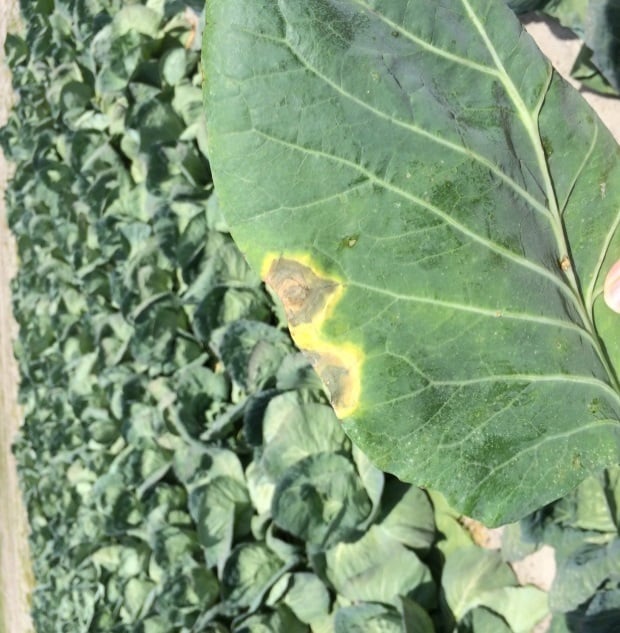
Black rot is caused by bacterial pathogen Xanthomonas campestris pv. campestris. This disease has been a chronic problem to transplant and field production systems of broccoli in Georgia. The symptoms start with yellowing of the leaf margin that gradually enlarges to form a v-shaped lesion (Figure 5), a characteristic symptom of this disease. Infested broccoli seeds and transplants can act as primary sources of inoculum for black rot. The bacterium can also reside as an epiphyte on broccoli leaves. X. campestris pv. campestris can gain entry through the hydathodes on the leaf margin; however, pathogen invasion can also be aided by the injury or mechanical damage to plants. Further invasion of the bacterium can be systemic in plants, which can later cause severe damage to heads. Systemic infection of the pathogen can be observed as blackening of veins, which is another characteristic symptom of black rot. Water splash dispersal and insect movement aids the spread of this pathogen.
Exclusion of X. campestris pv. campestris by seed-health testing and seed treatments is critical in management of black rot. Use of certified seeds and clean transplants, seed treatment with hot water (122 degrees Fahrenheit for 20 minutes), and rotating with non-cruciferous crops (for a minimum of three years) can reduce the inoculum. Preventative sprays of copper-based compounds can be effective. However, once plants get infected, copper spray is not effective.
Bacterial soft rot
This disease is often caused by the soft rot bacterium Erwinia caratovora var. carotovora, although numerous Pseudomonas sp. have been identified as causal agents as well. This disease can occur on heads (Figure 6) during warm and damp conditions. Avoid irrigating when heads will be exposed to prolonged periods of moisture. Heads will deteriorate rapidly, often in transit, and will typically have a strong smell to them.
Damping off
This disease is caused by soilborne oomycetes Pythium sp. that affect both seeds and transplants or young seedlings. The pathogen can cause seed decay and “damping off” of young seedlings.
Manage damping off by providing good drainage and planting on raised seedbeds. Use of decontaminated soil and sterilized containers and trays is recommended. Use of biocontrol agent Bacillus subtilis QST 713 can be effective during sowing/seedling/planting. Application of fungicide is warranted according to labeled rate.
Alternaria leaf spot
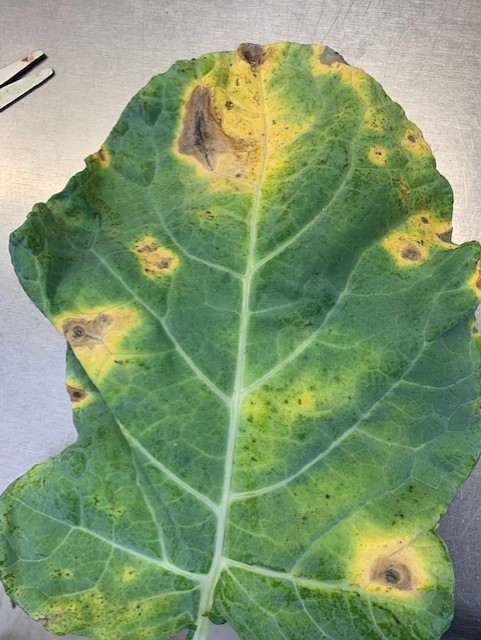
This disease is caused by a fungus in the Alternaria spp. complex such as Alternaria brassicicola and A. japonica, which are two major dominating species in the eastern United States. Symptoms (Figure 7, a–c) of A. brassicicola include damping off in seedlings, followed by necrotic dark spots that appear on leaves, stems, heads and florets.
Initially the small necrotic lesions are surrounded by a yellow halo, but later the lesions gradually coalesce giving an appearance of concentric rings. In the older lesions, center may fall out giving a shot hole appearance. In severe cases, necrotic spots can cause a blighted appearance and defoliation.
Management of Alternaria leaf spot includes integrated disease management approaches. Removal and destruction of crop debris to limit prevent overwintering of resting structures is important for disease management. Seed can also serve as a source of primary inoculum, so seed treatments should be considered as a part of a disease management strategy to limit introduction of inoculum in transplant houses and production fields. Crop rotation with non-brassica crops may help in reducing primary inoculum. A standard fungicide spray schedule throughout the growing season can effectively manage this disease. Among the fungicides, the QoI fungicides, which includes azoxystrobin as an active ingredient should be used cautiously since reduced sensitivity to azoxystrobin have been reported in A. brassicicola and A. japonica isolates from the commercial fields in the eastern United States. The recent findings are attributed to support from the USDA NIFA SCRI (2020-51181-32062) project.


Downy mildew
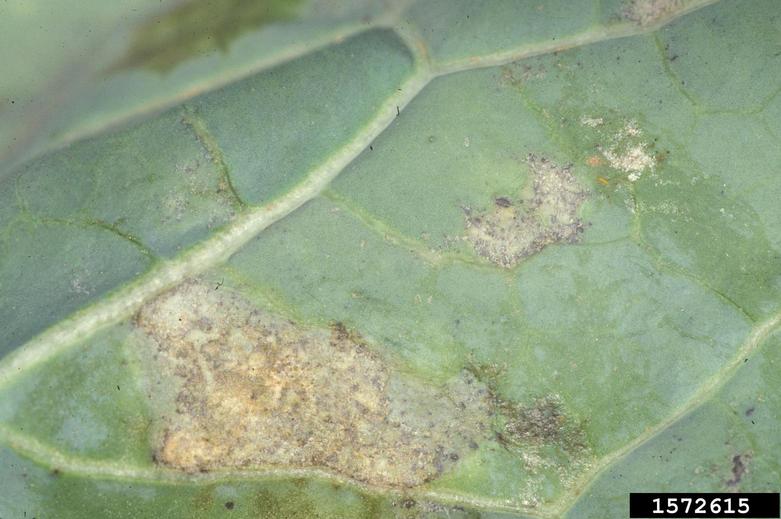
This disease is caused by an oomycete, Peronospora parasitica, which can infect broccoli at both transplant and mature stages. Infected plants develop mildew on the undersides of leaves (Figure 7d) with corresponding yellowing on the upper surface. In severe conditions, entire leaves turn necrotic and may cause defoliation. The disease is favored by moist conditions and cooler nights, and the pathogen is spread by wind.
An important management strategy is planting cultivars that are resistant or tolerant to downy mildew. Rotating with non-brassica crops may also reduce primary inoculum. A preventative spray schedule can effectively manage this disease.
Black leg
The causal organism is a fungus called Phoma lingam. The symptoms appear as necrotic, brown, depressed cankers on the stem that gradually enlarge and result in girdling and death of plants. Circular ash gray spots with numerous tiny black dots can be observed on the stem and leaves. The pathogen can survive in soil or in infested seeds, and moist conditions favor disease development.
Important management options for black leg include the use of resistant or tolerant varieties, good sanitation practices, seed treatment, and crop rotation.
Sclerotinia rot
This disease is caused by a fungal pathogen, Sclerotinia sclerotiorium, which can infect broccoli at any growth stage, from transplant to mature plant. The symptoms start with a white cottony mass at the base of the stem resulting in rotting. Black resting structures can be observed on the cottony mass. This disease is favored by wet and cool weather.
Using disease-free transplants, plowing down infected crop debris, and rotating crops are all recommended practices for managing this disease. It is not recommended to apply fungicides.
Broccoli Yellows
Yellows is caused by a soilborne fungal pathogen, Fusarium oxysporum f. sp. conglutinans. The common symptoms associated with this disease include yellowing of leaves, stunting, wilting, defoliation, curving of stalks, and eventually, the death of seedlings. Another characteristic symptom is the curving of the mid rib. The fungus invades through the rootlets or injured plant parts and colonizes throughout the plant. At present, most of the commercial broccoli varieties are resistant or tolerant to yellows.
Wirestem
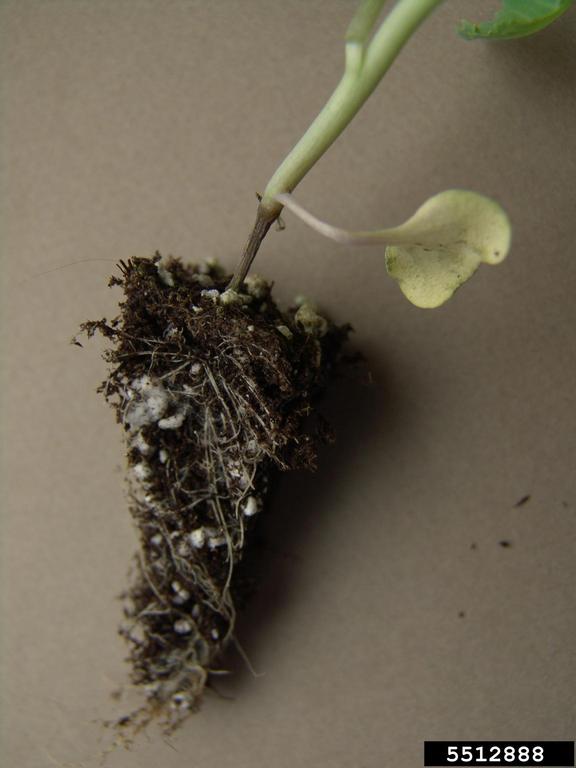
This disease is caused by a fungal pathogen, Rhizoctonia solani. The symptoms of wirestem (Figure 8) include constriction, bending and twisting of the stem at the soil line. Plants become stunted and may eventually rot. Because it is more severe in transplant beds and leads to damping off, applying fungicide treatments in transplant house is critical for R. solani management. Since this fungus attacks plants during dry periods, it’s recommended to frequently irrigate soil when rainfall declines. Crop rotation with non-host crops for R. solani (like grains) and deep turning of soil to prevent survival of fungal resting structures can control wirestem.
Credit: Gerald Holmes, Cal. Tech. San Luis Obispo.
Disease Management: Viruses
Turnip mosaic virus
Symptoms include mottling and distortion of leaves and stunting of plants. The virus is transmitted by aphids, and the pathogen can also survive in perennial weeds.
Cauliflower mosaic virus
Mosaic symptoms manifest on leaves, but stunting of plants are rarely observed. A characteristic symptom associated with this disease is vein clearing.
Cabbage mosaic virus
Black spots develop on foliage and head. Sometime mosaic symptoms can be observed which could be a result of mixed infection by turnip mosaic virus and cabbage mosaic virus. This virus is transmitted by green peach aphid.
Chemical management that directly targets viruses is not available. Management of these viral diseases depends on the control of aphids in the field. Weed management is also critical as cruciferous weeds around or in the field can also harbor virus.
Insect Management
While a wide variety of insects may feed on broccoli, the primary pests of broccoli, and all cole crops, in Georgia are caterpillars. Broccoli can actually tolerate considerable damage from these pests as most feed primarily on the leaves, which are not harvested; however, some species can also become a contaminant at harvest as they will move to the florets to pupate.
Broccoli is subject to damage by insects from planting until harvest. Potential problems with soil insects and seedling pests are usually avoided through greenhouse production of seedlings, which are transplanted to the field. Thus, soil insects (e.g. wireworms, white grubs) are not common pests of broccoli, and seedling pests (cutworms) are infrequently an issue, and are a short-lived problem when they do occur. Transplant production does play a potentially negative role in insect management as pests can become established in the greenhouse and distributed with the seedlings as they are moved to the field. This potential problem generally leads growers to try and produce pest-free transplants. Over-reliance on insecticides can lead to selection for insecticide resistance populations of insects in the greenhouse (this is primarily a concern with diamondback moth), thus, compounding the introduction of pests into the field with potential control failures because of resistance. Producers should be aware of insecticides that have been used in transplant production in order to make proper insecticide selection when pesticides are needed in the field, particularly shortly after planting when pests may have originated with the transplants.
Insect Management: Lepidoptera pests
The most common insect pests in broccoli in Georgia are all Lepidoptera insects. Caterpillars of these species feed primarily on leaves of broccoli. Because the leaves are not harvested, feeding by these caterpillars can be tolerated to a greater degree than the same pests in cabbage, collards and other leafy greens. An exception to this is the diamondback moth, which individually cause minor leaf damage but will frequently move to florets to pupate.
The three most common Lepidoptera pets are the diamondback moth, imported cabbageworm, and loopers. Beet armyworm is an occasional pest, crossed-striped cabbageworm is a pest in north Georgia, and cabbage webworm can usually be found but is generally controlled by insecticides applied for other Lepidoptera pests.
Diamondback moth, Plutella xylostella
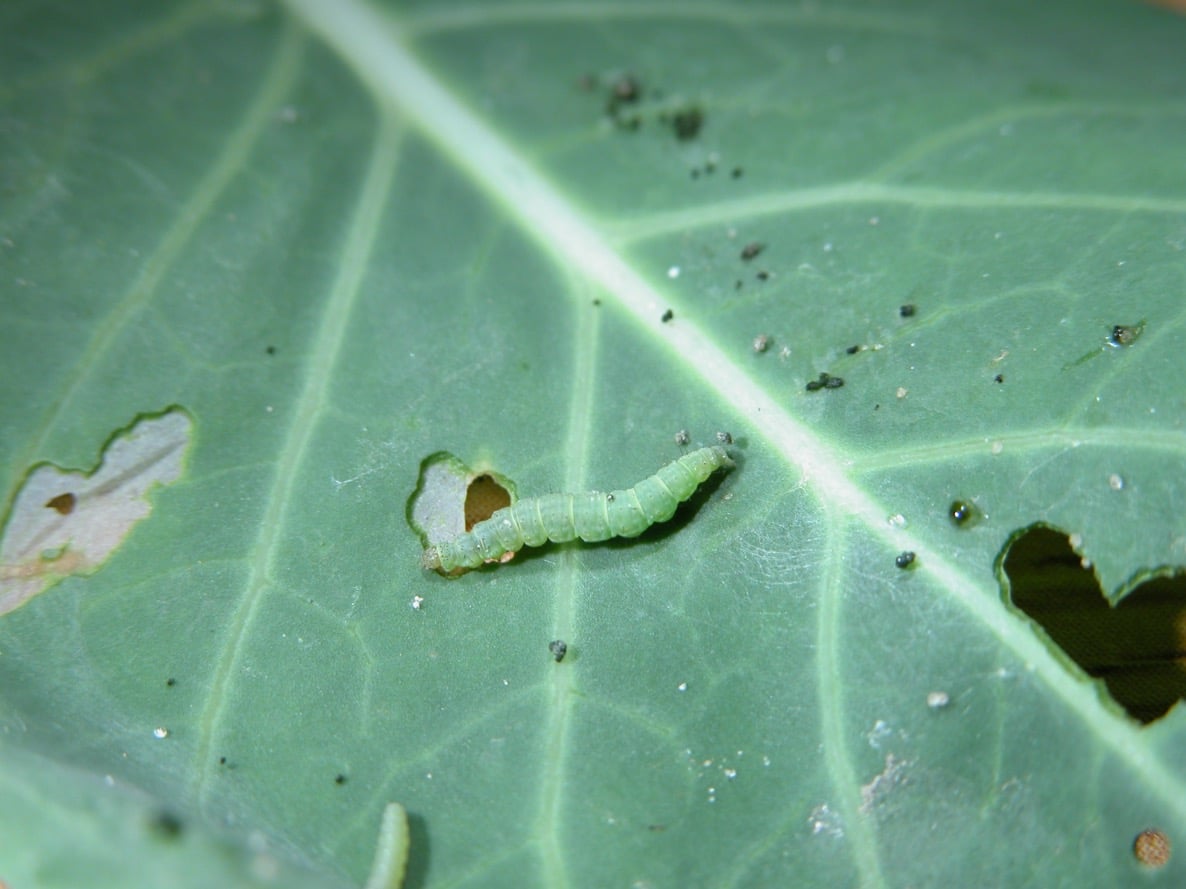
The diamondback moth (Figure 9) can attack broccoli and other cole crops throughout the year in Georgia. It poses a particular threat in that it can produce large populations rapidly, has an extreme potential for insecticide resistance, and will pupate in broccoli florets which result in contamination and reduced marketability. Diamondback moth lay flat, oval, shingle-like eggs singularly or in small groups. The green larvae reach a maximum size of about 0.5 inch, are tapered at both ends, and wiggle rapidly when disturbed. Larval feeding generally results in multiple small holes in leaves. Pupae are attached to the plant by a light silk cocoon, which makes their removal difficult and amplifies the floret contamination issue. Diamondback moth can complete its life cycle in three weeks or less in warmer temperatures but may require greater than a month under winter conditions. Diamondback moth has developed resistance to every class of insecticide registered for its control; therefore, resistance management is as important with this pest as population management. When possible, growers are encouraged to rely on “soft” insecticides with low resistance potential (e.g. Bt products) and to properly rotate synthetic chemistries when they are required. Ideally, any mode of action used against one generation of diamondback moth should not be used during the next generation (in general this is a rotation of approximately 30 days during most of the year). Field experience clearly suggests that a host free period (minimum of no cole crops or collards) during the summer in southern Georgia is key to management of this pest. In mid-summer, wild hosts are lacking and generations cycle rapidly. This combination, in the absence of cultivated hosts, results in severe population reductions.
Imported cabbageworm, Pieris rapae
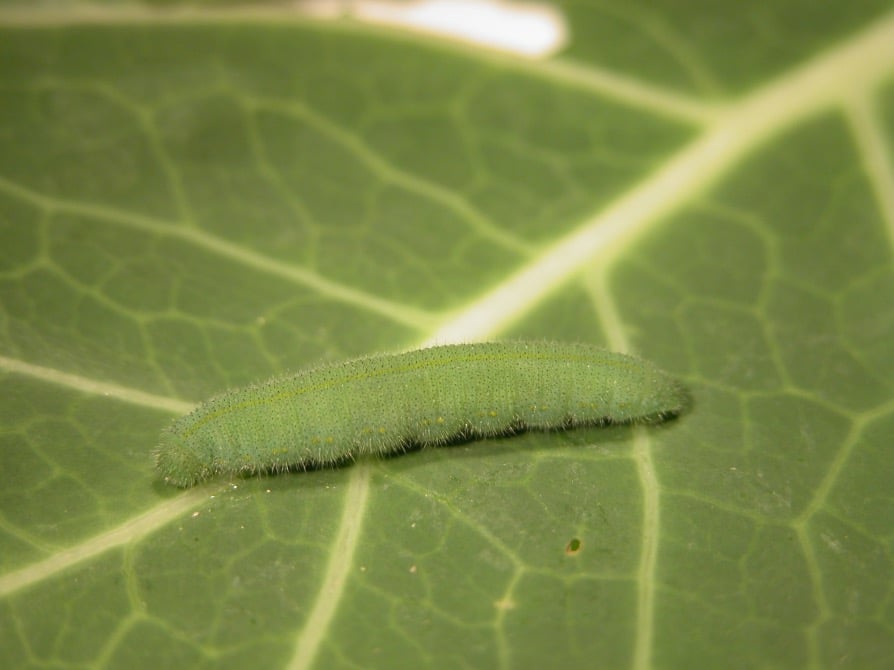
Imported cabbageworm (Figure 10) is generally the most common pest in cole crops in Georgia. Its presence is usually obvious, as the adult is a large white butterfly that is active during the day. The butterfly lays cigar or bullet shaped eggs, standing on one end, singularly. Early instar larvae can be confused with diamondback moth larvae but are shiny and do not move rapidly when disturbed. As the larvae grow, they obtain a characteristic velvety appearance, have a distinct yellow line down the middle of the back, and reach a length of about 1.25 inches. These larvae consume large portions of individual leaves, which can result in severe defoliation. While insecticide resistance has not been reported in this pest, it does appear to have become more difficult to control. Historically, pyrethroid insecticides provided excellent control; however, newer chemistries for lepidopterous pests are now frequently needed.
Cabbage looper, Trichoplusia ni
Cabbage loopers (Figure 11) can be a common pest of cole crops and many other vegetable crops. The hemispherical eggs with longitudinal ridges are laid singularly with the flat surface attached to the leaf. Larvae are tapered toward the head and bluntly rounded at the rear. Their key characteristic is the looping action they make when they crawl, which is caused by the presence of only two pair of abdominal prolegs (plus an anal pair). Larvae reach a maximum size of about 1.25 inches and generally eat large holes in leaves. Larvae are reported as a potential contaminant of broccoli.
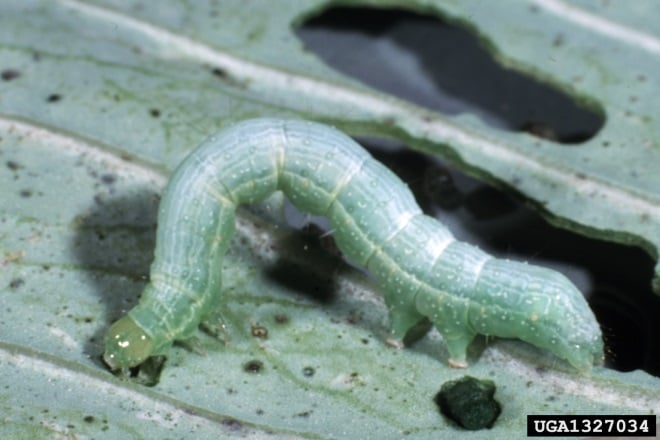
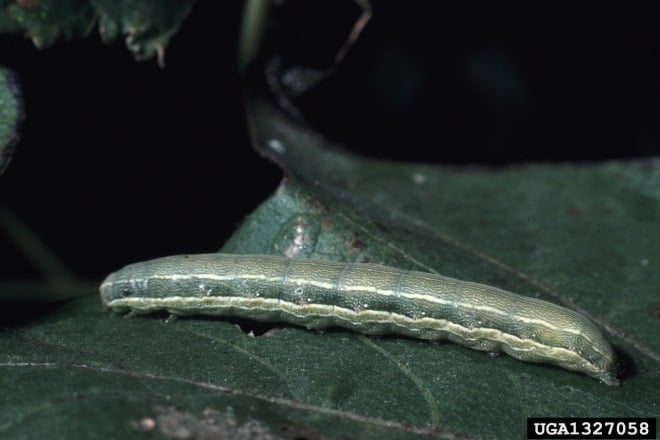
Beet armyworm, Spodoptera exigua
The beet armyworm (Figure 12) is an occasional pest of cole crops and has a very wide host range. Unlike the other lepidoptera pests of cole crops, the beet armyworm lays egg masses and larvae feed gregariously as early instars but become solitary as they grow. Larvae vary considerably in appearance with age. Older larvae are darker green to near black dorsally and yellow to pink ventrally, with white stripe on each side. Larvae usually have a dark spot on each side above the middle set of true legs. Larvae reach a maximum size of about one inch. Proper identification of this pest is needed for insecticide selection as many older chemistries are ineffective against this pest.
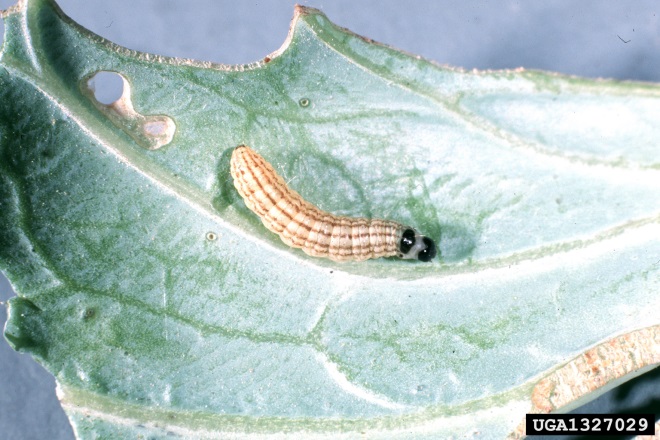
Cabbage webworm, Hellula rogatalis
Cabbage webworm (Figure 13) is an occasional pest and frequently occurs in patches within a field. They might be common in cole crops, but populations are low, likely because they are controlled by insecticides applied for other Lepidoptera pests. Larvae are small (maximum length of about 0.5 inch) and cream to yellow-gray with multiple brown lines running the length of the body and a black head capsule. Larger larvae web and roll leaves. Larvae are usually found in the bud and may destroy the growing tip of the plant. Thus, they are generally of greater concern in young plants.
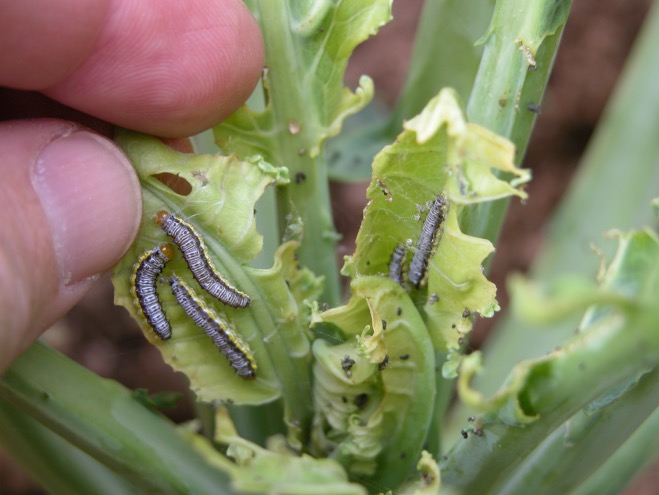
Cross-striped cabbageworm, Evergestis rimosalis
Cross-striped cabbageworm (Figure 14) is a common pest in north Georgia. Large populations can develop quickly but are relatively easy to control with insecticides. Larger larvae (maximum length of about 0.5 inches) are bluish-gray with numerous black bands running across the back giving this caterpillar a very distinct appearance. Larvae feed on foliage and prefer terminal buds. This pest was reported in southern Georgia in 2023 and may be expanding its range.
Insect Management: Harlequin bug and related species
Harlequin bug, Murgantia histrionica
Harlequin bug (Figure 15) is a brightly colored stink bug with a host preference for crucifer crops including broccoli. It is active year round, but populations are highest in the fall. The barrel-shaped eggs are laid in small groups, generally with two rows of eggs. Eggs are light colored with two black bands and other black markings. Nymphs are initially pale green with black markings but soon develop bright coloration (black or blue with red, orange or yellow markings. Adults are fairly large (about 0.5 inch) and brightly colored (black and orange or black and red). Nymphs and adults have piercing-sucking mouthparts. Feeding sites on leaves are evident as white blotches. Large populations can cause wilting and deformity of plants. Harlequin bug rarely occurs in damaging numbers in Georgia.

Credit: Lisa Ames, Univ. of GA, Bugwood.org
Bagrada bug, Bagrada hilaris
Bagrada bug (Figure 16) does not currently occur in Georgia, but it is a severe pest of seedling cole crops in Arizona and California, and growers should be aware of this species and watch for potential invasion of this pest. The coloring of the adult bagrada bug is similar to the harlequin bug but is about one-quarter to one-third of the size of the harlequin bug. Feeding damage on leaves appears similar to that of the harlequin bug. When feeding on young broccoli plants, this pest has shown high potential for severe plant deformation or death.
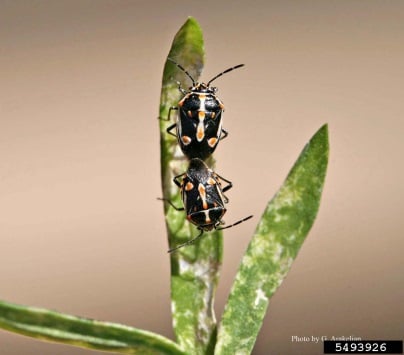
Credit: Gevork Arakelian, LA County Dept. Agr., Bugwood.org
Other potential insect pests of broccoli
Silverleaf whitefly
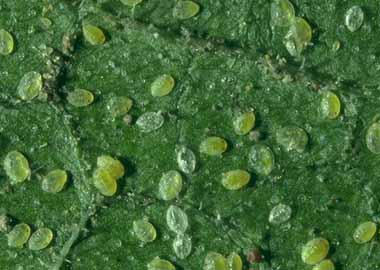
The silverleaf whitefly (Figure 17a) is a pest of cole crops grown in the fall in southern Georgia. It generally develops large populations in the fall in areas with cotton and vegetables grown in close proximity (particularly Tift and Colquitt Counties). Severity and distribution of this pest problem vary year-to-year. Broccoli can experience stalk “bleaching” from even moderate populations. Where this pest is an annual problem, broccoli grown in the fall should receive preventive applications of insecticides. In other areas, whitefly populations should be monitored and treated early in infestation development. Once established, this pest can be difficult to control.
Aphids
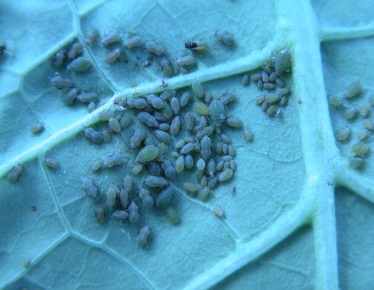
Several species of aphids can occur on broccoli but are not common problems in Georgia. The most common aphid affecting cole crops in Georgia is the turnip aphid, Lipaphis erysimi (Figure 17b); however, the green peach aphid, Myzus persicae (Figure 17c), has become more common. Proper identification is important as the green peach aphid is likely to possess insecticide resistance and require selective insecticides for control. Turnip aphids possess dark markings that form bands across their backs. Green peach aphids may exhibit a dark green line down the back in wingless forms or a dark patch on the abdomen in winged forms. All stages possess an indentation between the antennae (also described as knobs projecting toward the midline at the base of the antenna). Aphids prefer dry, cool conditions are most frequently a problem in early spring or late fall. They have piercing sucking mouthparts, suck sap from the plants, and produce honeydew. Large populations can develop rapidly under favorable conditions. Infested plants can be stunted, distorted, or killed.
Harvest and Postharvest Management
Broccoli is typically harvested when the head diameter is between 4 to 6 inches, with most harvests initiating when a significant portion of heads have reached 5 inches in diameter. For bunched broccoli, stalks are usually between 5 to 8 inches in length. Broccoli for processing has slightly different length and width requirements. Broccoli is packed in a variety of methods, typically in a 20-lb box for crown cuts or a 23-lb carton for bunches; however, a wide range of containers are utilized in the marketplace, categorized by both weight and count.
Broccoli must be cooled immediately after harvest to ensure quality. Typically broccoli is packed in waxed boxes that are filled with liquid ice and stored at 32 degrees Fahrenheit and 100% humidity.10 Under optimal conditions broccoli may have a storage life of three weeks or more. Storage above 32 degrees will significantly reduce storage life. Broccoli is also sensitive to ethylene exposure, with floret yellowing being a common symptom of exposure. Growers must have access to adequate storage facilities if they expect to store and ship broccoli on the wholesale market.
Growers are reminded to follow all food safety rules and regulations. Food safety concerns are paramount when working with a crop that although stored under very cold conditions is nonetheless stored in ice/water and is often consumed fresh and uncooked.
References
Boersma, M., Gracie, A. J., & Brown, P. H. (2009). Relationship between growth rate and the development of hollow stem in broccoli. Crop and Pasture Sci, 60, 995–1001. https://doi.org/10.1071/CP09391
Kelley, W. T. (2007). Greater plant populations may increase broccoli yield. In 2007 Georgia Vegetable Extension Research Report (pp. 6–8).
Bjorkman, T., & Shail, J. (2011). Maximum crown-cut broccoli yield for New York. Eastern Broccoli Project Report 2011. www.hort.cornell.edu/bjorkman/lab/broccoli/WNYBrocyieldpotential.pdf
Elson, M. K., Morse, R. D., Wolf, D. D., & Vaughn, D. H. (1992). High temperature inhibition of seed germination and seedling emergence of broccoli. HortTechnology, 2, 417–419. https://doi.org/10.21273/HORTTECH.2.3.417
USDA. (1990). Visual aids for specialty crop inspection: Bunched Italian sprouting broccoli.
Bakker, C., McKeown, A., Swanton, C., O’Halloran, I., & Chu, G. (2003). Influence of nitrogen fertilization on broccoli yield, disorders, disease, and ascorbic acid content. HortScience, 38, 849 (abstract).
Boersma, M., Gracie, A. J., & Brown, P. H. (2013). Evidence of mechanical tissue strain in the development of hollow stem in broccoli. Scientia Horticulturae, 164, 353–358. https://doi.org/10.1016/j.scienta.2013.09.020
Rimmer, S. R., Shattuck, V. I., & Buchwaldt, L. (2007). Compendium of Brassica Diseases (p. 119). APS Press.
Jenni, S., Dutilleul, P., Yamasaki, S., & Tremblay, N. (2001). Brown bead of broccoli II. Relationships of the physiological disorder with nutritional and meteorological variables. HortScience, 36, 1228–1234. https://doi.org/10.21273/HORTSCI.36.7.1228
Kays, S., & Paul, R. (2004). Postharvest Biology (p. 568). Exon Press.