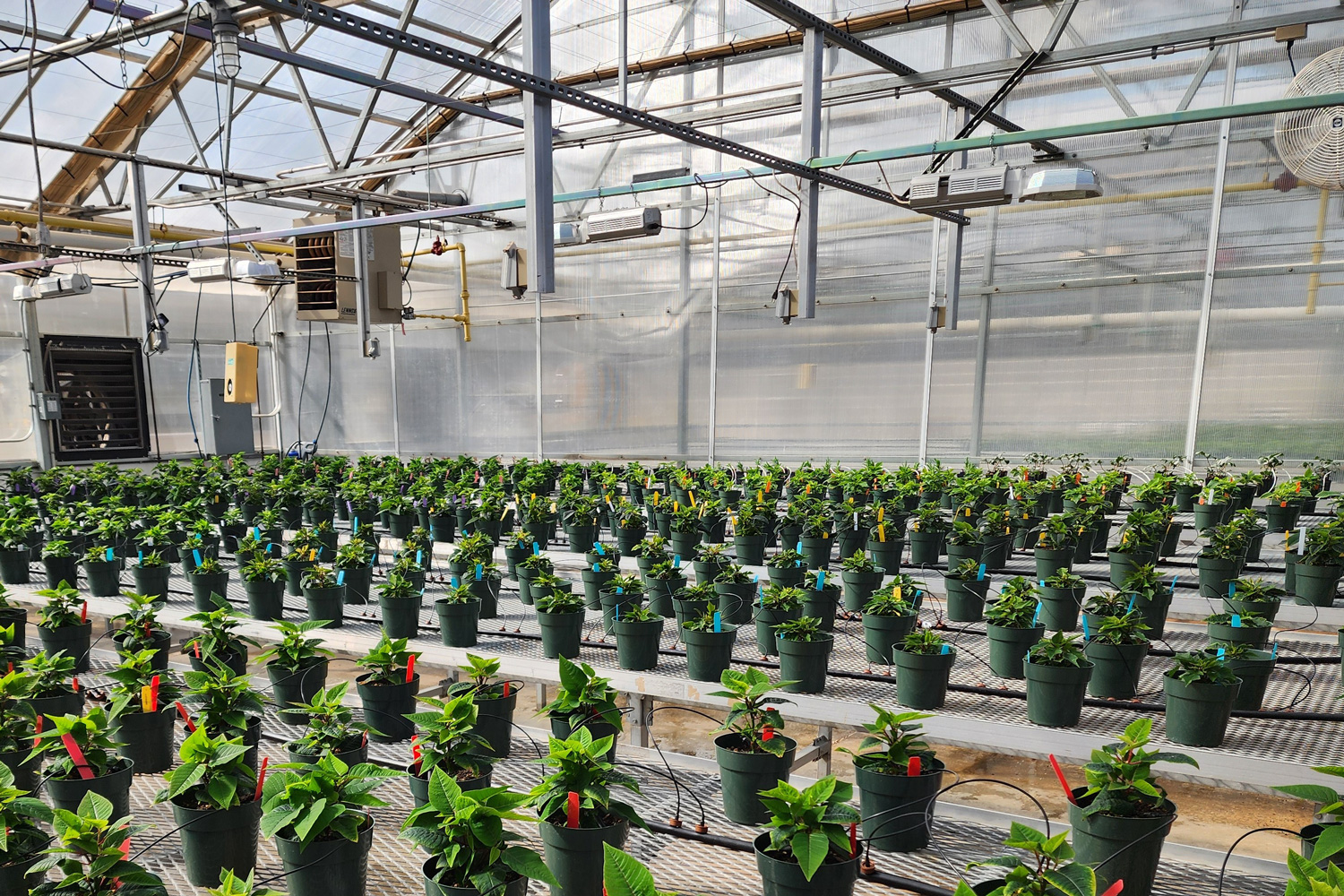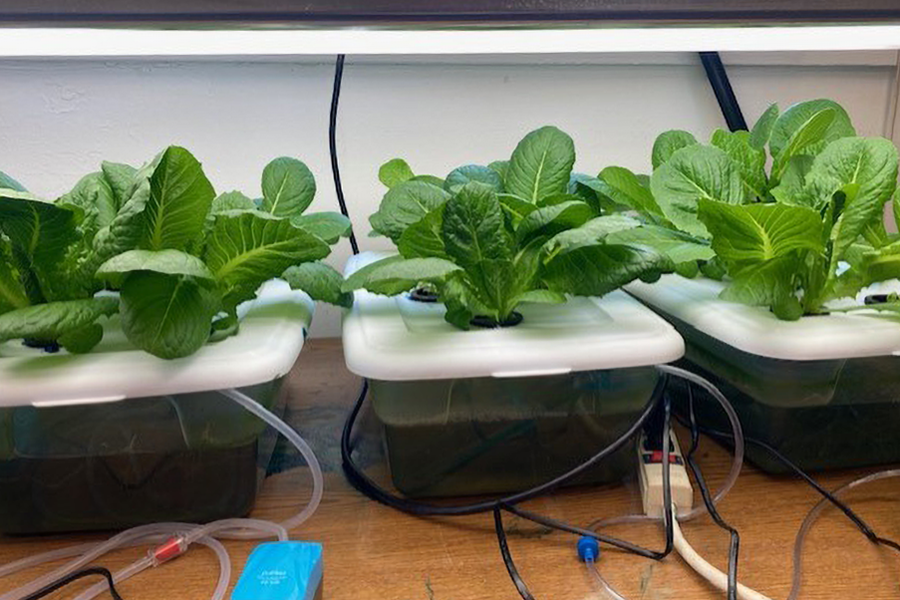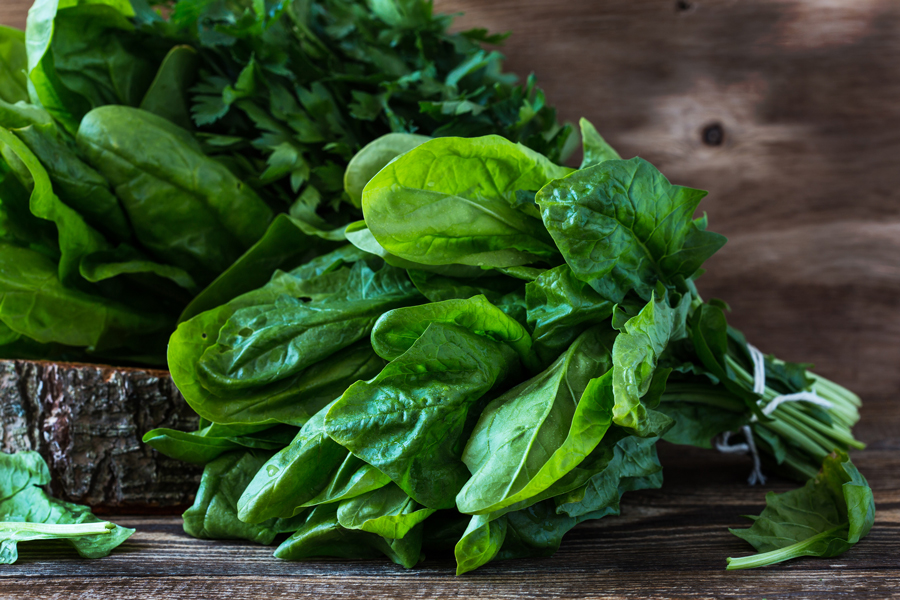


Controlled environment agriculture (CEA) involves growing crops within closed or semi-closed facilities, such as high tunnels, greenhouses, and vertical farms, where environmental conditions such as irrigation, light, temperature, humidity, airflow, and carbon dioxide (CO2) levels are actively managed.
Related Content
The controlled conditions within CEA facilities enable the production of high-quality crops. Because CEA production often does not require agricultural fields, facilities can be located in or near urban centers, increasing access to locally produced food. CEA facilities also offer protection against extreme weather events and enable year-round production because they are less influenced by the weather.
Challenges in Controlled Environment Agriculture
The ongoing rapid expansion of CEA presents multiple challenges, including high capital and operational costs, high energy requirements, and limited crop diversity. Technologically complex CEA facilities require significant investment, with vertical farms costing more than greenhouses and high tunnels. Costs are further increased by utilizing technologies such as sensors and robotics.
Although higher costs could be offset by increased productivity and premium-quality produce that can fetch a premium price, reducing energy consumption remains a key challenge. A further challenge facing the CEA industry is the lack of cultivars developed specifically for CEA systems. This challenge is being mitigated by plant breeders in both the public and private sectors. A thorough review of CEA breeding efforts was published by Bhattarai et al. (2025); this paper is listed in the references section of this resource.
What’s in This Resource
This resource provides an overview of production practices in CEA, emphasizing a holistic approach to optimizing crop growth. It outlines the primary crops grown in these systems and describes how growers can manage critical environmental factors to enhance horticultural success. Additionally, it discusses disease prevention and integrated pest management strategies to mitigate the economic losses posed by these organisms, which remain a challenge despite improved facility biosecurity.
This resource also explains the transformative impact of automation and advanced technologies, which enable precise monitoring of crop health and environmental conditions, supporting more efficient and resilient production cycles in controlled environment agriculture.
Economic Relevance
Advancements in indoor specialty-crop production in greenhouses and vertical farms have increased agricultural output and investment in both the public and private sectors. The global CEA market valuation reached $74.8 billion in 2022, with projections indicating a compound annual growth rate of 9.3% through 2030.
The types of crops available and total yield produced in CEA have increased significantly in recent years. From 2009–2019, the number of CEA operations in the United States rose from 1,476 to 2,994, while annual CEA crop yields increased by approximately 56% to 786 million pounds. The rapid growth of the CEA industry has been driven by demand for locally produced food, the growing challenges faced by traditional agriculture because of climate change, and shifts in consumer preferences toward pesticide-free produce.
Major Crops Produced
CEA facilities can be used to grow a wide variety of specialty crops, including leafy green vegetables, culinary herbs, microgreens, fruiting crops, medicinal and ornamental plants, and many other nontraditional commodities, such as mushrooms and fish (which are not covered in this resource). Lighting requirements noted below are expressed as moles per square meter (mol/m2) per day or micromoles per square meter per second (µmol·m-2·s-1).
Leafy Green Vegetables
Short-cycle, single-harvest specialty crops such as butterhead and romaine lettuces (Lactuca sativa), spinach (Spinacia oleracea), and kale (Brassica oleracea var. sabellica) are the most important crops grown indoors for fresh consumption and their high nutritional quality. Short, cool growing seasons are most favorable for these leafy vegetables, which thrive at optimal temperatures of 65–77 °F with light requirements of 12–17 mol/m2 per day.
Because temperatures are optimized in CEA systems, problems like bolting in lettuce, which causes it to flower prematurely and become bitter, can be better controlled. The growth cycle for leafy greens is fast, with plants typically reaching maturity in 21–35 days under optimal conditions. The short crop life cycle enables rapid crop production and turnover, allowing many more cropping cycles in CEA facilities than under field conditions.
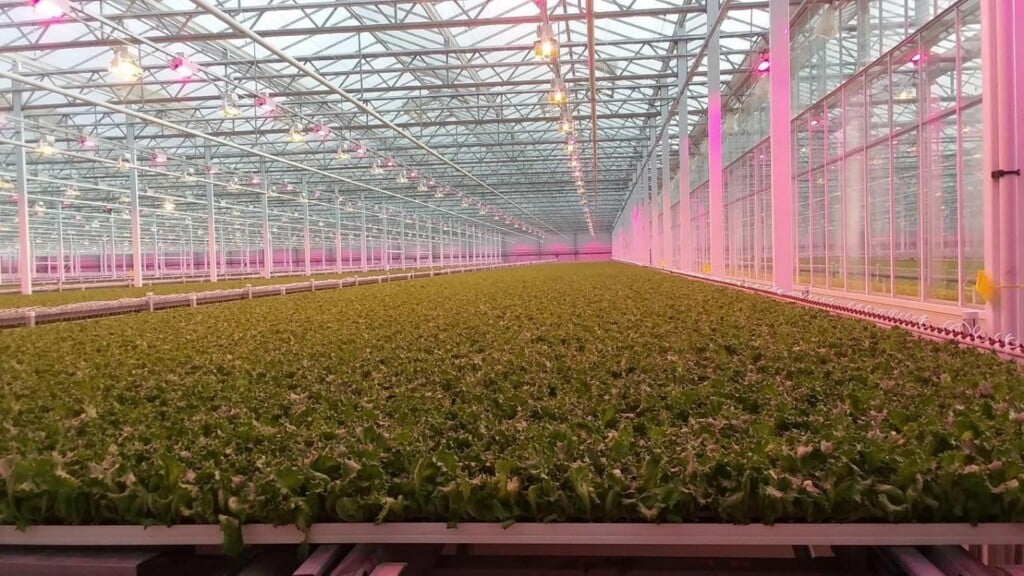
Greenhouse and vertical farm lettuce production can be technologically sophisticated and highly automated. A high-tech greenhouse with hydroponic (cultivation in a soilless, water- and substrate-based system) lettuce is shown in Figure 1. Plants are grown in hydroponic gutters that automatically move across the greenhouse. At a precise time when plants are ready for harvest, the gutters are automatically transferred to a conveyor belt, which takes them to the harvest and packaging room.
In vertical farming systems, yield potential becomes even higher. Lettuce prices from vertical farms average $7.82/kg, which is over double that of field-produced lettuce at $3.04/kg (Nicholson et al., 2020). Higher yields are necessary to help offset the high capital costs of indoor production. A 10,000-ft2 vertical farming operation can generate between $1.2 and $1.8 million in gross annual revenue at full production capacity.
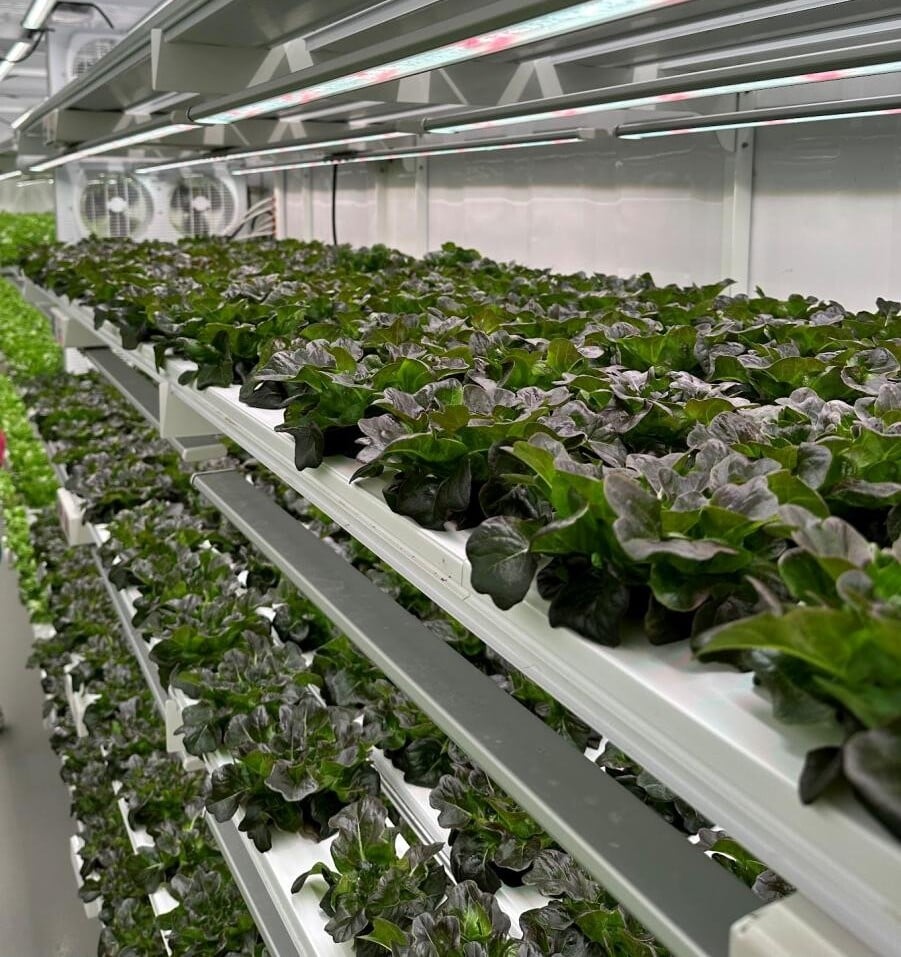
A meta-analysis by Gargaro et al. (2023) found that lettuce yield in vertical farms (1.41 lb/ft2) was higher than the global analysis result for all CEA systems (0.75 lb/ft2) and field results (0.39 lb/ft2). Vertical farms can be constructed inside buildings, such as warehouses, or in repurposed shipping containers, as shown in Figure 2. Vertical farms often use light-emitting diodes (LEDs) and stacked layers of hydroponic gutters called nutrient film technique (NFT) channels.
Culinary Herbs
High-value specialty crops such as Genovese basil (Ocimum basilicum), various mint species (Mentha spp.), and cilantro (Coriandrum sativum) are categorized as culinary herbs. The specific cultivation practices for these crops include optimal temperature ranges of 68–77 °F, daily light requirements of 14–18 mol/m2, a nutrient solution pH of 5.5–6.5, and harvest cycles every 3–4 weeks for continuous production.
Pulsed LED lighting systems with a specific red:blue light ratio of 3:1 are a recent innovation in herb cultivation and can increase basil’s essential oil content by 22%. Research shows that herb production can achieve 30% faster growth rates in aeroponic systems (cultivation in an air or mist environment) than in traditional hydroponic methods. Controlled environment agricultural production has boosted the global herb market, with an 11.2% compound annual growth rate, and premium products such as organic basil are reaching prices of up to $14/lb in high-end markets.
Microgreens
Microgreens are leafy vegetable crops that are harvested at a very early stage of development and typically include only the cotyledons (first leaf/leaf pair) and one developing true leaf. Microgreens include high-value crops, such as broccoli (Brassica oleracea var. italica), sunflower (Helianthus annuus), beet greens (Beta vulgaris), radish (Raphanus sativus), chard (Beta vulgaris subsp. cicla), and others.
These crops have short production cycles of just 7–14 days from seeding to harvest. Light intensity levels of 100–150 µmol·m-2·s-1 for 12–18 hr per day, along with the use of various substrate options, including coco coir, peat mats, or specialized hydroponic felt materials, provide optimal growing conditions to achieve typical production of 0.3–0.5 lb/ft2 each production cycle.
Microgreens offer significant nutritional advantages over their mature plant counterparts. The nutritional benefits, combined with their delicate textures and flavors, have driven strong market demand in premium food segments. CEA facilities provide year-round production cycles of 7–21 days, reducing weather-related risks in field cultivation. Growth is strongest in states with harsh climates, where local production outperforms imports in both freshness and transport efficiency.
Fruiting Crops
Currently, production of fruiting crops in CEA includes tomatoes (Solanum lycopersicum), cucumbers (Cucumis sativus), peppers (typically Capsicum annuum), melons (e.g., watermelon, Citrullus lanatus; muskmelon, Cucumis melo), strawberries (Fragaria × ananassa), and some bramble fruits (genus Rubus, e.g., raspberry, Rubus idaeus; blackberry, Rubus fruticosus).
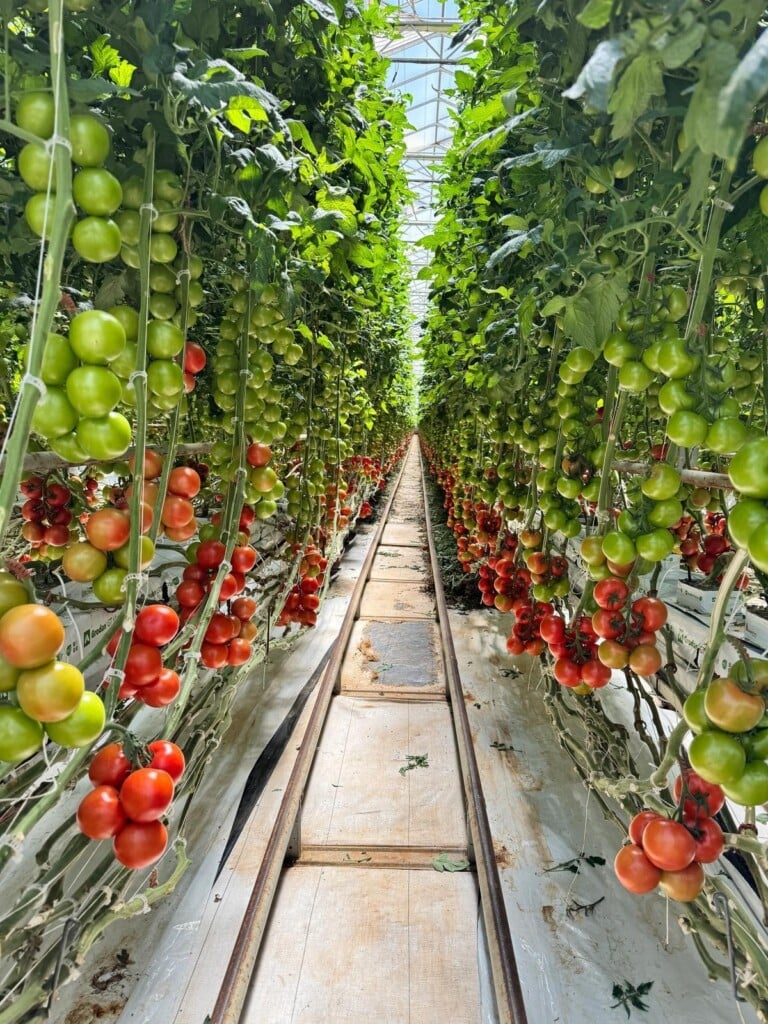
Indeterminate tomato varieties are frequently used in CEA and are grown in tall, trellised systems in greenhouses and high tunnels, capable of reaching heights exceeding 40 ft. Although CEA production of fruiting crops has expanded greatly in recent years, crops like tomatoes and peppers have been grown extensively in greenhouses globally for the past 30 years or more.
Many fruiting crops grown in controlled environment agriculture facilities require pollination, which becomes problematic when plants are isolated from natural pollinators. Bumblebee colonies or specialized electrostatic vibrators are used to facilitate pollination in CEA facilities. Plant photosynthesis rapidly depletes CO2 levels in CEA facilities, which can greatly reduce yields unless supplemental CO2 is added. Tomato yields were reported to increase by 25%–30% with CO2 concentrations of 1,000–1,200 ppm compared to ambient CO2 levels.
Greenhouse tomato production has increased significantly since 2000. U.S. fresh tomato imports have risen 176%, driven almost entirely by greenhouse production and the expansion of year-round production in Mexico. Nearly 80% of cherry and grape tomato imports were greenhouse-grown, versus one-third of Roma tomato imports. The economic model for fruiting crops in CEA has been well established in operations such as Dutch greenhouse tomato facilities, which achieve remarkable yields of 15–18 lb/ft2 annually. Georgia is home to at least one large-scale, tomato-producing greenhouse located at Pure Flavor’s facility in Fort Valley (Figure 3). These operations typically demonstrate a return on investment within 3–5 years.
In strawberry production, vertical farming systems using day-neutral varieties can yield five to seven times more than conventional field cultivation methods with the added benefits of year-round availability and reduced pesticide use.
Cucumber has also emerged as a major CEA greenhouse crop. The availability of cultivars that are both parthenocarpic (do not require pollinators) and gynoecious (produce only female flowers) has helped spur this growth. Small snacking cucumbers are produced primarily in greenhouses and are growing rapidly in popularity.
Medicinal Plants
Optimized conditions within CEA systems enable the production of high-quality, high-value medicinal plants. Lavender (Lavandula spica), ginger (Zingiber officinale), chamomile (Matricaria chamomilla), and parsley (Petroselinum crispum) are some of the potential medicinal crops for controlled environment cultivation.
Lavender is widely used in aromatherapy, cosmetics, and essential oils and is valued for its calming and antimicrobial properties. Ginger possesses strong antioxidant and anti-inflammatory properties and is in high demand across food, beverage, and nutraceutical industries, driving large-scale U.S. imports.
Chamomile is one of the top herbal remedies for stress relief, sleep improvement, and digestive health. Parsley is rich in vitamins and antioxidants and serves both culinary and medicinal roles. Currently, it accounts for a major share of the total global fresh-herb sector. Parsley and chamomile are also well documented to produce apigenin, a natural anti-inflammatory compound with potential anticancer properties. Together, these crops represent established consumer demand across culinary, therapeutic, and wellness industries.
CEA production enhances medicinal plant yield by ensuring a consistent, year-round supply and optimized phytochemical (naturally occurring compounds) content. Lavender and chamomile benefit from precision-controlled flowering and increased yields of essential oils and bioactive compounds. Ginger cultivation in greenhouses offers a path to reduce the United States’ reliance on imports while supplying premium, fresh-market, and health-focused products. Parsley is well-suited to vertical farming systems, ensuring a steady supply to retail and food-service markets. By combining proven economic demand with adaptability to indoor cultivation, these crops stand out as strategic targets for CEA expansion in the United States.
Ornamental Plants
Commercial ornamental plant production in controlled environments typically occurs in greenhouse facilities, with some small-scale producers utilizing high tunnels. Bedding plants, cut flowers, potted flowering plants, and foliage plants are some types of ornamental plant crops produced with CEA. These plants include temperate and tropical annuals and perennials, as well as succulents grown for indoor and outdoor use. Edible flower production (which is categorized as a food crop rather than an ornamental) is gaining adoption within vertical farming facilities, especially in Asia, where the edible flower market is more developed.
The United States dedicates approximately 465 million square feet of greenhouse area to ornamental crop production (National Agricultural Statistics Service, 2024). In 2023, U.S. ornamental crops generated $6.69 billion in revenue, with Florida and California accounting for approximately 33% of these sales.
Most ornamental sales consisted of annuals (~41%) and perennials (~19%) grown for bedding and garden use and for outdoor hanging baskets. Top-selling annual plants in this category include petunias (Petunia spp.), begonias (Begonia spp.), geraniums (Geranium spp.), and pansies (Viola × wittrockiana). Chrysanthemums (Chrysanthemum spp.) dominate perennial bedding-plant sales, accounting for nearly 21% of proceeds. Potted flowering plants are also a major industry segment, accounting for around $1 billion of floriculture sales. Orchids and poinsettias (Euphorbia pulcherrima) account for nearly 46% of all flowering potted-plant sales. Foliage plants, propagative materials, and cut flowers account for the remainder of the floriculture industry revenue.
The Importance of Environmental and Growth Factors
Plant development is a complex interplay of biochemical processes, primarily photosynthesis, the process by which plants convert light, water, and CO2 into sugars. Key environmental inputs, including temperature, humidity (specifically vapor pressure deficit, or VPD), CO2 concentration, light intensity, and root-zone conditions (nutrients, water, and oxygen), are the primary drivers of this process.
When these factors are precisely controlled and maintained at optimal levels, metabolic efficiency is maximized, allowing plants to convert light into biomass (organic material) at their full genetic potential—in other words, plants maximize their desirable leaf, fruit, or vegetable growth. Conversely, if light or other environmental factors are suboptimal, they create a bottleneck, acting as a limiting factor that slows down the entire growth process regardless of how perfect the other conditions may be. Therefore, achieving faster and greater growth depends entirely on adequately managing environmental factors to eliminate constraints.
Below, we provide basic information on these factors. The goal is to define key terms and expand awareness of the variables that can be fine-tuned to enhance physiological processes and boost productivity in CEA facilities.
Temperature
Temperature affects the rate of a plant’s metabolic processes, including photosynthesis and respiration. Maintaining optimal air and substrate/solution temperature range is critical for optimal growth and yield, as well as preventing stress. Automatic control systems monitor temperatures both inside and outside, as well as several other environmental factors, including relative humidity, vapor pressure deficit, CO2 concentrations, electrical conductivity, soil moisture, solar radiation, wind speed, wind direction, and rainfall.
The temperature in CEA facilities is controlled primarily through heating and cooling systems, including pipes, vents, curtains, heaters, air conditioning (HVAC) systems, fans, pad-fan systems, and foggers.
Relative Humidity
Relative humidity (RH) is the moisture content of air expressed as a percentage of its saturation value at a given temperature. However, because the air’s water-holding capacity increases as it warms up and decreases as it cools down, RH fluctuates significantly with temperature changes and should not be used as a direct proxy for air dryness. Instead, it is more important to calculate the vapor pressure deficit.
Vapor Pressure Deficit
Vapor pressure deficit (VPD) is the difference between the amount of moisture in the air and the moisture the air could hold when saturated. VPD is a more precise indicator of air moisture. It also is a key indicator of a plant’s transpiration and, consequently, its water and nutrient uptake. Vapor pressure deficit is a more meaningful factor for plant production than relative humidity.
A well-managed vapor pressure deficit encourages efficient water and nutrient uptake, as well as CO2 absorption through the plant’s stomata (pores in the leaf surface). A high VPD (> 1.0 kPa) indicates that the air is dry and can still hold a large amount of water. In this case, the plant will transpire too quickly, resulting in dry tissue and stress. A low VPD (< 0.4 kPa) means the air is near saturation. A VPD of zero means the air is 100% saturated, and that crops cannot transpire effectively. This can promote the development of disease, particularly fungal infections.
Carbon Dioxide
Carbon dioxide (CO2) is a critical component for photosynthesis. Research indicates that maintaining and increasing CO2 levels to a certain value can enhance plant growth and development. For that reason, CO2 is often supplemented to boost photosynthesis and increase yields.
Growers typically employ one of two main strategies for this supplementation:
- They use CO2 generators that burn natural gas or propane (which also releases supplemental heat and water vapor).
- They use a more precise method favored by high-tech operations, which involves dosing pure liquid or compressed CO2 from bulk tanks to achieve exact control without introducing unwanted heat or humidity.
Lighting (Natural and Artificial)
Light serves as the energy source for photosynthesis. Lighting has four main aspects:
- intensity (quantity)
- spectrum (quality)
- photoperiod (duration)
- uniformity and distribution (coverage)
Light intensity refers to the number of photons—or the total amount of light—reaching a surface. It is typically measured as photosynthetic photon flux density (PPFD), expressed in micromoles per square meter per second (µmol·m-2·s-1). That figure represents the instantaneous amount. Depending on the crop, it typically ranges from 100 to 250 µmol·m-2·s-1.
When accumulated over a 24-hr period, this light intensity corresponds to the daily light integral (DLI), expressed in moles per square meter per day (mol·m-2·d-1). Target ranges vary significantly by crop:
- Leafy greens typically require 12–17 mol·m-2·d-1 (though microgreens may require less, at 6–12 mol·m-2·d-1).
- Ornamental plants range from 10–20 mol·m-2·d-1.
- Vine crops (such as tomatoes) require significantly higher levels of 25–30 mol·m-2·d-1 or more.
The light spectrum describes the specific wavelengths or colors that comprise a light source. These range from 400 to 750 nm and correspond to extended photosynthetically active radiation.
Photoperiod (duration) refers to the total time a plant is exposed to light within a 24-hr period and serves as a critical cue for developmental responses, such as flowering.
Uniformity and distribution (coverage) describe how evenly the light is spread across the entire plant canopy. High uniformity is essential to ensure all plants receive a similar light intensity, promoting consistent, even growth and preventing uneven development from bright or dark spots.
In greenhouses, light is provided by natural sunlight and supplemental lighting (Figure 4). Supplemental lighting can be provided by a variety of fixtures. LEDs are increasingly the standard because of their high energy efficiency, long lifespan, and customizable light spectra.

In the foreground, lettuce and pak choi are grown using a horizontal nutrient-film technique system under supplemental light-emitting diode (LED) lighting. On the left side in the background, lettuce grows in a vertical nutrient-film technique system. On the right side in the background, tomatoes and eggplants grow in a soilless substrate under supplemental high-pressure sodium (HPS) lighting. Photo: R. S. Ferrarezi.
High-intensity discharge (HID) lamps are another common category, including high-pressure sodium (HPS) lights, known for their efficient yellow/red light that promotes vegetative growth, and metal halide (MH) lights, which produce a bluer light that is ideal for flowering. Additionally, high-output fluorescent lights (like T5s) are often used and remain very effective for seedlings, clones, and leafy greens.
In indoor farms, artificial lights such as LED fixtures provide the full spectrum of light required for photosynthesis. This method is known as sole-source lighting, as the fixtures serve as the plants’ only source of photons.
Fertilization
Fertilization provides the essential macro- (N, P, K, Ca, Mg, S) and micronutrients (B, Cu, Fe, Mn, Zn) that plants need to grow. In controlled environments, fertilizers are often delivered precisely as liquids through the irrigation system, a practice known as fertigation. The nutrient solution can be prepared using fertilizer blends with various N-P-K rates and micronutrients, or as individual fertilizers mixed to meet the plant’s specific nutrient requirements.
Growers often prepare concentrated stock solutions and inject them into the irrigation system using proportional dosers. The fertilization program is usually monitored by frequent measurements of substrate or solution electrical conductivity (EC) to adjust fertilization. Electrical conductivity is a measure of the total dissolved salts in a fertilizer solution or soil, which indicates the concentration of nutrients.
The pH of the solution also plays an important role in nutrient availability, as it directly controls the chemical solubility of essential elements, thereby determining whether they are available for plant uptake. The target pH range for most crops is 5.5–6.5.
Water
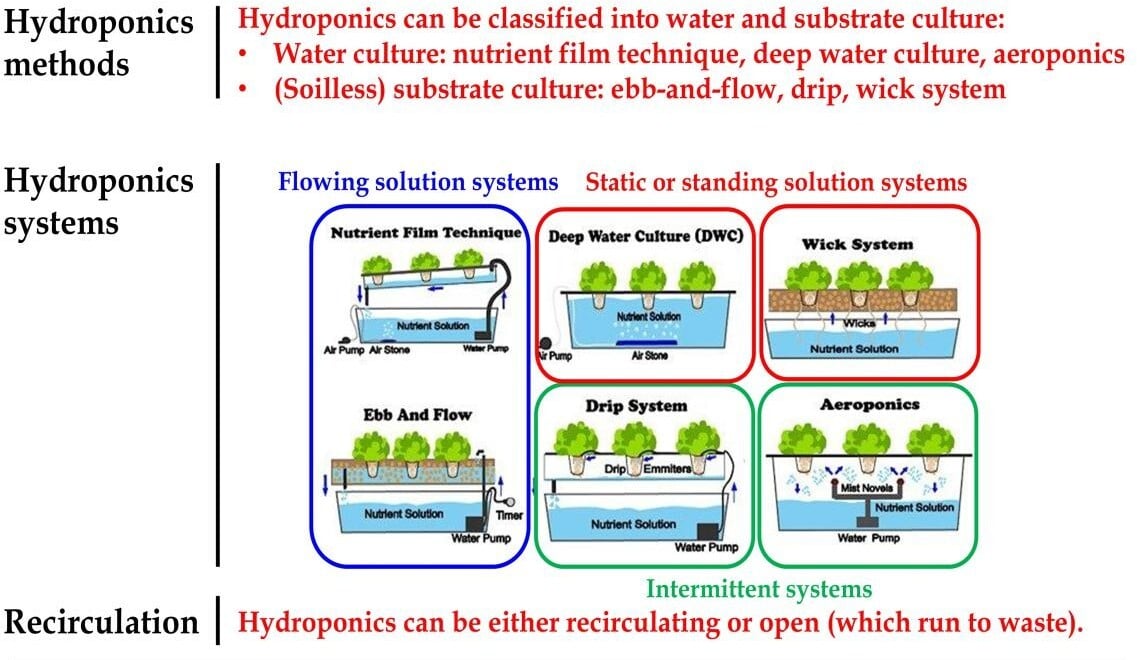
Water is essential for plant life, serving as a solvent that delivers nutrients, a primary component of photosynthesis, and a mechanism for regulating plant temperature and cellular metabolism. In mid- and high-tech greenhouses and vertical farms, plants are grown hydroponically, either directly in water or in soilless substrates. The water-culture systems include nutrient film technique (NFT), floating or deep-water culture (DWC), and aeroponics. In contrast, the substrate-culture systems include ebb-and-flow/flood-floor, drip irrigation, and wick systems (Figure 5).
All systems have advantages and disadvantages and should be chosen based on location, crop, environmental conditions, and cost. Key points before starting a hydroponics project are:
- Calculate runs properly to avoid a stagnant solution.
- Heed limitations for nutrient film technique systems:
- NFT bench max length: 50 ft
- NFT bench slope: 2%–5% per linear meter (~3 ft)
- NFT bench width depends on whether the operation is automated or not: No more than 5–7 ft if there is no automation (because of ergonomics)
- NFT bench height: 3–4 ft
- Size the reservoir (these are average values):
- small plants: 0.5 gallons of water/plant
- medium-sized plants: 1–1.5 gallons of water/plant
- large plants: 2.5 gallons of water per plant
Environmental Control Systems
One of the biggest advantages of CEA production is the ability to tightly control the growing environment. Modern facilities use sensor networks to measure and record temperature, RH, light intensity, and CO2 levels in real time. These sensors feed data into central dataloggers and controllers that automatically adjust heating, cooling, ventilation, LED lighting, and shading screens to maintain the environment within the target range for specific varieties and growth stages.
Some systems are designed to move trays between isolated rooms with different conditions—for example, a high-humidity dark room for germination, followed by a well-ventilated illuminated room for vegetative growth. Tray movement is often achieved using a conveyor system or robotic arms.
Advanced fertigation strategies guided by sensors can reduce fertilizer and water use, which saves money while maintaining yield quality. Switching from traditional high-pressure sodium lamps to LED lighting systems controlled by DLI sensors can also save up to 40% in energy costs while maintaining or improving yields.
Soilless Substrate
Plants need a growing medium for roots, which is often either water or a soilless substrate. Substrates can be divided into two groups: inorganic and organic. Examples of organic substrates are pine sawdust, pine bark, wood chips, peat moss, coconut coir, and rice hulls. Inorganic substrates can be further divided into natural and synthetic. Inorganic natural substrates include sand, gravel, rockwool, perlite, vermiculite, pumice, expanded clay aggregate, zeolite, and diatomaceous earth. Inorganic synthetic substrates include polyurethane and polystyrene foam mats and boards, phenolic foam, potassium polyacrylate hydrogel, felt, and others.
Plant Disease Management
The same conditions designed to optimize plant growth in CEA facilities described above can inadvertently create microclimates that are highly conducive to the development, growth, and spread of plant pathogens. Once plant diseases become established within the production facility, they can spread rapidly because of the high planting density, uniformity of crops, and recirculating nature of some systems.
It’s worth revisiting the classic plant disease triangle (Figure 6), even in the context of crops grown in CEA. Similar to open-field systems, disease in CEA-grown plants occurs when three critical components align: 1) a susceptible, stressed, or injured host; 2) a viable virulent pathogen; and 3) favorable environmental conditions.

A key difference and an added advantage of CEA production is our ability to regulate and manipulate the growing environment, which provides exciting possibilities for disease prevention and management. By modulating factors such as humidity, temperature, airflow, and light, it is possible to disrupt the disease triangle and reduce the likelihood of outbreaks. However, given the potential for rapid disease dissemination, it is important to prevent pathogen introduction and limit pathogen spread before implementing curative management strategies.
Effective prevention requires a thorough understanding of the potential points of pathogen entry, often referred to as critical control points, within the framework of hazard analysis and risk assessment.
Common disease challenges in CEA are caused by a wide range of pathogens, including oomycetes (water molds), fungi, bacteria, and viruses. While numerous organisms can threaten crop health, several pathogens are commonly found in CEA.
Pythium spp. and Phytophthora spp. are problematic oomycetes that primarily cause root browning, root rot, and damping off. Under the right conditions, these pathogens can lead to significant crop losses. Downy mildews, which are also oomycetes, are particularly challenging in certain crops, such as basil.
Among fungal pathogens, Botrytis (gray mold) and powdery mildews are frequently found and directly damage tissues. Bacterial pathogens, such as Pseudomonas spp. and Xanthomonas spp., cause a wide range of diseases, including leaf spots, specks, and cankers. Erwinia spp. and Ralstonia spp. can have more pronounced effects, leading to plant wilting.
Hairy root disease, or crazy roots, is caused by rhizogenic Agrobacterium (now Rhizobium rhizogenes) in hydroponically grown tomatoes, and manifests as excessive root formation and vegetative growth. Viral threats are also significant, with the tomato brown rugose fruit virus emerging as a recent and highly impactful concern for tomato production.
Effective management of these and other potential pathogens requires an integrated disease management strategy tailored specifically to CEA.
Disease Management Strategies
There is no silver bullet to manage plant disease challenges in CEA. Disease management strategies should be divided into three major components: prevention, diagnosis, and management. Once a pathogen enters the system, it is very difficult to manage. Therefore, in indoor, controlled settings, most efforts should focus on prevention strategies.
Prevention
Effective disease prevention requires attention to multiple factors, including maintaining worker and staff hygiene, enforcing surface sanitation protocols, ensuring seed and plant sanitation, disinfecting tools and equipment, practicing safe plant handling, and routinely monitoring key environmental control systems. Overall, establishing standard operating procedures tailored to the specific needs and design of individual systems is essential for maintaining consistency and minimizing disease risks across production cycles. Some of these strategies include basic core practices such as sanitation, environmental control, and cultural management.
Sanitation
The “start clean, stay clean” principle should be a priority when implementing sanitation practices in CEA. This concept, along with the hazard risk analysis and monitoring of critical control points, adapted from the HACCP (hazard analysis and critical control points) system used in food safety, can help prevent the spread of pathogens.
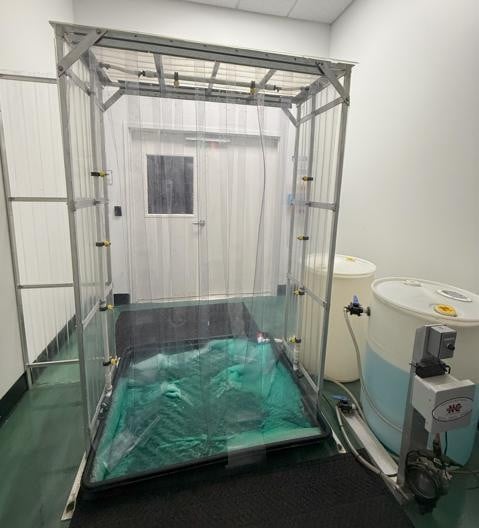
In CEA, critical control points for pathogen entry may include workers, entry and exit points, seeds, and materials, such as equipment/tools, substrates, and water. Targeted sanitation is needed for all these points. For instance, maintaining sanitized foot mats at entry points is a simple yet effective practice to reduce contamination risks, as demonstrated by a CEA facility in Georgia (Figure 7).
Deep sanitation between crop cycles is imperative. Batch clearing is recommended in high-turnover or continuous-production systems. When selecting a sanitizer product, remember that not all surfaces can be sanitized the same way, so careful selection and application are essential. These products may have reduced efficacy if proper procedures are not followed.
Adequate sanitation requires removing debris or residues from systems and surfaces, cleaning with soapy water or detergents, rinsing with clean water, and then applying a suitable sanitizer correctly. Regardless of the production schedule, sanitation must remain a top priority in any CEA program to minimize pathogen persistence.
Keep in mind that sanitation extends beyond systems and surfaces; worker hygiene is equally important. Building on this, sanitation in hydroponic systems is complex, as hydroponic roots are directly exposed and are far more sensitive to sanitizers, making it essential to carefully control concentration and contact time to avoid phytotoxicity.
Environmental Monitoring
As the third arm in the disease triangle, the environment plays a critical role in the establishment and spread of pathogens within the system. Environmental factors, if monitored and maintained, can help prevent disease by influencing plant health, stress responses, and pathogen development. Environmental parameters to monitor include EC, pH, RH, VPD, CO2, dissolved oxygen (DO), air and root-zone temperature, light intensity, and photoperiod.
Cultural Practices
Implementing good cultural practices is essential for disease prevention in CEA systems. These practices include implementing water-filtration strategies in recirculating systems to maintain water quality, selecting pathogen-free seed or disease-resistant plant varieties, and optimizing planting density.
Timely removal of dying or dead plant material and debris is critical for eliminating potential pathogen sources and reducing the risk of disease outbreaks. Additionally, providing proper airflow and ventilation can help prevent the high-humidity conditions most pathogens require.
Diagnosis
Once a disease becomes established in a CEA system, the first and most critical step toward effective pathogen management is accurately identifying the causal agent. Disease symptoms can often resemble those caused by nutritional deficiencies or abiotic stresses, making misdiagnosis a common and potentially costly problem. Looking for pathogen signs, which refer to the physical presence of the pathogen on the plant, can help prevent misdiagnoses. However, not all pathogens display visible signs. For example, in the case of gray mold, you may observe characteristic gray pinhead-like fungal structures on infected tissues. Another example is powdery mildew, which causes white, powdery, dusty-looking patches on the leaves.
To avoid unnecessary or ineffective interventions, growers must conduct thorough visual inspections and routinely monitor biotic and abiotic factors that influence plant health. Regular scouting is key to detecting early signs of infection, while maintaining detailed records of crop performance and environmental conditions over time can support accurate diagnosis by helping rule out abiotic causes.
When in doubt, growers are strongly encouraged to seek expert guidance. Consulting local county Extension agents or state plant diagnostic clinics can provide access to laboratory testing and professional diagnostics, ensuring management decisions are based on accurate, science-backed information.
Management
Most plant diseases, once established, are difficult to manage in CEA systems because of favorable conditions for pathogen spread and the design and nature of the production system. However, disease impact can be reduced through management approaches such as eradication and physical, chemical, or biological control methods.
Eradication
A critical management strategy is early detection followed by immediate eradication of symptomatic plants and, where appropriate, potentially neighboring asymptomatic plants. This is especially true for viral diseases, where eradication is often the only viable option to prevent further spread. For viral diseases, eradicating insect vectors is important; use labeled products or introduce beneficial predators to manage insect populations.
Physical, Chemical, and Biological Control Strategies
In recirculating systems, water treatment methods can help reduce pathogen inoculum levels—these include ultraviolet (UV) sterilization, ozonation, and chemical sanitizers, among others. It is often recommended to apply biofungicides containing beneficial microorganisms (e.g., Bacillus spp., Streptomyces spp., Pseudomonas spp., Trichoderma spp., or Gliocladium spp.) and biorational products (products typically nontoxic to humans and with few environmental side effects) such as potassium bicarbonate, sulfur-based formulations, and neem oil.
Biostimulants, such as mycorrhizal inoculants, are available and may enhance plant health and resilience. Depending on the product, these can be applied directly to the nutrient solution or substrate and may be used as seedling dips or foliar sprays. It is important to carefully evaluate these products to determine the most effective application method, timing, and frequency to achieve the best results. Growers should also confirm that the biological agents in these products are alive and can survive in the media (substrate, water, etc.) to which they are applied.
More research-based information is needed to better understand how to use these products effectively in different growing systems. Always follow label instructions and local regulations when using these products. When used as part of an integrated disease management program, these inputs can help suppress early infections and reduce disease pressure.
Arthropod Pest Management
CEA presents benefits and limitations to pest management. In general, CEA facilities offer better pest protection than outdoor crops through the physical exclusion of arthropods (insects and mites). However, CEA facilities are constructed to optimize plant growth, and these conditions typically favor pest population growth as well.
Two factors that facilitate pest spread and complicate their management are that crop diversity may be higher in CEA facilities (especially in floriculture production) than in field-grown crops, and crops are planted at higher densities because of space limitations. The increasing international trade of ornamental and vegetable crops has been a major source of pest pressure on the CEA industry, and we must develop sustainable ways to manage these pests that align with the major sustainability goals of controlled environment production.
An important point to emphasize is the use of the term “pest management” and not “pest eradication.” Rarely is pest eradication economically practical, sustainable, necessary, or even feasible. The goal of CEA growers, in both ornamental and food-crop production, should be to reduce target pest populations to levels below those that are economically damaging (Figure 8).
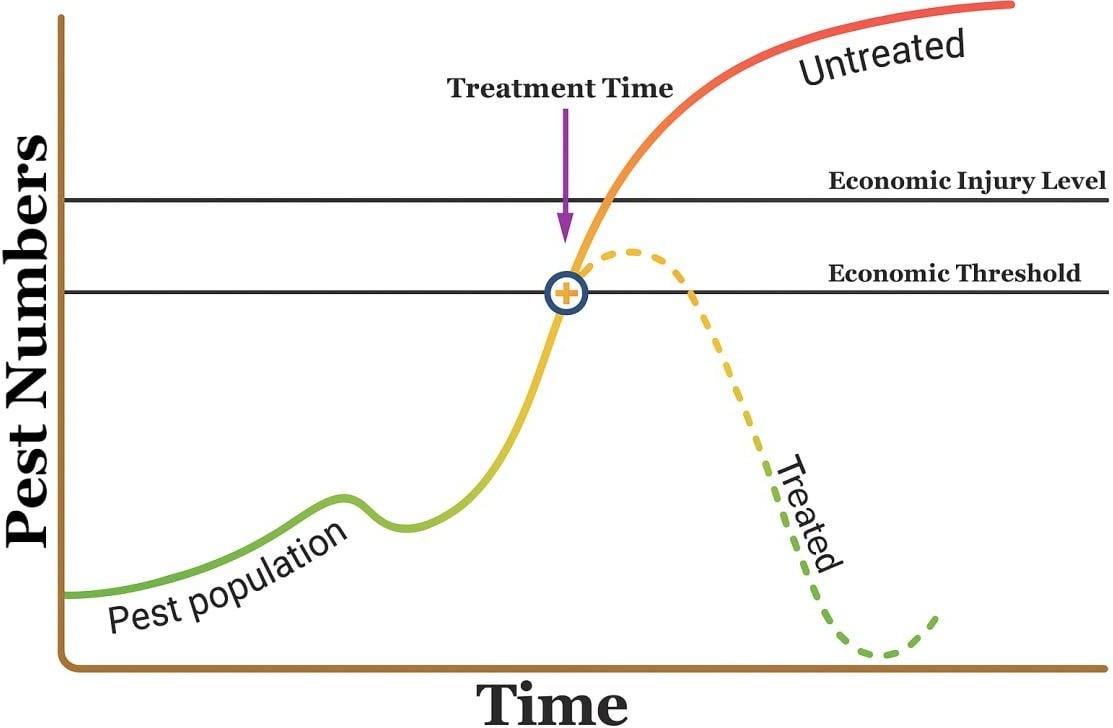
The economic injury level (EIL) refers to the number of pests that will cause yield losses equal to their management costs. Once the EIL is exceeded, the yield loss outweighs the cost of pest management. Preventative action should be taken at the economic threshold (ET)—the pest population density at which these actions prevent pest populations from reaching the EIL.
When we use EILs and ETs to decide whether to undertake pest-management actions, we find that pest eradication is often more costly and yields worse outcomes than pest population management. Unfortunately, establishing economic thresholds for pests is complex and requires a thorough understanding of the pest’s population dynamics in each crop. In large operations with high crop values, establishing economic thresholds is often worthwhile, but small growers may not always have the labor or time to calculate these values, and management is often achieved through some level of trial and error.
Management of arthropod pests in CEA typically utilizes an integrated approach that combines proactive and reactive tactics to reduce pesticide use while maintaining plant quality. These tactics fall into three broad categories—prevention, detection, and control—that often interact synergistically.
Pest Prevention: External and Internal
Preventing pests from entering or establishing within the production facility is the first line of defense and the most cost-effective way to manage pests. Pest prevention is primarily achieved, but not limited to, the following tactics:
Physical Barrier Installation
The structure’s physical barrier is a strong deterrent to pest entry. The strength of pest exclusion provided by CEA facilities varies by structure type: high tunnels offer the least protection, greenhouses intermediate protection, and indoor vertical farms the most protection.
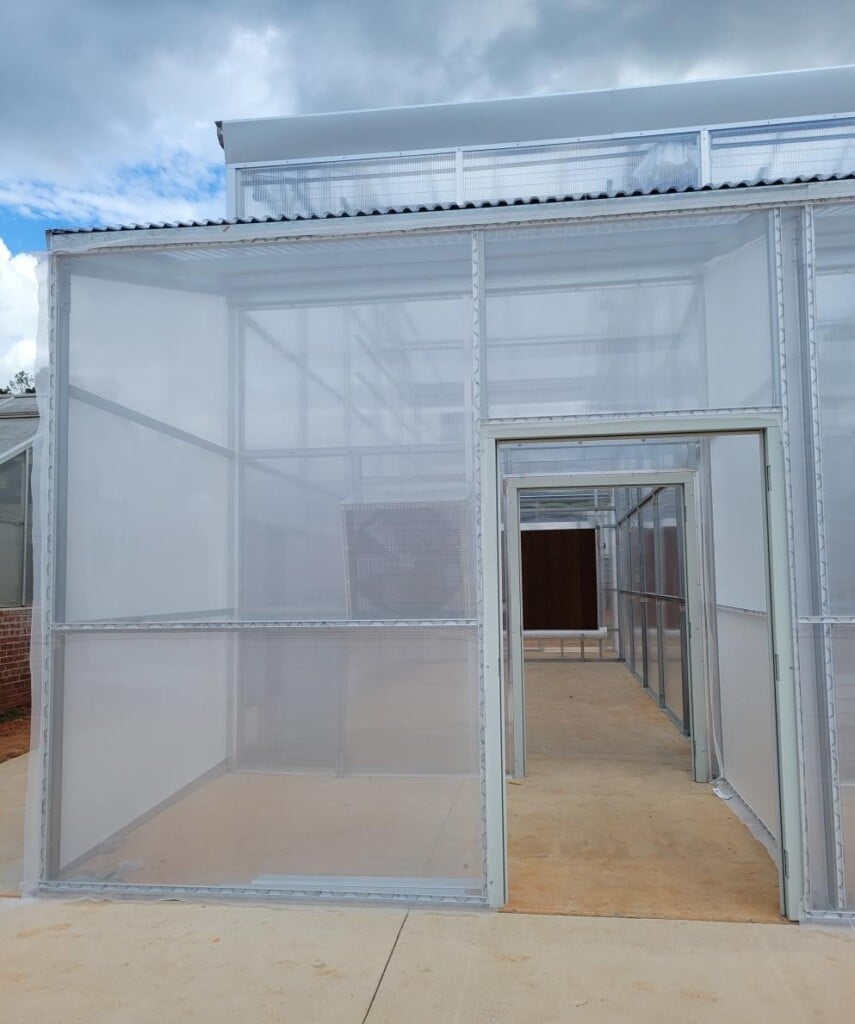
High tunnel and greenhouse pest-exclusion efficacy can be improved by adding insect screening to fan- and pad-type ventilation systems (if present) and to the sidewalls of high tunnels. The insect screen’s mesh size (typically around 150 mesh or 90 µm) is small enough to exclude most pests while still allowing sufficient ventilation. An airlock consisting of a screened room can also be installed over entrances to reduce pest entry (Figure 9).
Clean Plant Material
Ensuring plant material is clean is also critical for preventing pests from entering the production area and impacting the established crop. Clean plant material in this context means it is free of economically important and/or harmful plant viruses, pests, and other disease-causing organisms. Using clean substrate, seeds, and cuttings/transplants free of arthropods is an important tactic for reducing the likelihood of pest issues early in the crop cycle, reducing the need for additional management costs.
Creating isolation facilities to quarantine incoming plants and monitor for pest emergence or disease development before introducing them into the main crop can greatly reduce pest issues. Storing growing media indoors can help prevent outdoor pests from getting into the media before use. High tunnel producers can benefit from a commercial soil steamer that raises soil temperatures to 150–200 °F and helps eliminate weed seeds, pathogens, and plant-parasitic nematodes from the planting area.
Facility Sanitation
Crop cycles should ideally begin with a pest-free facility. There are many options available for sanitizing structures and equipment, including fumigants and sprays. Care must be taken when using products compatible with the surface being sterilized, as many products react negatively (e.g., chlorine sanitizers on metal surfaces).
Typical sanitary products include quaternary ammonium, peroxide, and sodium hypochlorite solutions, each with varying effectiveness and cost. Quaternary ammonium products typically have the broadest efficacy but are also the most expensive. Facility sanitation also involves physically removing organic material, such as algae, weeds, and crop residues, that can act as reservoirs for pathogens and pests.
Worker Sanitation
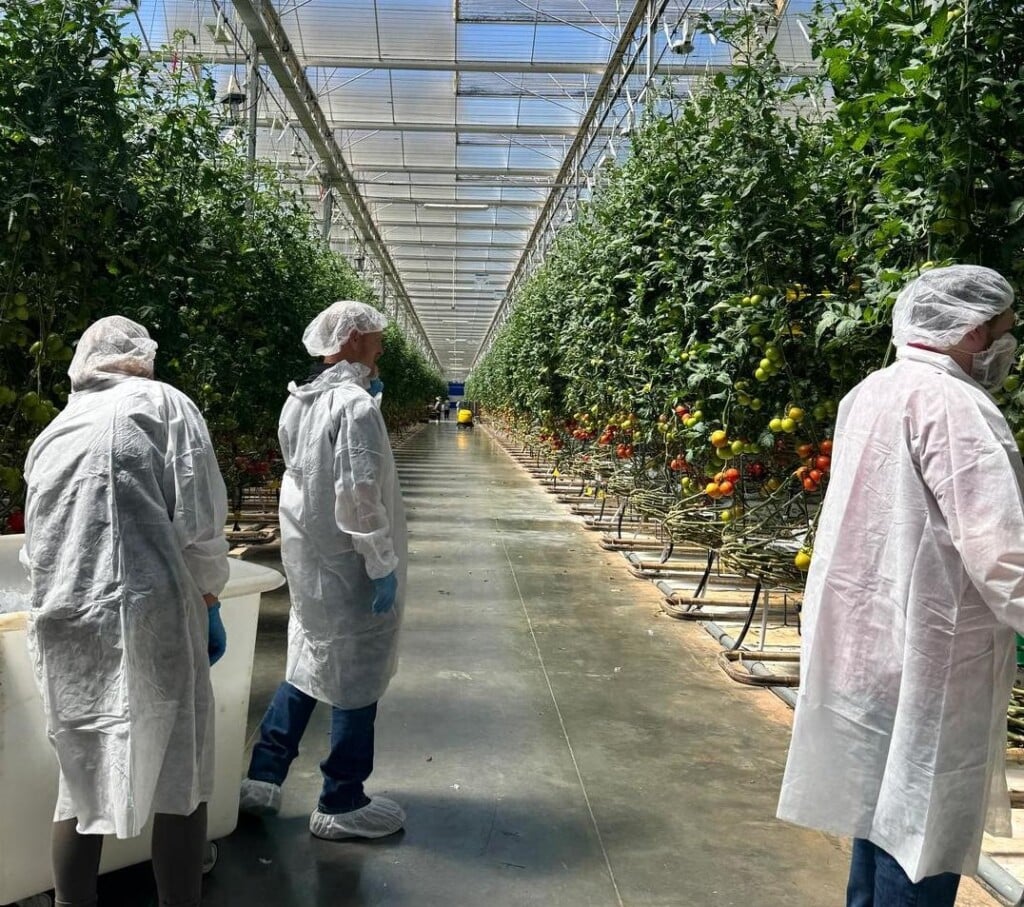
The pest-prevention effectiveness of the previously mentioned tactics is greatly diminished if workers do not implement sanitary practices. Insects will enter the production facility by hitching a ride on workers’ street clothing. This risk can be mitigated by installing shoe-wash stations at facility entrances and by requiring workers to wear disposable clothing over street clothes before entering the production area (Figure 10). Workers should also routinely sterilize pruning tools to prevent the spread of pests from plant to plant.
Agronomic Practices
Cultural control tactics that can reduce pests include crop timing (e.g., fallow periods), crop rotation with species that are less attractive to pests, intercropping, use of varieties resistant to pest feeding, and mulching. Resistant varieties repel, deter, or are unsuitable for certain pests, allowing plants to withstand feeding pressure with minimal impact on yield or quality. The caveat to using resistant varieties is that growers must know which pest issues they may face before buying seeds or propagative materials.
Another important agronomic practice is strategic planting dates, which are useful against pests with well-defined seasonal activity patterns. If susceptible crop planting can be delayed or eliminated from pest activity periods, this can greatly reduce the risk of infestations.
For example, some thrips populations in the southern U.S. peak in early summer (May–June), which also coincides with temperatures becoming unfavorable for tomato production. Many high tunnels and greenhouse growers push tomato production well into July to shorten the fallow period before the fall planting. This extended production period allows thrips populations to increase in facilities more than they would under a shortened summer production cycle, threatening a more productive fall crop.
Detection
To detect pest issues early—before they can inflict economic damage to the crop—growers must establish a monitoring system with sufficient scope and frequency. Crop monitoring for pest issues, also referred to as scouting, involves a mix of active crop inspections and passive surveillance. Scouting improves awareness of pest populations, their activity patterns, and the progression of infestations within the crop. These data are critical for establishing and implementing economic thresholds. Scouting also reduces pesticide use by eliminating unnecessary applications and ensuring that applications target the pest’s susceptible life stages.
Active scouting involves physically inspecting the crop, and success requires the ability to identify pest and disease issues. Having a thorough understanding of what “normal” looks like for a particular crop helps focus scouting on areas of the crop exhibiting issues.
It is worthwhile to train as many members of the workforce as possible in scouting methods to improve monitoring rates. Provide scouts with the proper equipment, including a 10x hand lens or magnifying headset, colored tape or flags, pest identification manuals, maps of the production facilities, and access to diagnostic equipment, such as dissecting microscopes.
During active scouting, workers should thoroughly inspect the entire plant, including roots, stems, flowers, and leaves, as different pests occupy different parts of the plant. Notes should be taken as to the species present, their dominant life stages, and their densities. To avoid spreading pests while scouting, workers should start in areas of the crop least prone to pest issues and end in the areas of highest risk, such as near external ventilation.
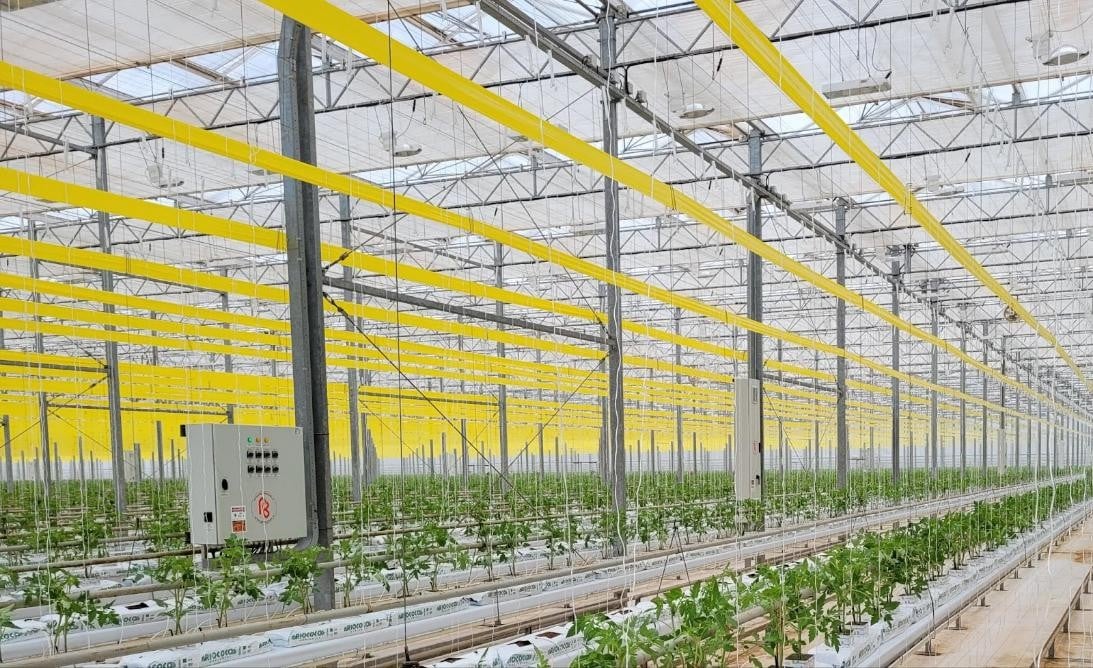
Passive scouting tactics involve using tools, such as sticky cards with attractive colors or pheromones. Yellow and blue are colors commonly used for sticky traps because they attract a variety of pests, including whiteflies, thrips, aphids, and fungus gnats. Depending on the crop, traps are hung just below or above the plant canopy to maximize catch. Place at least one trap per 1,000 ft2 of production area and examine at least once per week for pest presence.
Grid patterns printed on traps make it easier to estimate insect densities in the crop. In addition to monitoring, colored sticky traps (typically manufactured as banners) can be used as a mass-trapping strategy to reduce the population of adult flying pests (Figure 11).
Control
If prevention and detection management tactics fail to prevent pest issues, then control measures may be necessary to keep crop damage below economic thresholds. Control tactics fall under four main categories: cultural, mechanical/physical, biological, and chemical.
Cultural Controls
Cultural control tactics are agricultural practices that reduce pest incidence via direct or indirect effects on their populations; this means modifying the crop environment or growing habits that make the crop less favorable for pest survival and reproduction. CEA production makes implementing cultural control practices easier because producers can manipulate the production environment to a high degree and precisely control water and nutrient inputs to the crop.
Enhancing crop resistance is an important cultural control tactic. Plants that have what they need to grow and thrive can devote resources to the production of secondary metabolites that serve as defensive compounds against pest feeding, and proper irrigation and fertigation can provide those benefits. Planting crop varieties that tolerate or prevent pest damage also contributes to host resistance. Many examples of resistant crop varieties have been developed for field production, but CEA crops have received very little research in this area.
One cultural control tactic that has been adopted in CEA is the introduction of trap crops into the growing area. Trap crops are less valuable or sacrificial plants that are grown alongside a target crop to attract specific pests away from the main crop. In high tunnels, trap crops may be planted alongside the structure to draw pests away from the facility. In greenhouses, trap crops are typically placed along the perimeter, where they can be treated with targeted pesticide sprays or removed and destroyed.
Mechanical or Physical Controls
Some pests, such as leafminers, can be managed by mechanically pruning infected parts from plants and destroying them. Depending on the crop’s sturdiness, high-pressure water streams can also be effective against larger, sap-feeding insects, such as aphids and mealybugs, as their abrupt removal from the plant can damage their mouthparts and cause starvation.
While not widely used, pest vacuums are another strategy for physically removing pests from the crop. Exposure to extreme temperatures and UV can also be an effective way to kill pest populations. If possible, the environmental controls of facilities should be turned off during fallow periods and the internal temperatures allowed to reach extreme hot or cold conditions to kill any residual pests. These tactics are more common in high tunnels and greenhouses that tend to have seasonal crops, where the external environment has a significant influence on the internal climate.
Biological Controls
Biological control uses predators, parasitoids, and pathogens to reduce pest populations. These organisms are referred to as biological control agents or natural enemies when utilized for pest control. For structures like high tunnels, which are partially open to the environment, biological control may occur naturally as individuals enter the facilities from the surrounding environment.
In more enclosed CEA facilities, growers usually need to manually introduce biological control agents. Many of the most important biological agents for managing pests in CEA production are widely available from commercial suppliers. Biological control agents can serve as curative (resolving pest problems) and preventive (preventing pest problems) pest management tactics, although there are fewer opportunities for curative outcomes than for preventive release strategies.
Preventative releases, also called the “predator-in-first” approach, are an effective and cost-saving strategy for utilizing many biological control agents and can keep pest populations from reaching economically damaging levels. However, during periods of low pest densities, it may be necessary to provide supplemental food resources to biological control agents (particularly generalist predators). CEA facilities are semi-closed systems, and biological control agents may be unable to migrate to seek out additional food to sustain their populations, necessitating the repurchase and release of additional individuals.
Chemical Controls
Chemical control is the final and least-preferred measure to bring pest populations under economic thresholds. Pests have developed resistance to various compounds because of overuse, and fewer new products are being registered while existing products are being deregistered. These factors have increased the urgency of finding alternative controls that allow producers to limit their use of conventional pesticides.
Two strategies to manage pesticide resistance are:
- using the maximum labeled rates of products to prevent sublethal doses that allow resistant organisms to reproduce, and
- rotating among pesticides with different modes of action so that resistant individual pests cannot reproduce.
Pesticide modes of action are classified by the Insecticide Resistance Action Committee (IRAC) to help growers select products that kill pests in different ways and prevent resistance development. If not stated on the label, pesticide modes of action can be checked using IRAC’s online database.
Biopesticide products are more bio-friendly alternatives to conventional pesticides that also help prevent resistance development. A biopesticide is a pest-management agent derived from natural sources, such as bacteria, fungi, viruses, plants, animals, and minerals (e.g., sulfur, copper products, diatomaceous earth, and kaolin clay). Biopesticides fall into two major categories: microbial (fungi, bacteria, and nematodes) and biochemical (botanicals, toxins, and oils).
Generally, these products are not curative or stand-alone control measures but work well preventatively and can be part of an integrative solution with other tactics. The timing of applications is often a crucial consideration when using biopesticides. Products that are not organism-specific, such as oils, can harm pests and their natural enemies alike, but—once dry—are largely inert.
Current Advancement of Automation Technologies and Future Development
As efficiency is critical in CEA systems, every cubic inch of space and every process in the production line matters. At the same time, high-density growing space can make the system more susceptible to environmental changes, disease contamination, or pest spread. To remain efficient and competitive, many state-of-the-art CEA facilities now use automation technologies, including advanced imaging systems, sensors, and robotic systems, which reduce human error and labor requirements while improving yield, product predictability, and quality.
Growing Preparation
The production cycle begins with preparing the growing medium and other planting materials, a process that automation can make more uniform and efficient. Machines are available to break up bagged soilless substrate, mix it with water, and automatically fill growing trays.
Once the tray is filled, irrigation nozzles deliver nutrients and water at precise amounts to the tray. Current commercial machines for automated filling and seeding can fill more than 500 trays per hour with a success rate near 99%, greatly reducing seed waste and improving germination compared to manual planting. Although production lines equipped with a commercial seeder may significantly increase initial investment costs, the savings and enhanced quality often justify the investment in the long term.
Crop Growth Monitoring
Monitoring the health of a large number of plants is challenging—particularly when they are grown in a compact space, such as a greenhouse or a vertical farm. While it is impractical for growers to carry sensors and inspect all the plants one by one, automated imaging systems become a promising solution.
Recent advances in imaging and computer technologies have enabled us to collect high-resolution image datasets of our crops. These data are used to train computer models that work within growers’ software to estimate crop traits and identify crop stress symptoms from the images.
Commonly used cameras, such as smartphone cameras and professional digital single-lens reflex cameras, are well-suited for capturing high-resolution images used for estimating canopy size, biomass, plant height, branch number, leaf size, and detailed leaf tissue texture. They take photos by sensing the three base colors of light (red, green, and blue). Some advanced imaging systems, such as multispectral and hyperspectral cameras, can detect hundreds of colors and even invisible light, such as ultraviolet and infrared.
One advantage of deploying advanced imaging systems is that they can detect plant stress signals before the human eye can, thanks to their high sensitivity to a wide range of light. When plants have severe nutrient deficiencies, for example, concentrations of certain leaf pigments, such as chlorophyll and anthocyanin, will change in response to a limited nutrient supply. However, by the time these color changes become visible to humans, the resulting damage to yield or quality is often irreversible.
Early detection of such issues is critical, giving growers sufficient time to take corrective action. Recent studies have demonstrated that specialized image analysis algorithms can detect mineral nutrient deficiencies, drought stress, and stress caused by diseases or pest infestation with an accuracy of over 90%. With the increasing power of modern computers, these analytical systems can process image data up to 100 times faster than manual measurement, significantly increasing the efficiency and precision of crop monitoring.
Agricultural robotic systems often serve as platforms for carrying sensors and actuators that can assist with crop management, such as crop growth monitoring, disease detection, and weed management. Thermal cameras can pinpoint hot or cold spots within the growing area that may increase disease risk or cause leaf burn from excessive sunlight. These systems often require supporting infrastructure, such as rails, internal data networks, edge computing units, and power supplies.
A team of software and robotic engineers is needed to complete system setup and ensure long-term maintenance for continued use and improvement. Crop monitoring technologies continue to evolve alongside advances in imaging sensors, data analysis algorithms, and robotic control algorithms. Higher-resolution imaging systems and more intelligent data analysis algorithms will require improvements in computing and data storage systems.
Automated crop monitoring systems are becoming one of the essential technologies in controlled environment agriculture, focusing on providing early warning systems and actionable recommendations, ultimately to prevent yield losses and improve production efficiency.
Harvesting Systems
Harvesting remains one of the most labor-intensive stages of crop production, but automation technologies are providing solutions here as well. The integration of robotic and conveyor systems can reduce the time and effort required to move crops between production-line zones. For example, a robotic arm with a properly engineered grappler can lift and place the growing tray from the increasing bed or shelf onto a conveyor line for harvesting and packaging. Such automated platforms can reduce labor while improving stability and consistency.
Robotic arms outfitted with a mechanical cutter and camera will be able to harvest and handle individual leafy green plants. Several recent studies have reported success rates exceeding 90% for lettuce harvesting in hydroponic systems. Although some robotic harvesters may be slower than human pickers, robots can work continuously without fatigue and maintain food-safety standards by reducing direct handling. Control system optimization can eventually improve the harvesting speed in the long run.
The initial investment for a robotic harvester may range from $50,000 to $500,000—or even higher—depending on the size of the production line and any additional functionality. In large-scale facilities facing rising labor costs and uncertainties, the potential labor savings can yield returns on investment within just a few years.
Future of Automation in CEA
The next frontier for automated controlled environment agriculture facilities is the integration of a broader range of sensors, versatile robotic handlers, and software enabled with artificial intelligence (AI) to monitor both the environment and plant growth in real time. Data collected from sensors and advanced imaging devices can be combined into a comprehensive dataset about the facility, environment, and the crops. Software simulation models can be created using such a dataset to help optimize and predict yield.
High-throughput phenotyping uses advanced sensors and imaging to measure traits—such as plant height, leaf area, and disease symptoms—quickly and nondestructively. AI can analyze these data to predict growth, yield, and stress, and automatically recommend adjustments in lighting, irrigation, or nutritient applications.
This approach is moving CEA facilities closer to “self-driving farms” where most daily operations are automated with minimal human interaction. Over the past several decades, productivity in greenhouse-grown tomatoes and sweet peppers has more than doubled, thanks to technological advances in production systems. With AI-driven automation, similar leaps in efficiency and sustainability may be possible in the decades ahead.
Final Conclusions
Controlled environment agriculture production should not be viewed as a direct replacement for traditional field agriculture. Rather, it can be viewed as a complementary system that promotes agricultural diversification, enables varied land uses, and enables year-round cultivation of specialty crops, resulting in a more stable and sustainable food supply chain.
Additionally, controlled environment agricultural production is critical for addressing socioeconomic issues associated with food access—such as facilitating the supply of nutrient-dense, locally grown, and fresh produce in communities without proper supply chains or those lacking adequate soil or weather conditions to support traditional agricultural production.
As the CEA sector is growing, efforts are needed to enhance efficiency, sustainability, and economic viability. Advances in production techniques and technologies will continue to improve the sustainability of CEA production and lower entry costs, allowing us to reach the production capacities necessary to achieve these goals.
Improvements in CEA sustainability and profitability will require collaboration among multidisciplinary scientists, stakeholders, and policymakers to identify and address needs and eliminate barriers to the CEA industry. In the long term, CEA offers a promising approach to building resilient, climate-smart food systems capable of meeting future global demands.
For more information and assistance with controlled environment agriculture, please contact your local Extension office (extension.uga.edu; 1-800-ASK-UGA-1).
References
Bashir, A., Majeed, Y., & Zahid, A. (2025). Development of an end-effector for robotic harvesting of hydroponic lettuce. Journal of the ASABE, 68(4), 645–657. https://doi.org/10.13031/ja.16269
Bhattarai, K., Ogden, A.B., Pandey, S., Sandoya, G.V., Shi, A., Nankar, A.N., Jayakodi, M., Huo, H., Jiang, T., Tripodi, P. and Dardick, C. (2025). Improvement of crop production in controlled environment agriculture through breeding. Front. Plant Sci., 15, 1524601. https://doi.org/10.3389/fpls.2024.1524601
Dohlman, E., Maguire, K., Davis, W. V., Husby, M., Bovay, J., Weber, C., & Lee, Y. (2024). Trends, insights, and future prospects for production in controlled environment agriculture and agrivoltaics systems (Report No. EIB-264). U.S. Department of Agriculture, Economic Research Service. https://doi.org/10.32747/2024.8254671.ers
Ferrarezi, R. S., Worley, J. (2025a, November 4). Greenhouses: Heating, ventilation, and cooling (Publication No. B 792). University of Georgia Cooperative Extension. https://fieldreport.caes.uga.edu/publications/B792/
Ferrarezi, R. S., & Worley, J. (2025b, November 17). Hobby greenhouses (Publication No. B 910). University of Georgia Cooperative Extension. https://fieldreport.caes.uga.edu/publications/B910/
Gargaro, M., Murphy, R. J., & Harris, Z. M. (2023). Let-us investigate; A meta analysis of influencing factors on lettuce crop yields within controlled environment agriculture systems. Plants, 12(14), 2623. https://doi.org/10.3390/plants12142623
Johnson, A., & McCurley, V. (Eds.). (2025). Georgia pest management handbook—Commercial edition (Publication No. SB 28). University of Georgia Cooperative Extension. https://fieldreport.caes.uga.edu/publications/SB28/
Ma, Y., Hu, P., Li, X., Jin, X., Wang, H., & Zhang, C. (2023). Effects of harvesting grabbing type on grabbing force and leaf injury of lettuce. Sensors, 23(13), 6047. https://doi.org/10.3390/s23136047
National Agricultural Statistics Service. (2024, May). 2023 floriculture crops. U.S. Department of Agriculture. https://www.nass.usda.gov/Publications/Highlights/2024/2023-floriculture-highlights.pdf
Nicholson, C. F., Harbick, K. Gómez, M. I., & Mattson, N. S. (2020). An economic and environmental comparison of conventional and controlled environment agriculture (CEA) supply chains for leaf lettuce to US cities. In E. Aktas & M. Bourlakis (Eds.), Food supply chains in cities (pp. 33–68), Palgrave Macmillan, Cham. https://doi.org/10.1007/978-3-030-34065-0_2
Roche, J. R., Friggens, N. C., Kay, J. K., Fisher, M. W., Stafford, K. J., & Berry, D. P. (2009). Invited review: Body condition score and its association with dairy cow productivity, health, and welfare. Journal of Dairy Science, 92(12), 5769–5801. https://doi.org/10.3168/jds.2009-2431
Thomas, S. K., Conta, J. F., Severson, E. D., & Galbraith, J. M. (2016). Measuring saturated hydraulic conductivity in soil (Publication No. CNES-141). Virginia Cooperative Extension. https://vtechworks.lib.vt.edu/bitstream/handle/10919/75548/CSES-141.pdf
White, R., Burke, P., Westover, F., Scheiner, J., Lessl, J., Jackson, D., Itle, R., Cross, B., Watson, J., Hickey, C., & Lowder, S. (2023). Watson training system for bunch wine grapes (Publication No. B1522). University of Georgia Cooperative Extension. https://fieldreport.caes.uga.edu/publications/B1522/
Wiggans, G., & Nicolazzi, E. (2019, March). CDCB extends genomic evaluations to crossbreds. Council on Dairy Cattle Breeding. https://uscdcb.com/wp-content/uploads/2024/05/CDCB-Connection-Genomic-Evaluations-Crossbred-Animals-03_2019.pdf