

While many people are familiar with poisonous plants that cause dermatitis, such as poison ivy or poison oak, common ornamental plants in the landscape can also cause internal poisoning when ingested. Although most adults would not intentionally eat leaves or fruit from landscape plants, young children and pets sometimes do.
The purpose of this publication is to familiarize readers with common landscape plants known to have poisonous properties when ingested. This does not mean every listed plant is fatal. Some may be only mildly toxic and may cause stomachache or irritation of the mouth and throat. The severity of poisoning symptoms depends on many variables, including the age, weight, and health status of the person, the amount consumed, and the condition of the plant at the time it was eaten.
This publication is not intended to discourage planting these species, but to make readers aware of potential hazards in landscapes frequented by young children, pets, or vulnerable adults. Prevention is the best protection when it comes to toxic plant poisoning.
How Internal Poisons May Affect the Body
Internal poisons are a group of chemically different substances that, when ingested, may:
- act on the brain, causing narcotic reactions and other mental disturbances
- affect the spinal cord, resulting in paralysis and convulsions
- act as heart depressants or stimulants
- irritate the digestive tract and nervous system
Safety Tips to Help Prevent Plant Poisoning
- Know the names of all the plants in your landscape. If needed, take a piece of the plant to a nursery, florist, or your county Extension agent for identification.
- Label plants with their names so they can be identified quickly if one is eaten.
- Keep plants, seeds, and bulbs out of the reach and sight of children and pets.
- Do not eat wild plants or mushrooms, even if they are growing in your landscape. Cooking poisonous plants does not make them safe to eat.
- Keep weed and insect killers in a locked cabinet, out of the reach of children and pets. Never put them in drink bottles.
- Keep children and pets away from lawns newly sprayed with garden chemicals.
- Teach children never to put any part of a plant into their mouths.
What to Do in a Poison Emergency
In the event of a poison emergency, call the Georgia Poison Center 24 hours a day, 7 days a week.
- In metro Atlanta: 404-616-9000
- Outside metro Atlanta: 1-800-222-1222
- Teletype line for the deaf and hearing impaired: 404-616-9287
If a poisoning occurs and the person is having trouble breathing, seizures, or will not wake up, call `911` or your local emergency number immediately.
Be prepared to tell the attending physician:
- the name of the plant, if known, or a description, and save uneaten parts
- how long ago the plant was eaten
- how much and which parts of the plant were eaten
- the age of the individual
- the symptoms being shown
If hospitalization is required, take a portion of the suspect plant for positive identification.
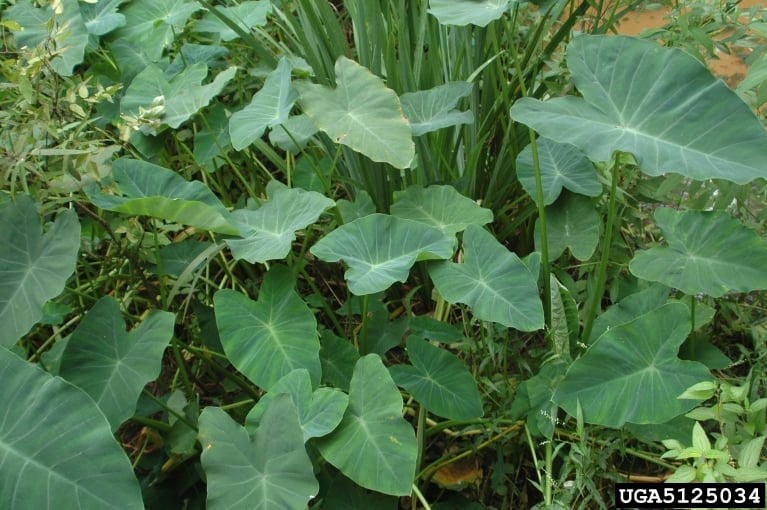
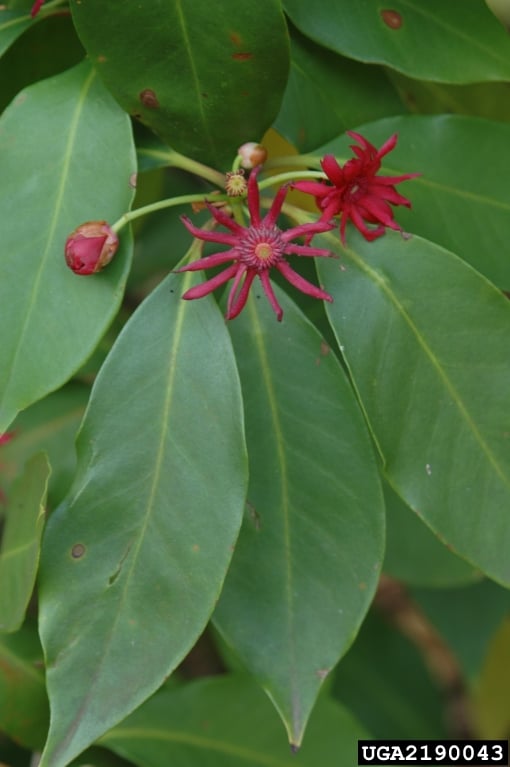
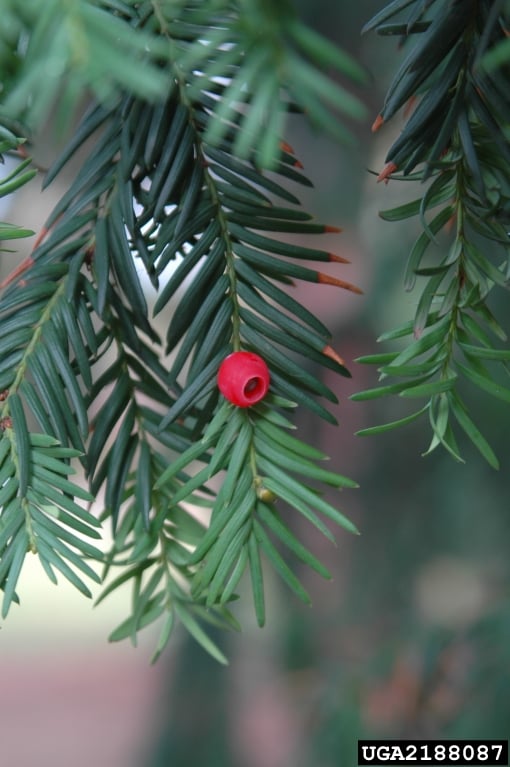
Common Ornamental Plants Reported to Be Toxic When Ingested
| Plant Name | Botanical Name | Toxic Plant Part | Symptoms |
|---|---|---|---|
| Air Potato | Dioscorea bulbifera | raw fruit | abdominal pain, nausea |
| Algerian Ivy** | Hedera canariensis | all parts | diarrhea, nervousness, labored respiration, convulsions |
| Allamanda | Allamanda spp. | all parts | nausea, high temperature, dryness of the mouth |
| Amaryllis | Amaryllis spp. | bulbs and seeds | gastrointestinal problems, vomiting, diarrhea |
| American Arborvitae** | Thuja occidentalis | leaves | low blood pressure, convulsions |
| Angel’s Trumpet** | Datura spp. | all parts | blurring of vision, delirium |
| Anisetree** | Illicium floridanum, Illicium anisatum | leaves | abdominal pain, vomiting, convulsions, death |
| Azalea | Rhododendron spp. | all parts | nausea, vomiting, weakness, dizziness, breathing difficulty, coma |
| Barberry | Berberis spp. | all parts | depressant action on the heart muscle |
| Black Locust | Robinia pseudoacacia | bark, seeds | nausea, weakness, depression |
| Boxwood | Buxus sempervirens | leaves | gastric, vomiting |
| Buckeye | Aesculus spp. | all parts | digestive irritant, nausea, vomiting |
| Caladium | Caladium bicolor | all parts | burning in mouth and throat, vomiting |
| Calla Lily | Zantedeschia spp. | all parts | burning and inflammation of the mouth and throat |
| Castor Bean | Ricinus communis | seeds | burning in mouth and throat, gastric and intestinal problems |
| Century Plant | Agave americana | leaves | vomiting, diarrhea |
| Cherry (all species) | Prunus spp. | leaves, bark, seeds | gasping, nervous disorder |
| Clematis | Clematis spp. | all parts | gastrointestinal irritation |
| Crinum Lily | Crinum spp. | bulb | vomiting, diarrhea |
| Delphinium** | Delphinium spp. | all parts | digestive upset, nervous excitement or depression |
| Elderberry | Sambucus canadensis | root, bark, stem, leaves | Has caused nausea and vomiting in children who have used stems as toys. Raw berries may cause nausea. Fruit commonly made into pies, jelly and wine; it is not harmful when cooked. |
| Elephant Ear** | Colocasia esculenta | all parts | intense burning and irritation of the tongue |
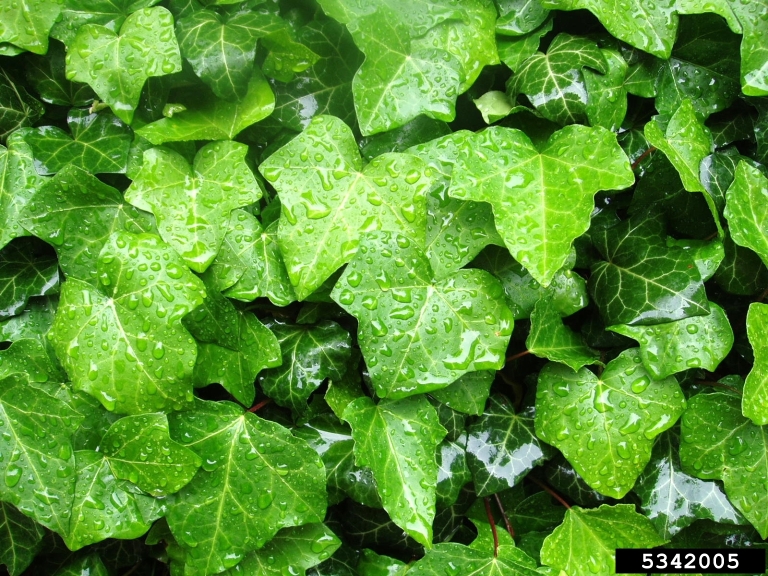
| English Ivy** | Hedera helix | leaves, stems, fruits | headache, fever, anxiety, breathing difficulty, coma |
| Eucalyptus** | Eucalyptus spp. | leaves | nausea, vomiting, diarrhea, weakness, respiratory difficulty |
| False Indigo** | Baptisia spp. | all parts | paralysis |
| Firethorn | Pyracantha spp. | berries | stomach ache, blistering of tongue, vomiting |
| Four O’Clock | Mirabilis jalapa | root, seeds | vomiting, diarrhea, abdominal pain |
| Ginkgo (female) | Ginkgo biloba | fruit | violent stomach pain, kidney disorders |
| Gloriosa Lily | Gloriosa superba | all parts | numbness of lips, tongue and throat, nervous system paralysis |
| Holly | Ilex spp. | berries | vomiting, diarrhea |
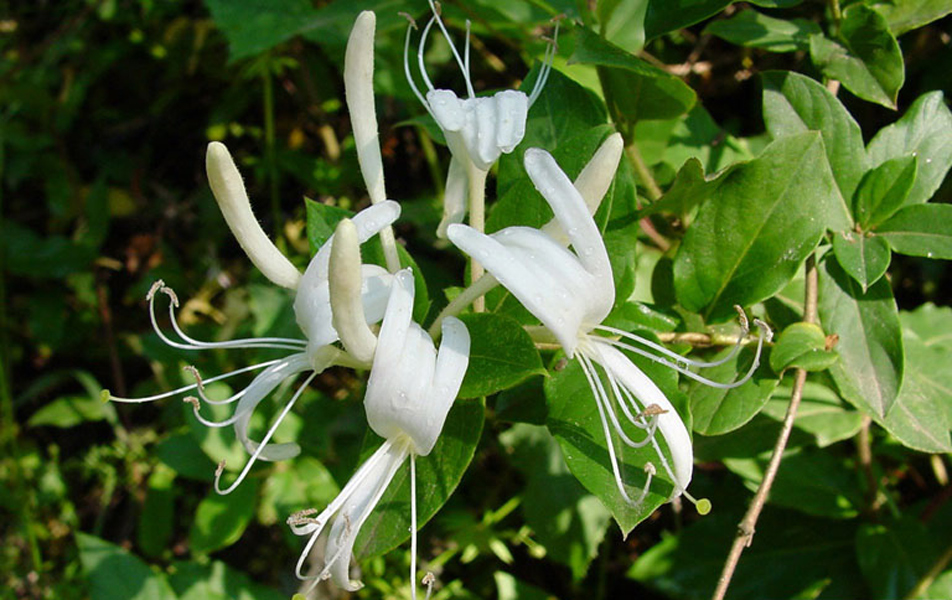
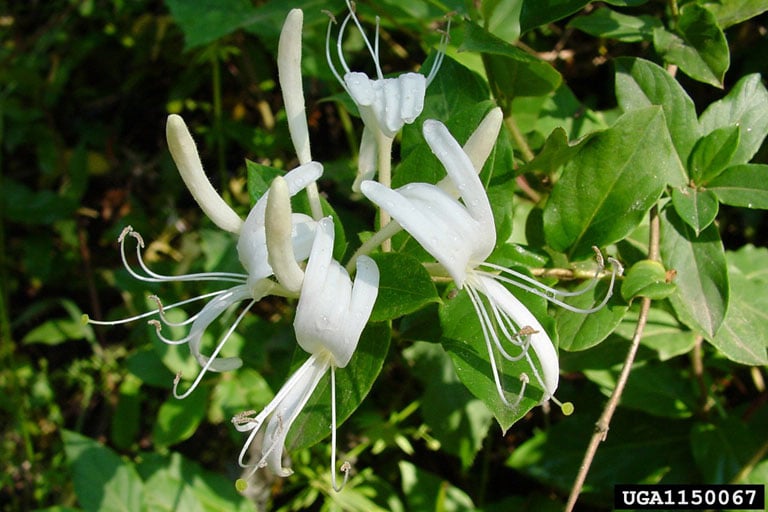
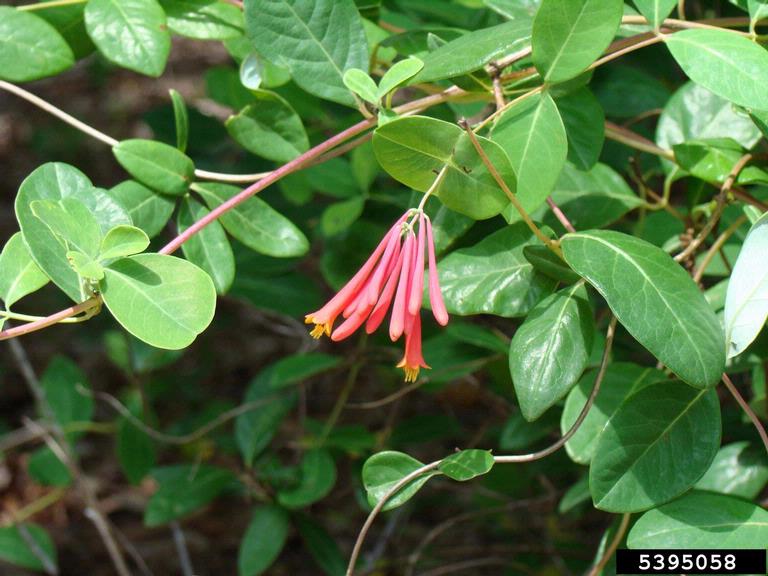
| Honeysuckle, Japanese and Trumpet** | Lonicera japonica, Lonicera sempervirens | all parts | diarrhea, pupil dilation, irregular heartbeat, respiratory failure, coma |
| Hydrangea, Oakleaf; Hydrangea, Bigleaf; Hydrangea, Smooth | Hydrangea quercifolia, Hydrangea macrophylla, Hydrangea arborescens | leaves, bark | gastric, intestinal, convulsions |
| Impatiens, balsam | Impatiens spp. | stem, leaves, root | vomiting, diarrhea |
| Iris | Iris spp. | underground stems | severe digestive tract discomfort |
| Jack-in-the-Pulpit | Arisaema spp. | all parts | mouth and throat irritation, vomiting |
| Juniper | Juniperus spp. | berry-like seeds | kidney damage |
| Lantana** | Lantana spp. | fruit | gastric, vomiting, diarrhea, circulatory collapse |
| Lily-of-the-Valley | Convallaria majalis | all parts | nausea, vomiting, diarrhea, irregular heartbeat and pulse, mental confusion |
| Lilies** (Rain Lily, Atamasco Lily, Easter Lily) | Zephyranthes spp. | all parts | dizziness, stomach pain, collapse, fatal to livestock |
| Mahonia | Mahonia spp. | all parts | depressant action on the heart muscle |
| Mimosa | Albizia spp. | all parts | intestinal irritation |
| Morning Glory | Ipomoea spp. | seeds, root | hallucinations, vomiting, diarrhea, muscle tightness |
| Mountain Laurel** | Kalmia latifolia | leaves, twigs, flowers | gastric, paralysis, convulsions |
| Oleander** | Nerium oleander L. | all parts | Dizziness, irregular heart beat, nausea, convulsions, death. This is one of the most toxic ornamental plants in the Southeast. |
| Ornamental Tobacco** | Nicotiana spp. | all parts | weakness, diarrhea, abdominal pain, paralysis |
| Periwinkle (vine) | Vinca minor | all parts | intestinal irritation |
| Periwinkle (annual) | Catharanthus roseus | all parts | hallucinations, damage to liver, kidney, nervous system |
| Plumbago | Plumbago spp. | leaves, stems | stomach pain |
| Privet | Ligustrum spp. | fruit | nausea, headache, abdominal pain, vomiting, diarrhea, low blood pressure |
| Sago Palm | Cycas revoluta | seeds, roots, trunk pith | headache, vomiting, stomach disorders |
| Sweet shrub | Calycanthus floridus | seeds | affects central nervous system, spasms, increased heart rate |
| Trumpet Creeper (Chalice Vine) | Campsis radicans | all parts except fruit | gastric irritation, dilated pupils, numbness in hands |
| Virginia Creeper (Woodbine) | Parthenocissus quinquefolia | berries, leaves | nausea, bloody vomiting, abdominal pain, kidney damage, headache |
| Wisteria | Wisteria spp. | pods, seeds | stomach pain, diarrhea, nausea, vomiting |
| Yew** | Taxus spp. | berries, foliage | foliage more toxic than berries, death can be sudden without symptoms |
| ** reported to be fatal when consumed in quantity. | |||
The publication notes that some plants in the list have been reported as fatal when consumed in quantity.
References
Aggie Horticulture. (n.d.). Poisonous plants resources. Texas A&M AgriLife Extension. https://aggie-horticulture.tamu.edu/earthkind/landscape/poisonous-plants-resources/
Bradley, L. (2025, October 6). Gardening: Poisonous. NC Cooperative Extension. https://gardening.ces.ncsu.edu/gardening-plants/poisonous/
Georgia Poison Center. (n.d.). Poisonous plants. https://www.georgiapoisoncenter.org/poisons/poison-hazards/poisonous-plants/
Perkins, K. D., & Payne, W. W. (1970). Guide to the poisonous and irritant plants of Florida (Circular 441). University of Florida Extension. https://ufdc.ufl.edu/uf00000155/00001
Westbrooks, R. G., & Preacher, J. W. (1986). Poisonous plants of eastern North America. University of South Carolina Press.