-
 Shoot thinning is the first seasonal canopy management practice in wine grape vineyards, but shoot thinning is not implemented in muscadine vineyards. Failure to shoot thin results in a highly congested canopy characterized by reduced air flow, high humidity, and extended damp periods. Muscadines can generally tolerate such conditions without…
|
-
 The southern chinch bug, Blissus insularis Barber, is a serious insect pest of turfgrass, especially St. Augustinegrass, in Georgia. Bermudagrass, centipedegrass, and zoysiagrass are also attacked by southern chinch bug. They feed on grass using their piercing and sucking mouthparts. Affected turfgrass can form yellow to brown patches that are…
|
-
 This bulletin is intended to provide to provide both veteran and new growers an overview of commercially popular pruning strategies and a greater depth of understanding of the theory behind pruning method practice. Dormant pruning is an important vineyard management decision as it sets the crop level and canopy density…
|
-
 Some of the most widely adopted precision agriculture technologies include guidance systems that utilize a Global Positioning System (GPS). Although these technologies are most commonly utilized in row-crop agricultural systems, they also have many potential benefits in forage-based production systems. With so many different options to choose from, it can…
|
-

Whiteflies are a concern for Georgia’s vegetable industry, both as a direct pest and a vector for viruses. This brief video discusses at risk crops, shows plant damage, and describes what conditions increase the likelihood of whitefly damage.
|
-

This brief video shows examples of damage on vegetables caused by diamondback moths and pepper weevils. It discusses some of the challenges associated with the control of these pests in Georgia.
|
-
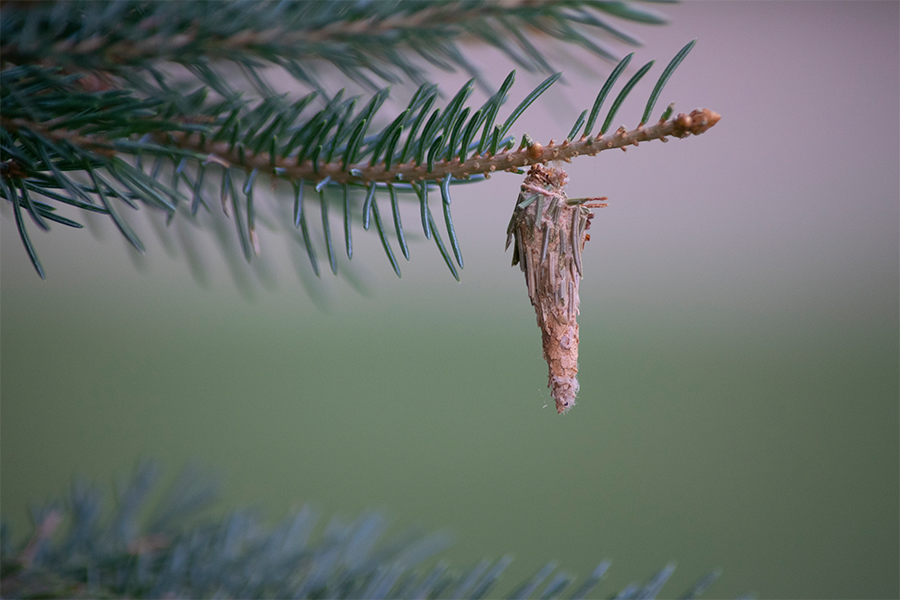
C 1237
Bagworms in Urban Landscapes
An introduction to bagworms, along with their biology, how they damage landscapes, and management options.
|
-
 Georgia pecan orchards are often found growing adjacent to fields of annual row crops, timber, and pastures. As a result, the tree canopies of these orchards are susceptible to injury from herbicide drift from the adjacent operations when herbicide applications are made under conditions unsuitable for spraying. Drift may also…
|