Agribusiness Resources
-

AP 130-4-08
2026 Dairy Outlook
The key points for 2026 are: The outlook faces headwinds on increasing production that appears to be outpacing demand; potential improvements on the supply and demand balance may occur later in the year; and opportunities from new local processing could support Georgia producers this year.
|
-
AP 130-4-09
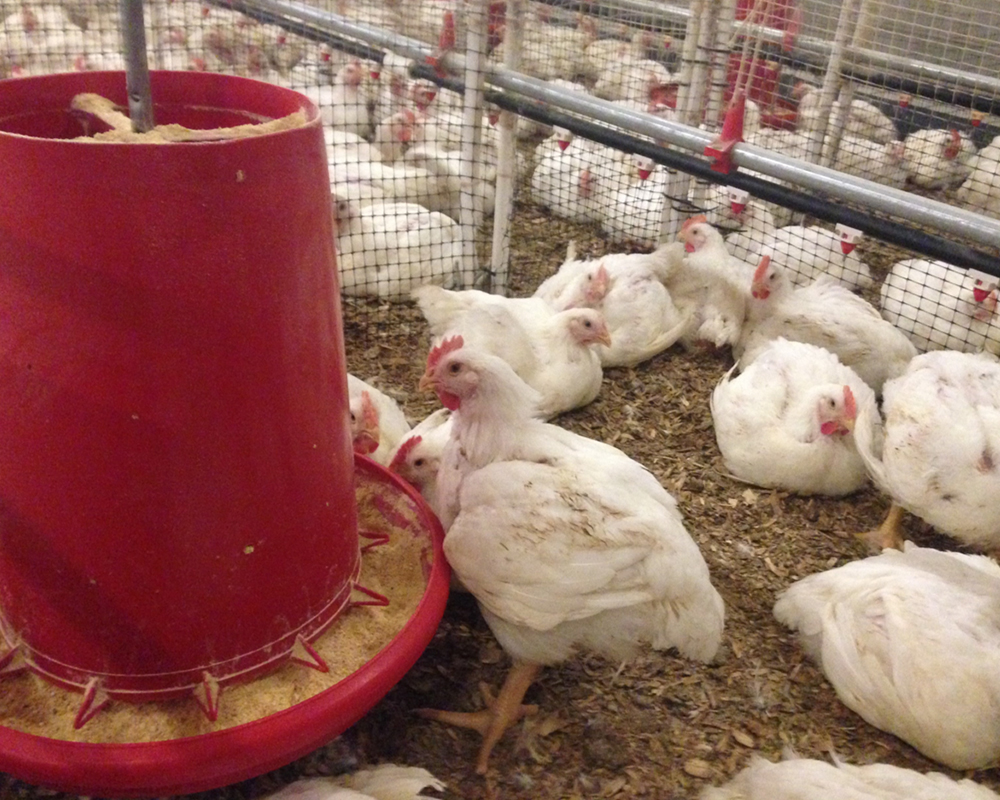
2026 Georgia Broiler Industry Forecast
The key points for 2026 are: The year ahead is likely to become one of stable, incremental growth; after a strong start to 2025, significant production growth weighed on prices in the latter half; and in 2026, supply and demand will likely find a better balance with indications of relatively stable prices.
|
-

AP 130-4-10
2026 Fruits and Tree Nuts Outlook
The key points for 2026 are: Blueberries will continue to lead the Georgia fruits and tree nuts industry in 2026 and subsequent years; it will be challenging for the Georgia pecan industry to regain its leadership position in the fruits and nuts category, but the industry will remain strong in 2026; consumer and grower price indexes will remain strong in 2026.
|
-
AP 130-4-11
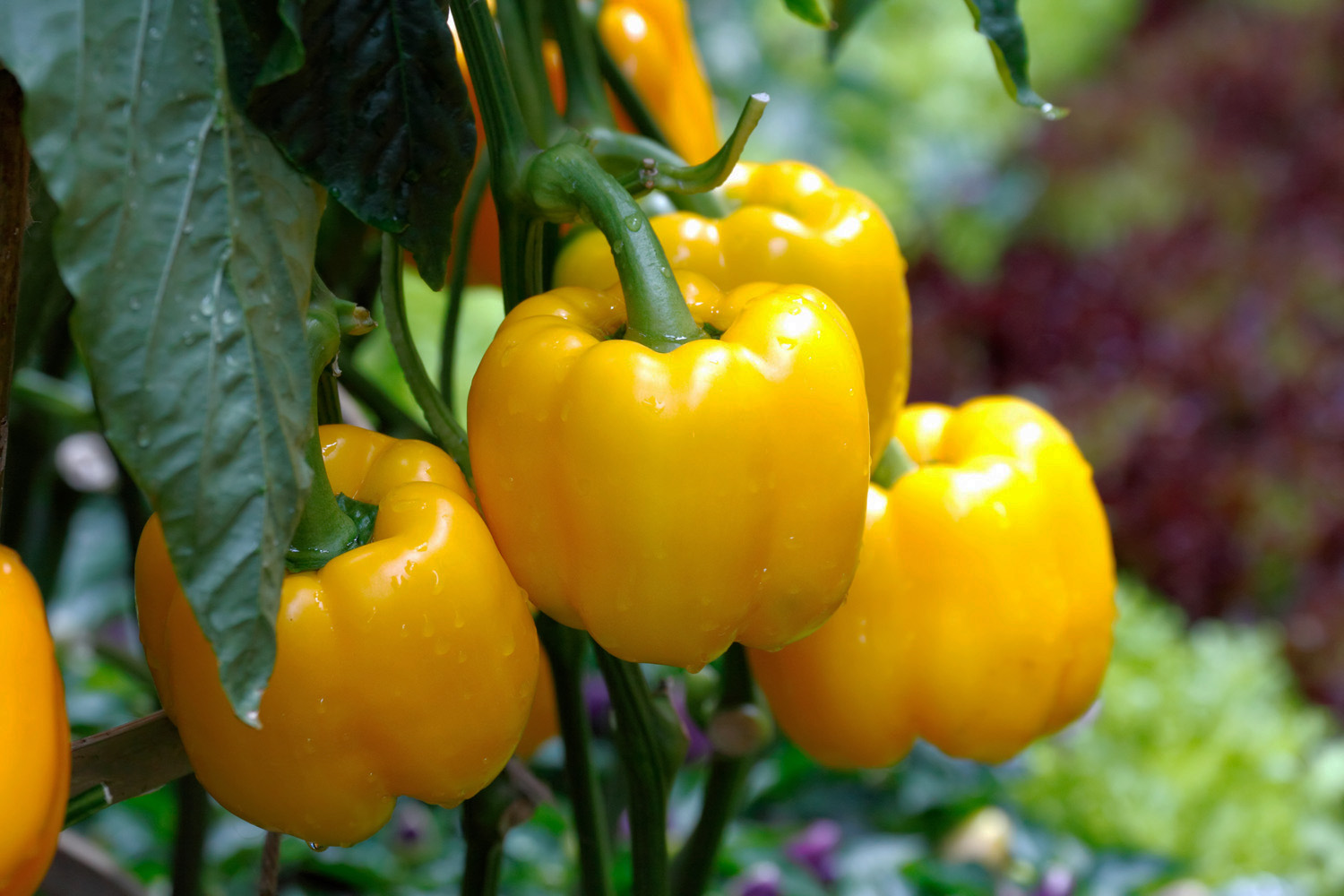
2026 Vegetables and Pulses Outlook
The key points for 2026 are: Total vegetable harvested area will continue to decrease in 2026, but the value will continue to grow because of the increase in yields caused by good agricultural practices, research, and extension support to growers; vegetable prices will continue to be noisy, but the consumer price index will remain strong in 2026; and although per capita consumption of vegetables took a hit, probably the lowest in the past decade, consumption is expected to bounce back in 2026.
|
-

AP 130-4-12
2026 Green Industry Outlook
The key points for 2026 are: 2025 was a good year for many green industry firms as there was strong demand in many parts of the state; there are many unknowns going into 2026 that will impact green industry sales: mixed signals within the economy, increased input costs, and in particular the varying strength of the housing market in Georgia will play a major role; green industry demand is expected to slow, with prices expected to decrease to offset the decreased demand, which will result in decreased sales in 2026 compared to 2025.
|
-

Looking forward to 2026, agritourism continues to grow across Georgia, providing economic and cultural benefits to rural communities. In 2024, visitor spending reached $36.8 billion, a 3.8% increase that signals a steady recovery. Rural lodging grew by 1.1% in 2024, while urban demand softened by 0.7%, reflecting shifting traveler preferences. Coastal Georgia led the state with occupancy above 63% and ADR exceeding $155, while South Georgia lagged. Modest growth is expected in 2026— the FIFA World Cup will boost travel and rural tourism is expected to remain strong.
|
-

AP 130-4-15
2026 Georgia Agritourism Outlook
In 2026 and beyond, agritourism represents a growing opportunity for Georgia’s agricultural sector, combining farm operations with tourism experiences to diversify income streams and strengthen rural economies. Operators are optimistic about the future, with 75% expecting increased visitation and profitability over the next 5 years. Visitors prioritize facility cleanliness, safety, restrooms, and knowledgeable and friendly staff when deciding to participate in agritourism activities.
For agritourism operators, the primary barriers limiting growth are access to financial capital, regulatory uncertainty, and inadequate infrastructure. UGA Extension can enhance Georgia’s agritourism sector by supporting operators in financial planning, marketing, technical training, liability protection, and navigating relevant policies. The 2026 FIFA World Cup in Atlanta presents a strategic opportunity to showcase Georgia’s agricultural heritage to national and global audiences by collaborating with destination marketing organizations, universities, UGA Extension, and local communities to create memorable visitor experiences that will provide significant growth opportunities for the Georgia agritourism sector.
|
-

The main takeaways for direct-to-consumer sales in Georgia include: Freshness, safety, and sustainability are the most powerful perceived advantages of locally grown products; younger buyers respond strongly to environmental and ethical messaging, while older buyers remain focused on more functional attributes, such as freshness and reliability; marketing messages should emphasize freshness, sustainability, local economic impact, and community connection to leverage positive perceptions of farmers markets; demographics such as age and income influence the frequency of purchase and willingness to pay for local food products at farmers markets; and the major trends influencing buyers in 2026 are expected to be hyperlocal and regenerative sourcing, smart labeling or multi-labeling, highlighting the functional benefits of fresh produce, digital engagement using personalized marketing and artificial intelligence, engaging younger generations, and waste-reduction education.
|
-

Linda Wang, National Timber Tax Specialist, Forest Service
Specific Federal income tax laws and rules apply to timber-related income and expenses. The tax tips provided in this bulletin are intended to assist timber owners, foresters, or loggers and their tax preparers in filing their 2017 tax returns. This material is for informational purposes only and is not intended to provide tax, legal, or accounting advice. Please consult your own tax, legal, and accounting advisors before engaging in any transaction. The information is current as of September 30, 2017.|