Agribusiness Resources
-

AP 130-4-15
2026 Georgia Agritourism Outlook
In 2026 and beyond, agritourism represents a growing opportunity for Georgia’s agricultural sector, combining farm operations with tourism experiences to diversify income streams and strengthen rural economies. Operators are optimistic about the future, with 75% expecting increased visitation and profitability over the next 5 years. Visitors prioritize facility cleanliness, safety, restrooms, and knowledgeable and friendly staff when deciding to participate in agritourism activities.
For agritourism operators, the primary barriers limiting growth are access to financial capital, regulatory uncertainty, and inadequate infrastructure. UGA Extension can enhance Georgia’s agritourism sector by supporting operators in financial planning, marketing, technical training, liability protection, and navigating relevant policies. The 2026 FIFA World Cup in Atlanta presents a strategic opportunity to showcase Georgia’s agricultural heritage to national and global audiences by collaborating with destination marketing organizations, universities, UGA Extension, and local communities to create memorable visitor experiences that will provide significant growth opportunities for the Georgia agritourism sector.
|
-

The main takeaways for direct-to-consumer sales in Georgia include: Freshness, safety, and sustainability are the most powerful perceived advantages of locally grown products; younger buyers respond strongly to environmental and ethical messaging, while older buyers remain focused on more functional attributes, such as freshness and reliability; marketing messages should emphasize freshness, sustainability, local economic impact, and community connection to leverage positive perceptions of farmers markets; demographics such as age and income influence the frequency of purchase and willingness to pay for local food products at farmers markets; and the major trends influencing buyers in 2026 are expected to be hyperlocal and regenerative sourcing, smart labeling or multi-labeling, highlighting the functional benefits of fresh produce, digital engagement using personalized marketing and artificial intelligence, engaging younger generations, and waste-reduction education.
|
-

This publication describes forest farming (also known as forest gardening), which can be defined as cultivation of plants under a forest canopy. It includes suggestions for appropriate plants for cultivation in the Southeast.
|
-

B 1580
Poinsettia Production
Poinsettia is an important ornamental crop and holiday flower. This publication provides in-depth information on poinsettia production and helps growers with plant production planning and management. It also covers poinsettia history, economics, and details the management of growing media, irrigation, and pests.
|
-
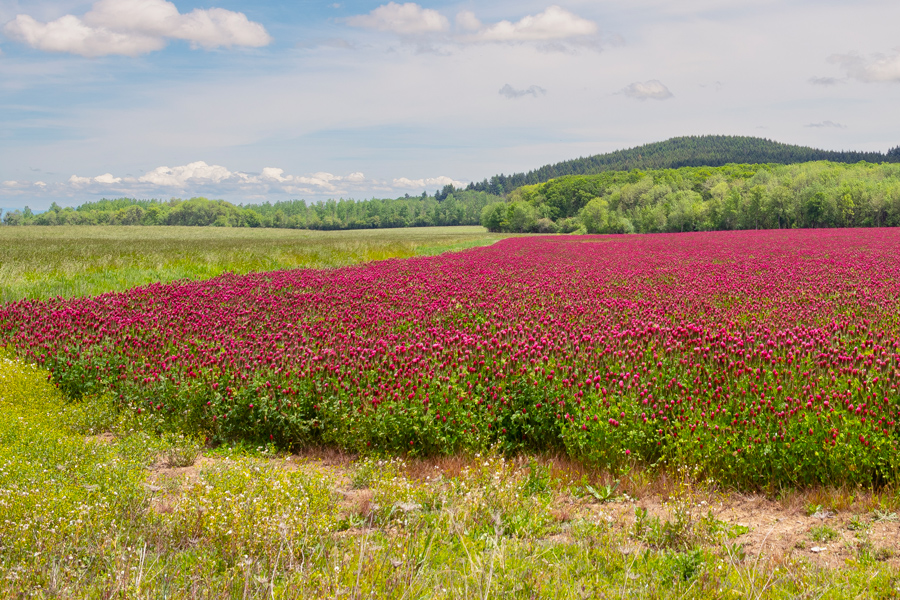
There are many ways to define what it means to be sustainable. There is increased demand for agricultural production transparency to ensure that food and fiber products are being produced sustainably. To this end, Field to Market: Alliance for Sustainable Agriculture has developed the Fieldprint Calculator through the Fieldprint Platform to help farmers of major commodity crops measure their on-farm sustainability by entering in their yearly management practices. This Extension publication defines sustainability, describes the use of the Fieldprint Calculator, and explains how growers can use this program to measure sustainable progress made on their farms. This publication was produced in collaboration with the University of Tennessee and Field to Market.
|
-
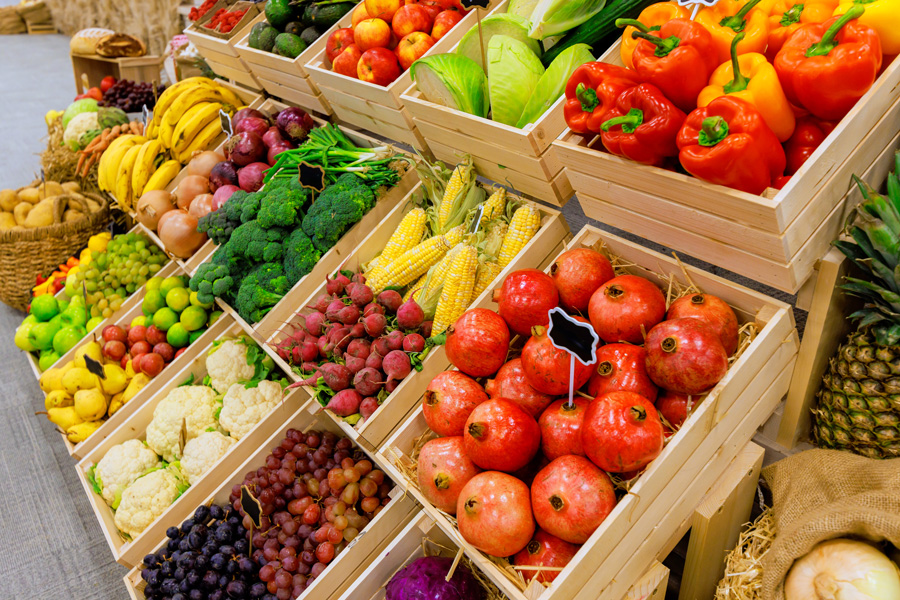
In Georgia, there are many small-scale producers that largely use ecological production practices, such as Certified Organic, and sell in farmers markets or other direct marketing channels. As these direct markets begin to saturate, these producers may need to forge a path beyond direct markets to wholesale or institutional markets that want sustainable products. Food hubs may offer a path for these small farms to scale up. There are three overlapping forms of food hubs in Georgia. Each has different markets and thus different requirements for the producers who sell to them. This publication discusses the types of food hubs in Georgia and gives producers guidelines on which form of food hub may work best for them.
|
-
AP 130-3-14
Direct-to-Consumer Sales
1. We expect a growing importance of direct-to-consumer (DTC or D2C) sales in Georgia’s agricultural economy. The share of farms involved in DTC sales over time will remain steady, and there will be an increase in DTC sales as a share of total farm sales.
2. The dominance of large-scale operations will drive sales value.
3. Farmers markets will gain traction, either in-person or online, supported by nonprofit organizations or Extension services.
4. Consumer-supported agriculture (CSA) operations have faced some challenges in Georgia, including declining sales and fewer returning customers.
5. Online sales via platforms like Barn2Door are getting popular among farmers and shoppers surfing on convenience.
6. State branding remains key in increasing awareness and visibility of Georgia Grown agricultural and food products.|
-
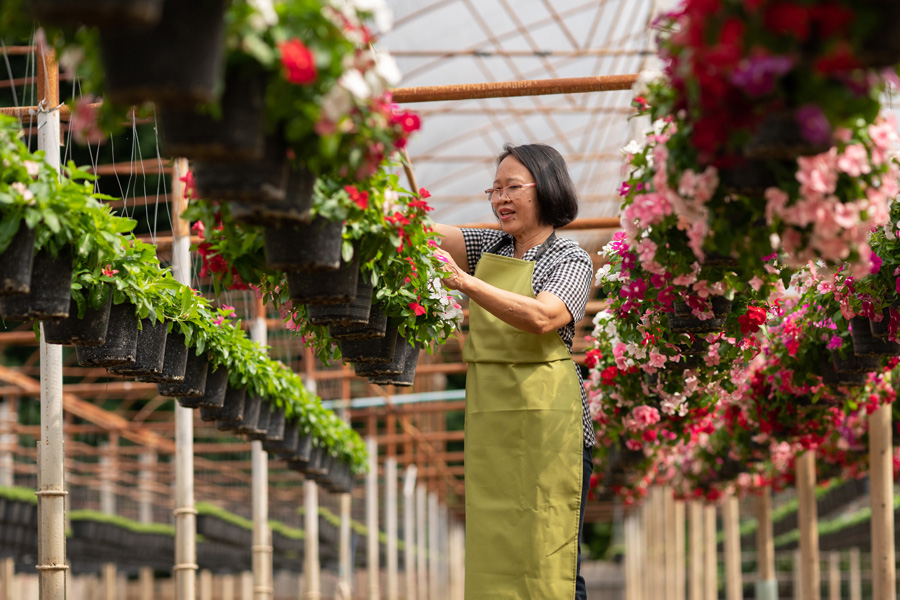
The idea of producing your own food in a clean, controlled environment is very appealing. While dreams may be big, careful research and planning should be done prior to jumping into any farm venture. Important items such as desire, capital, feasibility, labor, demographics, and marketing all need to be considered.
|
-
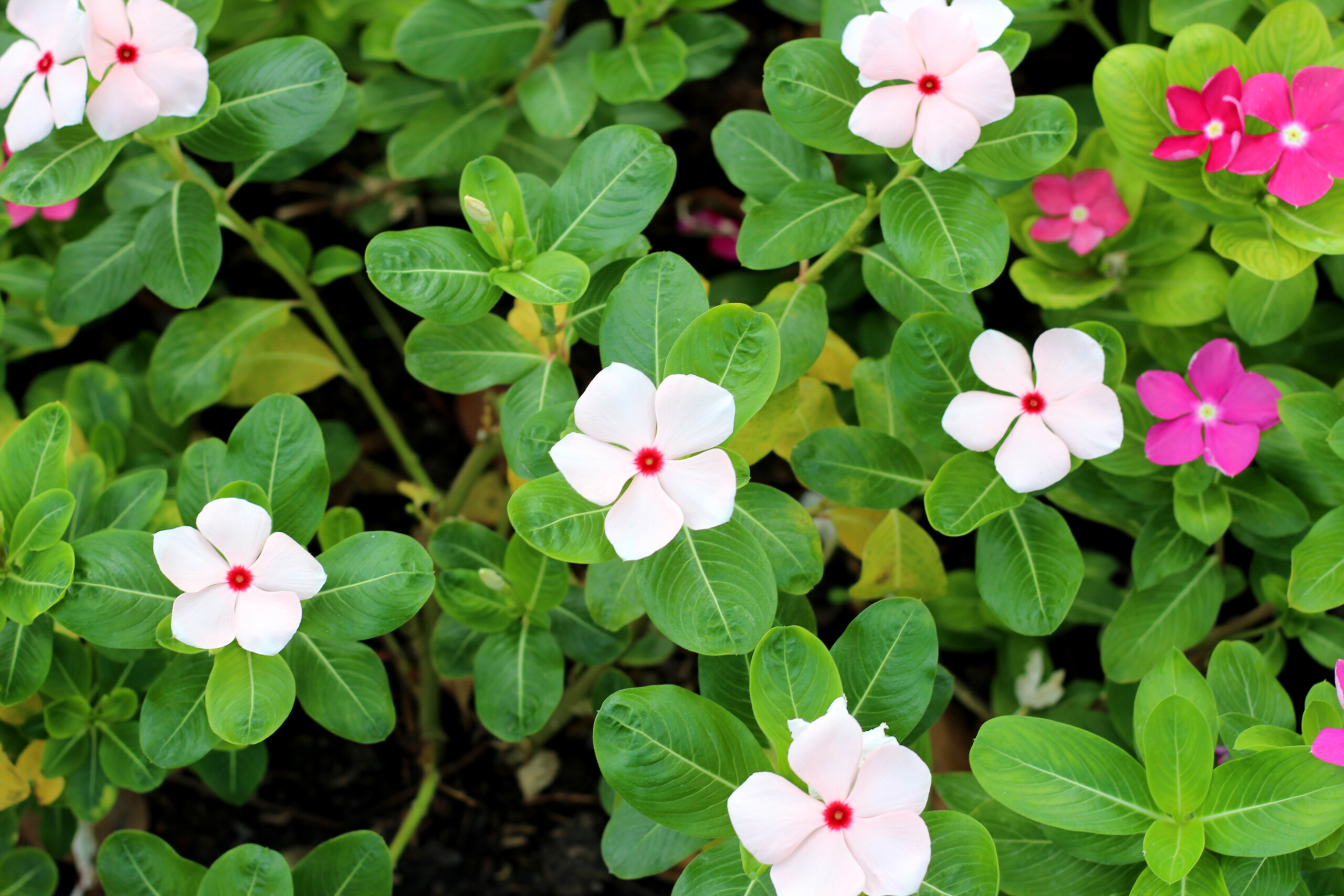
Vinca is a specialty ornamental crop with very distinct requirements. This bulletin will address those requirements and cover a typical production schedule and crop budget.
|