Agribusiness Resources
-

Linda Wang, National Timber Tax Specialist, USDA Forest Service
Timber or landscape trees destroyed by the hurricane, fire, earthquake, ice, hail, tornado, and other storms are “casualty losses” that may allow the property owners to take a deduction on their federal income tax returns. The key for most cases is to figure out the “adjusted basis” of the timber. The “Adjusted Basis” of Timber Generally, the cost or the measure of your investment in the property you own is the property’s basis. The original basis is defined as follows: 1) for purchased timber property, it is the purchase price and related costs (such as legal fee and timber cruises); 2) for gifted timber property, it is the donor’s adjusted basis in most instances; 3) for inherited timber property, it is the fair market value (or alternative value if so elected) on the date of death (or alternative valuation date). The “adjusted basis” of a property is the original basis reduced or added by adjustments over the term of ownership (e.g., new purchase increases your timber basis while timber sale decreases your timber basis).
|
-

Helene Cser
Extension Associate
North Carolina State University
Leslie Boby
Extension Associate
Southern Regional Extension ForestryResearch and development on alternative sources of energy has been a priority for the United States since volatile energy prices in the 1970’s. This period of time, known as the “Energy Crisis,” occurred due to an oil embargo and limited global supply of oil. To combat these problems, Congress passed the Emergency Petroleum Act in 1973, the Energy Policy and Conservation Act in 1975, and created the Department of Energy in 1977. These congressional acts from more than 30 years ago were the beginnings of a national interest towards developing alternative energy sources. The outcome has been support for research and development of non-petroleum energy sources such as biomass, which is a renewable and carbon neutral source of energy used for heat, electricity and transportation fuels.
|
-

Private forest owners control most of the southern forest resource and are critical to maintaining forest health in the South. Record droughts, rising temperatures, increased frequency and intensity of wildfires, insect and plant invasions, and more intense storm events all pose threats to the health of Southern forests. Scientists project that increases in temperature and changes in rainfall patterns will cause these disturbances to become more common, occurring with greater intensity or duration. This pamphlet reviews healthy forest strategies and approaches to decrease the risks associated with these disturbances on your forestland.
|
-

This publication describes forest farming (also known as forest gardening), which can be defined as cultivation of plants under a forest canopy. It includes suggestions for appropriate plants for cultivation in the Southeast.
|
-

B 1580
Poinsettia Production
Poinsettia is an important ornamental crop and holiday flower. This publication provides in-depth information on poinsettia production and helps growers with plant production planning and management. It also covers poinsettia history, economics, and details the management of growing media, irrigation, and pests.
|
-
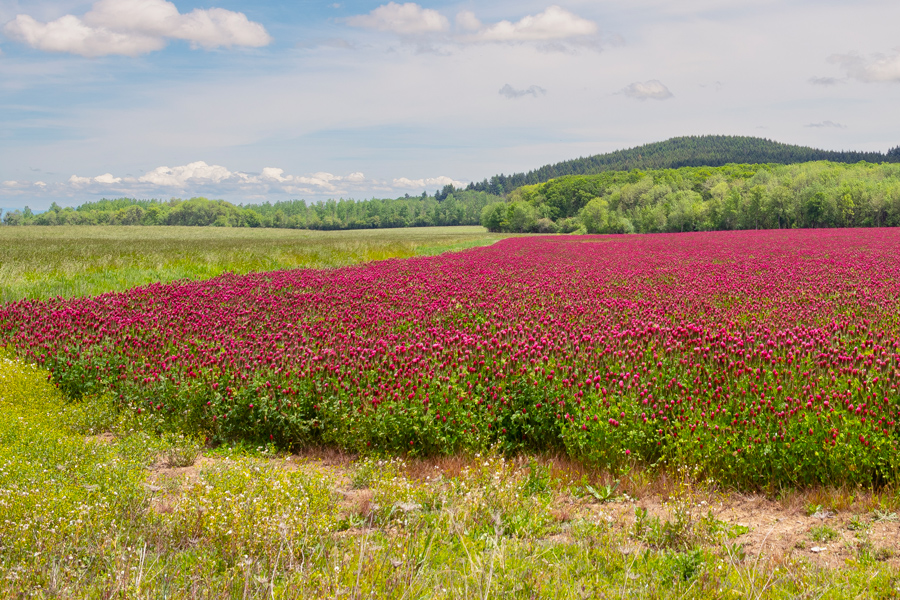
There are many ways to define what it means to be sustainable. There is increased demand for agricultural production transparency to ensure that food and fiber products are being produced sustainably. To this end, Field to Market: Alliance for Sustainable Agriculture has developed the Fieldprint Calculator through the Fieldprint Platform to help farmers of major commodity crops measure their on-farm sustainability by entering in their yearly management practices. This Extension publication defines sustainability, describes the use of the Fieldprint Calculator, and explains how growers can use this program to measure sustainable progress made on their farms. This publication was produced in collaboration with the University of Tennessee and Field to Market.
|
-
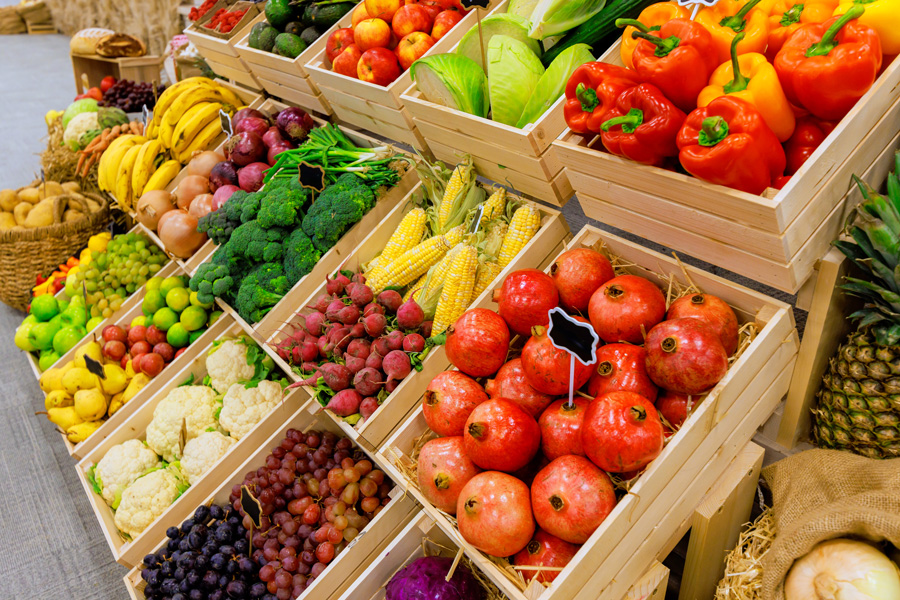
In Georgia, there are many small-scale producers that largely use ecological production practices, such as Certified Organic, and sell in farmers markets or other direct marketing channels. As these direct markets begin to saturate, these producers may need to forge a path beyond direct markets to wholesale or institutional markets that want sustainable products. Food hubs may offer a path for these small farms to scale up. There are three overlapping forms of food hubs in Georgia. Each has different markets and thus different requirements for the producers who sell to them. This publication discusses the types of food hubs in Georgia and gives producers guidelines on which form of food hub may work best for them.
|
-
AP 130-3-14
Direct-to-Consumer Sales
1. We expect a growing importance of direct-to-consumer (DTC or D2C) sales in Georgia’s agricultural economy. The share of farms involved in DTC sales over time will remain steady, and there will be an increase in DTC sales as a share of total farm sales.
2. The dominance of large-scale operations will drive sales value.
3. Farmers markets will gain traction, either in-person or online, supported by nonprofit organizations or Extension services.
4. Consumer-supported agriculture (CSA) operations have faced some challenges in Georgia, including declining sales and fewer returning customers.
5. Online sales via platforms like Barn2Door are getting popular among farmers and shoppers surfing on convenience.
6. State branding remains key in increasing awareness and visibility of Georgia Grown agricultural and food products.|
-
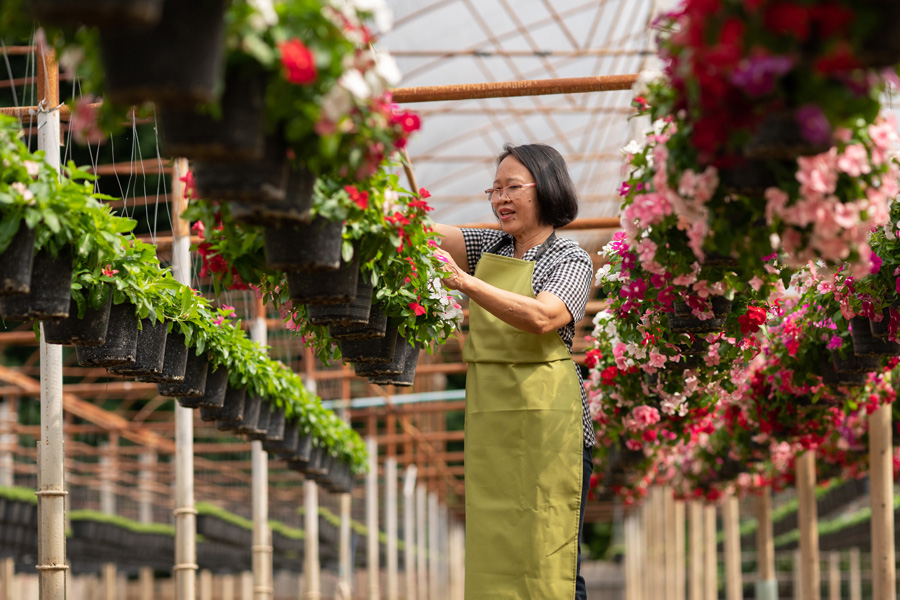
The idea of producing your own food in a clean, controlled environment is very appealing. While dreams may be big, careful research and planning should be done prior to jumping into any farm venture. Important items such as desire, capital, feasibility, labor, demographics, and marketing all need to be considered.
|