Animal and Dairy Science Resources
-

This management guide provides producers with specific tactics that may minimize the potential for short- and long-term problems during a drought. These tactics are based on specific characteristics including water loss, forage growth, and rainfall.
|
-

The goal of this publication is to guide the user to a better understanding of basic forage quality terms and to recommend management changes that will improve forage quality. To that end, our objectives are to explain how forage quality is measured, describe how to interpret a forage analysis, present the effects of management on forage quality, and list the key management strategies that can increase the nutritive value of forage crops.
|
-
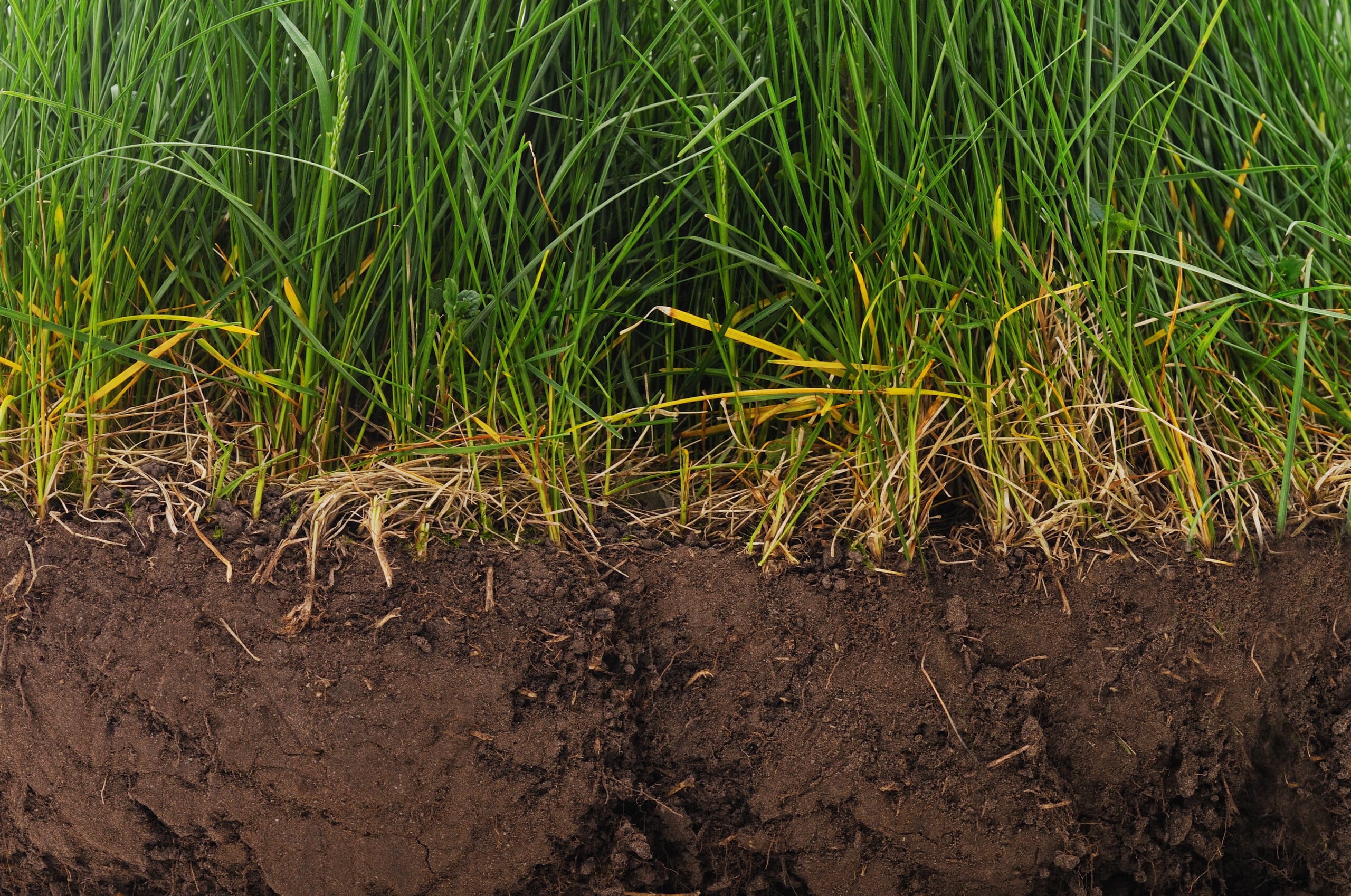
This resource is for university researchers and Extension specialists, county Extension agents, and producers of livestock, forages, and feeds. It highlights the role of selenium in animal nutrition; selenium concentration and distribution in soils and feedstuffs (grains and forages) produced in various parts of the United States and in Georgia; disorders resulting from selenium deficiency or toxicity; various methods of selenium supplementation; and recommendations for selenium management in Georgia.
|
-

When competing in youth horse judging contests or events at horse shows, it is important to have a good understanding of basic performance events that may be encountered. This publication is designed to give a basic overview of common hunt seat and western pleasure performance classes. It is by no means comprehensive of all events that may be seen and does not go in-depth on any one event.
|
-
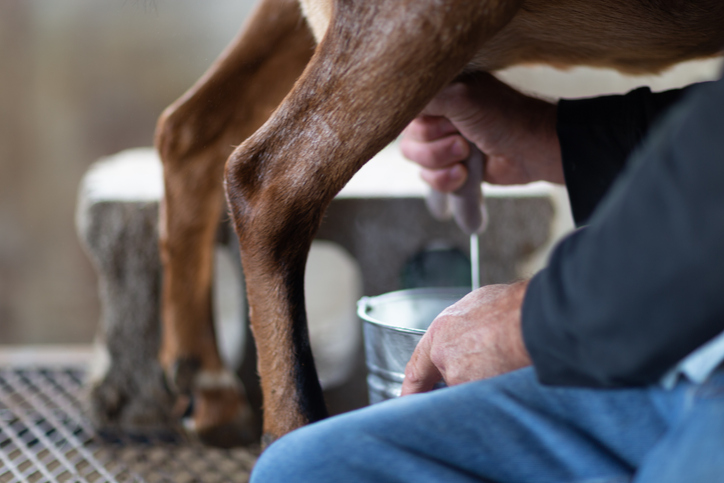
This resource will help producers understand how to ensure they get high-quality milk from their goats. The core characteristics of high quality dairy goat milk are milk with low bacteria counts, milk with acceptable somatic cell count numbers, and milk with ideal flavor and appearance. Readers will learn about strategies for milk quality evaluation and improvement. Achieving high milk quality is not only essential for the health of the animal and optimal production; it is also critical for adhering to regulatory parameters and maintaining customer satisfaction.
|
-

When examining horses for conformation, either when considering a purchase or competing in horse judging contests, it is important to break things down into key principles to avoid becoming overwhelmed when putting the overall picture together. There are five main criteria to evaluate when examining a horse’s conformation: balance, structural correctness, way of going, muscling, and breed/sex character (also known as type). This publication describes each of these criteria in detail.
|
-
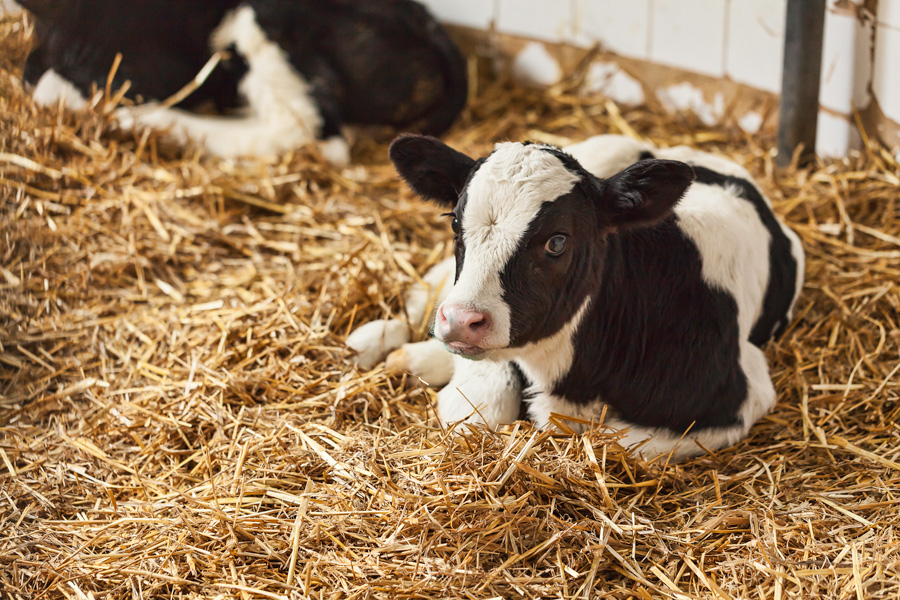
This guide to housing preweaned dairy calves is a resource for both farmers and youth participating in livestock projects. Housing can greatly impact the health and growth of dairy calves. Attention to factors that influence feed intake, comfort, and health are necessary for optimum growth and performance of calves, with long-term implication for their future productivity.
|
-
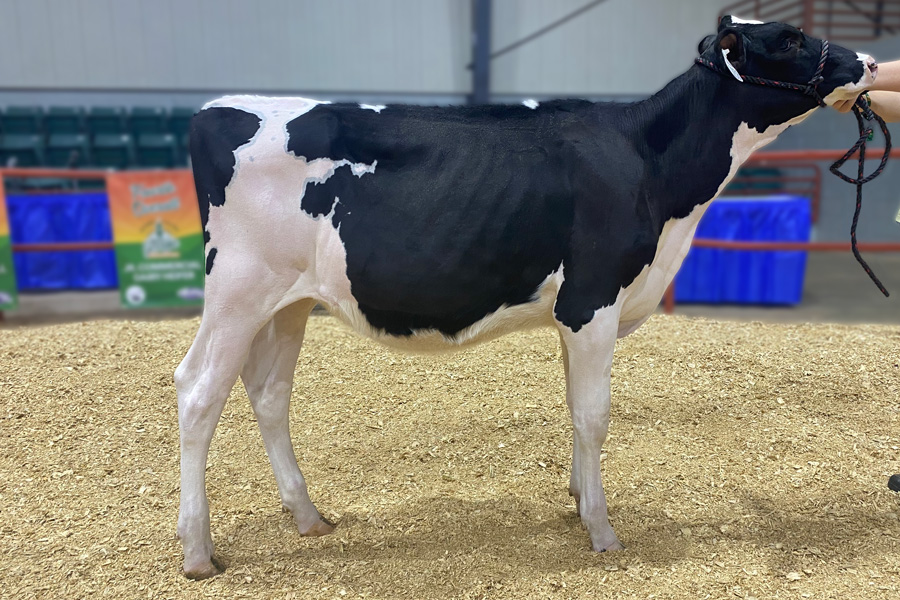
Selecting commercial dairy heifers and monitoring their growth can be difficult for many farmers and youth exhibitors. The way in which farmers are achieving production efficiency is highly variable from farm to farm, so this publication provides guidance on the conformation and growth parameters of commercial heifers found to be most ideal for future production efficiency.
|
-

A handy reference for horse owners and land managers to help identify weeds that are toxic to horses, with pictures to aid identification, a brief description of the plants, and the specific toxicity symptoms associated with common weeds and trees that are poisonous to horses. It also gives tips on how to better manage pastures to prevent pasture-related plant toxicities. This publication is suitable for a general audience concerned with equine health and pasture safety.
|