Animal and Dairy Science Resources
-
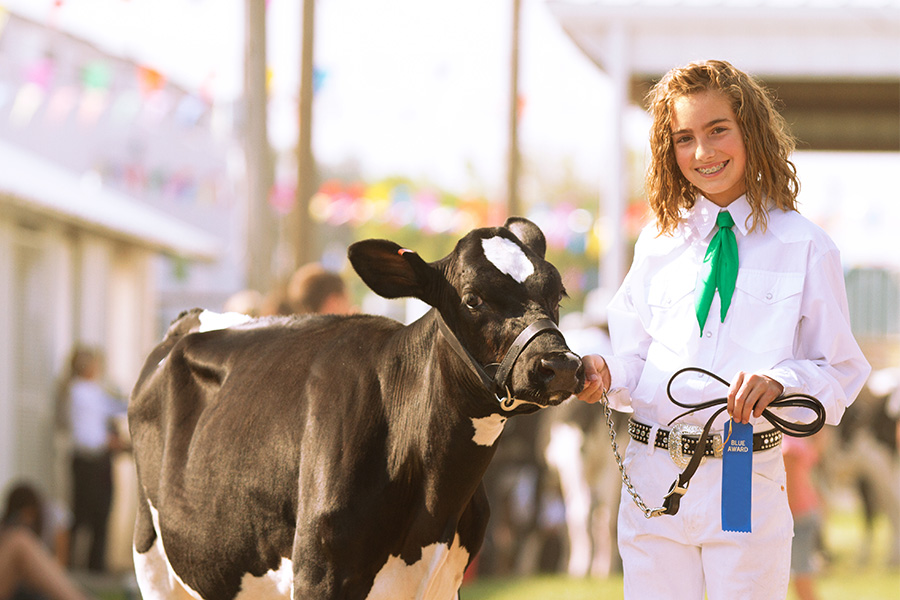
Every animal emerging from the pasture or barn needs time and attention to get her show-ring ready. The showman on the other end of the halter needs to be prepared as well. Faults in either fitting or showing could lead to a less successful show experience than one might have hoped for. This publication offers advice on fitting and showing dairy animals, including the updated PDCA scorecard, maximizing your animal’s potential, behavior and grooming preparation, and show time.
|
-

AP 133-1
Hurricane Helene Impact Report
We estimate that Hurricane Helene’s damages to Georgia agriculture and forestry will cost the state economy at least $5.5 billion in 2024 present value. This figure represents the sum of direct crop losses, losses to firms that support agriculture and forestry, losses to workers in those and related industries, and the recovery and restoration costs that firms in these industries will face. The Georgia Forestry Commission is a collaborator with UGA on this publication.
|
-
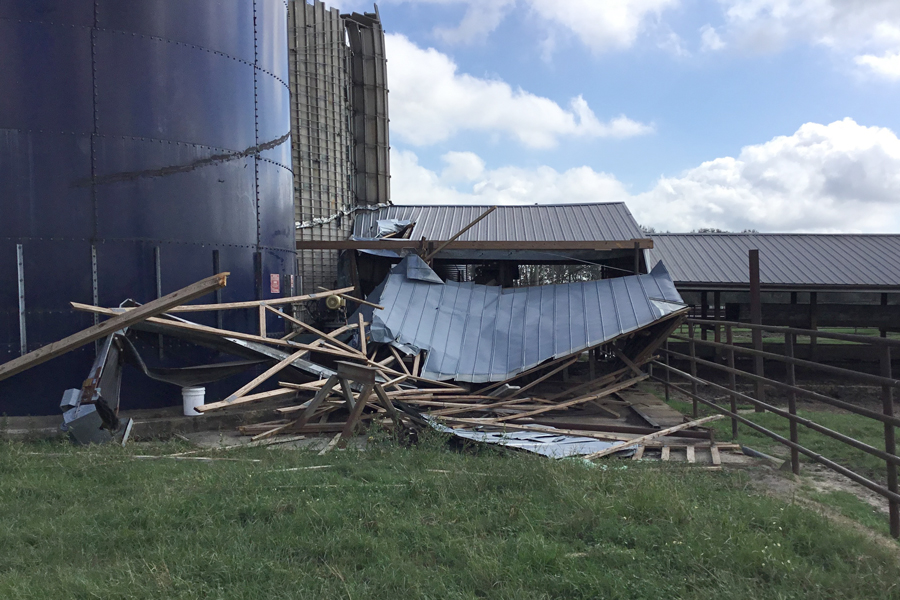
As a result of significant weather events, many producers in Georgia may experience losses of pasture growth, hay stocks, feed supplies, and livestock. After such events occur, farmers will be assessing damage to fields, stock, and property for many days, weeks, months. This publication is intended to provide recommendations to farmers that have experienced adverse affects due to significant weather in their forage and livestock production systems.
|
-

Many retained ownership programs offer producers the opportunity to receive a level of data from the feed-yard and packing plant that is rarely available after those animals leave the farm. Producers can use this information to make genetic changes in their herd to better the marketability of their calves. However, before this information can be utilized, producers must understand what these terms mean. The terminology might be slightly different on various reports, but the common ones used for herd improvements are discussed below.
|
-

One tool that aids producers in the efficient and profitable production of beef cattle is live animal carcass ultrasound. The use of carcass ultrasound is an economical way cattlemen can make genetic improvements in carcass traits, which will, in turn, put profits in their pockets.
|
-
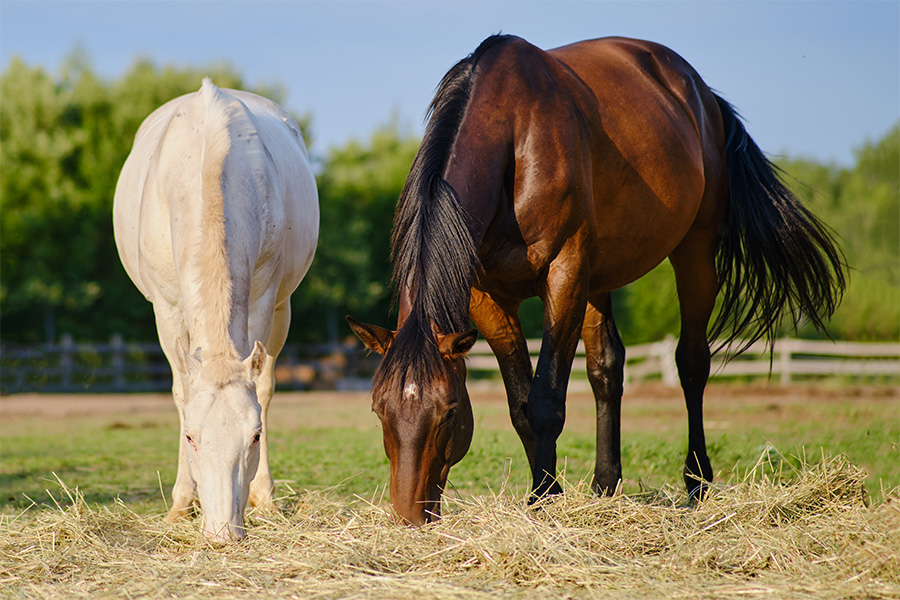
With so many feed, supplement and hay choices available, many people find themselves wondering exactly what their horse needs for good health and nutrition. Many horse-feeding opinions and myths make deciding what to feed even more difficult. This publication explains your horse’s nutritional needs, common guidelines to observe when feeding your horse and how to determine if your horse’s nutritional requirements are being met.
|
-
B 1532
Baleage Production and Use
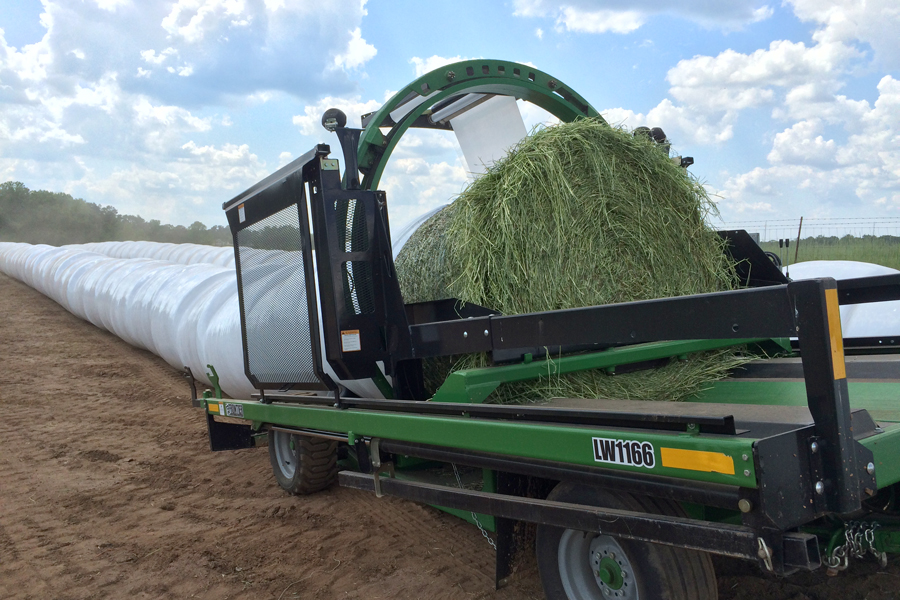
Implementing a baleage system takes consideration and planning. Producers need to weigh the benefits, challenges, and costs to optimize their forage production and livestock feeding operations. Baleage does have additional costs associate with it—including a wrapper, plastic, and plastic disposal. It also takes different management strategies to store and feed baleage to prevent spoilage when compared with traditional dry hay. Despite some additional management challenges, baleage can be very beneficial for many producers. It has higher forage quality when compared to dry hay harvested under the same conditions and is highly palatable to livestock. Finally, using baleage as a forage harvesting tool can reduce risks of forage loss due to weather and promote forage harvest on a timely harvest interval.
|
-
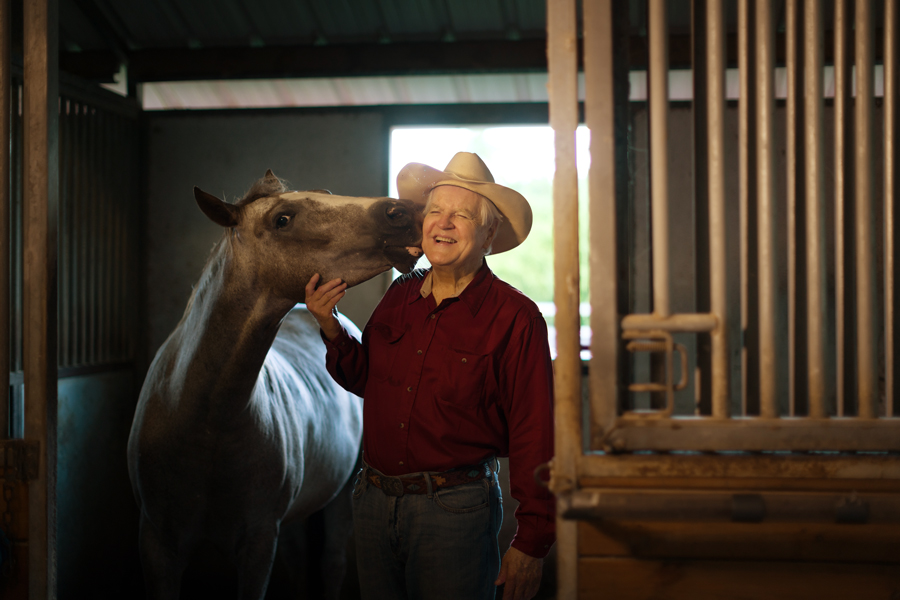
Horses have relatively long life spans compared to other livestock and companion animals, often living into their late 20s and early 30s. Many horses have productive careers into their 20s. In fact, in many disciplines, horses do not peak until their teenage years. Good nutrition, maintenance and veterinary care allow horses to lead longer and more productive lives. However, as horses age, their needs change and additional care may be required to keep them as healthy as possible. This publication addresses changes in the aging horse’s body that impact its requirements, possible ways to meet these requirements, and solutions to problems that may occur.
|
-
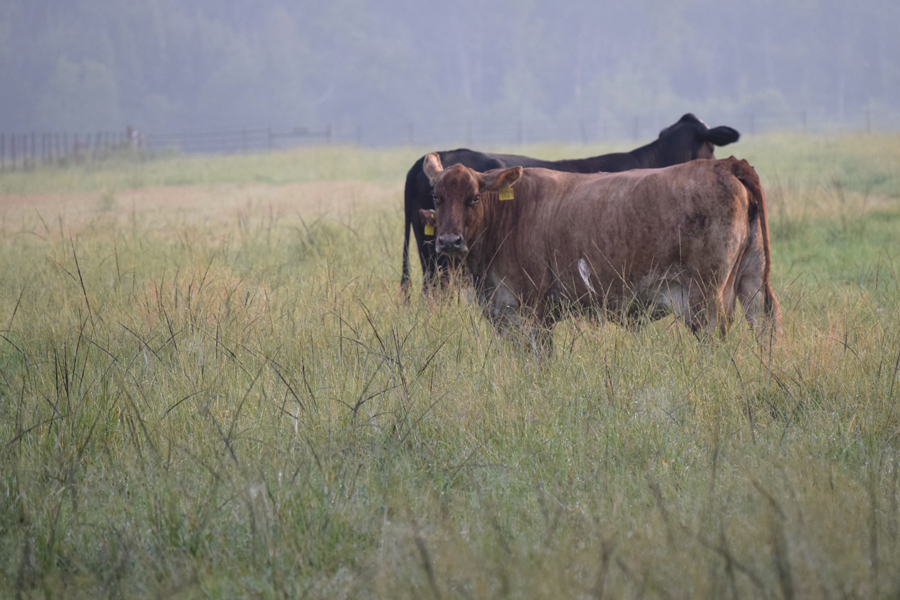
A good grazing management plan is essential to producer success for any grazing livestock production system. One of the keys to building a grazing management plan is to have a good understanding of the stocking rate on your farm and how this relates to forage availability. Stocking rate is a critical factor in all grazing operations, no matter the livestock species. By accurately determining stocking rate, understanding their grazing management options, and measuring forage availability producers can develop an effective grazing management plan for their operation. Additional author: Justin Burt, Postdoctoral Research Associate, UGA CAES Department of Crop and Soil Sciences
|