Animal and Dairy Science Resources
-
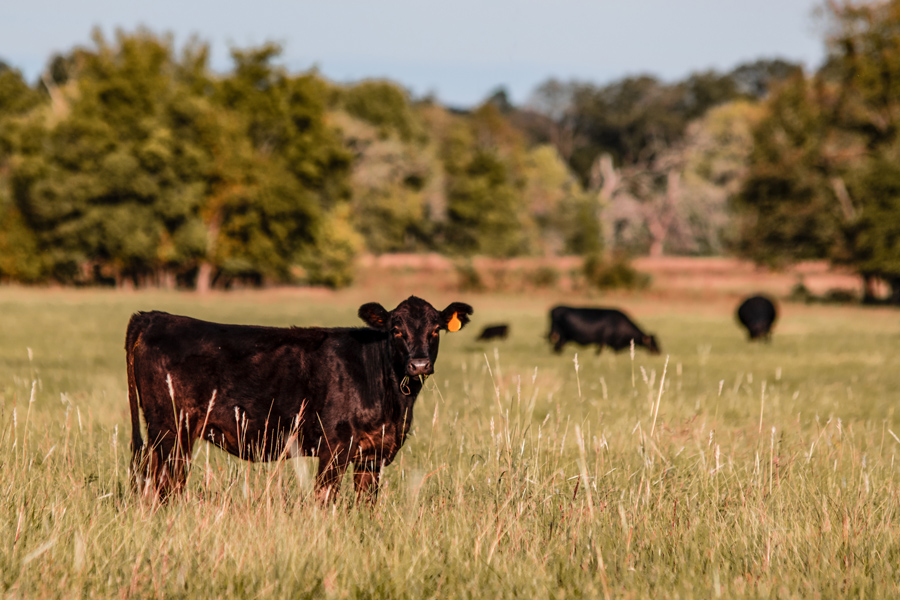
Drought can have a double impact on cattle producers. Not only is forage limited during the grazing months, but also the production of hay is limited. With the lack of forage, both grazed and conserved, many producers are looking for sources of feed for their cattle going into the fall and winter. Hay is an option, but it’s not the only option. Hay replacement rations can be an economical option to purchasing additional hay. Grains are often cheaper per unit of energy than hay, especially when hay prices increase during a drought period.
When considering these feeding options, producers should consider three major issues: 1. Cost of the potential feeds and their nutrients, 2. Which rations will meet the nutritional requirements of their cattle, and 3. How to properly feed cattle with the hay replacement ration.|
-
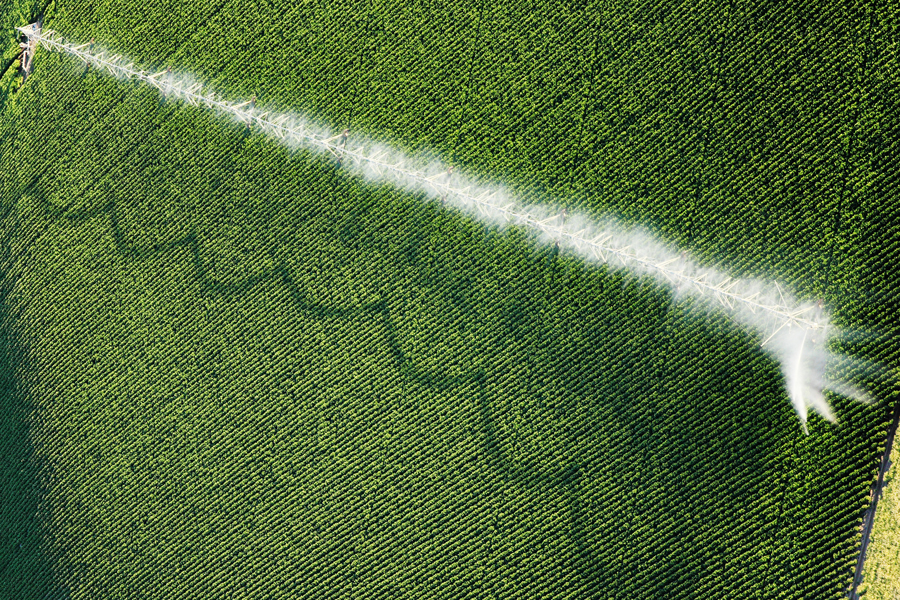
This publication was developed to provide farmers applying animal wastewater with step-by-step instructions to calibrate their center pivot irrigation systems. Within each step, the publication provides reasoning for that step and any equations to calculate the needed values. Along with instructions, the publication also provides a fillable table to collect data and charts to help determine application rates.
|
-
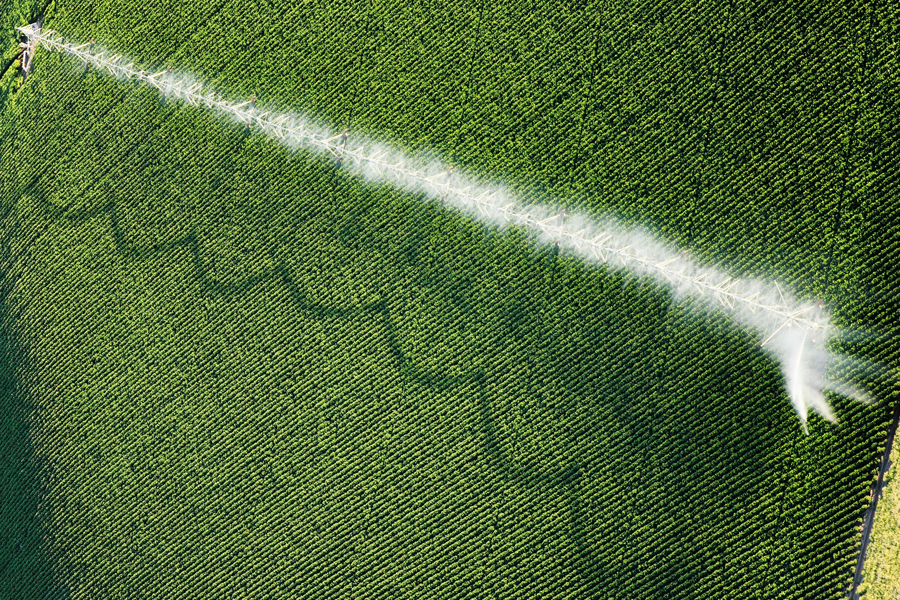
This publication is intended to be used by those familiar with calibrating a center pivot system. The circular lists the steps, calculations, and charts needed to calibrate a center pivot irrigation system pumping wastewater, without explanations of the process itself. The PDF version contains worksheets and formulas.
The step-by-step calibration procedure includes determining: the wetted diameter of your nozzle or sprinkler; spacing between collection cups; the number of cups needed to collect wastewater from all sprinklers/nozzles. Next, place collection cups in a row, equally spaced in the direction of travel, mark the starting point and then operate the pivot normally and mark the end point. Measure the time taken for the system to pass over all cups. Measure between the start and end points to determine the travel distance. Immediately record the volumes or depths of water in each collection cup and use this to calculate the average application depth (in inches, centimeters, or millimeters). Next, determine your “usable” cups and effective diameter of pivot, and then recalculate the average application depth for the “usable” collection cups. Calculate the reference travel speed and the deviation depth for each “usable” collection cup. Next, determine the average deviation depth, calculate the application uniformity and determine the calibration results.
|
-
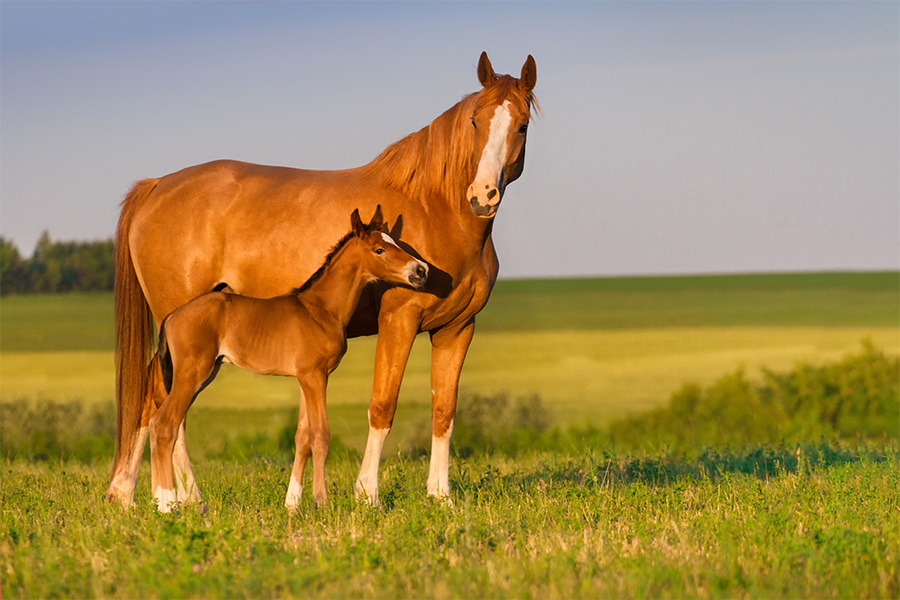
A solid understanding of mare cyclicity is the foundation on which to build or evaluate an equine breeding program. Horses differ from other species both in timing of cyclicity as well as endocrine patterns within a cycle. Basic principles can aid horse breeders in more effectively timing and breeding with or without hormone manipulation.
This publication provides an in-depth explanation of the science behind horse breeding.
|
-
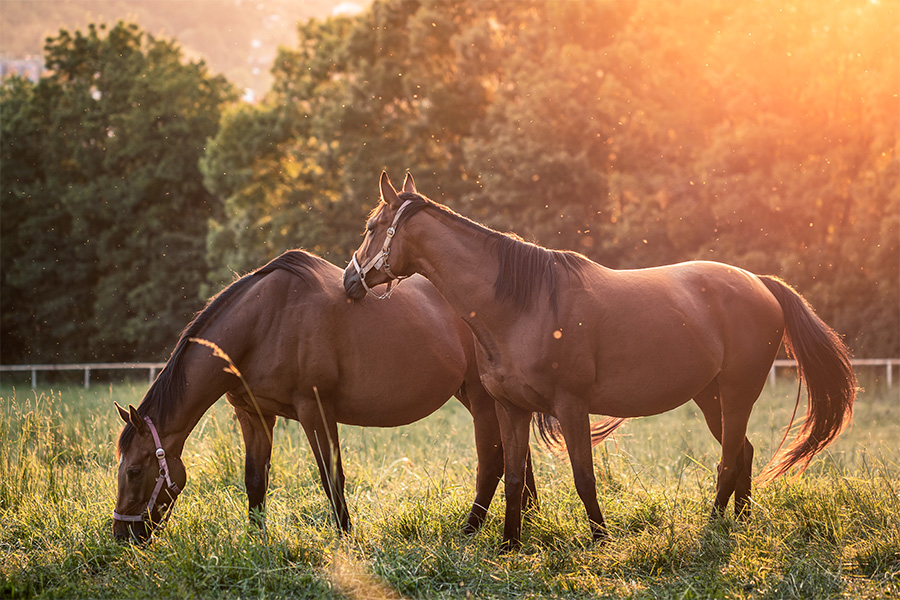
To have a successful equine breeding program, producers must successfully
manage animals both pre- and post-breeding to ensure delivery of a healthy foal
while maximizing the health of the mare. The following information is designed
give a basic understanding of how to identify pregnant mares, to outline major
events in pregnancy development, and to identify some primary issues that can
cause complications in pregnant mares.|
-
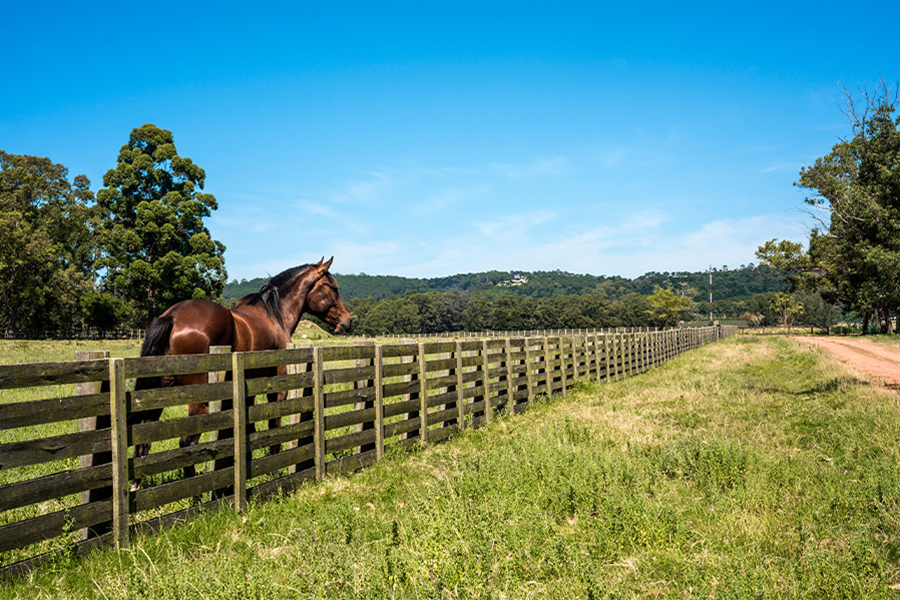
B 1192
Fences for Horses
Fences are necessary to safely confine horses yet provide them with the opportunity to exercise and graze. Because of the natural flight response of horses, they tend to injure themselves in fences more than most other livestock. In addition, many horses are extremely valuable and that justifies the extra cost of building a fence that is safe, strong and attractive. When selecting a fence, consider all three of these important functions: utility (keeping the horses in), safety and aesthetics. How much importance is placed on each function depends on the owner’s budget, the value of the animals and your priorities. A number of alternatives are available for consideration.
|
-
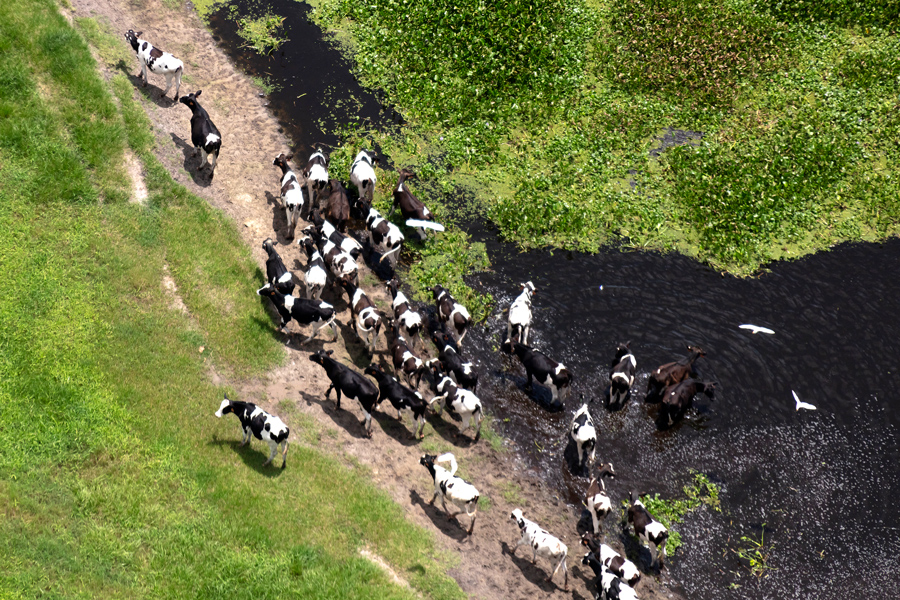
Allowing dairy cows the opportunity to graze pasture is a practice frequently used by dairy producers. Some producers use grazing as the primary source of forage while others use it as a supplement to a partial total mixed ration (pTMR). There are several challenges associated with grazing—especially during periods of heat stress—that producers should take into account to maintain intake and production, especially when grazing comprises a significant amount of the feed allotment. This bulletin will provide information on these challenges and changes that can be used to minimize the impact of heat stress.
|
-
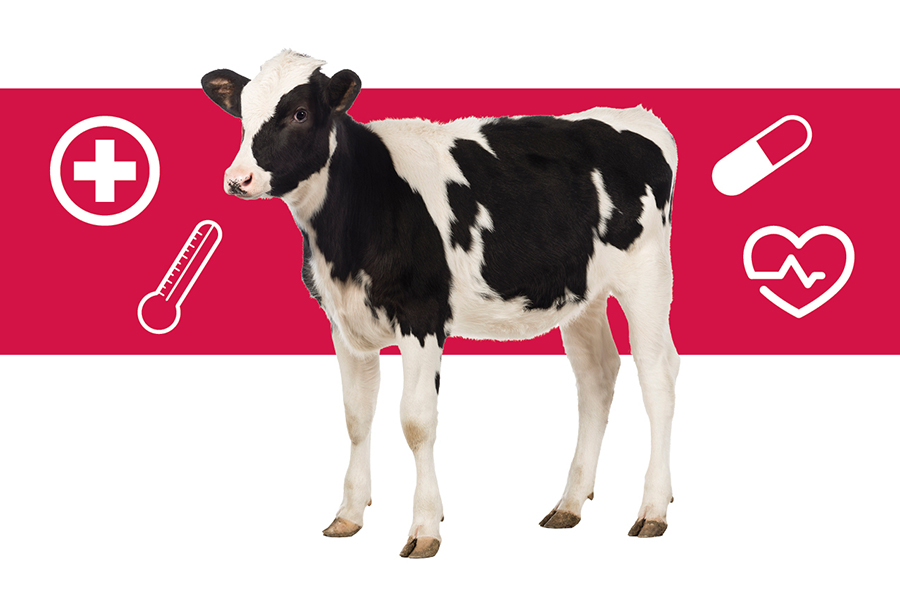
B 1500
Calf Health Basics
Calf health is a key variable for calf growth and performance. Producers should not expect to know all calf health issues, causes, and the most successful treatments. Instead, a producer’s main goal should be to accurately identify and differentiate normal from abnormal in a calf’s physical state and behavior. The topics discussed in this publications are intended to help producers notice key areas of observation while also helping to identify normal and abnormal health parameters in calves. This information can also be used to develop calf management protocols and treatment strategies.
|
-
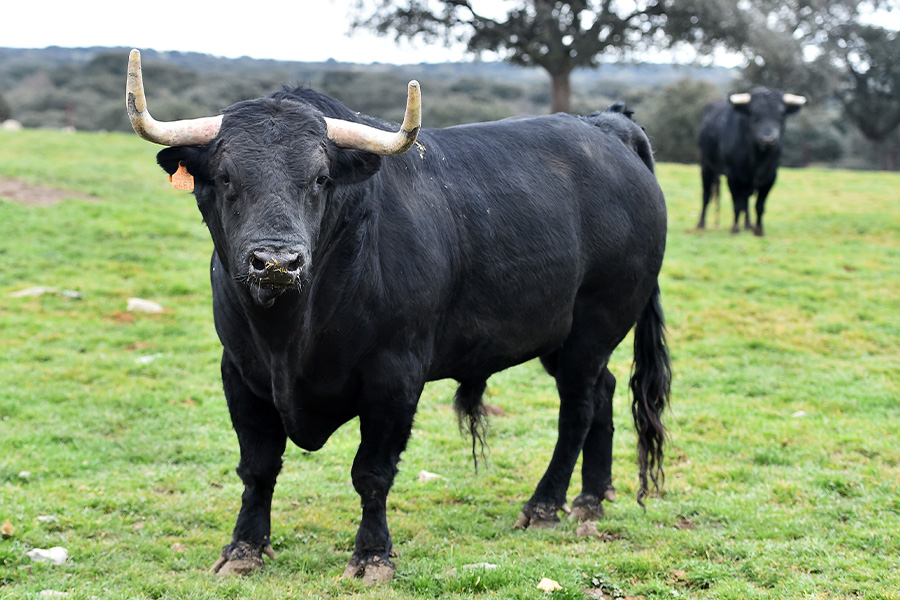
C 553
Bull Buyer’s Guide
Bull procurement decisions can greatly impact your future calf crops and herd genetics for many years. Selecting and buying a herd bull is the quickest way to make genetic improvement in your herd. The selection process must include looking for those traits that are economically important and highly heritable. Demand and buy bulls with total performance that will improve your herd. This publication discusses factors to consider when purchasing a new bull.
|