Animal and Dairy Science Resources
-
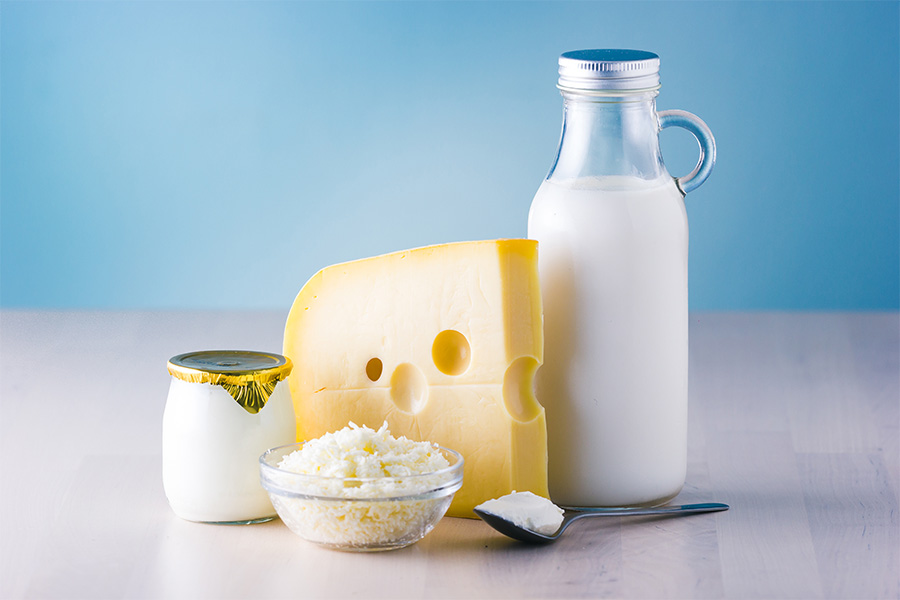
This bulletin provides information for producers, nutritionists, and feed industry personnel on formulating diets to maintain or improve milk composition. The value of milk components is increasing more than skim milk, so this topic impacts all dairy farmers. The publication provides information on feeding dairy cows for improved yield of milk components, providing background on how the cow synthesizes milk components and the dietary factors that affect milk component yield.
|
-
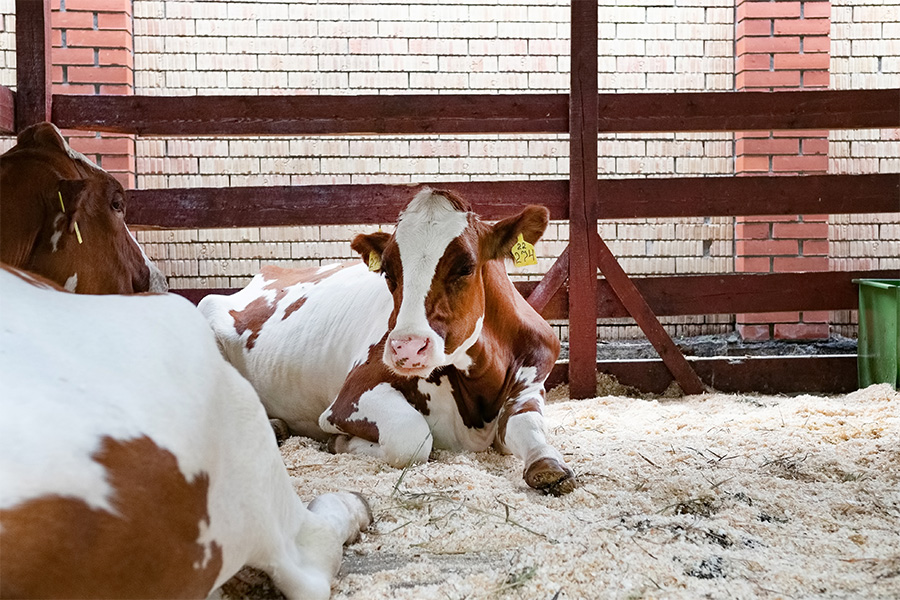
Cow behavior is critical for animal well-being and performance and influenced by many factors, such as heat stress. Under thermo-neutral conditions, cows spend half a day lying down and the rest of the time is distributed into standing, feeding and milking. However, when cows are exposed to heat stress, they spend less time lying down but more time standing up. The altered cattle behavior by heat stress may be associated with impaired productive and reproductive performance and an increase in disease incidence.
This publication focuses on the impacts of environmental heat stress on cattle behavior and the possibly related consequences.
|
-

Infectious Bovine Rhinotracheitis (IBR), commonly referred to as “Rednose,” is a disease resulting from bovine herpesvirus type 1 (BHV-1). The detriment of the disease, as well as the positive benefits vaccination can have on a reproductive program, needs to be on the forefront of a producer’s herd health program.
|
-
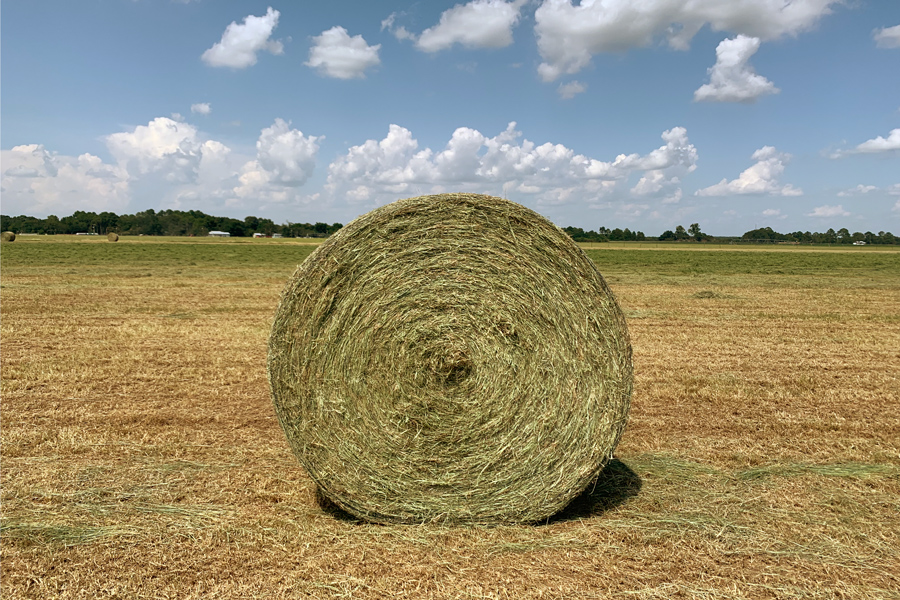
This resource is useful for anyone working directly with livestock producers to interpret and use forage reports. It also provides a “checklist” for taking forage samples from hay or baleage bales. It summarizes how to properly collect a forage sample, read the basic components of the lab’s report, and use the report for developing a basic feed plan.
|
-
B 1379
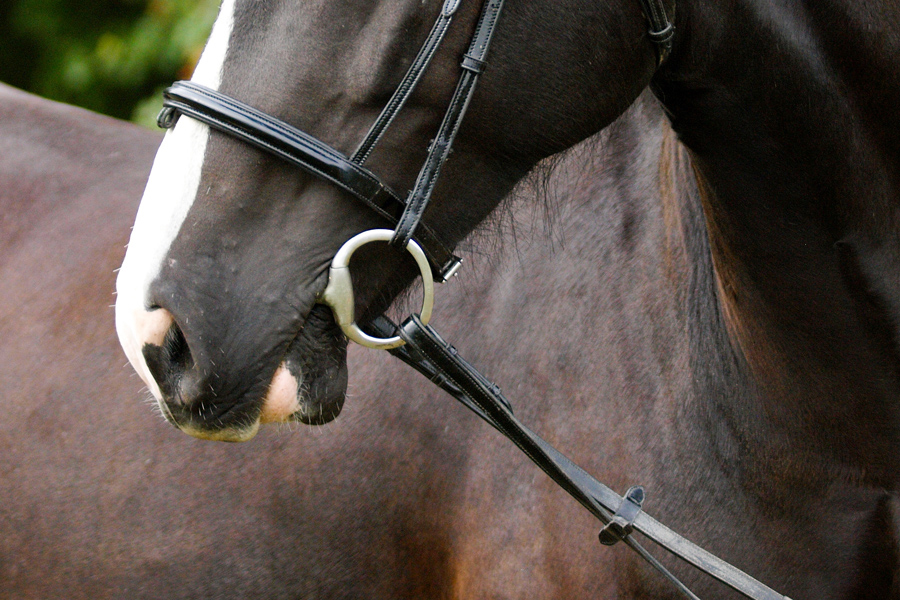
Bits 101
Bit selection is a critical area of consideration for riders of all disciplines and levels. For many horse enthusiasts, lack of knowledge about bit types and functions, as well as common misconceptions held in the horse industry, can make choosing an appropriate bit a difficult process.
|
-
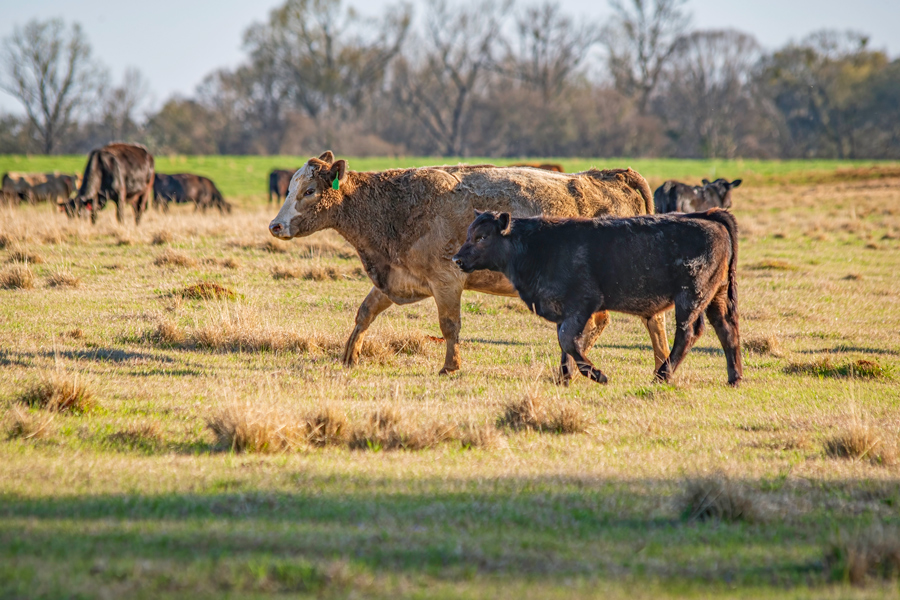
Beef cattle evaluation is important for all segments of the cattle industry. Visual evaluation allows you to compare animals not only for various economically viable traits, such as growth performance and potential carcass merit, but also for traits that are indicators of functionality in each production environment, such as skeletal structure. These traits are often difficult to quantify and are commonly considered convenience traits as they do not have a direct impact on income. Still, traits such as these can have a significant management and economic impact across multiple generations of offspring.
This publication is intended to help the reader develop visual evaluation skills for cattle with particular emphasis on breeding cattle. Visual evaluation combined with industry best management practices is key to overall success in selecting quality replacements.
|
-

RB 438-PT
Versão em português do WUFFDA
Formulação de rações para aves e suínos.
|
-
RB 438-RU
Оптикорм Русская версия (WUFFDA)
Programma Optikorm dlya sostavleniya ratsionov dlya sviney i sel’skokhozyaystvennoy ptitsy.
|
-
RB 438-TR
WUFFDA Türkçe Versiyonu
WUFFDA, kümes hayvanları ve domuzlar için yem formülasyonu oluşturmaya yardımcı olmak üzere tasarlanmış bir program sunmaktadır.
|