Animal and Dairy Science Resources
-

B 1315
Creep Feeding Beef Calves
Creep feeding is the practice of providing supplemental feed (grain or forage) to nursing calves. This is usually done with the use of a creep gate, which is large enough for calves to enter the feeding area but too small to allow cows to pass. Creep feeding systems vary from grain-based energy supplements to limit-fed protein supplements to creep grazing. Each system generally produces increased growth, which may or may not be profitable. Creep feeding, like any other supplementation practice, must be analyzed based on estimates of expected increases in performance and income compared to the costs of these improvements. This publication discusses the advantages and disadvantages of creep feeding.
|
-

Drought conditions are a yearly occurrence in Georgia and have been prolonged in several areas over the past several years. These conditions can have severe impacts on cattle, and every cattleman should have a plan in place to minimize the effects of drought on the farm’s finances. This publication describes several management strategies for producers to consider during drought conditions.
|
-
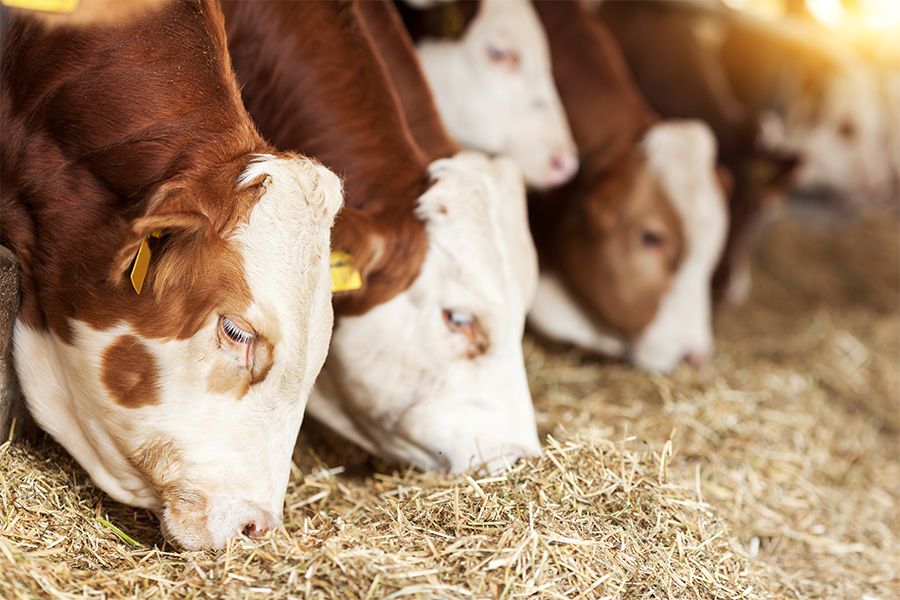
This resource provides detailed information for cattle owners/managers on mineral supplements for beef cattle to ensure their optimal growth and reproduction.
|
-

Hot and humid environmental conditions stress the lactating dairy cow and reduce intake of the nutrients necessary to support milk yield and body maintenance. In Georgia, weather conditions are sufficiently hot and humid to reduce performance of dairy cows for five months or more each year. This publication presents methods that can be used to minimize the stress on dairy cows during hot weather and enhance production during the hot summer months.
|
-

By-product feeds come from a variety of sources, including grain processing, production of human foods and beverages, and manufacturing of fiber products. Although many of these feeds have been used for years, others are relatively new. Research has been conducted on most by-product feeds and the guidelines for their use are well documented; however, limited information is available on the feeding value or guidelines for using some by-product feeds. This publication discusses factors that should be considered when feeding by-product feeds to cattle.
|
-

Using incorrect A.I. techniques can lower the overall success rate of the A.I. breeding program. Most producers learned correct semen handling techniques and insemination procedures at one time; unfortunately, many have developed bad habits that have lowered their success rates. This publication reviews proper procedures that should help eliminate some of those common mistakes.
|
-
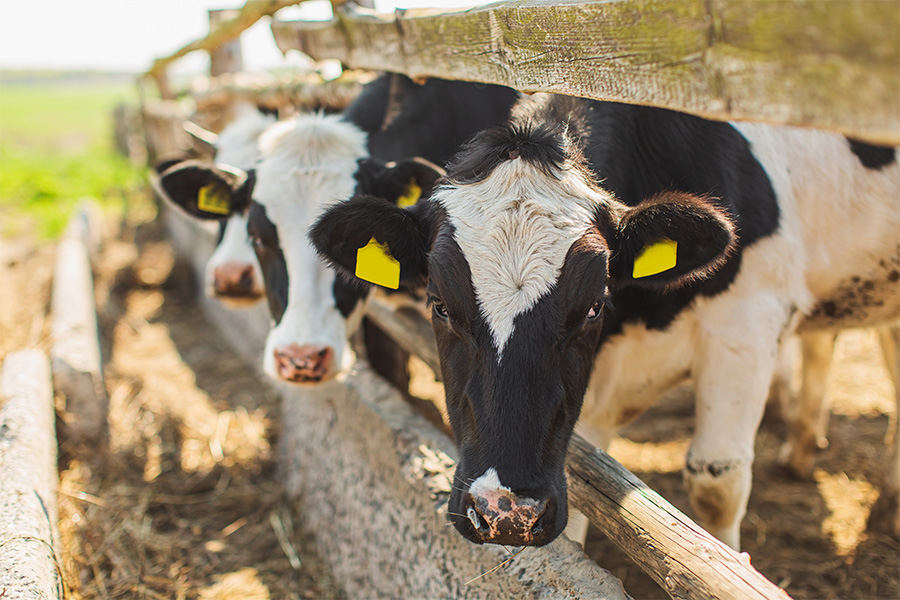
This guide is designed to help you improve your reasons for your placings in dairy cattle evaluations. Slowly incorporate new terms into your oral reasons and your ability to describe what you see will continue to improve. Concentrate on what you see instead of what you don’t see. You only have 2 ½ minutes to justify your placings. Use I.D. points, and Practice! Practice! Practice!
|
-
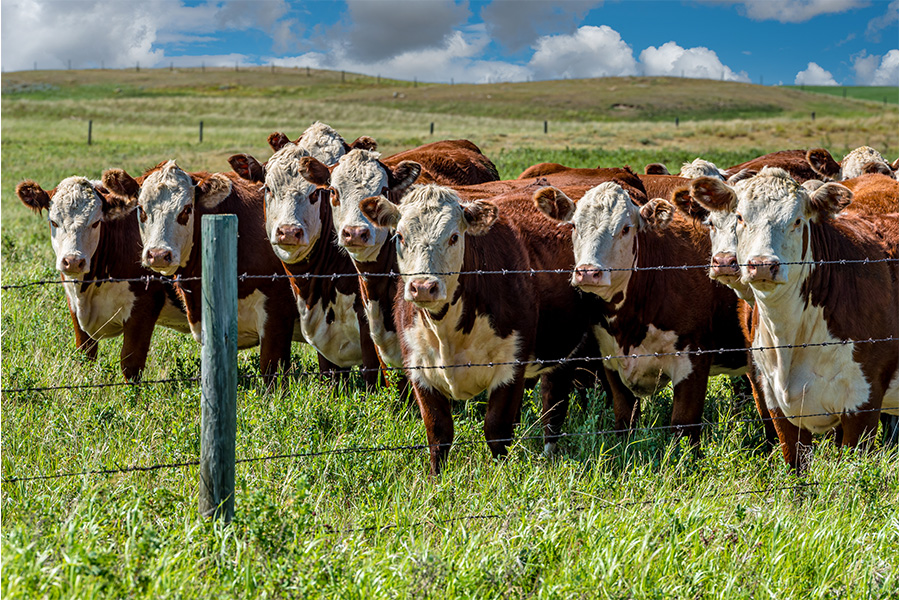
Estrous (heat) synchronization in beef cattle involves manipulating the females’ estrous cycle so they can be bred at about the same time. The normal 21-day estrous cycle in beef cattle can be altered by following an effective estrous synchronization protocol. Numerous estrous synchronization protocols have been developed that use a combination of different drugs and products to alter hormonal changes in the female’s estrous cycle. Since different reproductive hormones are used in estrous synchronization, developing a basic understanding of several reproductive hormones is helpful for determining which protocol will work best for your herd.
|
-
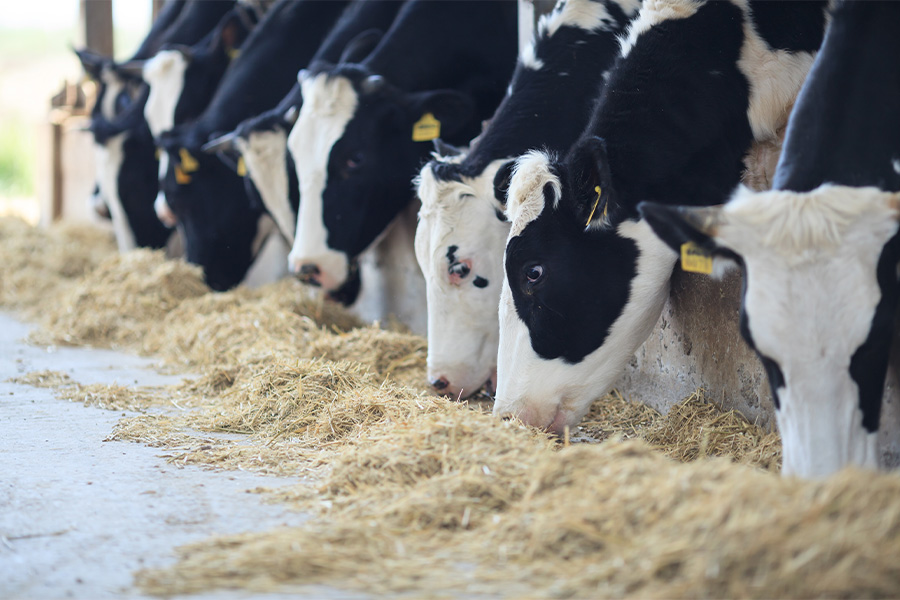
B 1227-SP
Programas de Sincronización de Hatos
Los datos del programa Dairy Records Management Systems (DRMS) demuestran que hatos de alta producción tienen índices de concepción bajos, y estos tienen también pasarán menos días abiertos y tienen una mayor taza de detección de celo.
[This publication describes dairy herd synchronization programs will help improve your reproductive management efficiency. Try the one that fits your management system the best. Both estrus and ovulation synchronization programs will help get more animals bred more efficiently. Feeding open animals extra days can be costly to producers. Identify open animals and pick the best breeding alternative for your operation.]
|