Animal and Dairy Science Resources
-

Clean water for cattle is important for animal health and production and water delivery systems require routine maintenance and monitoring.
|
-

Autumn and winter are busy seasons for beef cattle producers, and many times grazing and cattle management are not as tightly regulated as in other times of the year. Many Southeastern cattle operations include pastureland that encompasses or borders oak timbers; most North American oak trees are considered toxic. Therefore, when cattle venture into timber land in search of grazing, there is an increased chance that acorns will be consumed and toxicosis may occur. The purpose of this bulletin is to educate producers on the symptoms and prevention of acorn toxicosis in beef cattle.
|
-

When it comes to managing a dairy herd, infections and inflammation of the cow’s uterus can have negative implications for animal welfare, milk production, and rebreeding capacity. Maintaining uterine health is essential for proper ovarian function and the creation of a uterine environment that is favorable for successful pregnancy. Although all production species can suffer from disruptions to uterine health after parturition, the prevalence of endometritis is notably greater in dairy breeds when compared to other breeds of cattle. Producers should be willing and able to assess uterine health through reproductive records and visual observations (with or without additional tools), and work with their veterinarian for identification and treatment of subclinical cases of endometritis if an issue is apparent. This bulletin provides information on how to minimize the risk of endometritis.
|
-

Cotton byproducts offer a variety of feed ingredients that can lower the cost of beef cattle production. Cottonseed meal and whole cottonseed can be used in rations for any class of cattle. Gin trash and cottonseed hulls are low-energy feedstuffs that are used as a roughage source in high energy diets or as a partial energy replacement in mature cow diets. Cotton stalk residue can maintain a dry pregnant cow and will provide enough grazing for approximately 1 month if left standing or for three weeks if mowed prior to grazing. A reduction in fertility should not be a concern when recommended feeding rates are followed.
|
-

Some of the most widely adopted precision agriculture technologies include guidance systems that utilize a Global Positioning System (GPS). Although these technologies are most commonly utilized in row-crop agricultural systems, they also have many potential benefits in forage-based production systems. With so many different options to choose from, it can be a daunting task to determine which technologies are the best fit for a specific farming application and budget. When coupled with a differential GPS system (which are available in various levels of correction accuracy), the accuracy of these guidance systems can be greatly improved. The main goal of this bulletin is to cover the currently available GPS guidance options for forage production systems.
|
-

Pregnancy diagnosis is an important part of reproductive management in productive beef cow-calf operations. Open cows decrease profitability as they utilize similar resources as pregnant cows without producing a marketable calf to justify these costs. With the move toward more efficient operations and inclusion of artificial insemination (AI) and other reproductive technologies in cattle production, abstaining from pregnancy diagnosis may no longer be economically viable or practical. Establishing a pregnancy diagnosis program allows for the detection of cows that are not pregnant and allows producers to make management decisions to increase reproductive efficiency, such as culling of infertile females or resynchronizing females that are open. Although the economic benefits of incorporating pregnancy diagnosis are clear, the rate of adoption by beef cow-calf operations is considerably low in the United States. This article provides an overview of the different methods available (rectal palpation, transrectal ultrasound, and blood tests) for pregnancy diagnosis and provides a practical description of how to implement these methods.
|
-

The quality of an egg involves both the exterior and interior qualities of the egg. Egg quality includes the cleanliness of the shell, soundness of the shell, thickness of the albumen, and color of the yolk. Good egg quality is critical to maintaining the hatching potential of eggs, as improper handling or storage of eggs will reduce the ability of the eggs to hatch and produce good quality chicks. For table eggs, improper handling and storage of eggs will reduce the grade of the eggs and could pose a potential health hazard.
|
-

The Southeast U.S. is susceptible to hurricanes and tropical storms every year. Hurricane season occurs from June 1 through November 30, and these storms are normally forecast several days in advance. Tornadoes, ice storms, thunderstorms, or straight-line winds—potentially damaging winds produced by thunderstorms—are rarely forecast with enough notice to prepare other than to hopefully warn employees. Storms disrupt operations and have the potential to cause injury to people and livestock and devastate facilities and the landscape. Producers should have an emergency plan that safeguards family, employees, livestock, and equipment. The emergency plan should also address how to safely manage the damage after a storm. This resource provides information producers can use to develop an emergency preparedness plan in advance of a storm and suggestions for their potential responses following a storm. No plan will be 100% effective in all situations, but preparing will hopefully minimize damage and help speed the recovery.
|
-
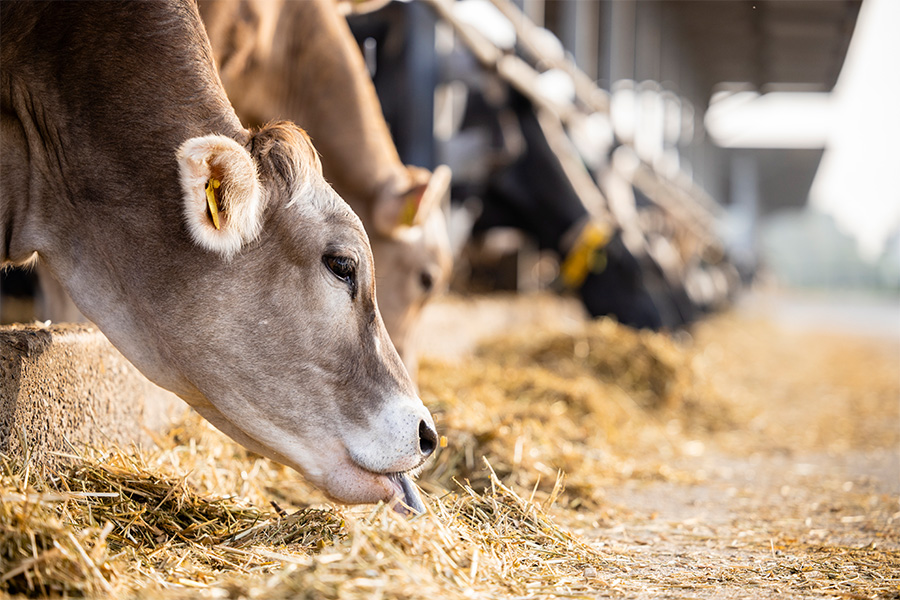
With the growth of the ethanol industry in recent history, the availability of distillers grains, a byproduct of ethanol production, has increased. Distillers grains can serve as an excellent source of nutrients for beef cattle. However, several considerations must be taken into consideration before utilizing this resource. These include economics, nutrient content and potentially deleterious effects when fed improperly. This publication will provide guidelines and examples of how to use this feed resource.
|