Animal and Dairy Science Resources
-

Vaccines are an integral part of a comprehensive herd health program. When used in conjunction with other management tools, vaccines can reduce both the risk and impact of disease in beef cattle herds. Nevertheless, when used inappropriately, vaccines can be virtually useless and, in some cases, result in impaired productivity and significant economic losses.
|
-

Mastitis continues to be a major livestock disease afflicting the U.S. dairy industry. As the industry strives to improve milk quality to meet consumer as well as exportation demands, the legal limit for bulk tank sec will likely be reduced from 750,000/ml to 400,000/ml in the near future. It is estimated that between 10 and 20% of US dairy farms, mostly located in the Southeast, are currently at or above the 400,000/ml SCC limit and will have to adopt stricter methods for controlling mastitis in their milking herds, dry cows, and heifers.
This publication reviews the survey results of adoption rates for mastitis control measures and shows that there is much room for improvement.
|
-

Properly managed ponds supply an abundance of fish for recreation and nutrition. Stocking methods and catch rates are used to keep pond balance. Liming and fertilization recommendations for ponds in Georgia are important when planning fish harvest goals. A variety of fish species for pond stocking are discussed in this publication. Methods to improve pond balance, including fish population renovation, are also presented for consideration as part of a management plan. This resource is primarily for Cooperative Extension agents and fish pond owners and was written in an effort to consolidate currently accepted pond management methods.
|
-
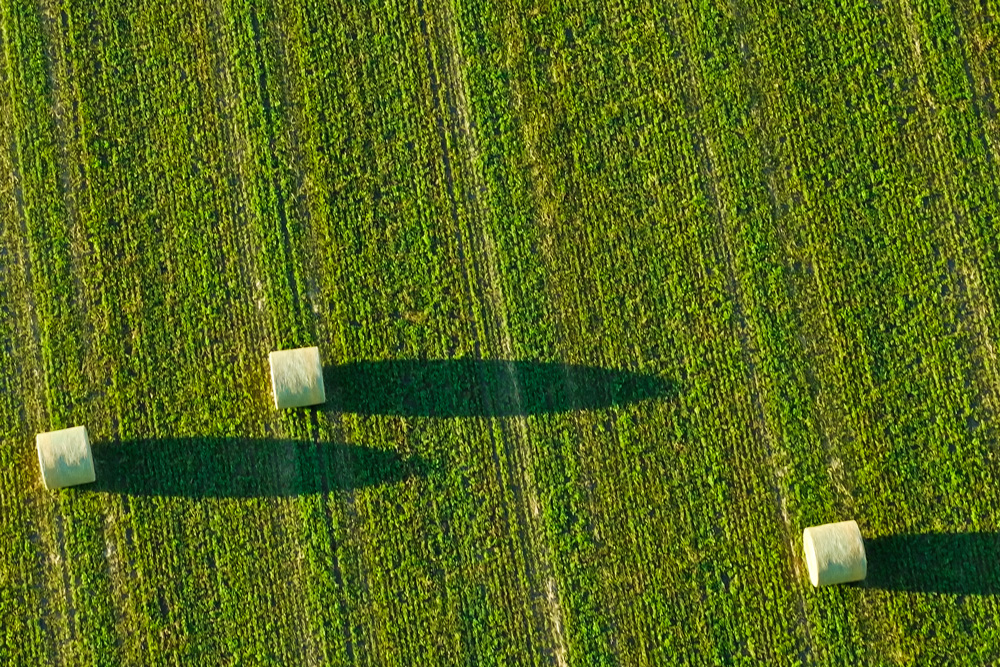
This resource provides a guide to the various forage systems that could be used for stocker development and provides guidelines for managing grazing or hay harvests for optimum forage yield and quality.
|
-

This publication contains English-Spanish translations of common dairy reproduction terminology to help producers better use Spanish to evaluate reproductive management and communicate with employees.
|
-

C 1048
Oxygen Depletion in Ponds
Fish ponds may experience a loss of oxygen at any time of the year, depending on the weather and amount of nutrient enrichment the pond has received; however, most oxygen depletions occur in warm weather and usually follow a period of cloudy, overcast conditions. Low oxygen concentration in pond water means stress and possibly death for the pond fish. When fish die from low oxygen, there can be serious financial consequences for commercial fish operations; for example, largemouth bass, bream and grass carp can be worth more than $3,000.00 per acre. Therefore, pond owners should consider a plan to provide aeration for their ponds before oxygen depletions occur.
|
-
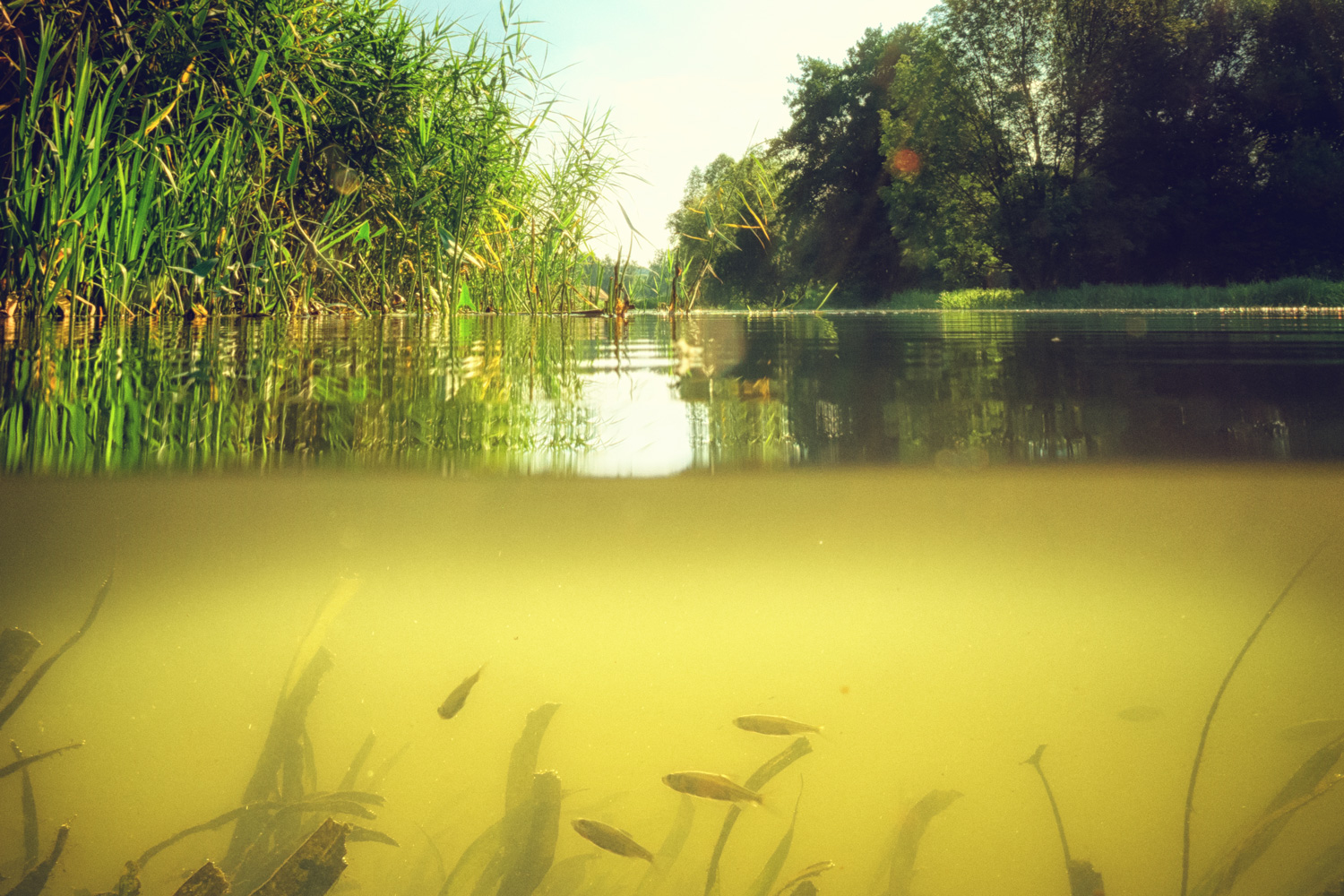
Dry weather tests pond design limits for water retention, watershed area and depth. Without adequate rainfall, ponds and the property around them lose value and the pond owner can lose the fish or have to spend substantial amounts of money for weed control or pond renovation. Over the past decade, drought conditions have been the normal weather pattern across the southeastern United States. Pond design and water management options should be considered each year to plan ahead for drought effects.
|
-
C 859
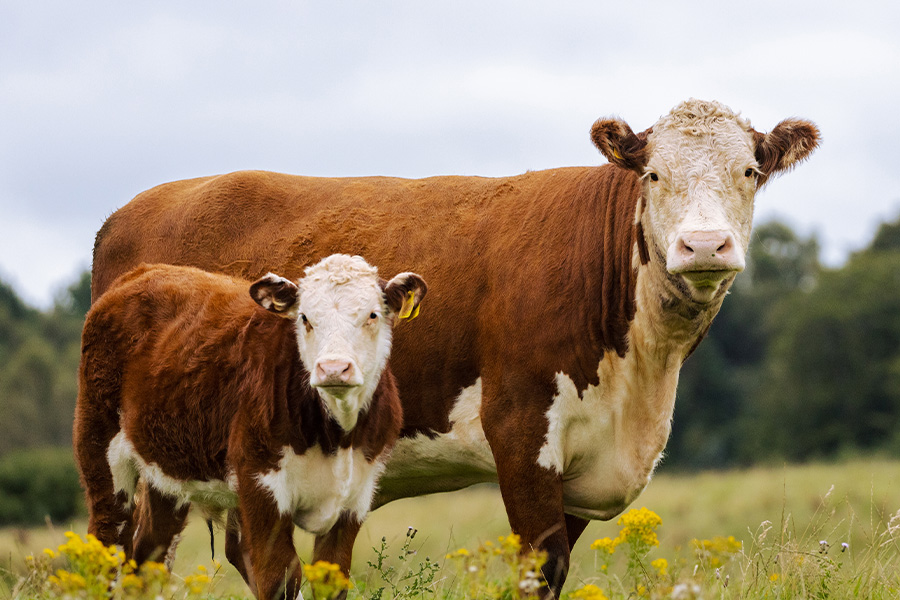
Selecting a Beef Breed
New cattle producers frequently ask, “Which breed should I choose?” This question brings cold chills to many knowledgeable cattle producers and excitement to just as many enthusiastic breeders. The diversity of resources and management capabilities of any operation makes this question difficult to answer.
|
-

Financial data for the year 2005 were collected from participating dairy farms and screened for completeness and validity. Each dairy farm then received a benchmark report detailing its financial results compared to the average results for the other participants and the six dairy farms with the highest net farm income per cwt. This benchmark report is discussed with the dairy farms to identify challenges and opportunities for improvement. This publication is a summary of the financial performance of the dairy farms that participated in 2005. It is intended for general use by dairy farmers, the allied industry, government, and educational professionals.
|