Animal Production Resources
-

AP 130-1-07
2023 Beef Cattle Outlook
1. Severe drought elevated cow slaughter in 2022. With fewer cows to slaughter in 2023, cattle prices are expected to increase. 2. China could become the largest export destination for U.S. beef in 2023. 3. As per capita beef consumption grows, there also will be a growing interest in plant-based alternatives.
|
-

AP 130-1-10
Honey Bees 2023
1. Honey production overall for 2022 was below average for the state. However, in some regions yields of two types of honey, northern wildflower and sourwood, were above average. 2. Colony losses for commercial operations were higher than 2021, with some reporting a 60%–70% loss, and backyard beekeepers in some cases experiencing losses above 80%. 3. Varroa destructor (parasitic mites) remains the leading cause of colony loss in Georgia and nationally. 4. Demand for packages, nucleus colonies, and queens were down for 2022.
|
-

AP 130-1-09
2022–2023 Commercial Poultry Outlook
Author: Dennis Brothers, Associate Extension Professor, Auburn University, Agricultural Economics and Rural Sociology. 1. The domestic chicken market is strong with a good supply in the short- to midterm, though highly pathogenic avian influenza (HPAI) continues to loom large in the United States and could be a major impact in 2023. 2. High building costs an increasing interest rates are obstacles to expansion on the live side. 3. Future changes to the contract-grower pay model could be beneficial to growers, but caution is warranted. 4. HPAI and California Proposition 12 ruling likely to have an impact on future table egg prices.
|
-
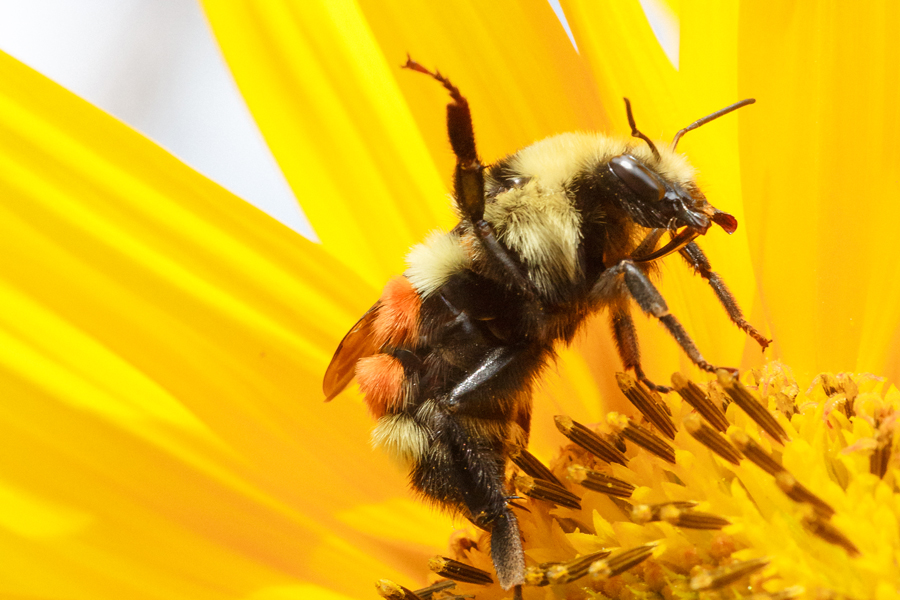
Bumblebees are prone to catch your attention with their sonicating buzz or conspicuous and colorful appearance. They are robust, fuzzy-looking insects, with varying bands of coloration and a hairy abdomen. This characteristic differentiates them from the look-alike carpenter bees, which have bald abdomens. Bumblebees usually are active from early spring through fall, visiting and collecting pollen and nectar from flowers, and are distributed worldwide, with up to 260 species all over the globe. Most species are encountered in the Northern Hemisphere, while others are located in Central and South America and northern Africa. Forty-nine bumblebee species in the United States are known, and 17 of them are found in Georgia.
|
-

Commercial poultry producers are looking for ways to improve their environmental impact and also to increase their profitability. Using container composters as a method of daily mortality disposal can be a viable option. Container composters are environmentally friendly compared to the incineration of carcasses, which can result in the emission of atmospheric particulates and greenhouse gases.
|
-
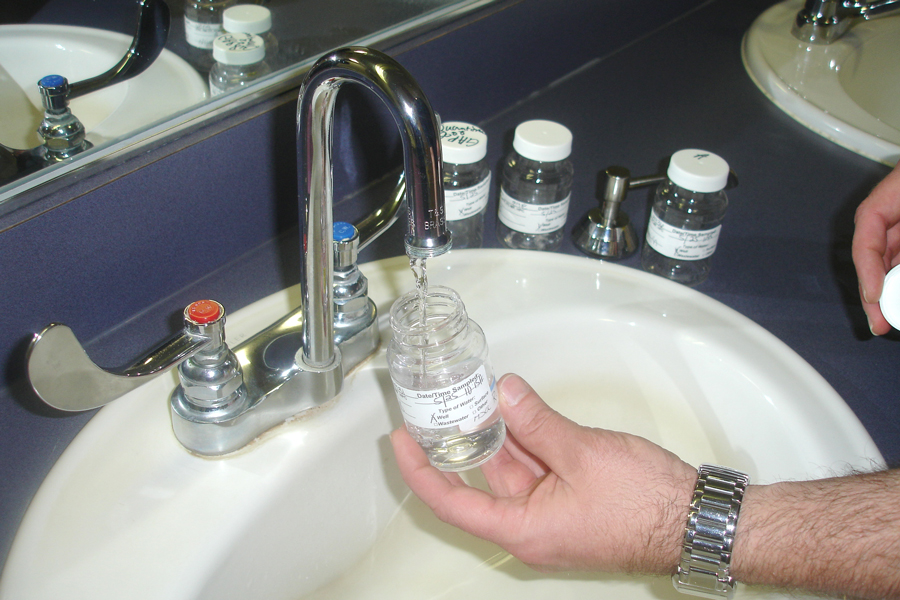
An abundant supply of clean, safe drinking water is essential for human and animal health. Water from municipal or public water systems is treated and monitored to ensure that it is safe for human consumption. Many Georgia residents, especially in rural areas, rely on private water systems for human and livestock consumption. Most private water systems are supplied by wells. Water from wells in Georgia is generally safe for consumption without treatment. Some waters, however, may contain disease-causing organisms that make them unsafe to drink. Well waters may also contain large amounts of minerals, making them too “hard” for uses such as laundering, bathing or cooking. Some contaminants may cause human health hazards and others can stain clothing and fixtures, cause objectionable tastes and odors, or corrode pipes and other system components.
|
-
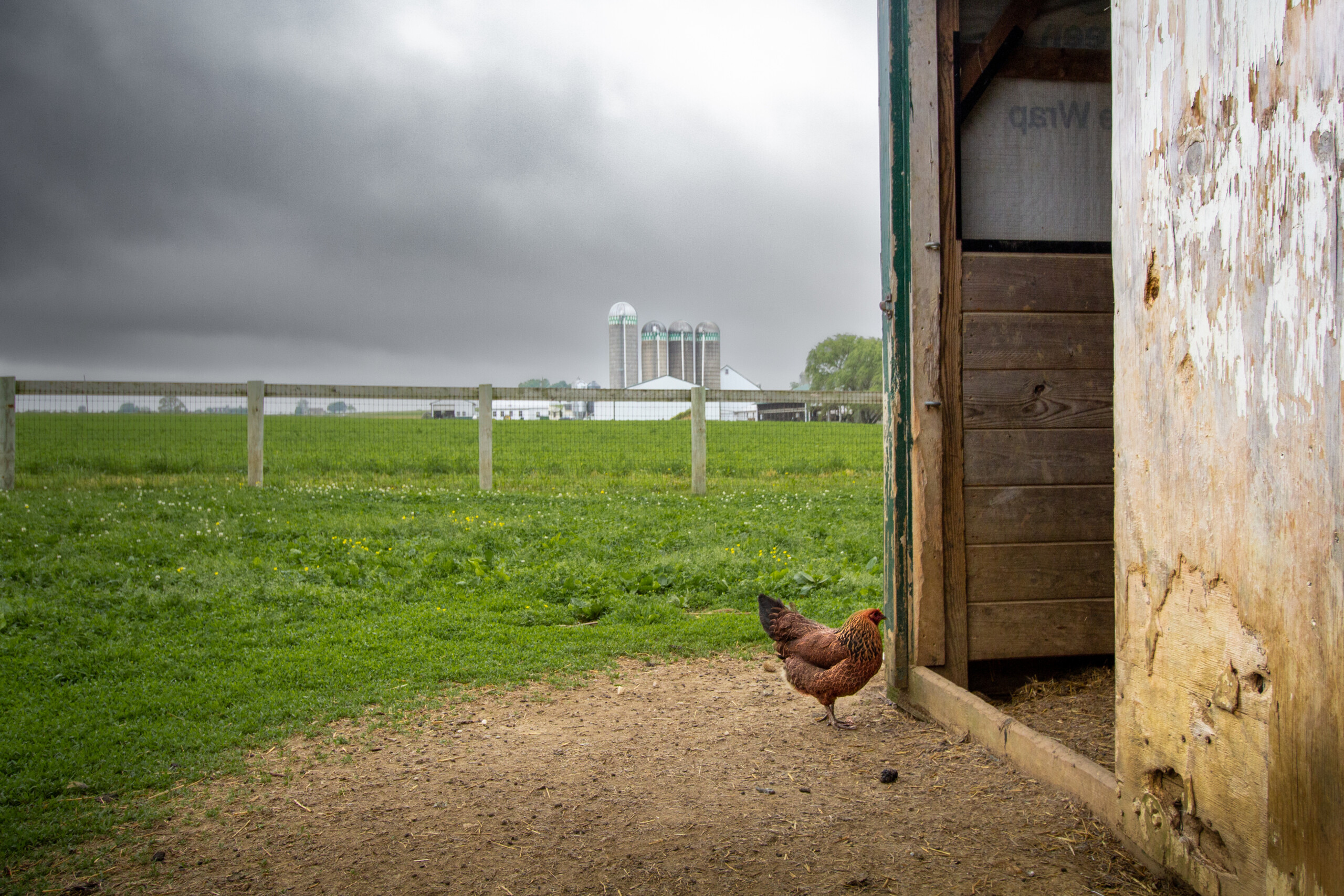
This publication provides information relevant for agriculture and other industries that are under increasing public pressure to reduce emissions of certain atmospheric gases. Explanations are given about greenhouse gases, carbon footprints, reducing fossil fuel use, alternative energy sources, manure management and carbon credits. Knowing your carbon footprint or energy use can help poultry producers reduce the amount of energy they use and improve their bottom line.
|
-

The cumulative greenhouse gas (GHG) emissions from any human activity are commonly referred to as the carbon footprint. The Poultry Carbon Footprint Calculation Tool was developed and designed specifically for poultry production farms. The tool can be used to estimate the greenhouse gas (GHG) emissions from pullet, breeder, and broiler grow-out farms.
This publication provides an overview for poultry producers on how to use the tool and gives recommended applications. The tool can be downloaded from
https://poultry.caes.uga.edu/content/dam/caes-subsite/poultry/documents/GHG-Calc-Tool.xlsm|
-

Pine shavings are the most popular bedding material used in poultry houses. Due in part to the expansion of the poultry industry, pine shavings are in short supply, and alternative bedding materials are being tested.
Giant miscanthus grass (GMG) is one such material. GMG is a perennial grass that is dried and chopped into one-inch pieces for bedding. When compared to pine shavings, GMG is a good option for bedding material in poultry houses.
|