Animal Production Resources
-
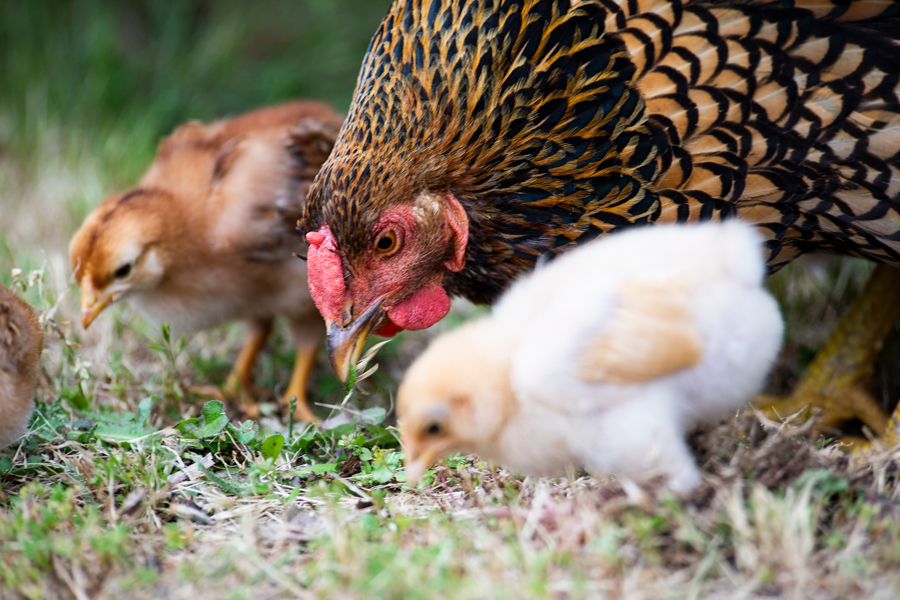
This publication focuses on raising a small flock of chickens (50 or less) for meat and eggs (either for hatching or eating).
|
-

Nutrition can play a key role in achieving peak athletic performance in horses. This publication discusses ways to enhance feeding strategies to maximize training and conditioning programs and keep horses in peak physical condition. It also includes a Body Condition Scoring table.
|
-
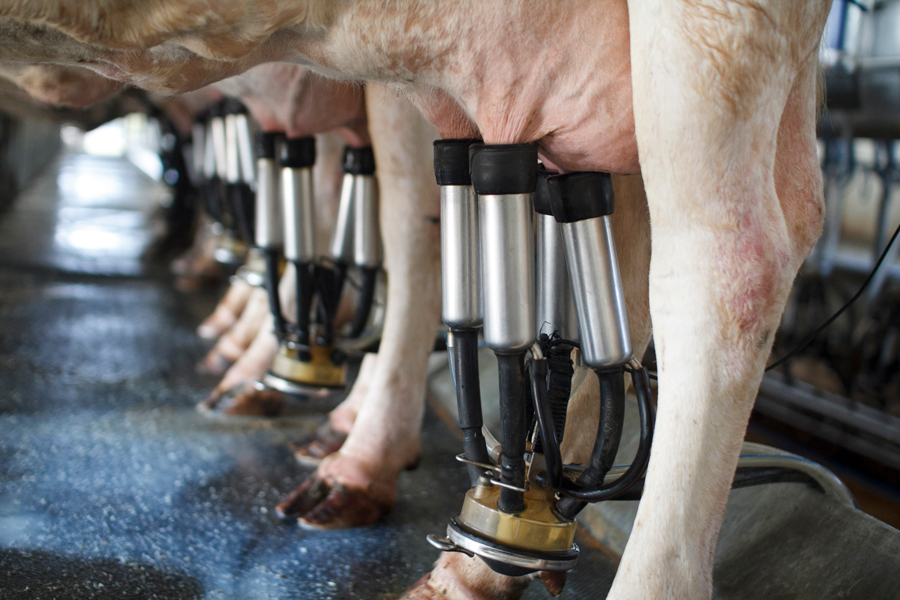
According to the National Mastitis Council, the recommended milking procedure for dairy animals is 1) provide low-stress environment, 2) check foremilk and udder for mastitis, 3) wash or predip teats with an effective disinfectant, 4) completely dry teats with a single-use towel, 5) attach milking unit within 120 sec of teat stimulation, 6) adjust milking units as necessary, 7) shut off vacuum for removing the unit, and 8) dip teats with a postdip disinfectant. One of the most critical steps in this recommended routine is checking foremilk to not only ensure there are no signs of mastitis and to maintain milk quality, but also to effectively stimulate the teats in preparation for milk collection. Thus, stripping the first three to five streams of milk (foremilk), during the premilking routine serves three important purposes including: teat stimulation which can result in optimal milk release, enhanced milk quality by removing the highest bacterial and somatic cell count milk, and identification of mastitis to allow rapid, well-informed decisions regarding further evaluation, milk culturing, and/or antibiotic therapy. This publication will discuss the purposes of forestripping for dairy animals to serve as an educational resource when creating and evaluating best milking practices.
|
-

Livestock shows and purebred sales often require an ear tattoo as a form of permanent identification. If the rules of your next event require a tattoo, it is imperative for it to be accurate and easily read. Mistakes or improper application of tattoos can be very frustrating situations for everyone involved. Illegible, infected or incorrect digits are unfortunately common. Following a few key steps can help improve the effectiveness of tattoo application and the ease with which they can be read. So, let’s make sure that it is done right the first time. Please remember also to check your tattoos often.
|
-
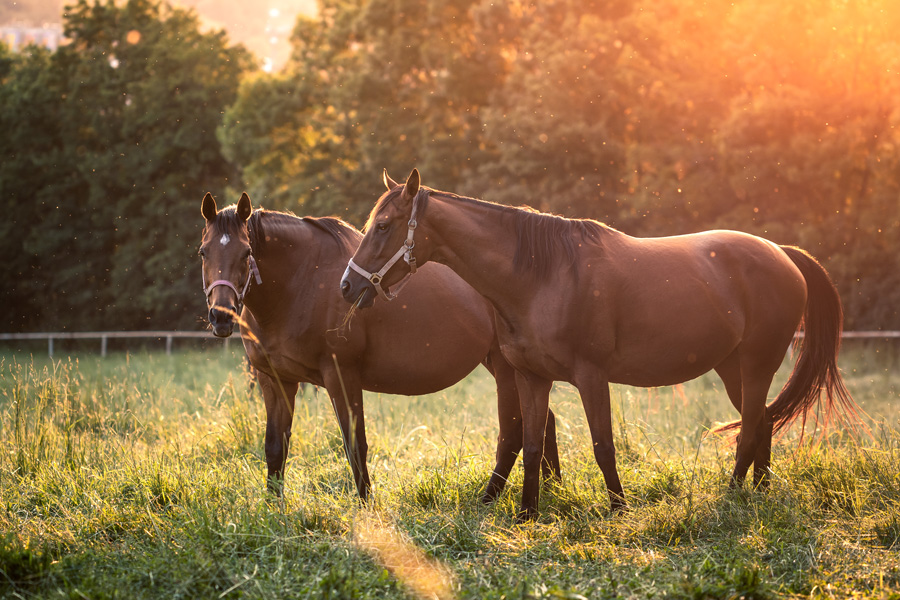
B 1465
Managing the Pregnant Mare
To have a successful equine breeding program, producers must be able to ensure delivery of a healthy foal while maximizing the health of the mare. The information in this bulletin is designed to provide basic concepts in pregnant mare management.
|
-
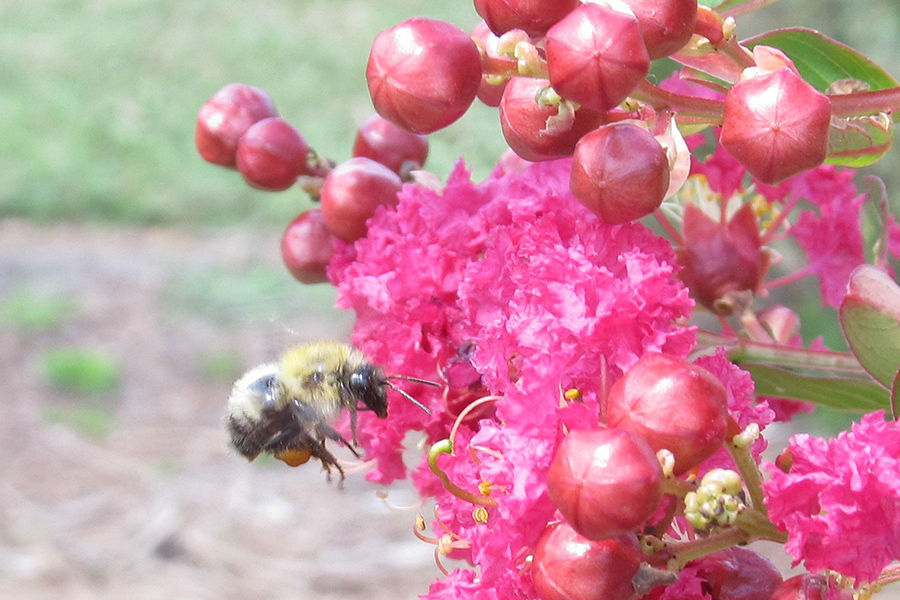
Crape myrtles are popular landscape shrubs and small trees. Native to China, Japan, and Korea southward to Oceania, crape myrtles have been cultivated in the U.S. for more than 175 years. Cultivars range from 3-ft shrubs to 30-ft-tall trees, and they are graced with large panicles of white, pink, lavender, purple, red, and many colors in between. Among cultivars, crape myrtles have a wide range of tolerance to key pests and diseases, such as powdery mildew, flea beetles, crape myrtle aphids, and Japanese beetles. The plant’s flowers are widely admired by humans and can serve as nectar and pollen sources for pollinators. With the recent decline in pollinator health and diversity, pollinator visitation, pest susceptibility, and horticultural attributes should all be considered when choosing crape myrtle cultivars for home and commercial landscapes.
|
-
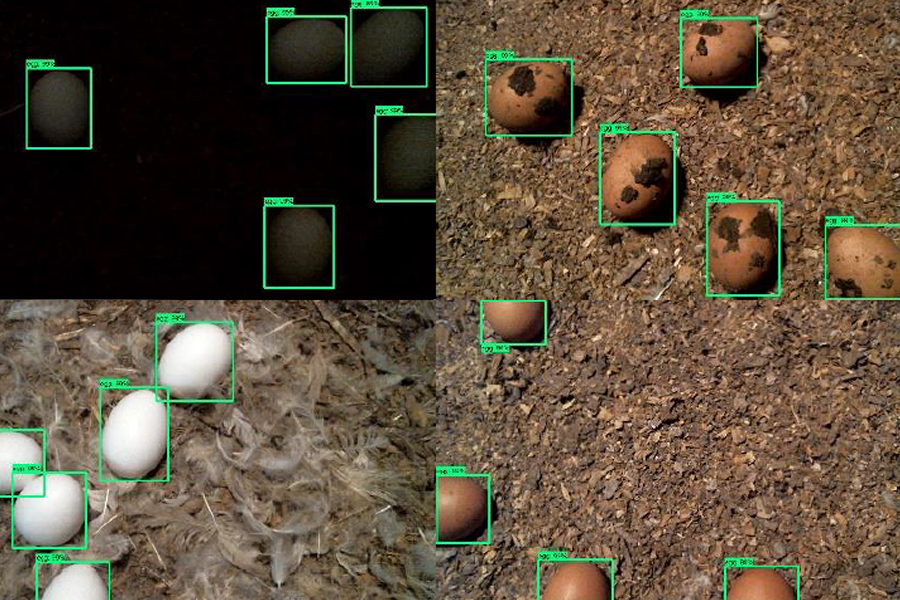
Researchers have investigated the issue of mislaid eggs in cage-free housing and the possibility of reducing the incidence of floor eggs through management of lighting, litter and bedding, and nesting space, and the use of robotics. Methods with potential for managing mislaid or floor eggs in cage-free layer houses can be summarized as follows: 1. House-lighting time management: In cage-free aviary systems, lighting management is used to help control floor-access time. According to observations in commercial cage-free layer houses, most floor eggs are laid at first light. Delaying floor access time in the morning may help reduce floor eggs by keeping the birds near the nests for the first few hours of light. 2. Light intensity and distribution: Make sure to provide sufficient light intensity evenly across the litter floor. Increasing the light intensity under the aviary system has been tested to be effective at reducing over 80% of floor eggs. 3. Bedding depth: Scratch areas covered with litter help reduce the risk of feather pecking and cannibalism, and minimize flightiness, for hens living in large flocks. However, deep litter attracts birds to lay eggs on the litter itself. According to research conducted at Iowa State University, reducing litter depth discourages hens from laying eggs on floor of commercial cage-free houses. 4. Nesting space: Nesting behavior is a key priority and important welfare indicator for egg production, so providing hens with safe and secure locations to lay eggs is critical. A good nesting design in cage-free systems facilitates egg collection, minimizes the risk of cloacal cannibalism, and assists food safety and sanitation.
|
-

This Excel workbook will allow you to fit data from nutritional experiments to several models. It includes a PowerPoint presentation that shows you how to use the Excel workbook to fit several regression models to experimental data. The models may be used to estimate nutritional requirements or the most economical feeding levels of critical nutrients. All you need is Microsoft Excel (with macros enabled), the downloadable Excel file, and some input/output data.
|
-

This publication gives a procedure to calculate the value of broiler litter based on prevailing retail selling prices of commercial fertilizers containing nitrogen, phosphorus and potassium.
|