Animal Production Resources
-

Sprouted grains are usually considered unsuitable for milling or distilling; however, they can serve as an excellent source of nutrients for cattle.
Wheat, which is commonly used for human consumption, is usually priced higher than other feedstuffs and is typically not utilized for livestock consumption. Sprouted wheat, however, is discounted heavily at the mill and may be economically feasible to incorporate into beef cattle rations.|
-

The pre-breeding period (2 months prior to breeding) is essential for preparing bulls for a successful breeding season. This is particularly important for yearling bulls as they are still growing and will use for energy during their first breeding season. Pre-breeding management should include an adaptation period, breeding soundness exam, health care, exercise, and an evaluation of body condition score. These topics are discussed in the circular. Proper pre-breeding management will increase reproductive efficiency and profitability in beef herds.
|
-

In the Southeastern U.S., beef cattle producers focus on forage management and maximizing the grazing season. To that end, Southeastern cattle spend the vast majority of their lives either grazing or consuming stored forage. Cereal grains and coproduct feeds are also commonly used nutritional supplements for cattle in times of elevated nutrient requirement. Any disease or disorder in the beef herd represents a nutrient drain and subsequent economic inefficiency. Sudden shifts in dietary composition as well as mineral imbalances are the primary causes for most nutritional and metabolic disorders. This publication contains an overview of the common nutritional and metabolic disorders that may affect beef herds in the Southeast along with management strategies that can be used to minimize the effects of these disorders in beef cattle production systems.
|
-

Due to cows’ universal exposure to manure, which contains E. coli and other gram-negative bacteria, as well as the requirement to maintain sec as low as possible, all cows should be vaccinated with one of the coliform vaccines available on the market. These vaccines have been proven to significantly reduce clinical coliform mastitis and have been shown to be profitable when incidence of clinical coliform mastitis exceeds 1% of milking cows.
|
-
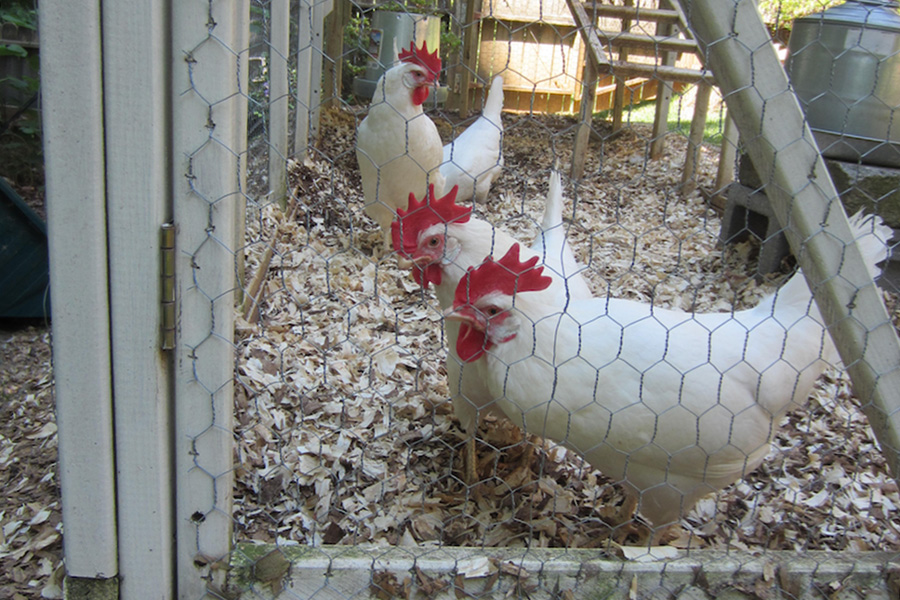
Your coop is ready. You’ve built a covered run or exercise yard to keep your chickens safe from predators and wild birds that carry diseases. Your chicks are old enough to move outside, and you’re eagerly awaiting your first fresh eggs.
In the meantime, your chickens are producing something else on a daily basis: manure. How do you handle all of that poultry poop so that your neighbors don’t complain about the smell and the flies?
One good answer is composting. Properly composted poultry litter—manure mixed with bedding material, such as pine shavings—is a valuable soil amendment. However, just as it takes care and management to get your chickens into laying condition, it takes care and management to compost the litter from poultry housing environments.
|
-

Body condition scoring (BCS) is an easy and economical way to evaluate the body fat percentage of a cow. Cows can then be sorted and fed according to nutritional needs. Body condition scoring can be an effective tool for cattle producers who cannot weigh cattle, and it may be an even better measurement of cow condition and reproductive performance than weight. Most studies show that body condition decreases at a faster rate than weight loss. Therefore, body condition scoring can estimate the probability of re-breeding.
|
-

Clean water for cattle is important for animal health and production and water delivery systems require routine maintenance and monitoring.
|
-

Autumn and winter are busy seasons for beef cattle producers, and many times grazing and cattle management are not as tightly regulated as in other times of the year. Many Southeastern cattle operations include pastureland that encompasses or borders oak timbers; most North American oak trees are considered toxic. Therefore, when cattle venture into timber land in search of grazing, there is an increased chance that acorns will be consumed and toxicosis may occur. The purpose of this bulletin is to educate producers on the symptoms and prevention of acorn toxicosis in beef cattle.
|
-

When it comes to managing a dairy herd, infections and inflammation of the cow’s uterus can have negative implications for animal welfare, milk production, and rebreeding capacity. Maintaining uterine health is essential for proper ovarian function and the creation of a uterine environment that is favorable for successful pregnancy. Although all production species can suffer from disruptions to uterine health after parturition, the prevalence of endometritis is notably greater in dairy breeds when compared to other breeds of cattle. Producers should be willing and able to assess uterine health through reproductive records and visual observations (with or without additional tools), and work with their veterinarian for identification and treatment of subclinical cases of endometritis if an issue is apparent. This bulletin provides information on how to minimize the risk of endometritis.
|