Animal Production Resources
-

Pregnancy diagnosis is an important part of reproductive management in productive beef cow-calf operations. Open cows decrease profitability as they utilize similar resources as pregnant cows without producing a marketable calf to justify these costs. With the move toward more efficient operations and inclusion of artificial insemination (AI) and other reproductive technologies in cattle production, abstaining from pregnancy diagnosis may no longer be economically viable or practical. Establishing a pregnancy diagnosis program allows for the detection of cows that are not pregnant and allows producers to make management decisions to increase reproductive efficiency, such as culling of infertile females or resynchronizing females that are open. Although the economic benefits of incorporating pregnancy diagnosis are clear, the rate of adoption by beef cow-calf operations is considerably low in the United States. This article provides an overview of the different methods available (rectal palpation, transrectal ultrasound, and blood tests) for pregnancy diagnosis and provides a practical description of how to implement these methods.
|
-

The quality of an egg involves both the exterior and interior qualities of the egg. Egg quality includes the cleanliness of the shell, soundness of the shell, thickness of the albumen, and color of the yolk. Good egg quality is critical to maintaining the hatching potential of eggs, as improper handling or storage of eggs will reduce the ability of the eggs to hatch and produce good quality chicks. For table eggs, improper handling and storage of eggs will reduce the grade of the eggs and could pose a potential health hazard.
|
-
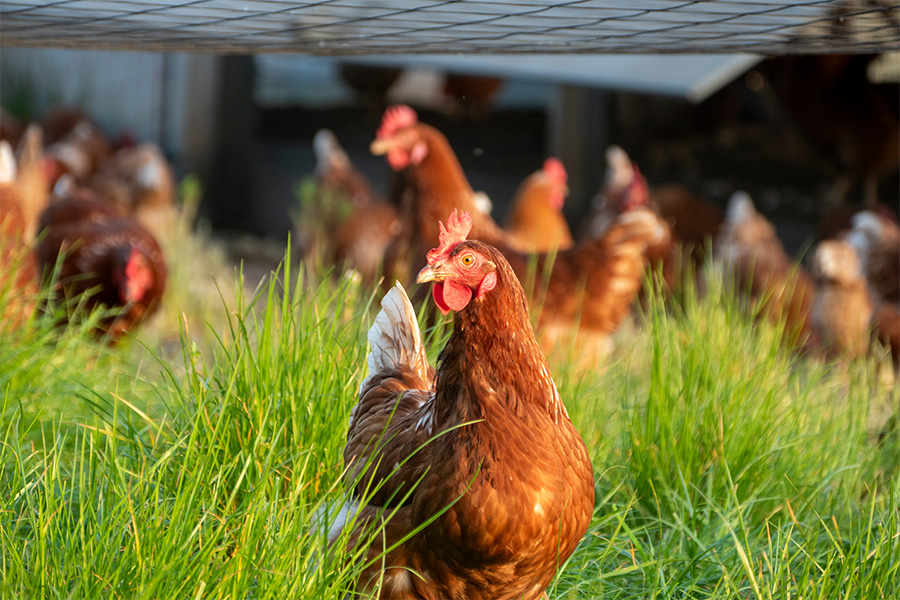
Biosecurity refers to procedures used to prevent the introduction and spread of disease-causing organisms in poultry flocks. Because of the concentration in size and location of poultry flocks in current commercial production operations and the inherent disease risks associated with this type of production, it is imperative that poultry producers practice daily biosecurity measures.
|
-

The Southeast U.S. is susceptible to hurricanes and tropical storms every year. Hurricane season occurs from June 1 through November 30, and these storms are normally forecast several days in advance. Tornadoes, ice storms, thunderstorms, or straight-line winds—potentially damaging winds produced by thunderstorms—are rarely forecast with enough notice to prepare other than to hopefully warn employees. Storms disrupt operations and have the potential to cause injury to people and livestock and devastate facilities and the landscape. Producers should have an emergency plan that safeguards family, employees, livestock, and equipment. The emergency plan should also address how to safely manage the damage after a storm. This resource provides information producers can use to develop an emergency preparedness plan in advance of a storm and suggestions for their potential responses following a storm. No plan will be 100% effective in all situations, but preparing will hopefully minimize damage and help speed the recovery.
|
-
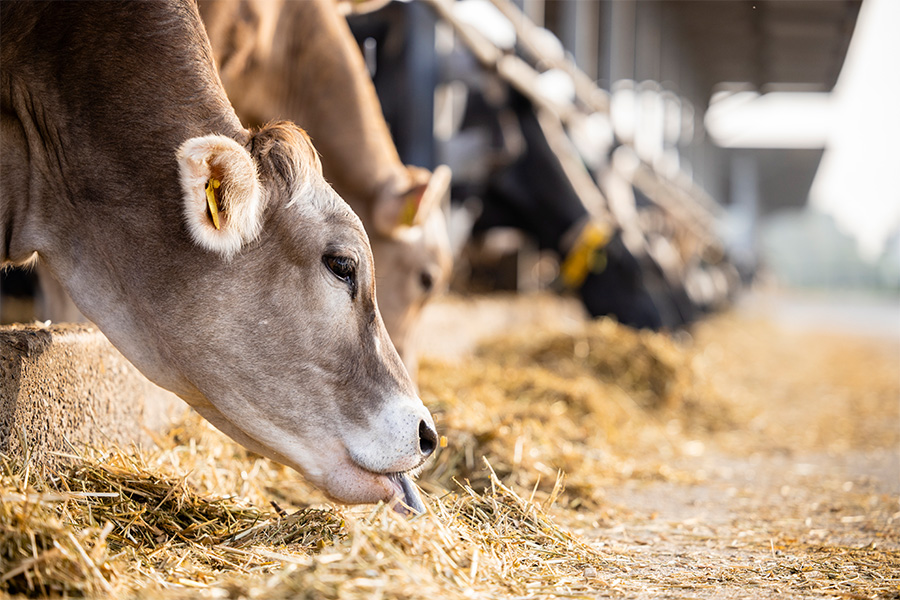
With the growth of the ethanol industry in recent history, the availability of distillers grains, a byproduct of ethanol production, has increased. Distillers grains can serve as an excellent source of nutrients for beef cattle. However, several considerations must be taken into consideration before utilizing this resource. These include economics, nutrient content and potentially deleterious effects when fed improperly. This publication will provide guidelines and examples of how to use this feed resource.
|
-

Research on improving broiler housing is ongoing. Energy costs are becoming more significant to the grower’s bottom line and housing construction, equipment and operation will be paramount in helping to make sure the houses are operated as efficiently as possible. As technology and equipment is redesigned and developed, researchers will continue to examine how broiler housing can be heated, cooled, and built in such a way that modern broilers continue to reach their genetic potential using the most economical and efficient methods.
|
-

B 1302
Implanting Beef Cattle
Implanting nursing calves with a growth stimulant is one of the most economically justifiable practices available in the beef industry. Implants have been shown to increase weaning weights of nursing calves in hundreds of research trials. Stocker and feedlot calves exhibit even greater responses than nursing calves. Implanting returns more revenue per dollar invested than any other management practice.
|
-

This publication provides somatic cell count benchmarks for Holstein herds processed by Dairy Records Management Systems. Some examples of using and applying benchmark values are provided. However, this publication should be viewed primarily as a comprehensive resource of somatic cell count benchmark values. These benchmarks will be useful to dairy producers, dairy managers, consultants, veterinarians and agribusiness representatives as a first step in the analysis of herd management practices. Conduct a more complete analysis of herd management practices in order to pinpoint specific causes and develop solutions.
|
-

This publication provides production and management benchmarks for Holstein herds processed by Dairy Records Management Systems. Some examples of using and applying benchmark values are provided. However, this publication should be viewed primarily as a comprehensive resource of production and management benchmark values. These benchmarks will be useful to dairy producers, dairy managers, consultants, veterinarians and agribusiness representatives as a first step in the analysis of herd management practices.
|