UGA College of Agricultural & Environmental Sciences Field Report
  • Stories
    Almanac

    Science in service of humanity and the environment

    Read our annual magazine here

    READ


    Dive into engaging stories that showcase our statewide, national and global impact.

    Check out our written stories here

    LOOK


    Browse curated photo galleries capturing the people, places and programs that bring CAES to life.

    Check out our photo galleries here

    WATCH


    Experience our stories through videos that highlight our people, projects and passions in action.

    Check out our video library here

    LISTEN


    Tune in to “Cultivating Curiosity,” our podcast featuring in-depth conversations with CAES experts.

    Check out our podcast here
  • Expert Resources

    Expert Resources


    From farms and gardens to families and finances, our expert resources empower Georgians with trustworthy, practical science.

    Gardening
    Invasive species
    Food and food safety
    Ants, termites and other pests
    Pollinators
    Livestock
    Emergency preparedness
    Home safety and maintenance
    Health, family and finances
    Nutrition
    Water quality
    Lawn maintenance and landscaping
    Turfgrass
    View all topics

    What is an Expert Resource?


    We publish unbiased, research-backed expert advice to empower Georgians with practical, trustworthy information they can trust.

    These resources are written and reviewed by experts in the UGA College of Agricultural and Environmental Sciences and the UGA College of Family and Consumer Sciences.

    Learn how we produce science you can trust
  • Events
  • Contact
  • Read
  • Look
  • Watch
  • Listen
Subscribe
  • LinkedIn
  • Facebook
  • Instagram
  • Stories
    Almanac

    Science in service of humanity and the environment

    Read our annual magazine here

    READ


    Dive into engaging stories that showcase our statewide, national and global impact.

    Check out our written stories here

    LOOK


    Browse curated photo galleries capturing the people, places and programs that bring CAES to life.

    Check out our photo galleries here

    WATCH


    Experience our stories through videos that highlight our people, projects and passions in action.

    Check out our video library here

    LISTEN


    Tune in to “Cultivating Curiosity,” our podcast featuring in-depth conversations with CAES experts.

    Check out our podcast here
  • Expert Resources

    Expert Resources


    From farms and gardens to families and finances, our expert resources empower Georgians with trustworthy, practical science.

    Gardening
    Invasive species
    Food and food safety
    Ants, termites and other pests
    Pollinators
    Livestock
    Emergency preparedness
    Home safety and maintenance
    Health, family and finances
    Nutrition
    Water quality
    Lawn maintenance and landscaping
    Turfgrass
    View all topics

    What is an Expert Resource?


    We publish unbiased, research-backed expert advice to empower Georgians with practical, trustworthy information they can trust.

    These resources are written and reviewed by experts in the UGA College of Agricultural and Environmental Sciences and the UGA College of Family and Consumer Sciences.

    Learn how we produce science you can trust
  • Events
  • Contact
  • Read
  • Look
  • Watch
  • Listen
Subscribe
  • LinkedIn
  • Facebook
  • Instagram
Subscribe
  • LinkedIn
  • Facebook
  • Instagram
  1. Home
  2. Expert Resources
  3. Topics
  4. Animal Production

Animal Production Resources

Use the Advanced Search
  • Horn Fly Control to Increase Productivity in Dairy Heifers

    B 1474

    Horn Fly Control to Increase Productivity in Dairy Heifers

    The implementation of horn fly control measures, such as aerosols, bait, strips, foggers, dust bags, traps, oilers, ear tags, pour-ons, natural predators, and insect growth regulators is instrumental in reducing the new infection rate, while existing mastitis cases can be eliminated with antibiotic therapy. Such management practices will promote animal health and well-being, enhancing producer profits by ensuring that heifers calve with low sec and the potential for maximum milk yield.

    Steve Nickerson

    |

    April 18, 2017
  • Using Chemicals in Pond Management

    B 866

    Using Chemicals in Pond Management

    Chemicals are applied to ponds and lakes to control aquatic weeds, to eliminate undesirable fish, to control undesirable insects and aquatic vertebrates, and to correct undesirable water quality problems. Pond owners are often confused by terminology, units of measure, and formulations. This publication explains how to safely and effectively use chemicals for pond management.

    Gary J. Burtle and Jay Shelton

    |

    April 17, 2017
  • B 1045

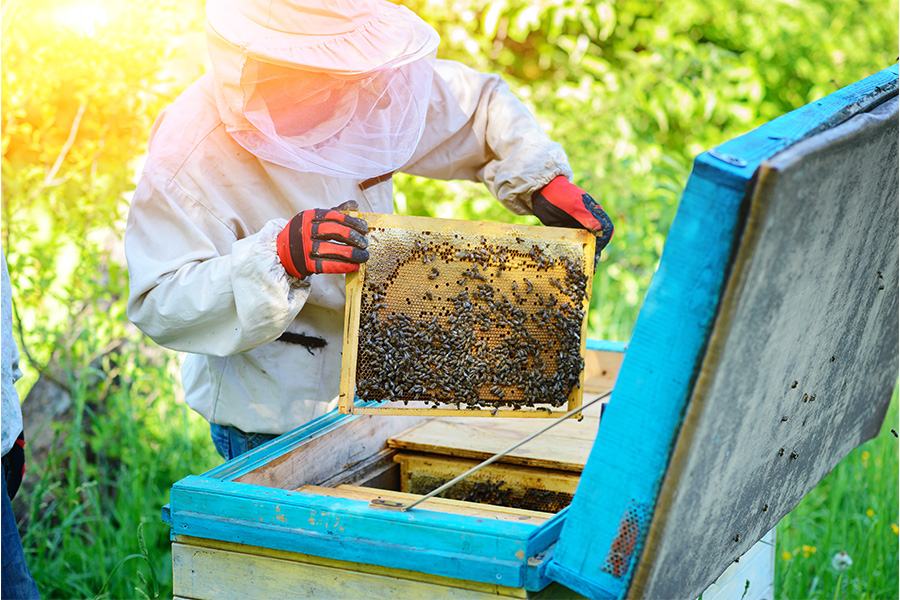
    Honey Bees and Beekeeping

    Honey bees are commonly kept in artificial hives throughout the United States, and a large and sophisticated beekeeping industry provides valuable honey, beeswax and pollination services. A large section of the industry, well represented in Georgia, is devoted to mass-producing queens and bees for sale to other beekeepers.

    Keith S Delaplane

    |

    April 11, 2017
  • Water Requirements and Quality Issues for Cattle

    SB 56

    Water Requirements and Quality Issues for Cattle

    Water is the most important nutrient for cattle. It accounts for 50 to 80 percent of an animal’s weight and is involved in every physiological process. Cattle cannot adapt to water restriction and feed intake greatly decreases if water is restricted. Water availability and quality can become a major issue during a drought. It is important to check water sources frequently for water availability and quality during a drought.

    Lawton Stewart, Ted G. Dyer, and Johnny Rossi

    |

    March 31, 2017
  • Factors Affecting Calving Difficulty

    B 943

    Factors Affecting Calving Difficulty

    Calving difficulty, otherwise known as dystocia, may result in reduced calf performance, delayed estrus and, in some cases, loss of the calf and/or dam. This publication discusses several factors affecting calving difficulty and provides management suggestions that may be useful to prevent its occurrence.

    Tim Wilson, Lawton Stewart, Ted G. Dyer, and Johnny Rossi

    |

    March 31, 2017
  • Reproductive Management of Commercial Beef Cows

    B 864

    Reproductive Management of Commercial Beef Cows

    Reproductive efficiency has long been recognized as the most important aspect of commercial beef production. This publication explains how improved herd management and selection for reproductive performance can substantially increase the percent calf crop.

    Lawton Stewart and Ted G. Dyer

    |

    March 31, 2017
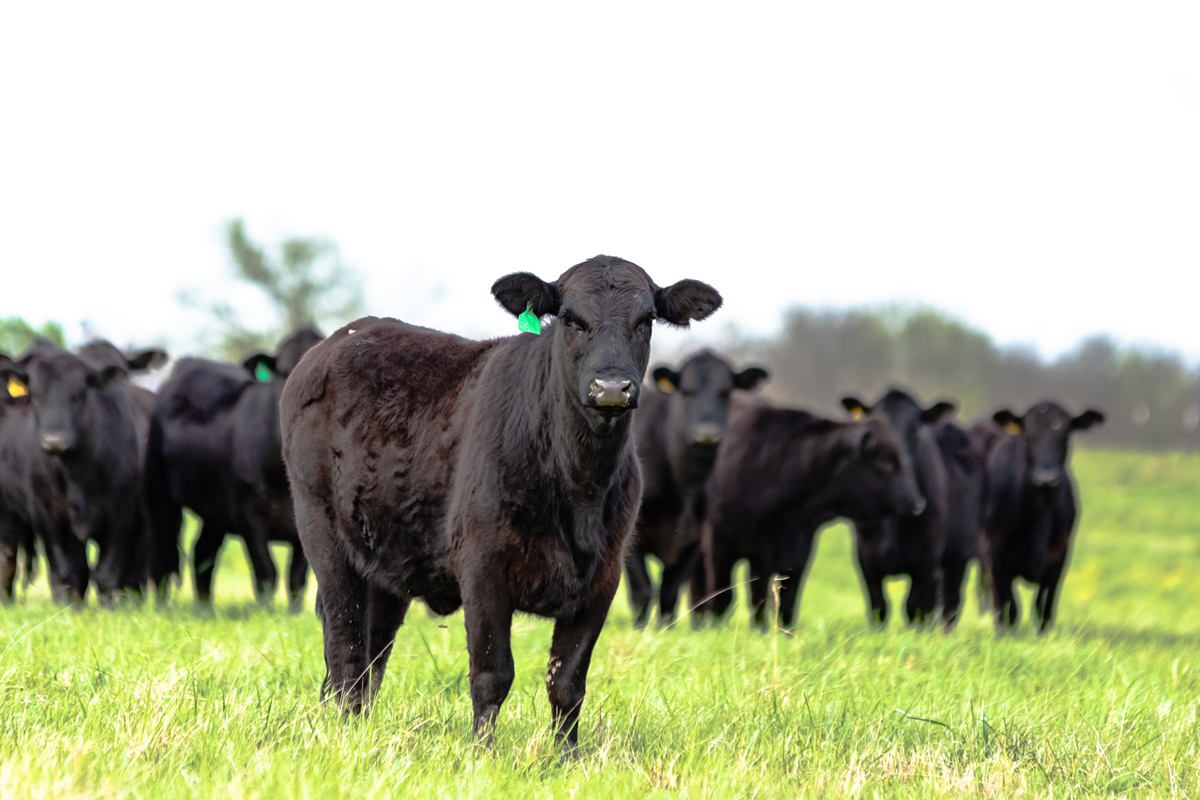
  • Angus cattle herd standing in a field with one heifer in the foreground

    B 1373

    Cutting Costs, Not Corners: Managing Cattle in Tough Times

    Cutting costs allows producers to survive during trying times and also teaches valuable lessons that may actually increase profits in future years. Cutting corners, on the other hand, may save some money in the short-run but ultimately will have very detrimental effects.

    Lawton Stewart, R. Curt Lacy, Dennis Hancock, Ronald E. Silcox, and Glendon H. Harris

    |

    March 31, 2017
  • UGA Feed Cost Analyzer

    B 1377

    UGA Feed Cost Analyzer

    The UGA Feed Cost Analyzer is a spreadsheet-based decision aid to compare potential feedstuffs on a price per pound of crude protein and energy (total digestible nutrients; TDN). This program consists of a feed library prepopulated with some common feedstuffs, a least cost feedstuff analyzer, and a feedstuffs replacement calculator. Each page contains step by step directions on how to use this decision aid.

    R. Curt Lacy, Dennis Hancock, and Lawton Stewart

    |

    March 31, 2017
  • Creep Feeding Beef Calves

    B 1315

    Creep Feeding Beef Calves

    Creep feeding is the practice of providing supplemental feed (grain or forage) to nursing calves. This is usually done with the use of a creep gate, which is large enough for calves to enter the feeding area but too small to allow cows to pass. Creep feeding systems vary from grain-based energy supplements to limit-fed protein supplements to creep grazing. Each system generally produces increased growth, which may or may not be profitable. Creep feeding, like any other supplementation practice, must be analyzed based on estimates of expected increases in performance and income compared to the costs of these improvements. This publication discusses the advantages and disadvantages of creep feeding.

    Lawton Stewart

    |

    March 31, 2017
Previous Page
1 … 16 17 18 19 20 … 24
Next Page

About CAES

CAES Home

Overview

History

Administration

Jobs

Personnel Directory

Privacy Policy

Accessibility Policy

AI Guidelines

Affiliations

UGA Cooperative Extension

Tifton Campus

Griffin Campus

University of Georgia
  • Schools and Colleges
  • Directory
  • MyUGA
  • Employment Opportunities
  • Copyright and Trademarks
  • UGA Privacy Policy
  • Report an Accessibility Barrier
  • Submit a Student Complaint
#UGA on
© University of Georgia, Athens, GA 30602
706‑542‑3000