Beef Resources
-

One of the greatest risks cattle producers face is price risk. Price changes can come in the form of declining cattle prices for sellers, increasing cattle prices for buyers or increasing feed prices for feed users. Because of this risk, producers might want to “insure” feeder cattle, fed cattle or feed against unfavorable price movements, while still being able to take advantage of favorable price movements. Cattlemen have this opportunity by using the commodity options market.
|
-

Cattle producers commonly evaluate reproductive performance by determining how many cows became pregnant during the breeding season. Although pregnancy rates are important, when the females become pregnant within the breeding season is a major component of cow-calf profitability. Cows that become pregnant early in the breeding season calve earlier in the calving season. Consequently, they have more time to recover before the next breeding season, which increases their chances of becoming pregnant and staying longer in the herd. Estrus synchronization programs have the ability of inducing estrus and can be combined with natural service to increase the percentage of cows and heifers that become pregnant early in the season. This publication describe different synchronization protocols that can be incorporated by cow-calf producers utilizing only natural service.
|
-
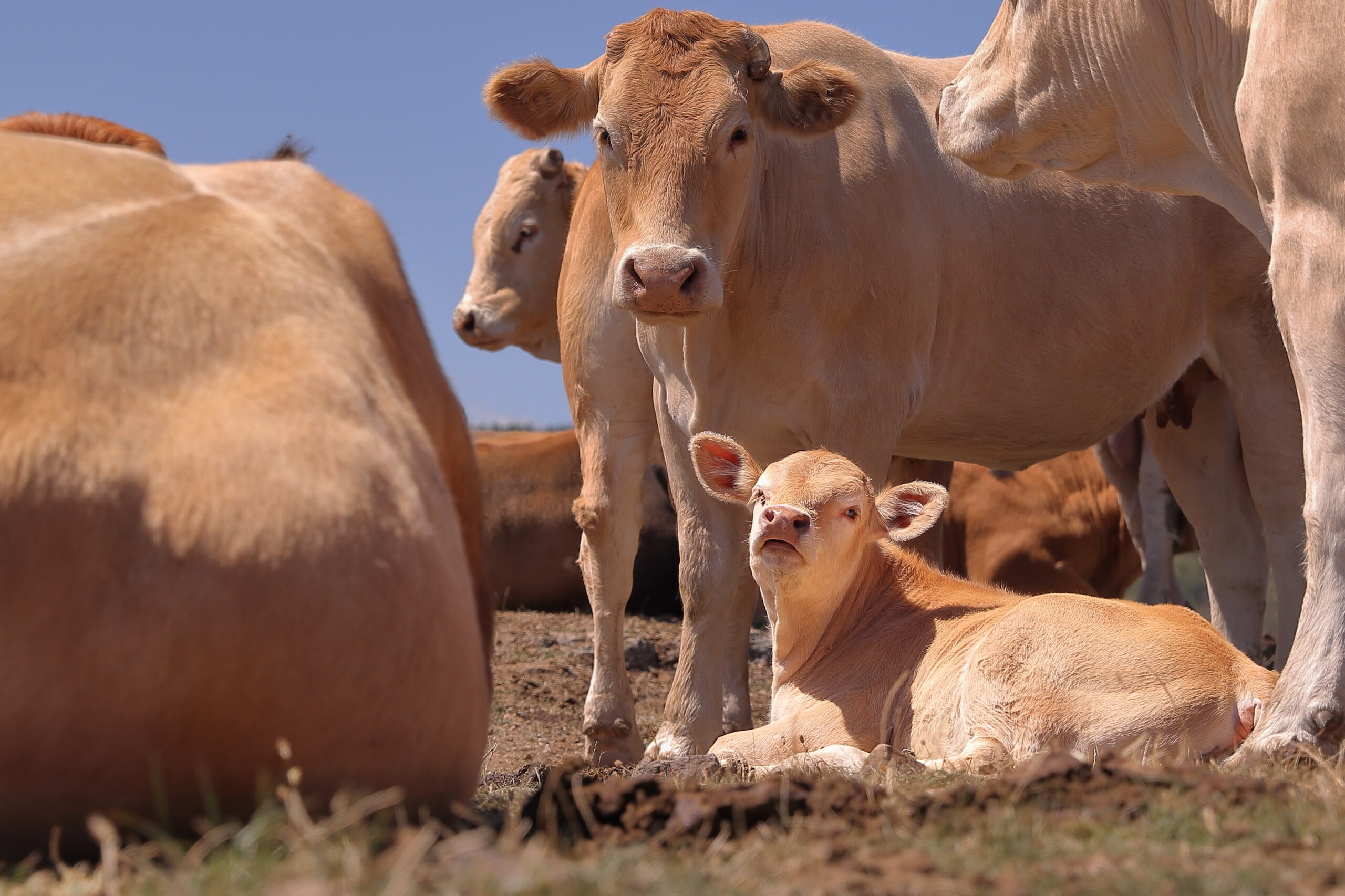
Pregnancy diagnosis is an important part of reproductive management in productive beef cow-calf operations. Open cows decrease profitability as they utilize similar resources as pregnant cows without producing a marketable calf to justify these costs. With the move toward more efficient operations and inclusion of artificial insemination (AI) and other reproductive technologies in cattle production, abstaining from pregnancy diagnosis may no longer be economically viable or practical. Establishing a pregnancy diagnosis program allows for the detection of cows that are not pregnant and allows producers to make management decisions to increase reproductive efficiency, such as culling of infertile females or resynchronizing females that are open. Although the economic benefits of incorporating pregnancy diagnosis are clear, the rate of adoption by beef cow-calf operations is considerably low in the United States. This article provides an overview of the different methods available (rectal palpation, transrectal ultrasound, and blood tests) for pregnancy diagnosis and provides a practical description of how to implement these methods.
|
-
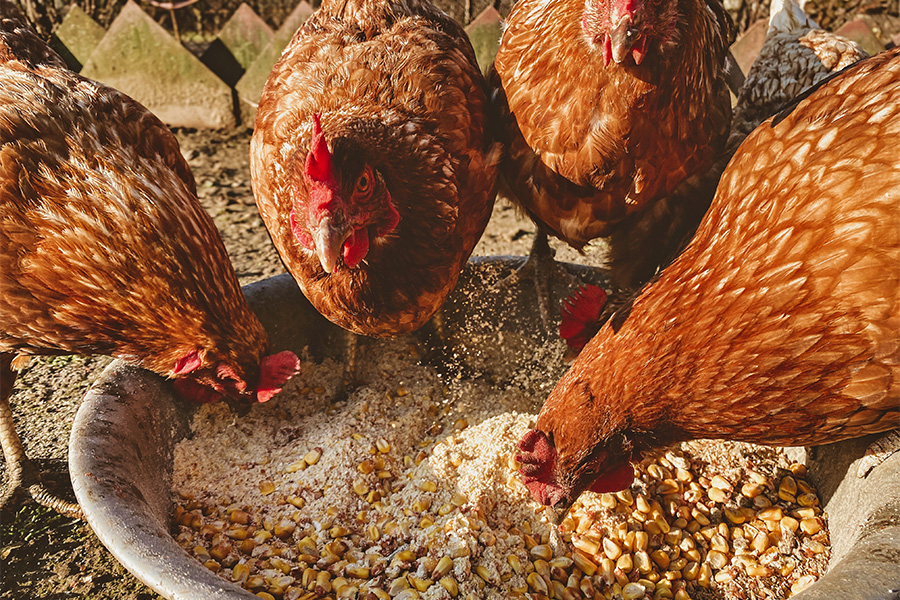
This bulletin is an educational reference for those who are interested in animal feeding and nutrition. It defines common terms used when discussing or reading about animal feeding and nutrition.
|
-

This management guide provides producers with specific tactics that may minimize the potential for short- and long-term problems during a drought. These tactics are based on specific characteristics including water loss, forage growth, and rainfall.
|
-

Toxic weeds may be found in pastures and hayfields throughout Georgia. This resource can help you identify the species on your farm and what symptoms to watch for in grazing livestock. If you suspect that your animal has consumed a toxic plant species, please contact your local veterinarian for an official diagnosis and treatment.
|
-

This resource is for university researchers and Extension specialists, county Extension agents, and producers of livestock, forages, and feeds. It highlights the role of selenium in animal nutrition; selenium concentration and distribution in soils and feedstuffs (grains and forages) produced in various parts of the United States and in Georgia; disorders resulting from selenium deficiency or toxicity; various methods of selenium supplementation; and recommendations for selenium management in Georgia.
|
-

Understanding the concept of basis is a key element in developing a sound marketing plan. Basis refers to the relationship between a commodity’s cash price in a local market and its futures market price. A more formal definition of basis is the difference between the cash price and the futures price for the time, place and quality where delivery actually occurs. Even if a producer never uses the commodity futures market directly, knowledge of the basis can be of great value when making marketing decisions.
|
-

In today’s farming environment of extreme price volatility and large debt commitments, most livestock producers need the security of one or more of the advantages offered by price risk management. Livestock producers who are selling products or purchasing inputs can do one of two things when making pricing decisions: accept the market price when they are ready to deliver products or purchase inputs, or reduce input and product price risks by using price risk management tools. One of these price risk management opportunities is available through futures markets contracts. This publication explains how livestock producers can use futures markets to manage price risk.
|