Beef Resources
-

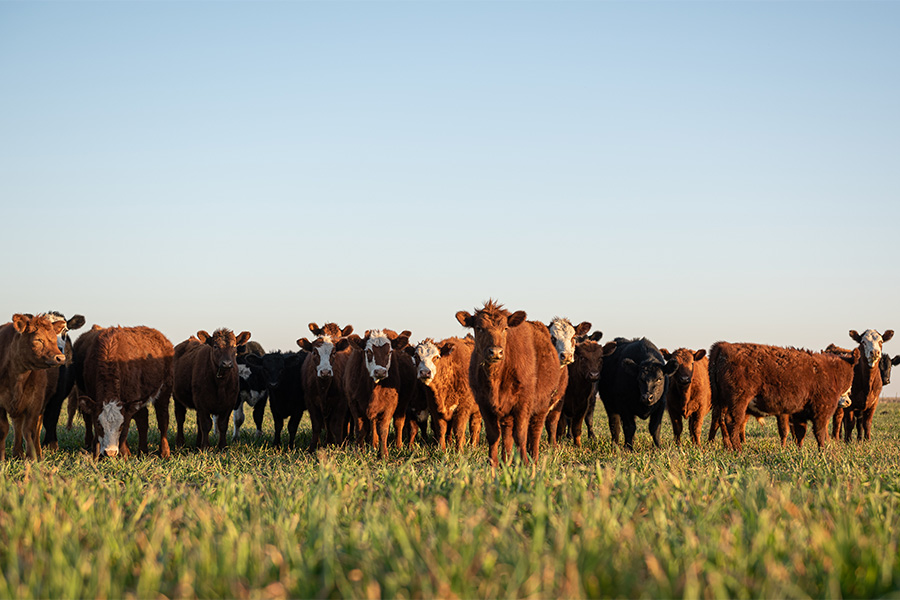
Adjust rations for the dry matter (DM) content of each feed, especially when wet feeds, such as silage, are fed. Small changes in the DM content will change the nutrient profile of the ration. The potential results of not monitoring the DM content of wet feeds and adjusting rations accordingly are a combination of problems including decreased animal performance and feed efficiency and increased health problems and feed cost.
|
-
B 1161
Beef Management Calendar
This calendar contains a monthly listing of the common management practices needed for commercial beef herd production in Georgia. Some are recommended at a certain time of the year and others are recommended when calves are a certain age or at a certain point in their reproductive cycle.
|
-

Producers need to be aware of the impacts that manure can have on water and air quality. However, management of manure and other byproducts of livestock and poultry production has important impacts on farm profitability, neighbor relations and protecting soil and water quality.
This publication covers: Farm and Homestead Maps; Manure Storage and Treatment; Nutrient Budgeting with Nitrogen and Phosphorus; Land Application of Manure and Fertilizers; Grazing Land; Pesticide and Chemical Management for Water Quality; Mortality Management; Record Keeping; Coexisting with Neighbors; Emergency Action Plans; and other resources.
|
-

Vaccines are an integral part of a comprehensive herd health program. When used in conjunction with other management tools, vaccines can reduce both the risk and impact of disease in beef cattle herds. Nevertheless, when used inappropriately, vaccines can be virtually useless and, in some cases, result in impaired productivity and significant economic losses.
|
-
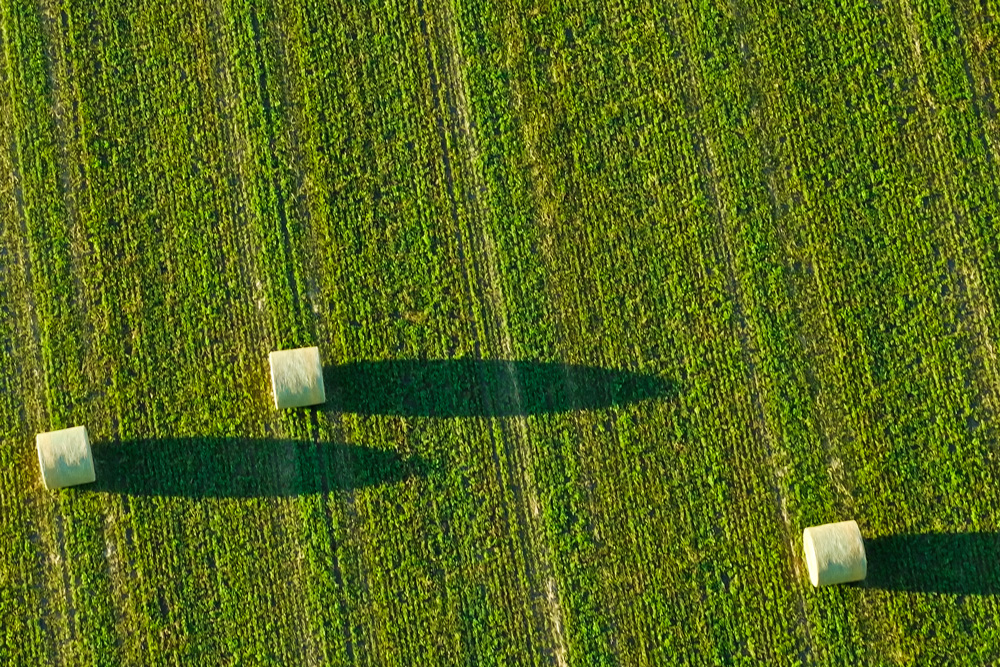
This resource provides a guide to the various forage systems that could be used for stocker development and provides guidelines for managing grazing or hay harvests for optimum forage yield and quality.
|
-
C 859
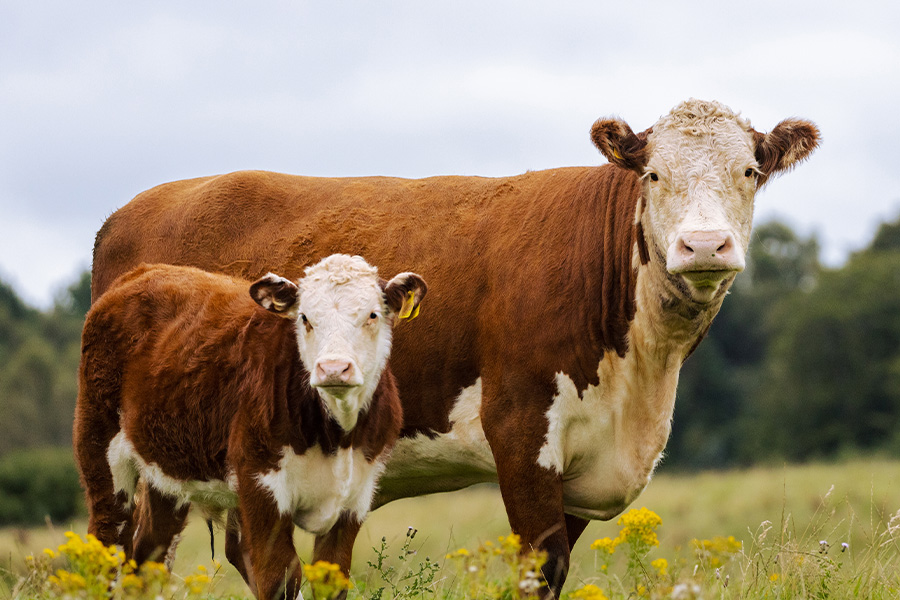
Selecting a Beef Breed
New cattle producers frequently ask, “Which breed should I choose?” This question brings cold chills to many knowledgeable cattle producers and excitement to just as many enthusiastic breeders. The diversity of resources and management capabilities of any operation makes this question difficult to answer.
|