Beef Resources
-
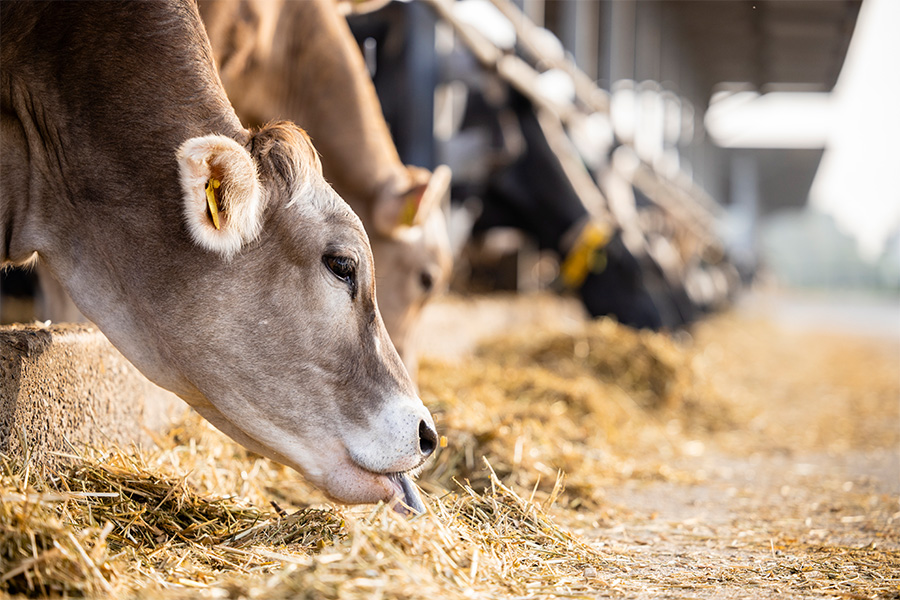
With the growth of the ethanol industry in recent history, the availability of distillers grains, a byproduct of ethanol production, has increased. Distillers grains can serve as an excellent source of nutrients for beef cattle. However, several considerations must be taken into consideration before utilizing this resource. These include economics, nutrient content and potentially deleterious effects when fed improperly. This publication will provide guidelines and examples of how to use this feed resource.
|
-

B 1302
Implanting Beef Cattle
Implanting nursing calves with a growth stimulant is one of the most economically justifiable practices available in the beef industry. Implants have been shown to increase weaning weights of nursing calves in hundreds of research trials. Stocker and feedlot calves exhibit even greater responses than nursing calves. Implanting returns more revenue per dollar invested than any other management practice.
|
-

Water is the most important nutrient for cattle. It accounts for 50 to 80 percent of an animal’s weight and is involved in every physiological process. Cattle cannot adapt to water restriction and feed intake greatly decreases if water is restricted. Water availability and quality can become a major issue during a drought. It is important to check water sources frequently for water availability and quality during a drought.
|
-

Calving difficulty, otherwise known as dystocia, may result in reduced calf performance, delayed estrus and, in some cases, loss of the calf and/or dam. This publication discusses several factors affecting calving difficulty and provides management suggestions that may be useful to prevent its occurrence.
|
-

Reproductive efficiency has long been recognized as the most important aspect of commercial beef production. This publication explains how improved herd management and selection for reproductive performance can substantially increase the percent calf crop.
|
-
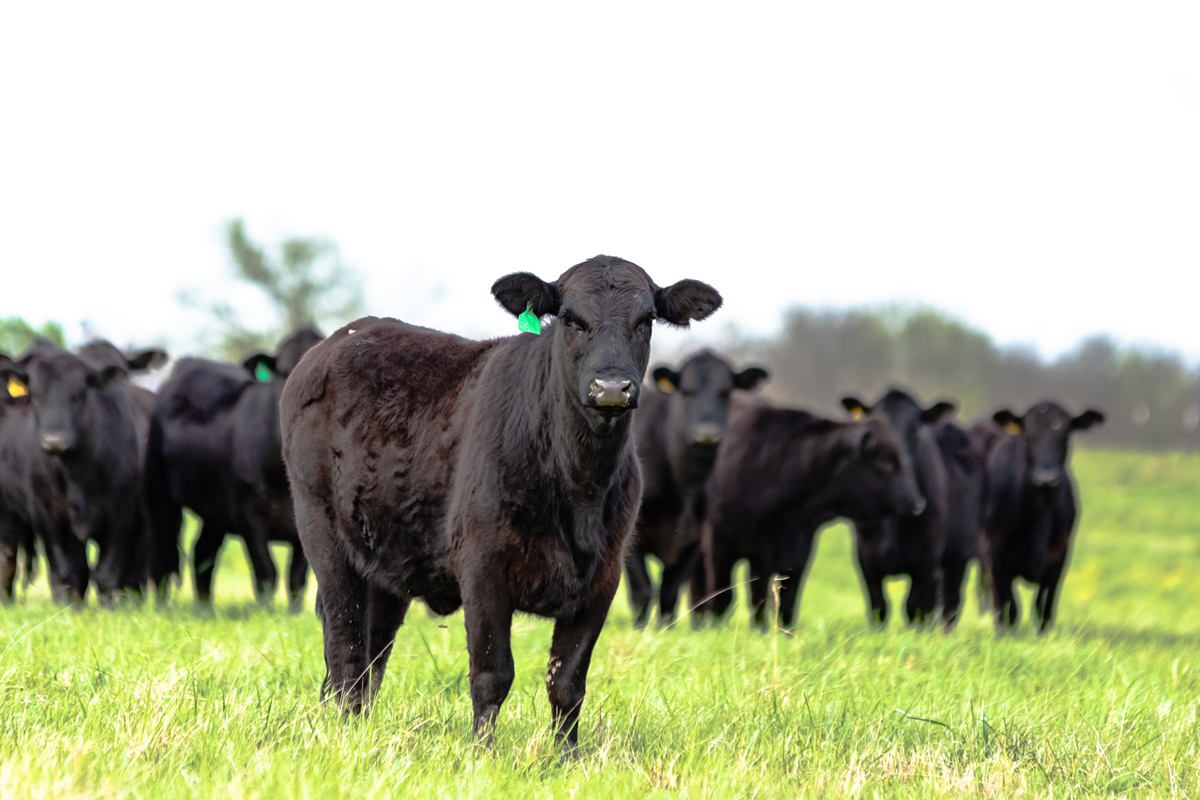
Cutting costs allows producers to survive during trying times and also teaches valuable lessons that may actually increase profits in future years. Cutting corners, on the other hand, may save some money in the short-run but ultimately will have very detrimental effects.
|
-

B 1377
UGA Feed Cost Analyzer
The UGA Feed Cost Analyzer is a spreadsheet-based decision aid to compare potential feedstuffs on a price per pound of crude protein and energy (total digestible nutrients; TDN). This program consists of a feed library prepopulated with some common feedstuffs, a least cost feedstuff analyzer, and a feedstuffs replacement calculator. Each page contains step by step directions on how to use this decision aid.
|
-

B 1315
Creep Feeding Beef Calves
Creep feeding is the practice of providing supplemental feed (grain or forage) to nursing calves. This is usually done with the use of a creep gate, which is large enough for calves to enter the feeding area but too small to allow cows to pass. Creep feeding systems vary from grain-based energy supplements to limit-fed protein supplements to creep grazing. Each system generally produces increased growth, which may or may not be profitable. Creep feeding, like any other supplementation practice, must be analyzed based on estimates of expected increases in performance and income compared to the costs of these improvements. This publication discusses the advantages and disadvantages of creep feeding.
|
-

Drought conditions are a yearly occurrence in Georgia and have been prolonged in several areas over the past several years. These conditions can have severe impacts on cattle, and every cattleman should have a plan in place to minimize the effects of drought on the farm’s finances. This publication describes several management strategies for producers to consider during drought conditions.
|