Beef Resources
-
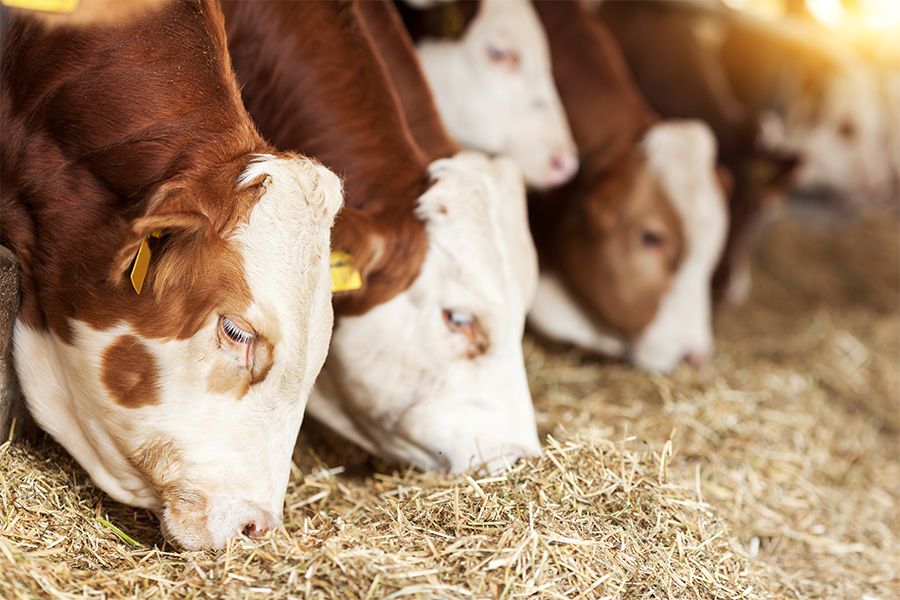
This resource provides detailed information for cattle owners/managers on mineral supplements for beef cattle to ensure their optimal growth and reproduction.
|
-

By-product feeds come from a variety of sources, including grain processing, production of human foods and beverages, and manufacturing of fiber products. Although many of these feeds have been used for years, others are relatively new. Research has been conducted on most by-product feeds and the guidelines for their use are well documented; however, limited information is available on the feeding value or guidelines for using some by-product feeds. This publication discusses factors that should be considered when feeding by-product feeds to cattle.
|
-

Using incorrect A.I. techniques can lower the overall success rate of the A.I. breeding program. Most producers learned correct semen handling techniques and insemination procedures at one time; unfortunately, many have developed bad habits that have lowered their success rates. This publication reviews proper procedures that should help eliminate some of those common mistakes.
|
-
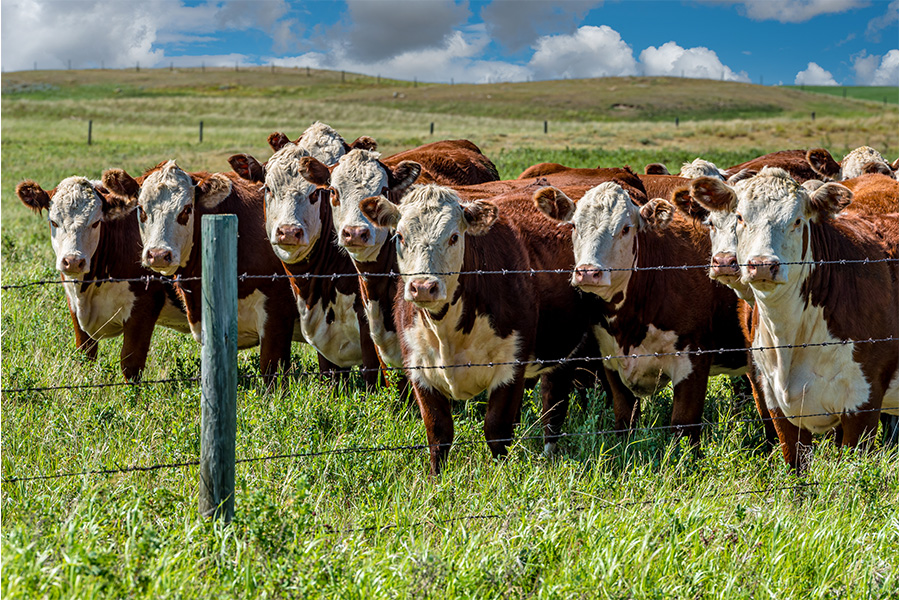
Estrous (heat) synchronization in beef cattle involves manipulating the females’ estrous cycle so they can be bred at about the same time. The normal 21-day estrous cycle in beef cattle can be altered by following an effective estrous synchronization protocol. Numerous estrous synchronization protocols have been developed that use a combination of different drugs and products to alter hormonal changes in the female’s estrous cycle. Since different reproductive hormones are used in estrous synchronization, developing a basic understanding of several reproductive hormones is helpful for determining which protocol will work best for your herd.
|
-

Problem identification is the first step in establishing objectives and goals to improve reproductive management in a dairy herd. Management is determining what must be done and achieving results through the efforts of yourself and your employees. Use the following worksheet to evaluate herd reproductive performance and set goals to improve your breeding strategies. Then develop a tactical plan to achieve these goals using the second worksheet. List those involved on your management team and their responsibilities.
|
-
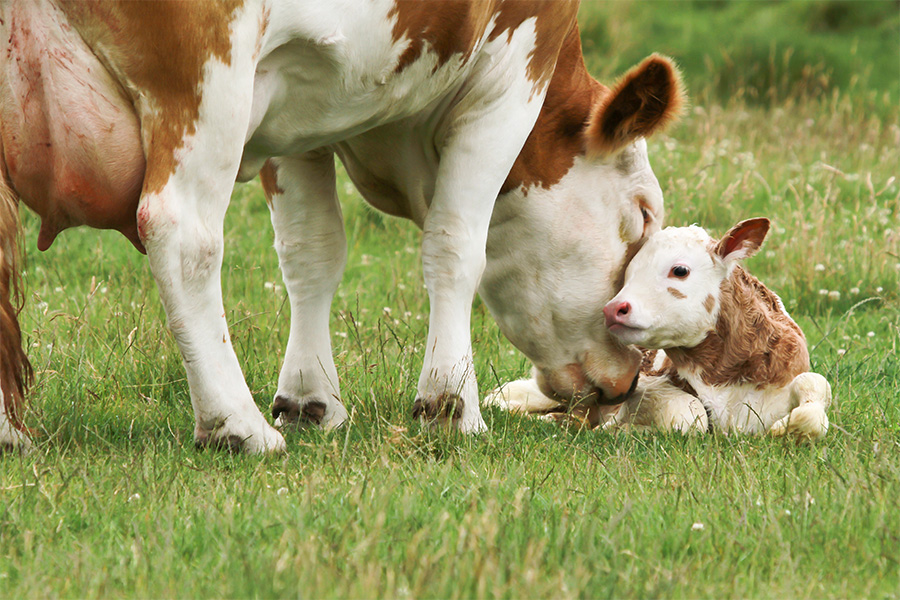
Early identification and diagnosis of reproductive problems through a herd health program are an essential part of successful dairy management. A cow must be pregnant by 85 days postpartum to achieve a 12-month calving interval. This is the backbone of sound reproductive management in an economical dairy business. Many factors during the dry period, parturition and early lactation can lower reproductive efficiency. These include mastitis, cystic ovaries, lack of body condition, retained placentas and anestrus. These postpartum problems lengthen calving intervals and affect reproductive efficiency.
|
-
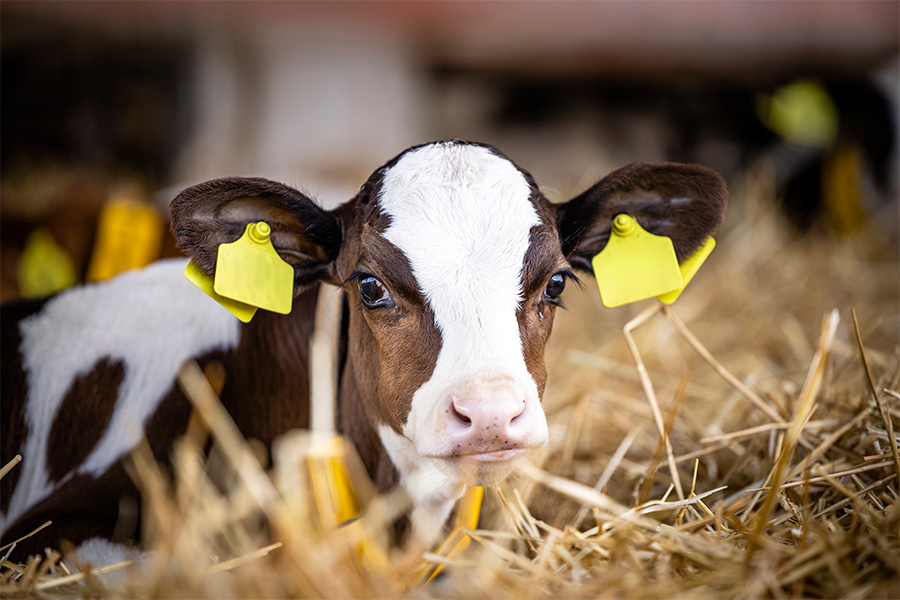
Profitable cattle marketing means producing the most profitable calf, selling through the most profitable market outlet and pricing at the most profitable time. Unfortunately, most cow-calf producers simply sell their calves. Marketing means choices on how or what to put on the market, where to market and when to price. The first step in becoming a cattle marketer is to recognize all your alternatives and evaluate each in light of potential cost and returns, selecting the most profitable rather than the most convenient alternative.
|
-

Drought does not develop overnight but progressively over time. Proper management during a drought period can make or break a producer’s ability to stay in the cattle business. One main concern during a drought period is feeding and nutrition of the cow herd. Several problems could arise due to drought conditions. A good producer should stay alert for warning signs and avoid potentially damaging situations.
|
-

The number of calves sold is a major source of income from a cow/calf operation. A high percent calf crop increases profit. Reproductive efficiency is the first factor to consider in a breeding program. A beef cow must conceive in the first 40 to 60 days of the breeding season, have a live calf unassisted, breed back to calve every 12 months, and raise a calf that is heavy enough to be profitable. To accomplish this, she must be managed correctly.
|