Commercial Fertilizer Resources
-
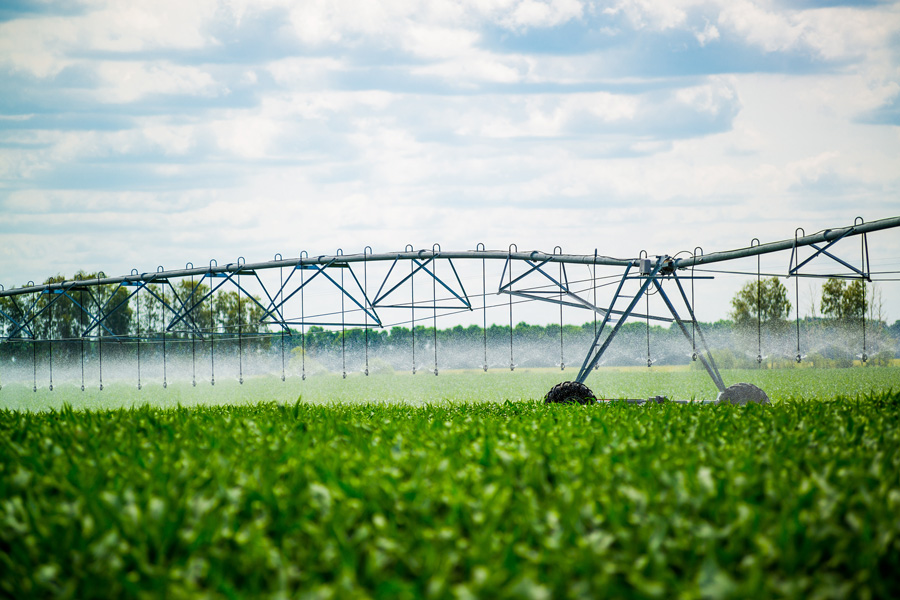
B 1298
Chemigation in Georgia
Chemigation is an inclusive term referring to the application of a chemical into or through an irrigation system. It includes the application of fertilizers, acids, chlorine and pesticides. Chemigation can save time, reduce labor requirements, and conserve energy and materials. Chemigation is beneficial, however, only to the extent that the irrigation system is adequately designed, fully functional and properly managed.
|
-
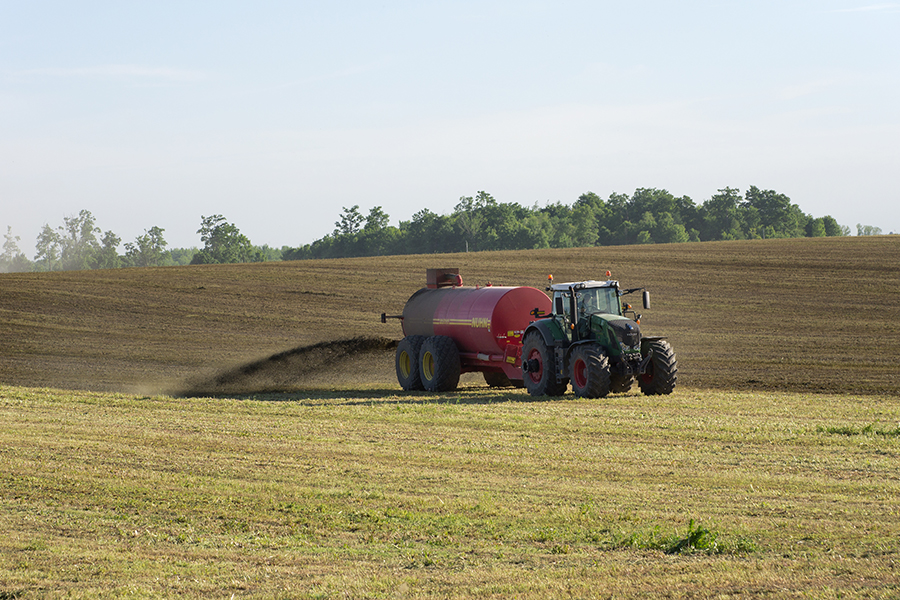
Farmers have known for centuries that animal manures spread on pastures and cropland can improve soil fertility. In the 1920s, farmers began to use sludge from municipal wastewater treatment plants as a fertilizer. Through decades of research, the scientific and agricultural communities have come to understand that municipal sludge or “biosolids” contain valuable nutrients and organic matter that improve the soil in a way similar to animal manures. It is important to understand that biosolids are not raw sewage. Biosolids are organic solids that have been treated to stabilize organic matter and reduce disease-causing organisms or pathogens.
This resource was developed to help answer some common questions regarding the use of biosolids and to give farmers benchmarks for good practices.|
-

Drip irrigation is an important component of vegetable production systems in Georgia. Drip irrigation is more desirable than other irrigation methods for several reasons. Two important advantages are (1) water conservation and (2) potentially significantly improving fertilizer management. Fertigation is the timely application of small amounts of fertilizer through drip tubes directly to the root zone. Compared to conventional ground application, fertigation improves fertilizer efficiency.
|
-

This publication gives a procedure to calculate the value of broiler litter based on prevailing retail selling prices of commercial fertilizers containing nitrogen, phosphorus and potassium.
|
-

This publication discusses the proper calibration methods sprayers and other liquid applicators.
|
-

Fertilization is an important practice of maintaining plant health. The blueberry plant is no exception, but there are important considerations when fertilizing blueberries. The rates, timing, and type of fertilizer should be common knowledge for the grower. In this circular, how to fertilize blueberry plants is described with text, diagrams, and calculations to provide growers, Extension agents, and anyone interested with the knowledge to successfully grow blueberries, from newly established to mature plantings. This publication was written to address commercial growers’ need for a reference to avoid costly mistakes such as over-fertilization, discussing both granular and liquid fertilization.
|
-
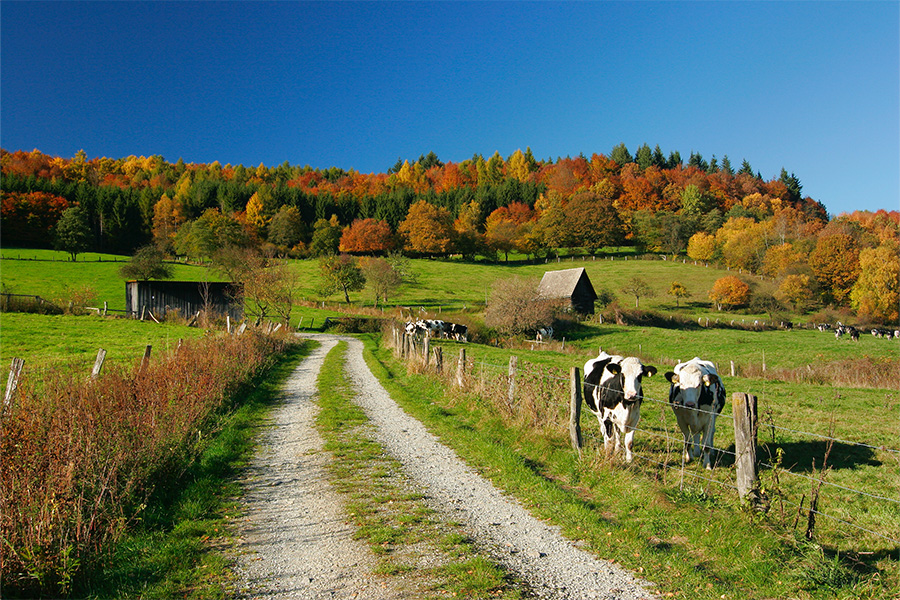
Poultry litter is widely used on pastures and hayfields in Georgia. There are many benefits when it is used wisely. Producers should use nutrient management planning and recommended rates to ensure poultry litter is used in ways that maximize its benefits without harming the environment.
|
-

This publication covers a procedure for applying wood ash as a lime substitute on agricultural lands. This method can be used by manufacturers and dealers who wish to supply wood ash or by landowners who wish to receive wood ash. If the practices in this publication are followed, there should be no adverse environmental effects or regulatory consequence from the land application of wood ash.
|
-
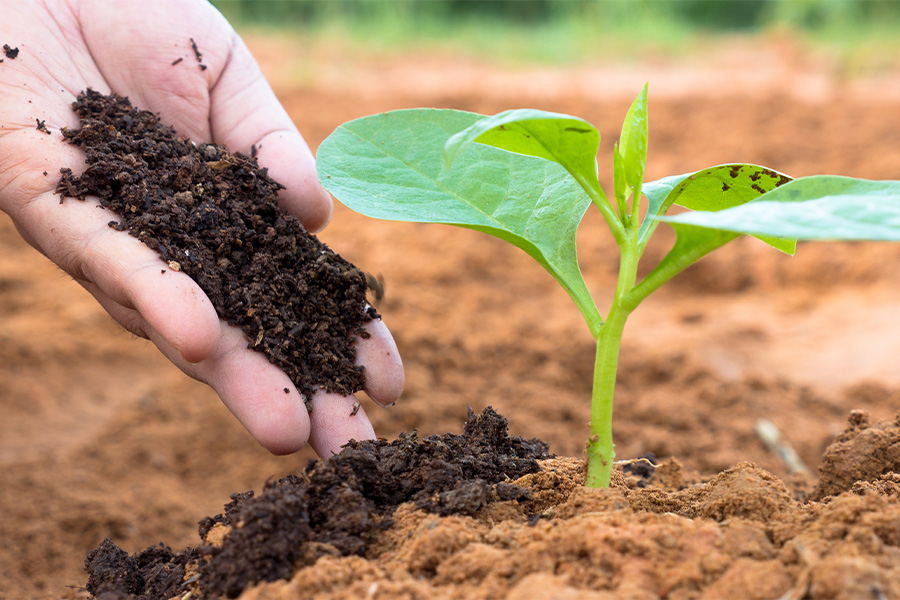
Many farmers and gardeners use natural minerals and organic fertilizers rather than synthetic ones to build their soil. If you use organic materials as all or part of your fertilization program, this publication will help you calculate the proper amount to use from the recommendations provided by a soil test.
|