Corn Resources
-

The field is a complex environment with many factors that can interact to influence the growth of a corn plant. These factors can be living in the form of insects, diseases, nematodes and weeds; or, they can be non-living such as weather, nutrients or chemicals. In the proper combination of factors, corn can produce more than 200 bushels per acre in the Southeast; or in a totally unfavorable combination, every corn plant can die. When a problem is identified, it is important to determine the extent and severity of the problem to decide whether corrective measures are necessary or available. Use this guide and other technical information before implementing any management decision.
|
-
AP 130-4-06
2026 Corn, Soybean, and Wheat Outlook
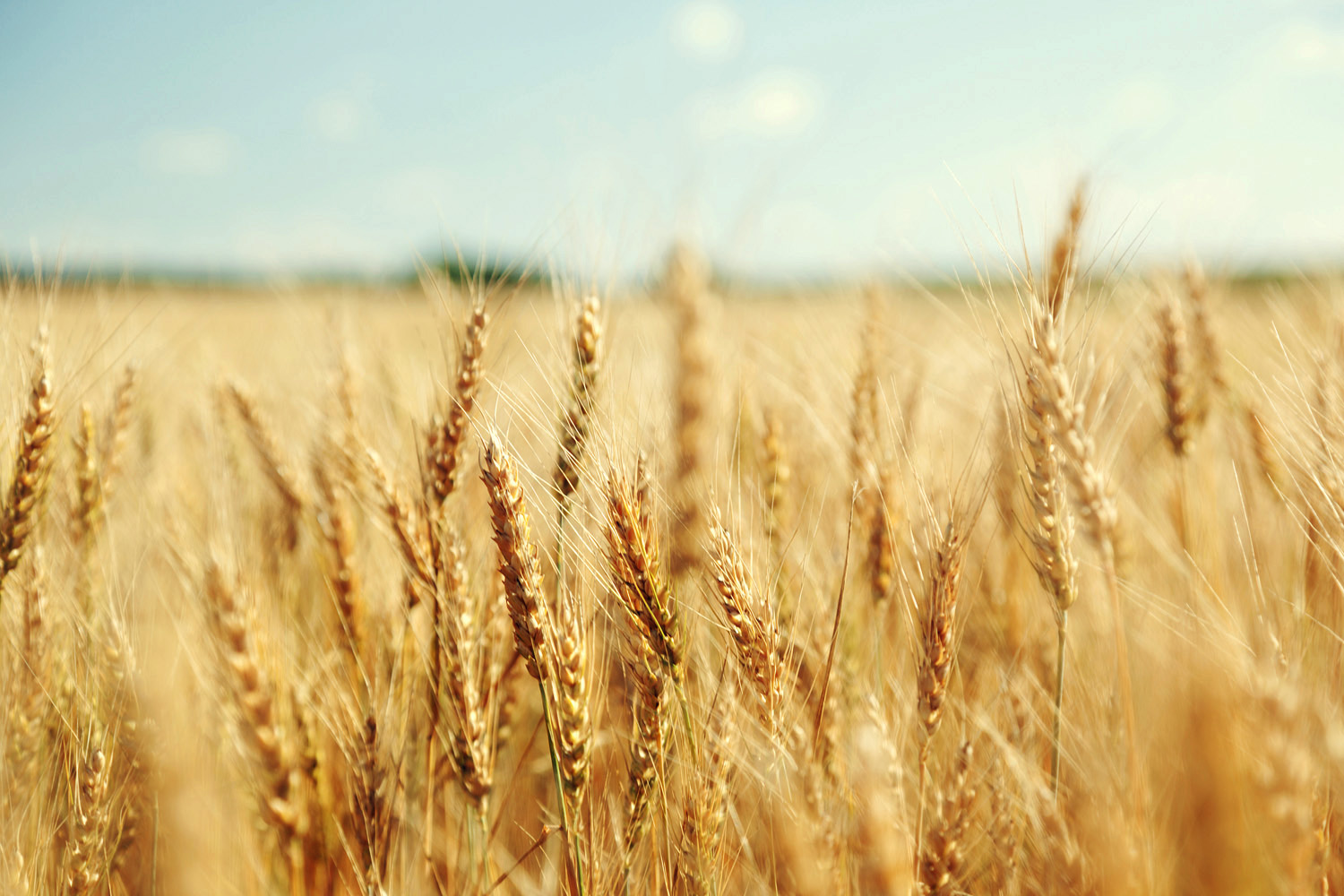
The key points for the 2026 season are: Large ending stocks from 2025 mean that prices will likely remain low during 2026. Tight margins are expected to continue in 2026 as projected prices for corn, soybeans, and wheat are near or below the breakeven cost of production. In Georgia, growers are likely to plant more corn acres, while soybean and wheat plantings will be comparable to last year.
|
-
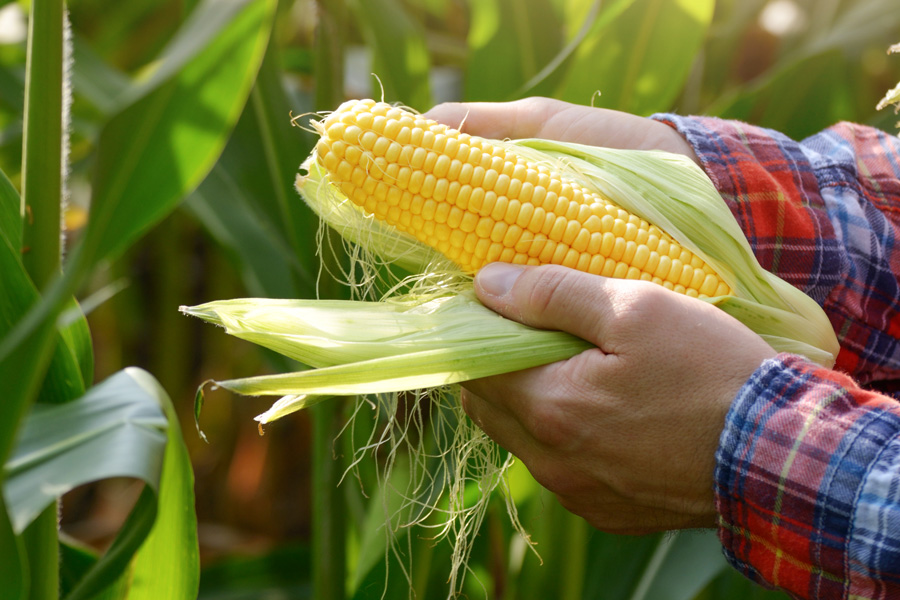
The growth and development of sweet corn is affected by accumulated heat units, measured in growing degree days (GDDs). This publication provides South Georgia sweet corn growers with insights into the relationship between temperature and GDD units and the key growth stages of sweet corn. This will help growers make informed decisions about the timing for planting, management practices, irrigation, and harvesting.
|
-
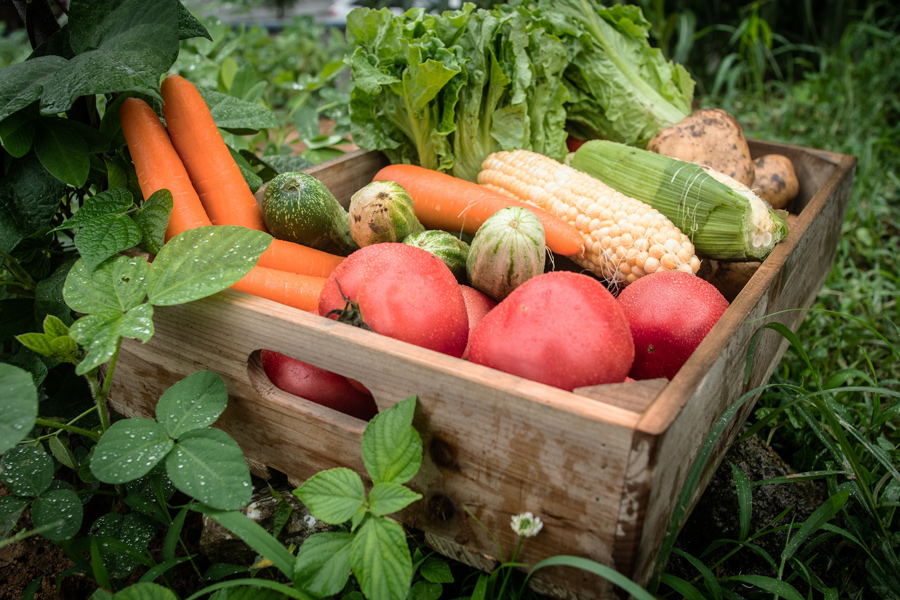
This publication lists vegetable variety recommendations for the state of Georgia. Most of these varieties have been trialed and grown successfully in the state. These are not the only varieties that can grow well in Georgia but provide new gardeners with a starting point to increase their chances of success. Gardeners may need to search print catalogs and online to find the vegetables they are looking for, as local garden centers may not always carry the varieties listed here.
|
-

AP 130-3-09
2025 Corn, Soybean, and Wheat Outlook
1. Tight margins are expected to continue in 2025 for corn, soybeans, and wheat with commodity prices likely near or below the breakeven cost of production.
2. Bountiful grain and oilseed production, combined with a strong U.S. dollar and uncertain trade policy, leads to expectations for lower prices in 2025.
3. Expect more acres planted to corn, fewer acres planted to soybeans, and wheat plantings comparable to last year.|
-
AP 132-01
2024 Georgia Corn Production Guide
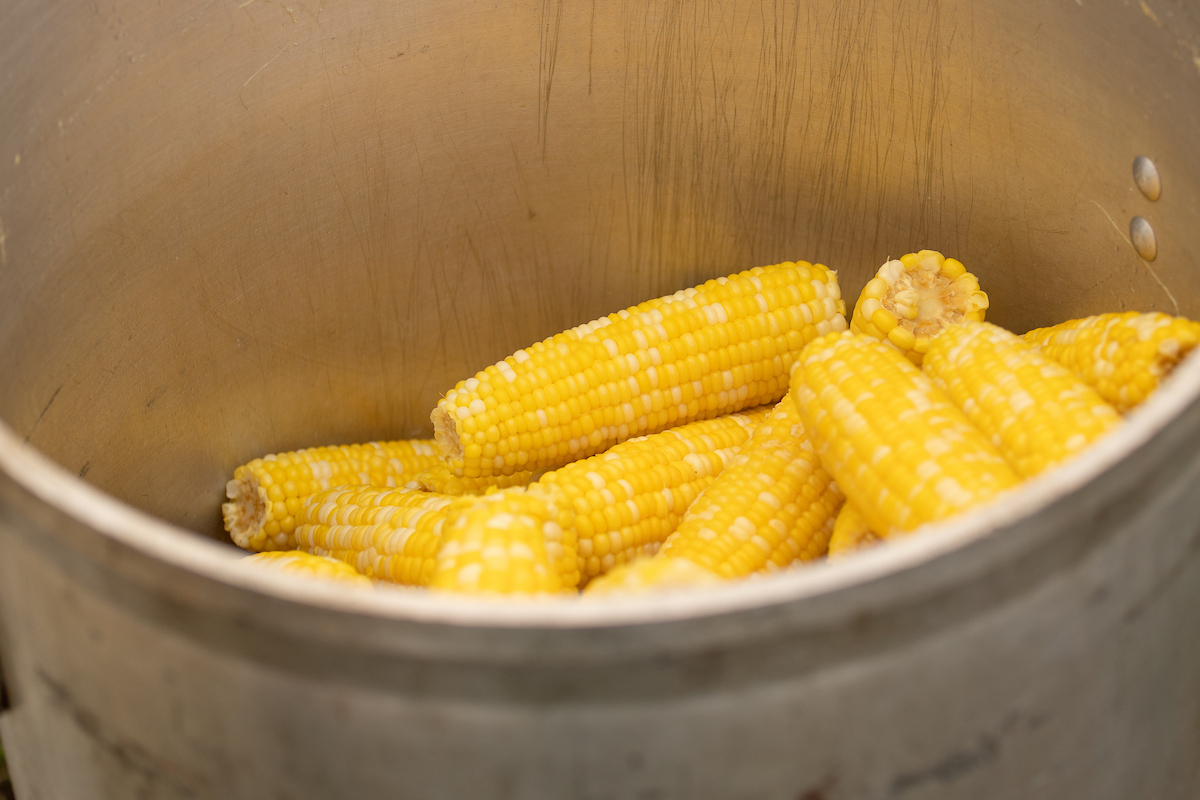
This is the Extension Corn Team’s full production guide for recommended practices to plant and maintain a corn crop in Georgia. Topics include agronomic practices, growth and development, fertilization, irrigation, weed, insect and disease management, harvesting and drying, protecting stored corn, soil health, and economics/budgets.
|
-
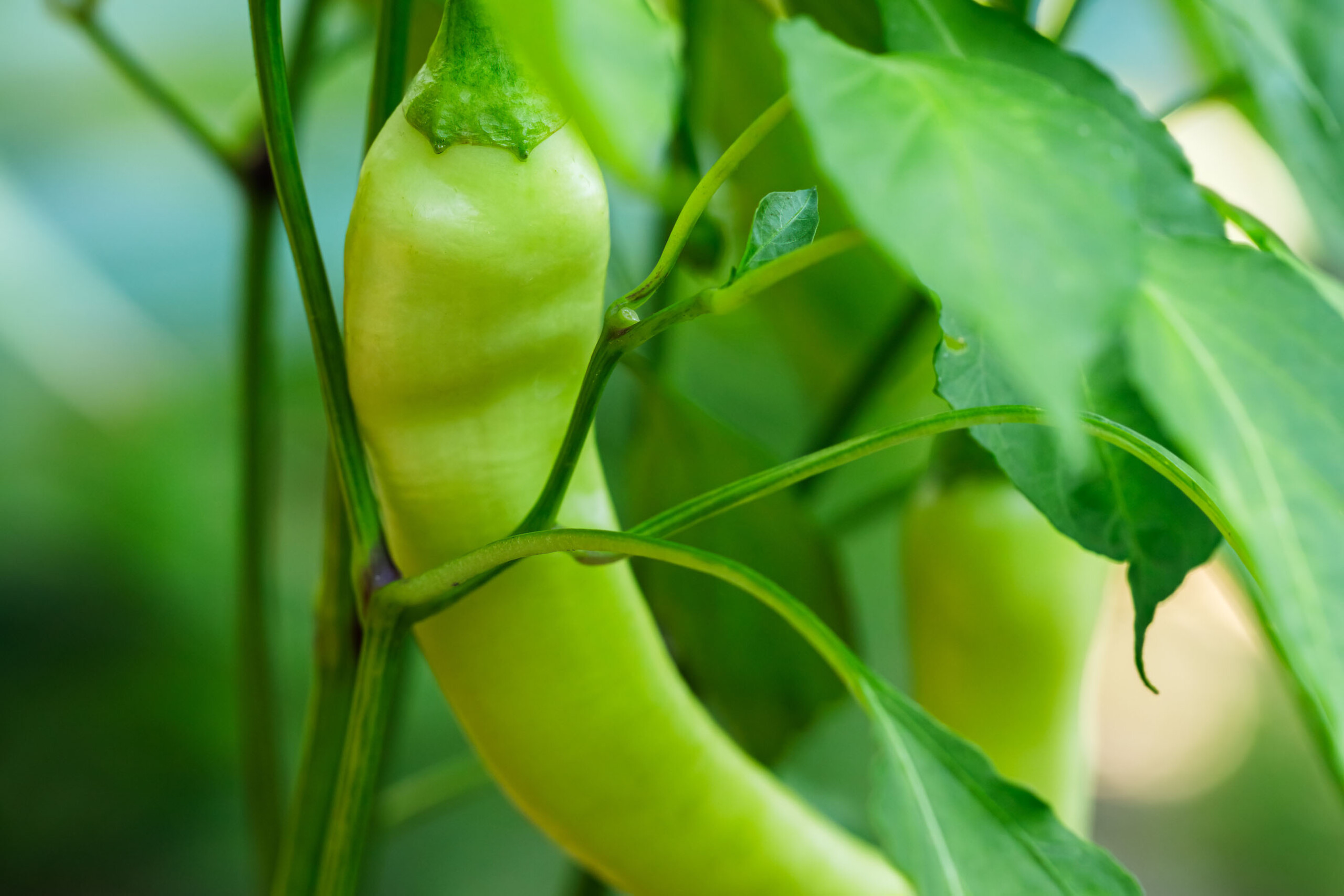
This publication discusses heirloom vegetable choices and some of the common issues that growers may encounter when growing heirloom vegetables in a home garden setting. Additional author: Whitney Richardson, University of Georgia Center for Urban Agriculture, with technical assistance from Makenzie English, University of Georgia Department of Horticulture Program Assistant.
|
-
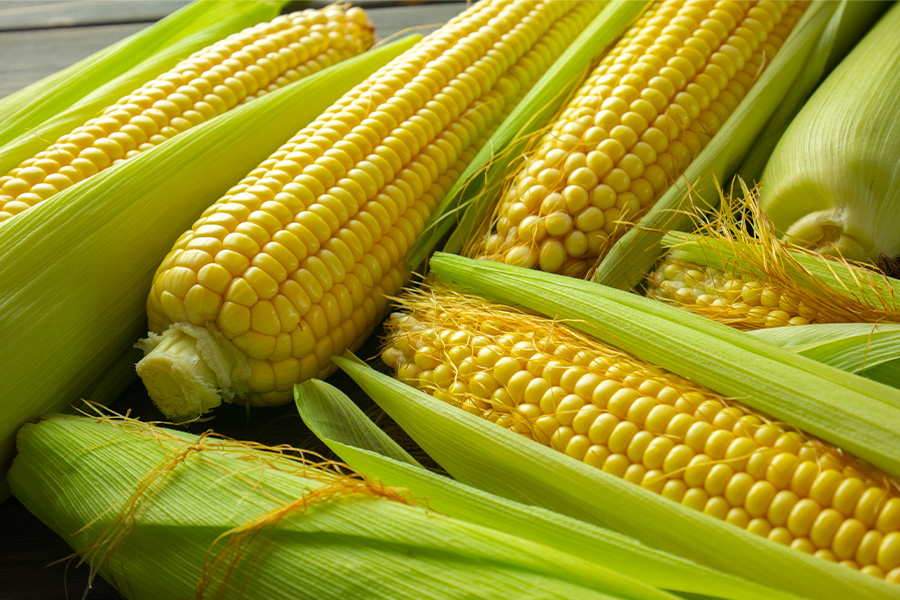
Sweet corn is not difficult to grow and, by following the cultural guidelines provided in this publication, you too can enjoy this sweet delicacy.
|
-
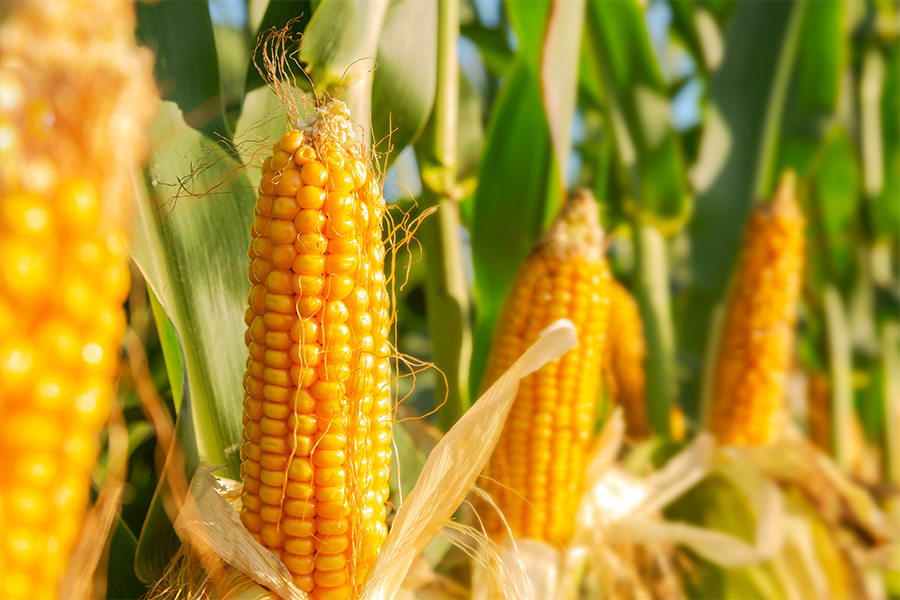
Aflatoxin is a naturally occurring toxin produced by the fungus Aspergillus flavus. The fungus can be recognized by a gray-green or yellow-green mold growing on corn kernels in the field or in storage. Plant stress due to drought, heat or insect damage during fungus growth usually increases aflatoxin levels. Aflatoxin contamination will reduce feeding value and hinder sales. Because it is extremely poisonous to warm-blooded animals even at relatively low levels, grain handling facilities often check for the presence of the toxin before purchasing corn.
|