Departments and Units Resources
-
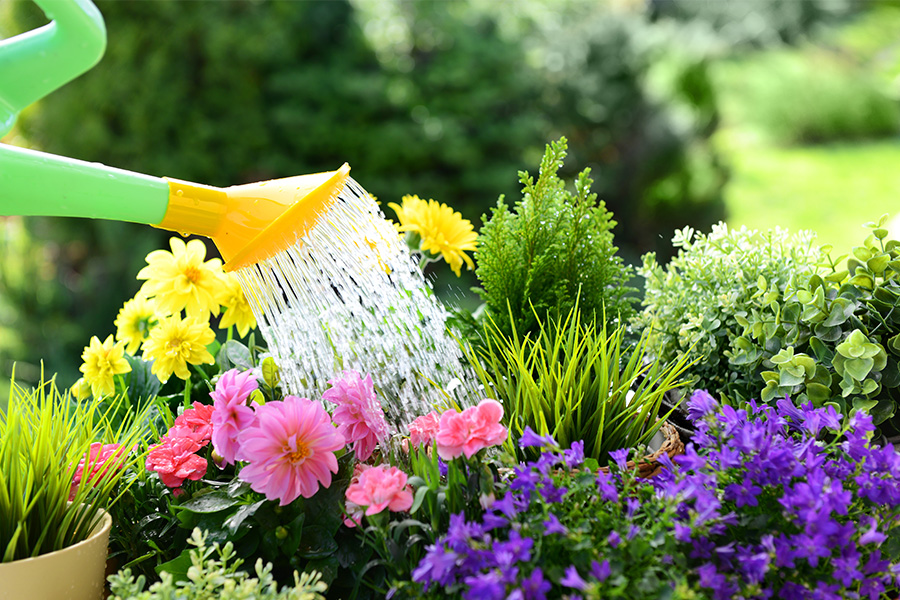
This resource provides guidelines for the care of established ornamental plants in the landscape. Low-maintenance alternatives to traditional cultural practices are discussed throughout.
|
-
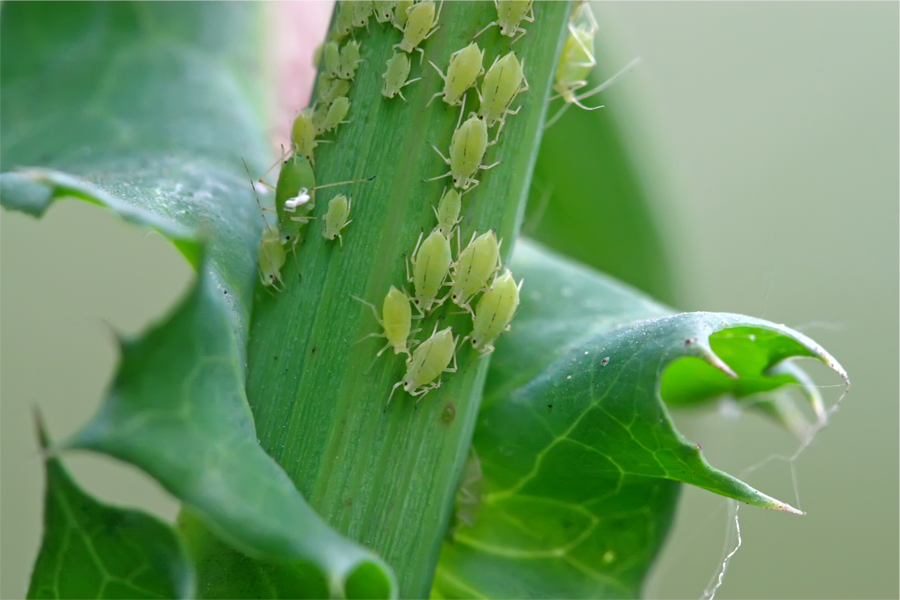
An introduction to and information on the biology, damage, and management of aphids in the ornamental landscape.
|
-
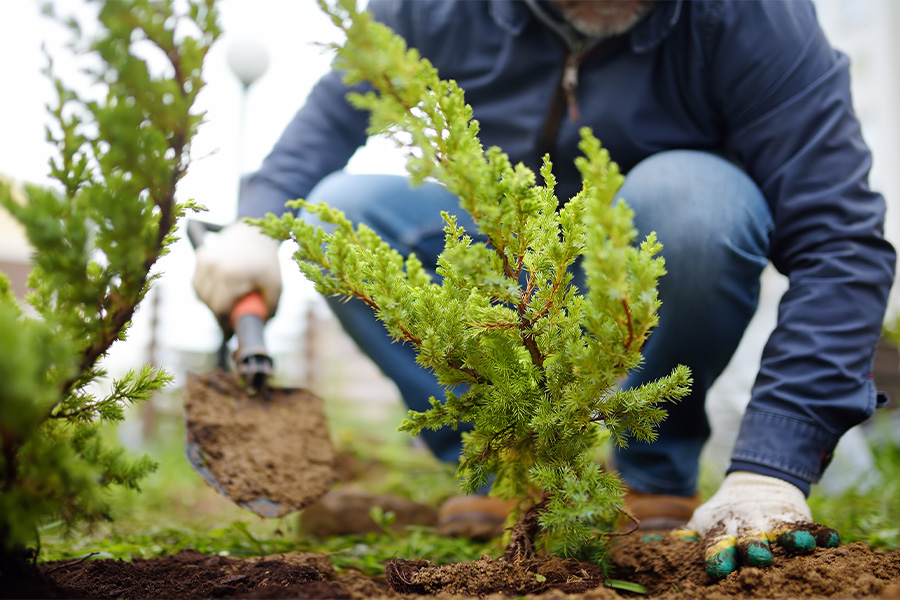
C 956
Junipers
This resource provides information about variety selection, characteristics, required care, and disease and pest control for juniper plants.
|
-
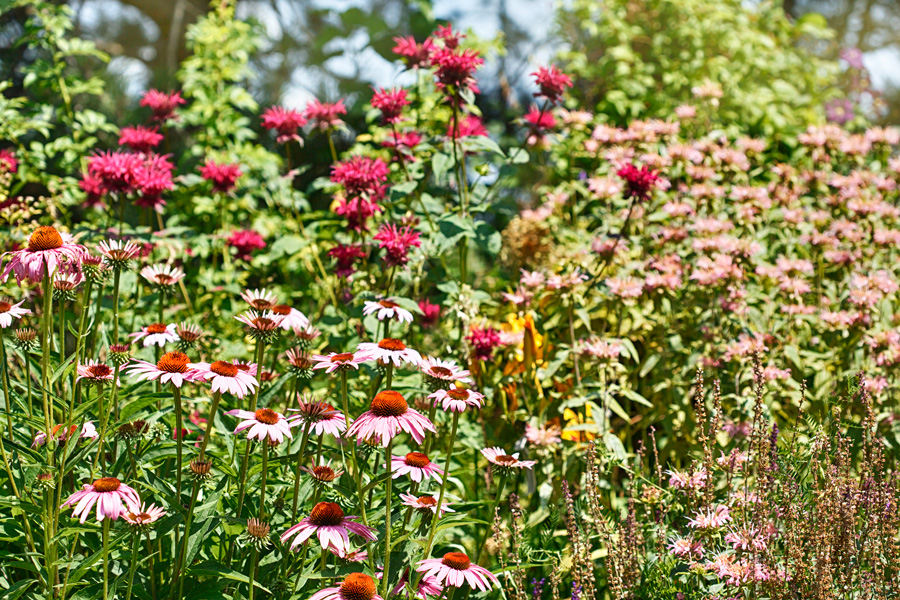
Ornamental plantings can be attractive and beneficial options for the expanse of open ground designated for a septic drainfield. Properly chosen plants help manage moisture and nutrient levels in the soils around the drainfield, and can discourage activities that may cause site compaction and reduce the effectiveness of the system. The drawback is that poor plant choices can create costly maintenance issues, and any septic drainfield repair work could disturb planting areas that you value. By following a few simple guidelines, planting in these areas can be both pretty and practical.
|
-

Determining an equitable price for purchased forages is a necessary but often uncomfortable topic of discussion for feed growers and purchasers. Usually this discussion is in the context of corn silage; however, the same principles can be used in any discussion involving hay, baleage or grains. In order for an input market to be efficient, the price agreed upon by both buyers and sellers should adequately compensate the producer while still allowing the purchaser the opportunity to economically use the input.
|
-
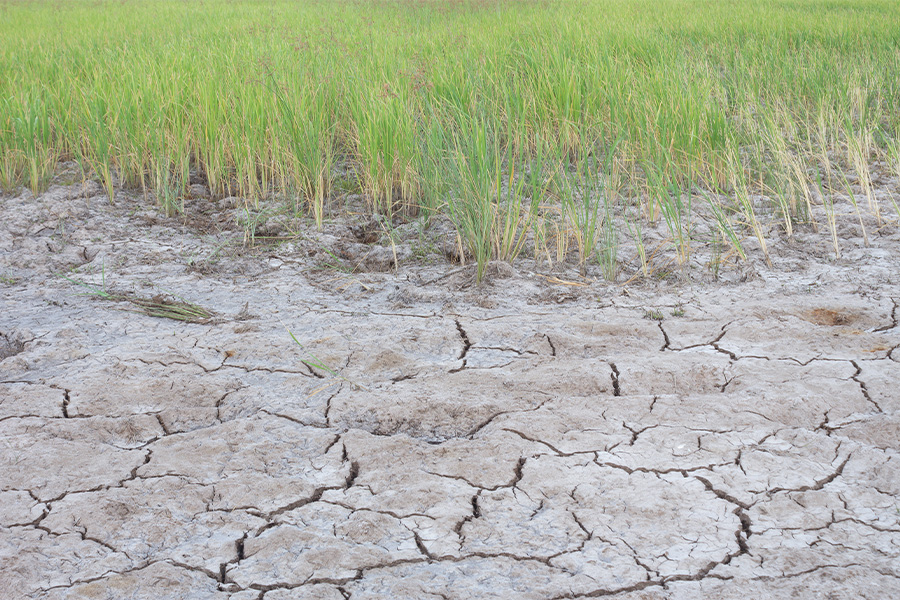
UGA’s Agricultural and Environmental Services Laboratories offer soil salinity testing to help farmers and the general public diagnose and manage problems associated with soil salinity. By definition, a saline soil contains excess soluble salts that reduce the growth of most crops or ornamental plants. This resource discusses soil salinity testing, data interpretation and recommendations, specifically those pertaining to the University of Georgia.
|
-
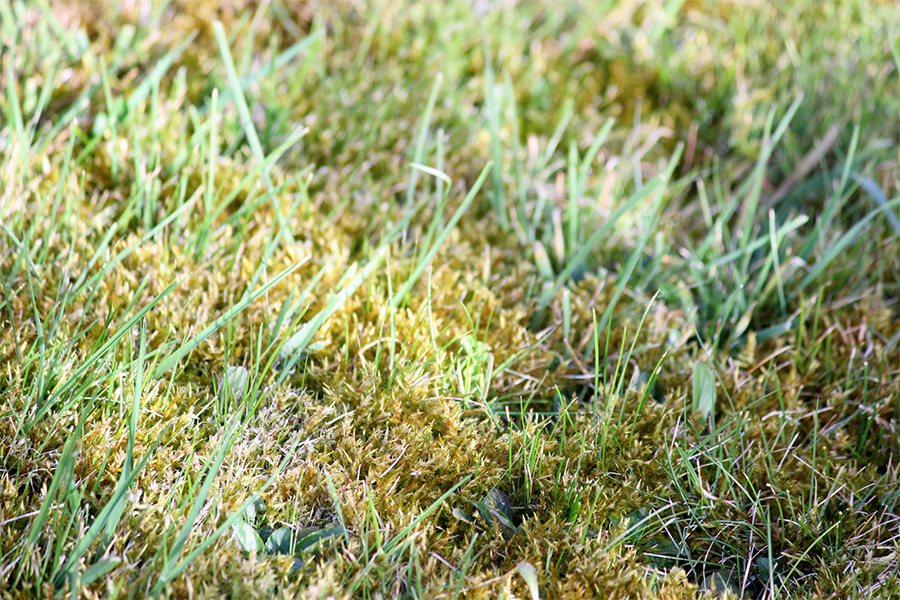
Occasionally, turfgrass areas begin to thin out and moss and algae start to form. These primitive plants develop because conditions for growing dense, healthy turf have declined. This publication gives you preventive practices and chemical suppression tips for controlling moss and algae in turf.
|
-
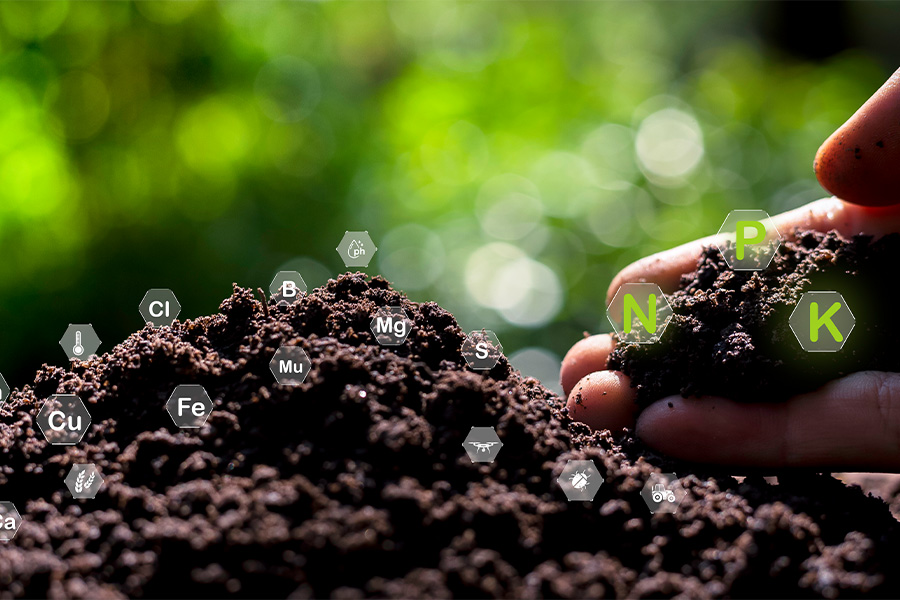
Cation exchange capacity (CEC) is a measure of the total negative charges within the soil that adsorb plant nutrient cations such as calcium (Ca2+), magnesium (Mg2+) and potassium (K+). As such, the CEC is a property of a soil that describes its capacity to supply nutrient cations to the soil solution for plant uptake.
|
-
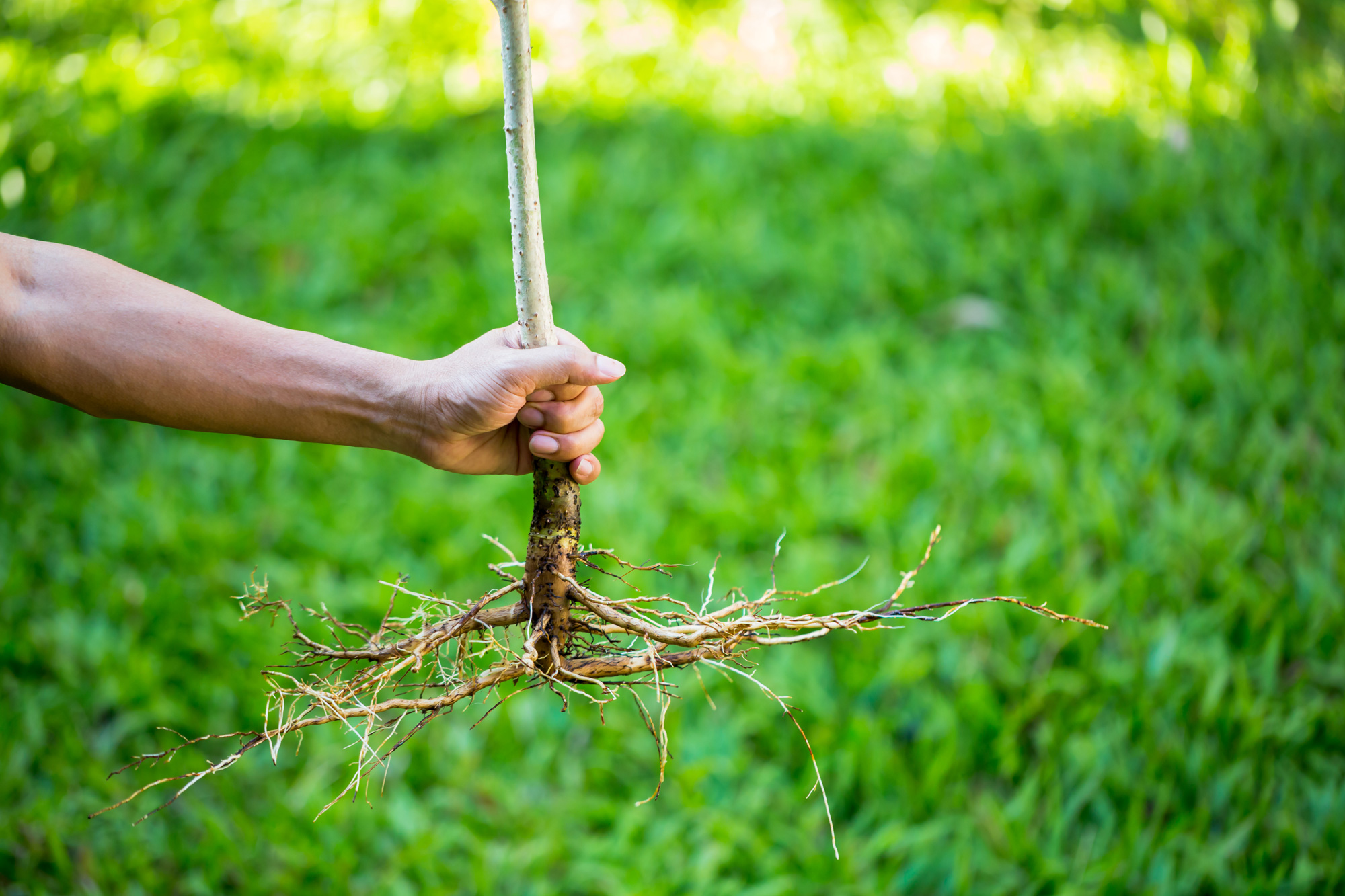
Many fruit trees are purchased as bare-root trees. A bare-root tree is a dormant tree that has no soil or planting medium around the roots. Here are some tips on storing, planting, and caring for your bare-root fruit tree.
|