Departments and Units Resources
-

This resource helps Georgia residents select the best-adapted grass species and cultivar for an individual site to ensure a thriving lawn.
|
-

2018 plant disease losses, including control costs, amounted to an estimated $844 million. The value of the crops used in this estimate was approximately $6,268 million, resulting in a 13.5% relative disease loss across all crops included in this summary.
The estimated values for most crops used to compute these disease losses are summarized in the UGA Center for Agribusiness & Economic Development, 2018 Georgia Farm Gate Value Report (AR-19-01). Some estimates for fruits, ornamentals, and turf rely on specialist’s knowledge of the industry and industry sources for information.|
-

This annual publication includes a report of 2019-20 onion research variety trials and Extension activity at the University of Georgia College of Agricultural and Environmental Sciences. The report contains the results of research awarded by the Vidalia Onion Commodity Commission.
|
-

This research report presents results of the 2019-2020 performance tests of small grains grown for grain and forage. Grain evaluation studies were conducted at five locations in Georgia, including Tifton, Plains, and Midville in the Coastal Plain region; Athens in the Piedmont region; and Rome in the Limestone Valley region. An additional study was conducted at Citra, Florida. Winter annual forage tests were conducted at all Georgia grain sites except Midville, and also at Headland and Clanton, Alabama. Multiple tests were lost this year due to the impact of Covid-19 on university operations. For identification of the test locations, consult the map inside the back cover of this report.
|
-

Stubby-root nematodes, Paratrichodorus minor, are considered an important pest of onions in Georgia. Low to high population densities of this nematode were observed in multiple fields in the Vidalia area causing damage to sweet onions. The most obvious aboveground symptoms of stubby-root nematode nematode infection are poor, stunted growth of onion seedlings. Stubby-root nematodes have a wide host range, including sugar beets, potatoes, corn, cotton, peanuts, wheat, onions, grasses and some other vegetable crops that are commonly grown in Georgia. Fallow crop rotation with non-host cover crops and treating seedbeds with suitable fumigant and non-fumigant nematicides are effective controls for this pest.
|
-
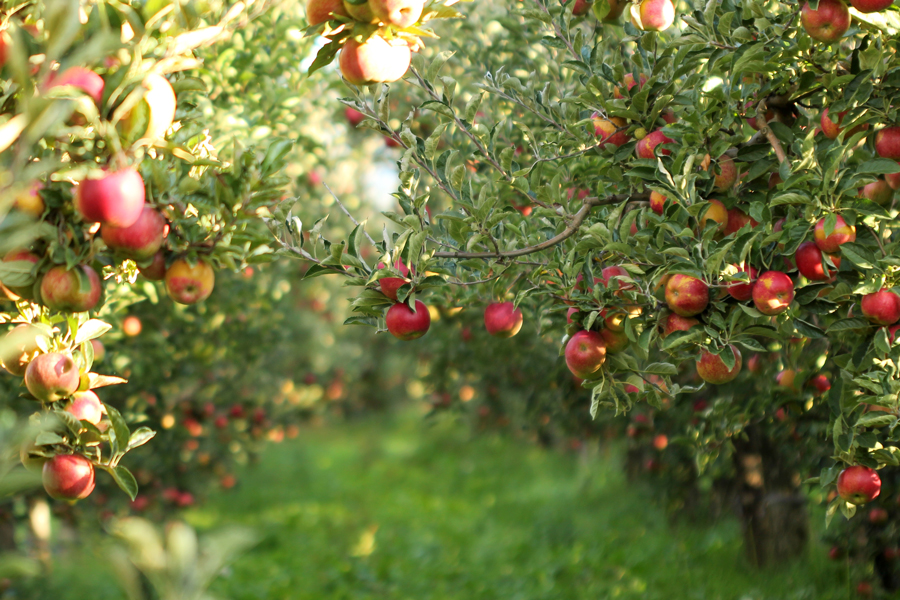
This circular is a compilation of pruning techniques for apple, pear, peach, blackberry, blueberry, grapes, and pomegranate. Included are tools for pruning, definitions and descriptions of terms used in pruning, and diagrams illustrating best pruning practices. This work has important and relevant information about pruning and plant care for the home orchardist.
|
-
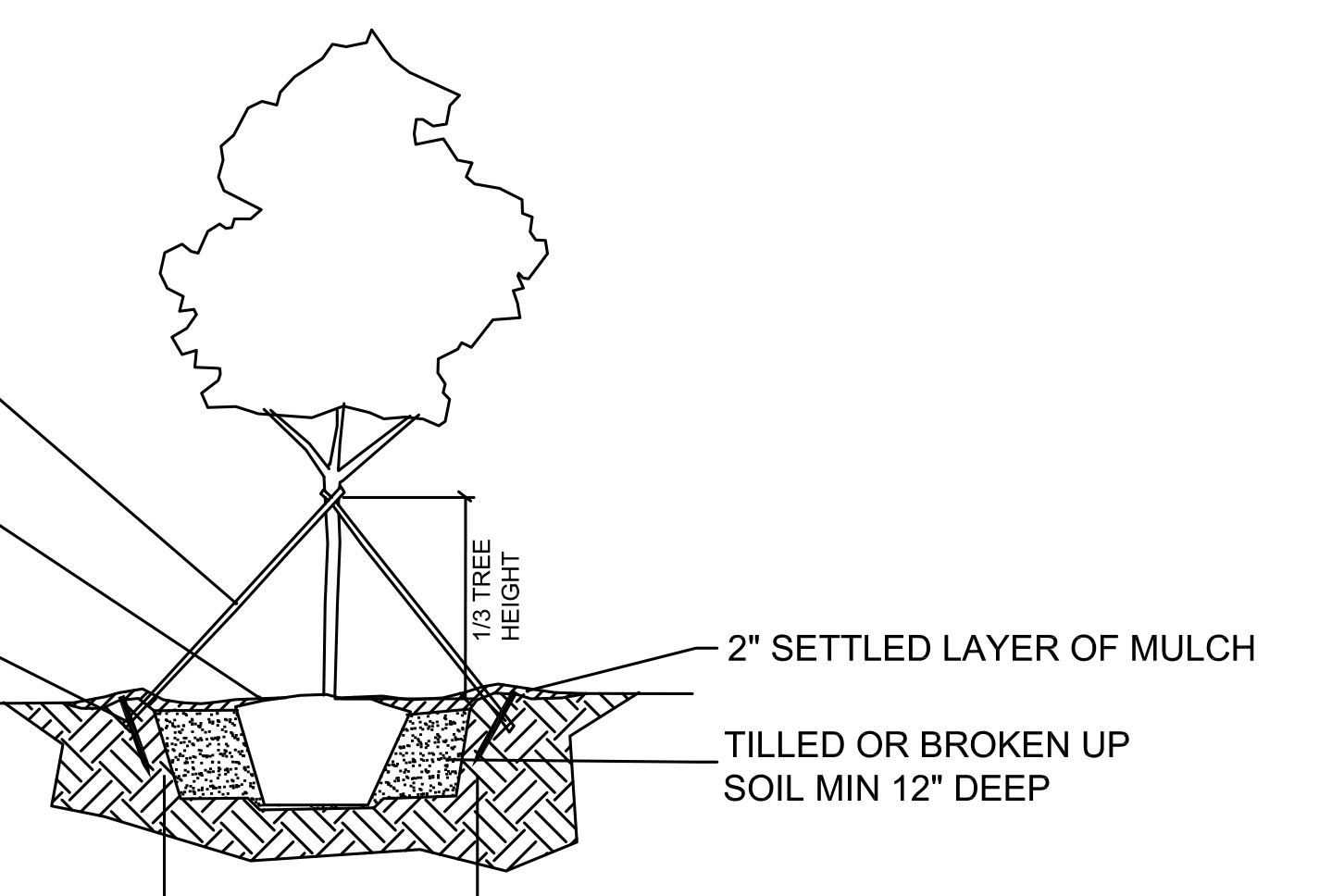
C 989
Tree Planting Details
This publication contains information about planting trees and shrubs, and includes AutoCAD files, .jpg images and .pdf files with instructions and images.
|
-
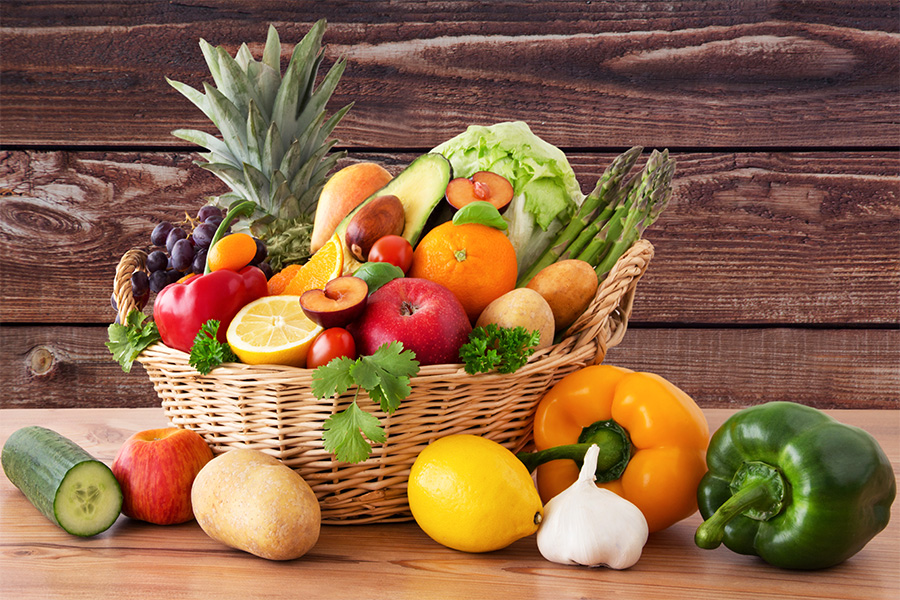
B 989
So Easy To Preserve
Considered the authority on preserving food at home, So Easy to Preserve covers preserving, canning, pickled products, sweet spreads and syrups, freezing, and drying food at home. The latest edition has 10 new products and two revised product recommendations, and the book is suitable for both new and veteran food preservers.
|
-

C 1041-5
Tap into Community Resources
Community resources can make a big difference in your ability to make it through hard times. Learn about support networks and resources that may be available to help in your community.
|