Departments and Units Resources
-

This publication provides Southeast-specific information on approved National Organic Program (NOP) disease and pest management options for blueberry production and addresses the issues most commonly encountered under the unique growing conditions of the Southeast U.S. This publication is not intended to provide all details on organic blueberry production, although it does include the production methods that reduce the impact of plant disease and pest issues. Emphasis in an organic system should be on cultural practices that reduce disease and pest pressure rather than pesticide applications. NOP-approved pesticides are usually less efficacious than conventional products. The pesticide label is the law and supersedes any information on pesticide use contained in this guide. Because environmental conditions and grower application methods vary widely, suggested use does not imply that performance of the pesticide will always conform to the pest control standards indicated by experimental data.
|
-

These irrigation budgets, developed by University of Georgia Cooperative Extension, are estimates of the irrigation costs of a center pivot irrigation system located in southeast Georgia. Our intention is to provide flexible, user-friendly irrigation budgets with default values. That being said, the variation among different farm conditions can impact investment costs and annual costs associated with irrigation; users are suggested to modify these default values and customize their budgets according to their specific field conditions. Please consult your irrigation providers for properly designed center pivot systems that match well production to achieve your irrigation goals. This should serve as a generalized user guide for irrigation budgets and provide guidance for adjusting the default values in the budgets.
|
-

New ornamentals have long been considered the lifeblood of the green industry. This publication contains recommendations for best-performing new annuals based on research conducted at the Trial Gardens at the University of Georgia, showcasing the plants that were awarded Classic City Awards in 2020.
|
-

Successful lawn care requires a basic understanding of soil properties. A healthy plant starts with healthy soil. Soil is a complex relationship of soil minerals, organic matter, soil inhabiting organisms, and plants along with water and air. Understanding when and how to aerate the soil and understanding what pH is and how it affects plant health is essential for turfgrass health. This publication aims to help homeowners and landscape professionals improve soil fertility through the techniques discussed.
|
-
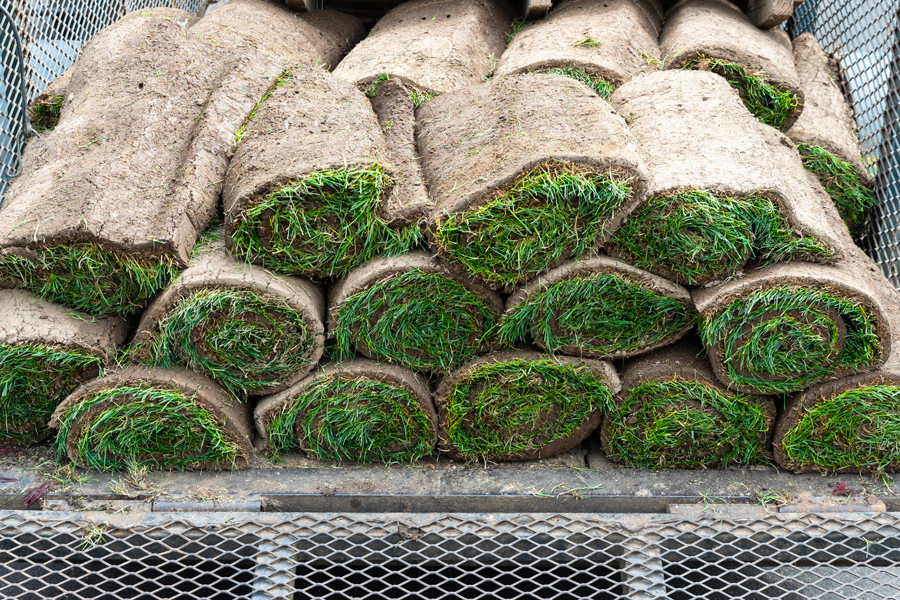
B 1533-2
Lawns in Georgia: Establishment
Turfgrass enhances the landscape in ways that can be particularly important in urban environments. Turf is one of the most effective plant covers to reduce soil erosion and surface runoff while recharging ground water, which results in more efficient use of rainfall. In most landscapes turf occupies the largest area and provides an ideal surface for outdoor activities. It begins with selecting the best adapted species and cultivar for an individual site— right plant, right place. Once the proper species and cultivar have been selected, getting the site properly prepared for growing grass and getting it established is critical in creating a sustainable lawn.
|
-

A farm’s return on investment is directly affected by the way water is applied to its crops. The wrong end-gun settings can result in overwatering or underwatering large portions of field acres. Clogged or partially clogged nozzles lead to obvious water shortages that can be visually observed or measured using yield monitors. Systems not properly checked and maintained can lead to significant losses in potential income. This irrigation reference guide will contain information provided by UGA Extension recommended irrigation scheduling rates for corn, cotton, peanuts and soybeans. The guide will also recognize specific center pivot application issues and how to correct them.
|
-

To increase productivity, it’s important that growers select sweet corn cultivars adapted to particular growing conditions. The goal of this report is to provide growers, crop advisers, county educators, Extension agents, and specialists with a broad evaluation of different commercial sweet corn hybrids and their performance in different locations of the Southeast U.S.
|
-
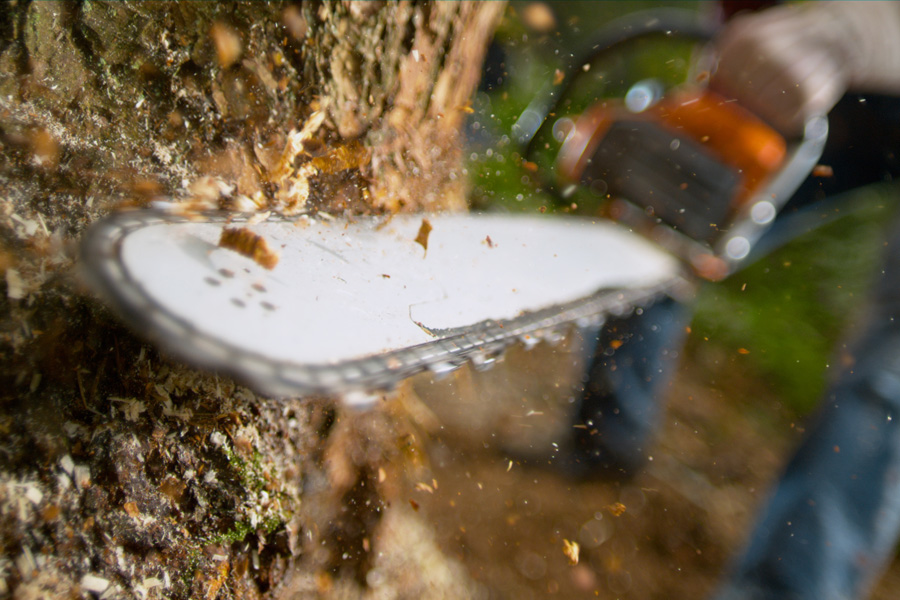
Use estos cinco pasos para el corte de un árbol de forma segura de principio a fin. Este plan funciona para arboristas profesionales y los que no lo son. Cortar árboles con una motosierra es peligroso. La combinación de herramientas eléctricas y la caída de madera crea peligros. La aplicación del Plan de Corte de Cinco Pasos ayuda a identificar y mitigar el peligro en el corte de árboles de principio a fin.
|
-

This report provides research and extension results for trials conducted by the University of Georgia Vegetable Team and its collaborators in 2020. Contributing authors include county and regional faculty as well as specialists from UGA’s horticulture, plant pathology, crop and soil sciences, and entomology departments.
|