Departments and Units Resources
-

Weed management is one of the most critical and costly aspects for container nursery production. Weeds can quickly outcompete the crop for light and other resources, reducing the rate and amount of crop growth as well as salability. Preventative practices are most effective, primarily with the use of preemergent herbicides. Weed management alternatives to synthetic herbicides include sanitation, exclusion, prevention, hand weeding, mulching and use of cover crops, heat, and nonsynthetic herbicides. Only some of these alternative methods can be used to control weeds in containers, but all can be used to manage weeds around containers and in noncrop areas.
|
-

This resource contains a financial analysis of alternatives to methyl bromide and mulch for bell peppers in Georgia. This research is aimed at seeking the best fumigant substitute for methyl bromide along with the perfect mulch complement that effectively enhances production yield and profitability potential. The main goal of this report is to make the alternatives accessible to farmers through different planning budgets they could use in decision making.
|
-

Using incorrect A.I. techniques can lower the overall success rate of the A.I. breeding program. Most producers learned correct semen handling techniques and insemination procedures at one time; unfortunately, many have developed bad habits that have lowered their success rates. This publication reviews proper procedures that should help eliminate some of those common mistakes.
|
-

Currently, most construction waste is put in dumpsters and taken to a construction and demolition (C&D) landfill. However, several residential construction wastes can be recycled or reused as part of a “green” building practice. These include cardboard, metals, scrap wallboard, and wood waste. This publication provides you the information you need for on-site reuse of wood wastes at a residential construction site.
|
-
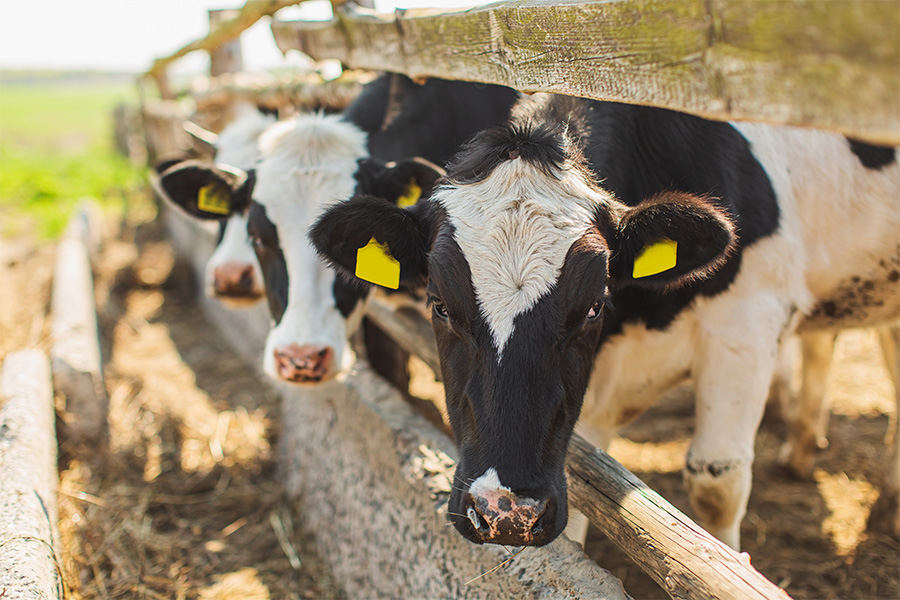
This guide is designed to help you improve your reasons for your placings in dairy cattle evaluations. Slowly incorporate new terms into your oral reasons and your ability to describe what you see will continue to improve. Concentrate on what you see instead of what you don’t see. You only have 2 ½ minutes to justify your placings. Use I.D. points, and Practice! Practice! Practice!
|
-
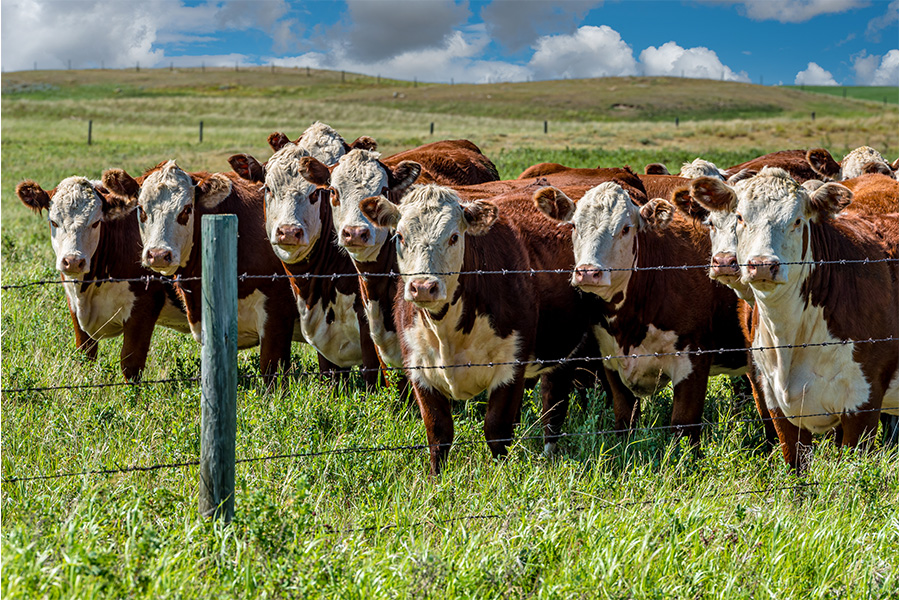
Estrous (heat) synchronization in beef cattle involves manipulating the females’ estrous cycle so they can be bred at about the same time. The normal 21-day estrous cycle in beef cattle can be altered by following an effective estrous synchronization protocol. Numerous estrous synchronization protocols have been developed that use a combination of different drugs and products to alter hormonal changes in the female’s estrous cycle. Since different reproductive hormones are used in estrous synchronization, developing a basic understanding of several reproductive hormones is helpful for determining which protocol will work best for your herd.
|
-
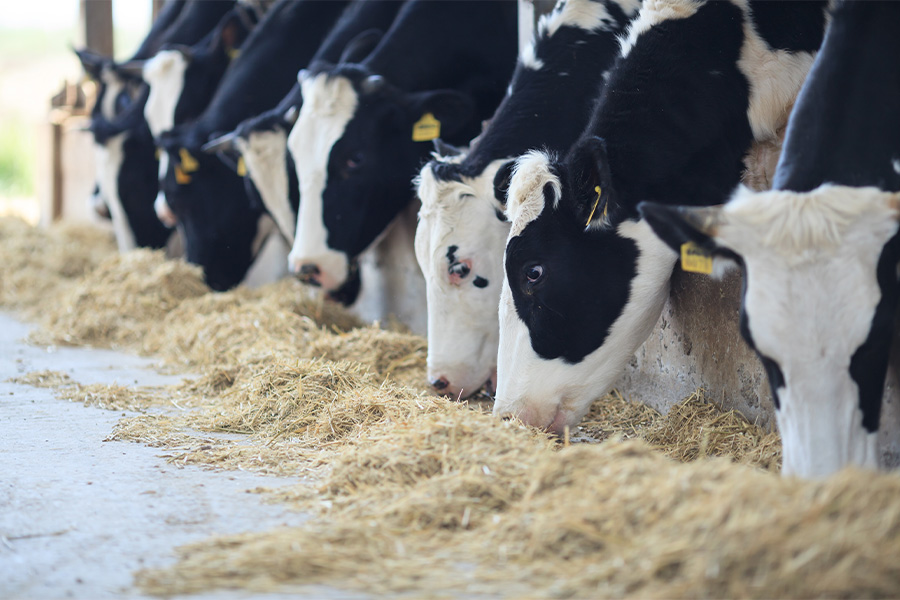
B 1227-SP
Programas de Sincronización de Hatos
Los datos del programa Dairy Records Management Systems (DRMS) demuestran que hatos de alta producción tienen índices de concepción bajos, y estos tienen también pasarán menos días abiertos y tienen una mayor taza de detección de celo.
[This publication describes dairy herd synchronization programs will help improve your reproductive management efficiency. Try the one that fits your management system the best. Both estrus and ovulation synchronization programs will help get more animals bred more efficiently. Feeding open animals extra days can be costly to producers. Identify open animals and pick the best breeding alternative for your operation.]
|
-

Problem identification is the first step in establishing objectives and goals to improve reproductive management in a dairy herd. Management is determining what must be done and achieving results through the efforts of yourself and your employees. Use the following worksheet to evaluate herd reproductive performance and set goals to improve your breeding strategies. Then develop a tactical plan to achieve these goals using the second worksheet. List those involved on your management team and their responsibilities.
|
-
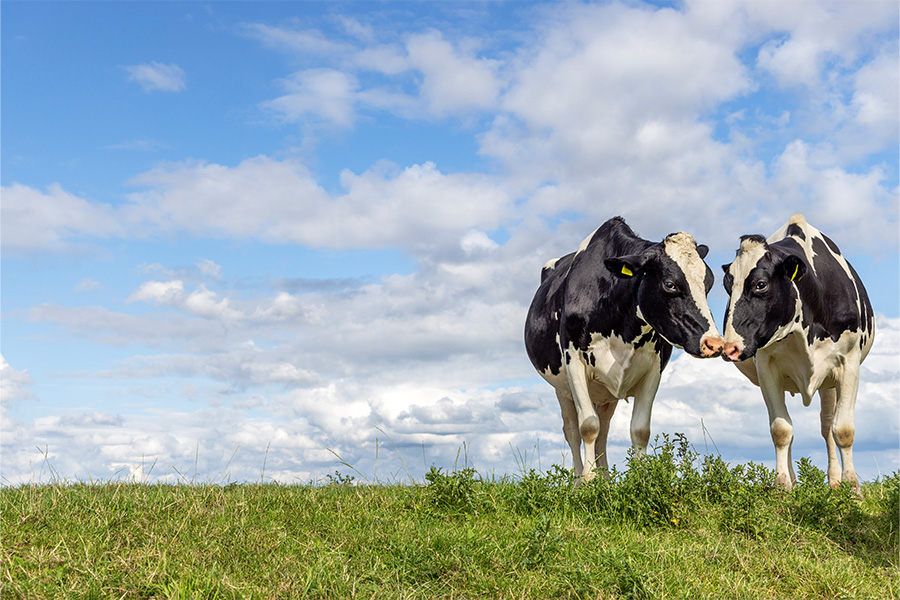
La detección de celo es el primer paso para hacer que un animal se preñe. De acuerdo con los registros de la Asociación Nacional para la Información de Hatos Lecheros (DHIA por sus siglas en inglés) los productores en Georgia solo ven un tercio de los celos. Los celos perdidos son uno de varios factores que contribuyen a intervalos largos entre partos. Al aumentar el número de celos observados es posible disminuir el tiempo entre partos.
[When the time comes to examine a herd’s dairy reproductive management program, producers often want to discuss low conception rates. In most cases, however, inadequate heat detection is the much greater reproductive problem. Heat detection is the first step to getting an animal bred. According to DHIA records, producers in Georgia are only seeing a third of their heats. Missed heats are one of several factors that contribute to long calving intervals. By increasing the number of heats observed, it is possible to shorten the interval between calves.]
|