Departments and Units Resources
-
B 1211-SP
Resolviendo Problemas Después del Parto
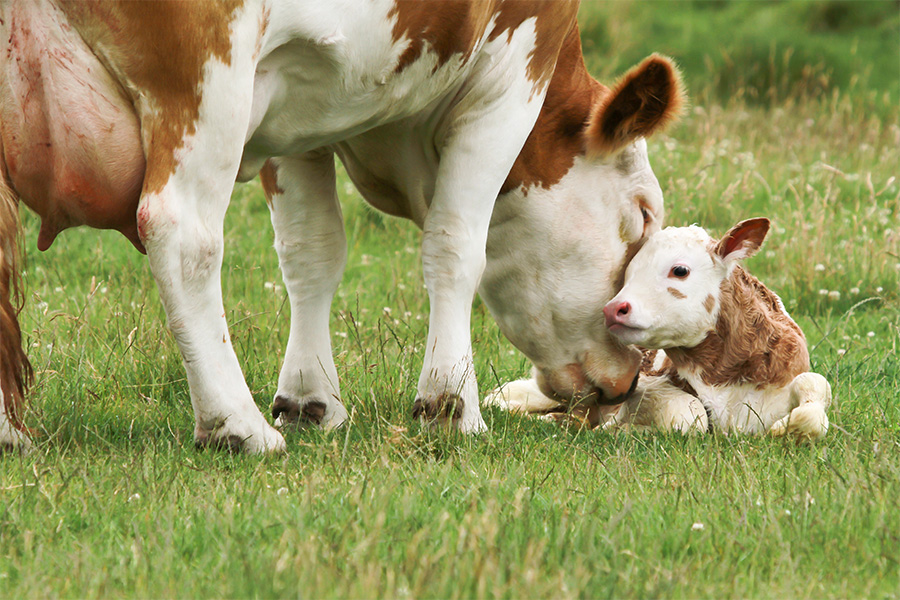
La identificación y el diagnóstico temprano de problemas reproductivos relacionados a nuestro programa de salud del hato es una parte esencial de un manejo eficiente de nuestra producción lechera. Muchos factores durante el periodo horro (seco), el parto y la lactancia temprana pueden disminuir la eficiencia reproductiva. Estos incluyen la mastitis, quistes ováricos, falta de condición física (body condition), placentas retenidas y anestro. También, ciertos desordenes pueden ocurrir simultáneamente. Por ejemplo, una vaca con fiebre de leche frecuentemente padece de una placenta retenida. Estos problemas post-parto alargan los intervalos entre partos y afectan la eficiencia reproductiva.
|
-

This publication provides reproduction benchmarks for Holstein herds processed by Dairy Records Management Systems. Some examples of using and applying benchmark values are provided; however, this publication should be viewed primarily as a comprehensive resource for reproduction benchmark values. These benchmarks will be useful to dairy producers, dairy managers, consultants, veterinarians and agribusiness representatives as a first step in the analysis of herd management practices.
|
-
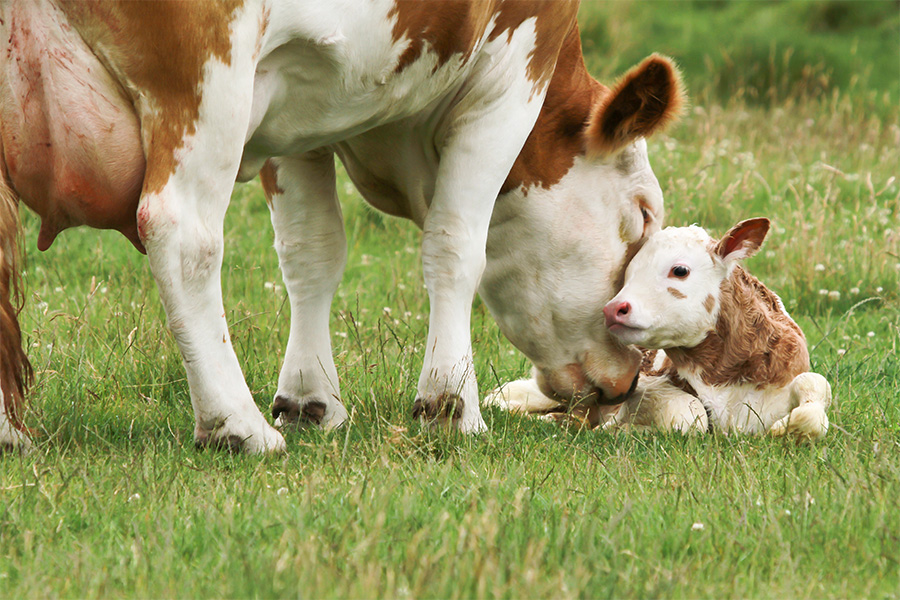
Early identification and diagnosis of reproductive problems through a herd health program are an essential part of successful dairy management. A cow must be pregnant by 85 days postpartum to achieve a 12-month calving interval. This is the backbone of sound reproductive management in an economical dairy business. Many factors during the dry period, parturition and early lactation can lower reproductive efficiency. These include mastitis, cystic ovaries, lack of body condition, retained placentas and anestrus. These postpartum problems lengthen calving intervals and affect reproductive efficiency.
|
-
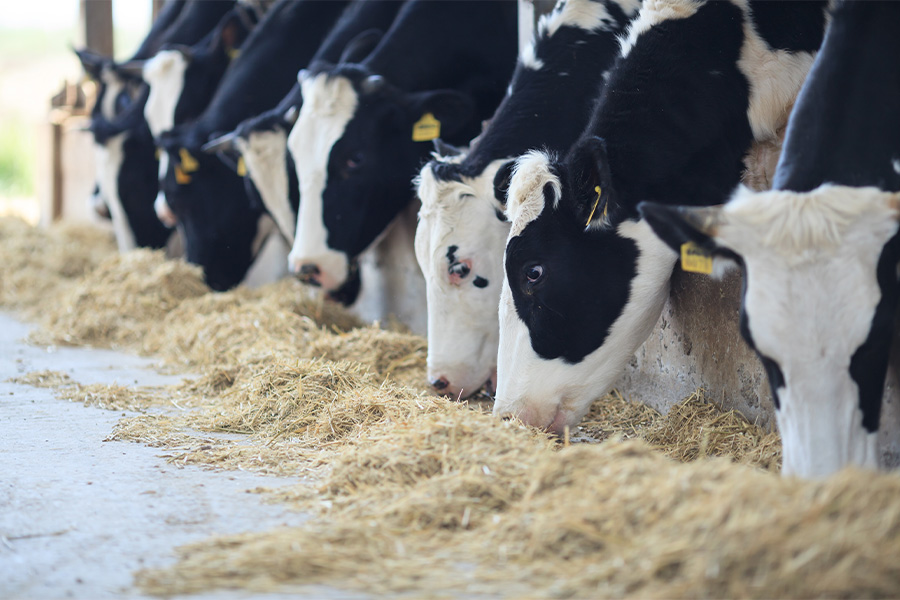
This publication describes dairy herd synchronization programs will help improve your reproductive management efficiency. Try the one that fits your management system the best. Both estrus and ovulation synchronization programs will help get more animals bred more efficiently. Feeding open animals extra days can be costly to producers. Identify open animals and pick the best breeding alternative for your operation.
|
-

Price and expenditure elasticities at the retail level between 1960 and 1993 were estimated for 11 fresh fruits and 10 fresh vegetables by employing a composite demand system approach and using annual data. Most fresh fruits and vegetables were found to respond significantly to changes in their own prices but insignificantly
to changes in expenditures. The study partially incorporated the interdependent demand relationships between fresh fruits (vegetables) and all other commodities, yet effectively avoided the problems of insufficient degrees of freedom.|
-

This research report presents the results of the 2016 statewide performance tests of soybean, sorghum grain and silage, and summer annual forages. The tests for various evaluations were conducted at several or all of the following locations: Tifton, Plains, and Midville in the Coastal Plain region; Griffin and Athens in the Piedmont region; and Calhoun in the Limestone Valley region.
Agronomic information, such as plant height, lodging, and disease occurrence, is listed along with the yield data. Information concerning planting and harvest dates, soil type, and culture and fertilization practices used in each trial is included in footnotes. Since the average yield for several years gives a better indication of a variety’s potential than one year’s data, multiple-year yield summaries have been included.
|
-

This module describes the role of energy in the body, how much energy is contained in our foods, and how to correctly identify the key nutrient classes that our bodies require from the foods we eat. All of these components are related to the general makeup of a commercial poultry diet. The module is designed to be one in a series of publications to supply relevant educational content related to the poultry industry to agricultural teachers, STEM teachers, and the general public.
|
-

SB 63-10
2016 Tobacco Research Report
This report contains the most recent results of tobacco research programs at the University of Georgia in 2016.
|
-

B 1290
Africanized Honey Bees
Honey bees are among the most well-known and economically important insects. They produce honey and beeswax, and pollinate many crops. In spite of the alarm surrounding Africanization, these bees have not caused widespread or permanent chaos. Dramatic stinging incidents do occur, but the quality of life for most people is unaffected. Typically, the commercial beekeeping industries of Africanized areas suffer temporary decline and then eventually recover.
|