Departments and Units Resources
-

Drought conditions are a yearly occurrence in Georgia and have been prolonged in several areas over the past several years. These conditions can have severe impacts on cattle, and every cattleman should have a plan in place to minimize the effects of drought on the farm’s finances. This publication describes several management strategies for producers to consider during drought conditions.
|
-
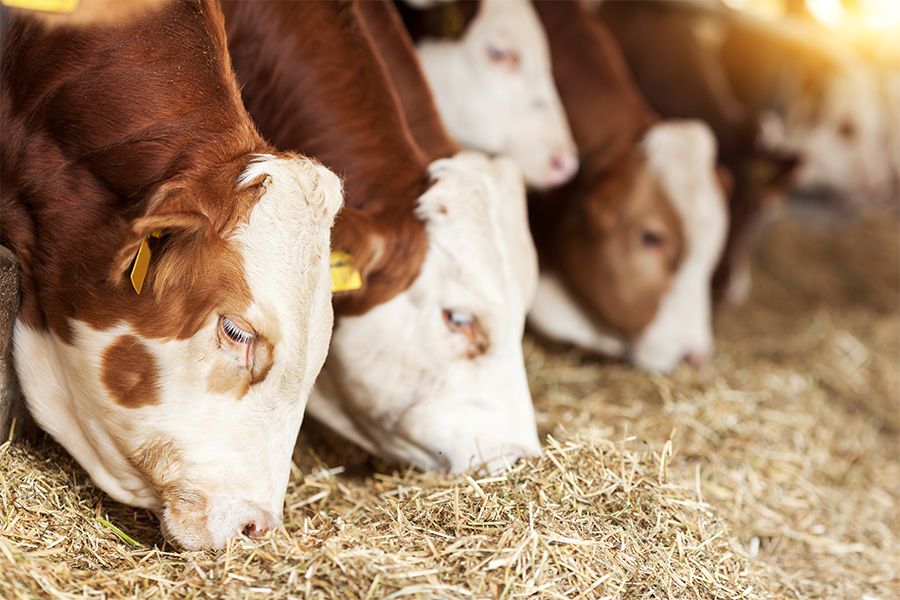
This resource provides detailed information for cattle owners/managers on mineral supplements for beef cattle to ensure their optimal growth and reproduction.
|
-

Bin composting daily mortality can be a useful, cost-effective management tool when practiced correctly. However, it can be environmentally harmful if it is not managed and monitored properly. This publication shows the necessary steps to obtain a compost product from daily poultry mortality using a bin composting method.
|
-
C 946
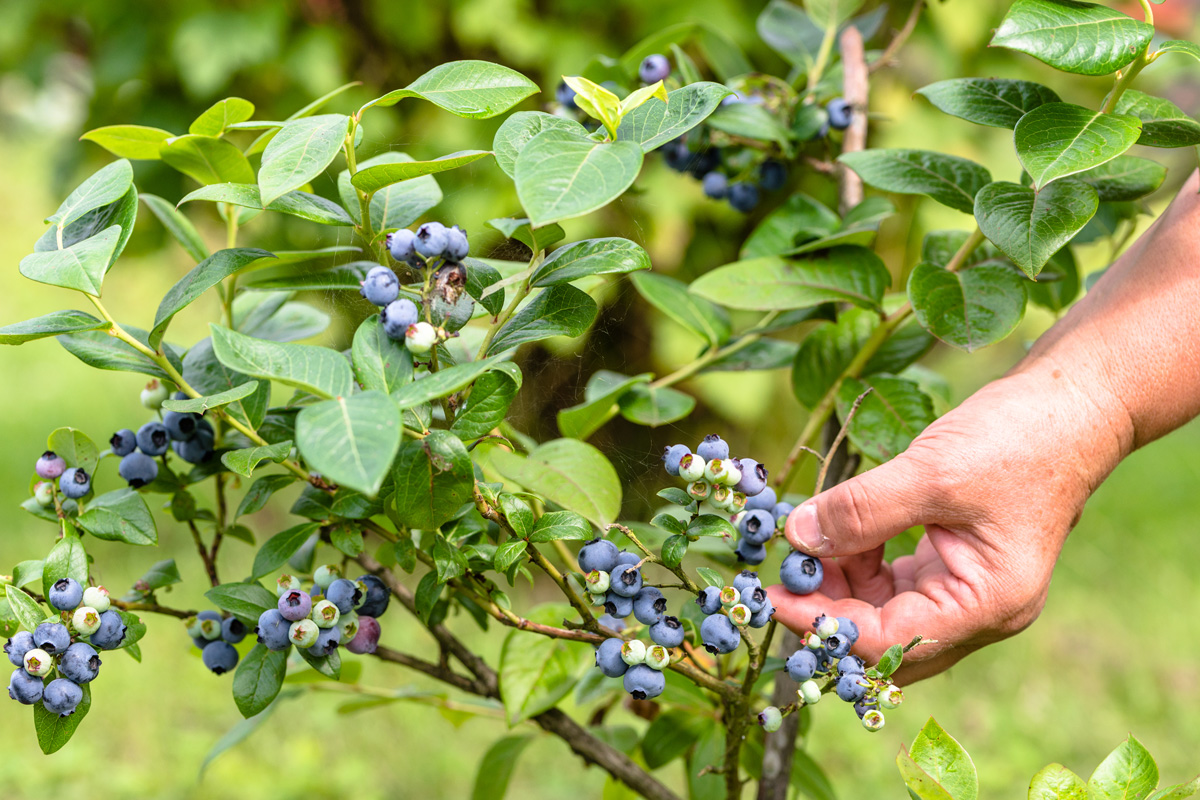
Home Garden Blueberries
Use this resource to understand how to best manage blueberries in your home garden. Native Georgia rabbiteye blueberry bushes will produce some fruit the second or third year after transplanting, and by sixth year they will yield as much as 2 gallons each.
|
-

The diamondback moth is a common pest of crops including cabbage, collards, turnip greens, mustard greens, broccoli, cauliflower and other leafy greens.
This insect has a long history of becoming resistant to insecticides beginning with DDT in 1953. Since then, DBM has become resistant to each new class of insecticide arriving to the market whenever those insecticides were used intensively and repeatedly to control a DBM population.
Prevention is critical. To delay the onset of resistance follow the practices listed in this circular. Even if resistance is detected in an area, these tips can inhibit its spread and preserve insecticide effectiveness.
|
-

By-product feeds come from a variety of sources, including grain processing, production of human foods and beverages, and manufacturing of fiber products. Although many of these feeds have been used for years, others are relatively new. Research has been conducted on most by-product feeds and the guidelines for their use are well documented; however, limited information is available on the feeding value or guidelines for using some by-product feeds. This publication discusses factors that should be considered when feeding by-product feeds to cattle.
|
-

Hot and humid environmental conditions stress the lactating dairy cow and reduce intake of the nutrients necessary to support milk yield and body maintenance. In Georgia, weather conditions are sufficiently hot and humid to reduce performance of dairy cows for five months or more each year. This publication presents methods that can be used to minimize the stress on dairy cows during hot weather and enhance production during the hot summer months.
|
-

Recently, switchgrass has attracted attention as a potential bioenergy crop. High yields of biomass with relatively few inputs make switchgrass a favorable choice for bioenergy production. In contrast, the use of switchgrass in pastures and hayfields in Georgia is limited because other introduced species (e.g., bermudagrass, bahiagrass, tall fescue, etc.) are more easily managed for high yields and forage quality. This publication provides basic information about switchgrass and its use as a bioenergy crop, forage crop, and wildlife habitat.
|
-

Weed management is one of the most critical and costly aspects for container nursery production. Weeds can quickly outcompete the crop for light and other resources, reducing the rate and amount of crop growth as well as salability. Preventative practices are most effective, primarily with the use of preemergent herbicides. Weed management alternatives to synthetic herbicides include sanitation, exclusion, prevention, hand weeding, mulching and use of cover crops, heat, and nonsynthetic herbicides. Only some of these alternative methods can be used to control weeds in containers, but all can be used to manage weeds around containers and in noncrop areas.
|