Departments and Units Resources
-

B 1438
Is Your Label Gluten Free?
With the increased demand for gluten-free products in the marketplace, food processors and manufacturers have started to develop more and more better-tasting and nutritious food products that also are gluten-free. However, the federal food labeling regulations for gluten-free products can be very confusing for small food processors and new food product entrepreneurs.
The purpose of this bulletin is to assist small food processors and food entrepreneurs in their understanding of the FDA labeling requirements for putting “gluten-free” on the label of packaged food products. The authors do not claim interpretation or replacement of any other federal or state regulations about labeling requirements.
|
-
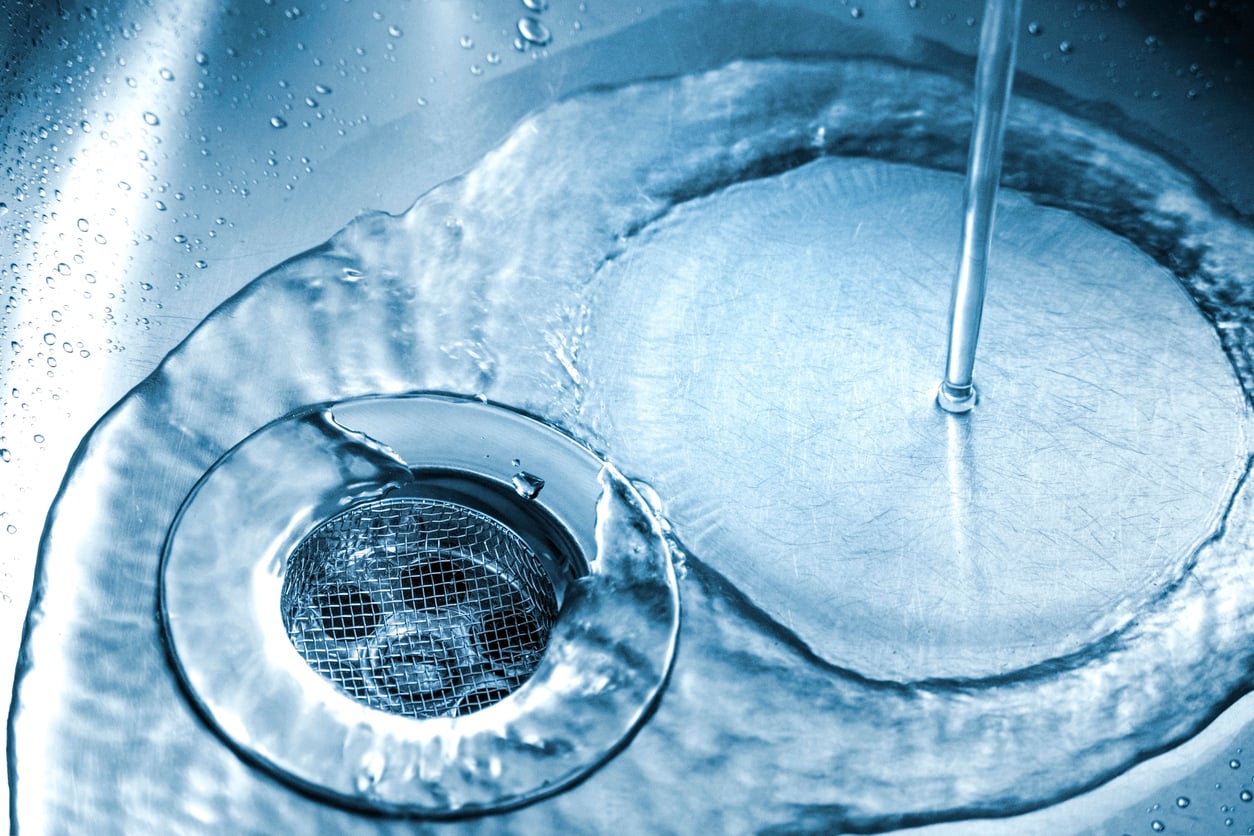
Pathogens in household waters pose a serious threat to human health. The CDC has recorded many drinking water microbial-associated disease outbreaks in the U.S., causing illness, hospitalization, and even death. To protect human health, disinfection is considered important in most water treatment systems. This publication provides necessary information on the various disinfection options for household water as well as important points to consider before buying disinfection equipment.
|
-

The goal of this publication is to guide the user to a better understanding of basic forage quality terms and to recommend management changes that will improve forage quality. To that end, our objectives are to explain how forage quality is measured, describe how to interpret a forage analysis, present the effects of management on forage quality, and list the key management strategies that can increase the nutritive value of forage crops.
|
-

Annuals are the mainstay color plant of many home gardens. They are also used in increasingly large numbers in commercial and municipal landscapes because they provide landscape color in a very short time with minimal investment. Properly cared for, many annuals will brighten the landscape continuously from spring until frost kills them in the fall.
|
-
C 858-3
Home Water Quality and Treatment
The quality of your water supply can have both an immediate and a prolonged effect on the health of your household. Many Americans, especially those dependent upon well water, assume that their water is safe and healthy. Unfortunately, this is not always the case. This publication contains basic information about home water quality and treatment.
|
-
B 1518
Home Garden Plums
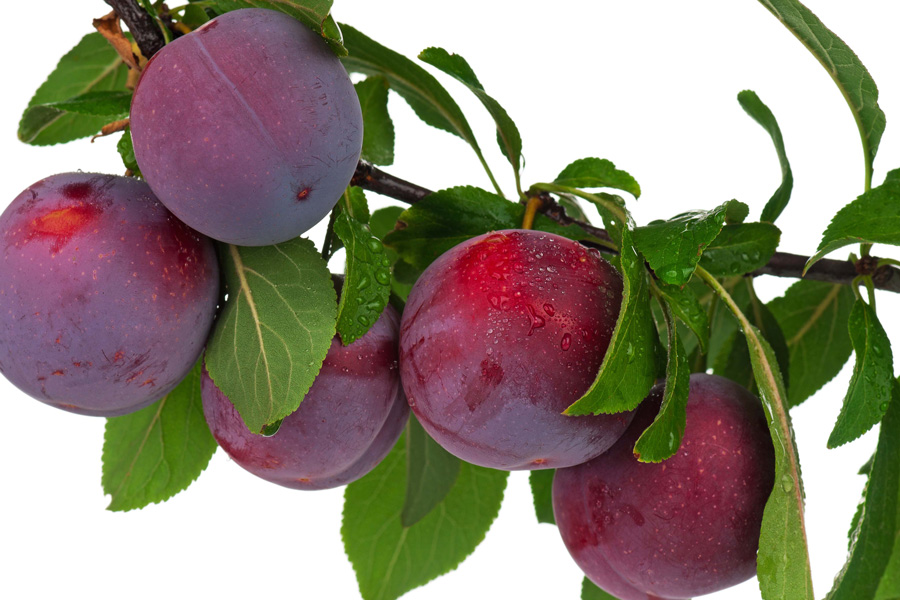
This resource covers plum production, pruning, thinning, fertilization, and variety selection in the home garden. Most commercially grown plum varieties are derived from either Japanese or Asian plums or European plums. Japanese plums are primarily for fresh consumption, while European plums are for both processing and fresh consumption. The products obtained from processing plums include prunes (dried fruit, the predominant product), canned fruit, jam, jelly, juice, and beverages.
|
-
C 858-2
Testing for Water Quality
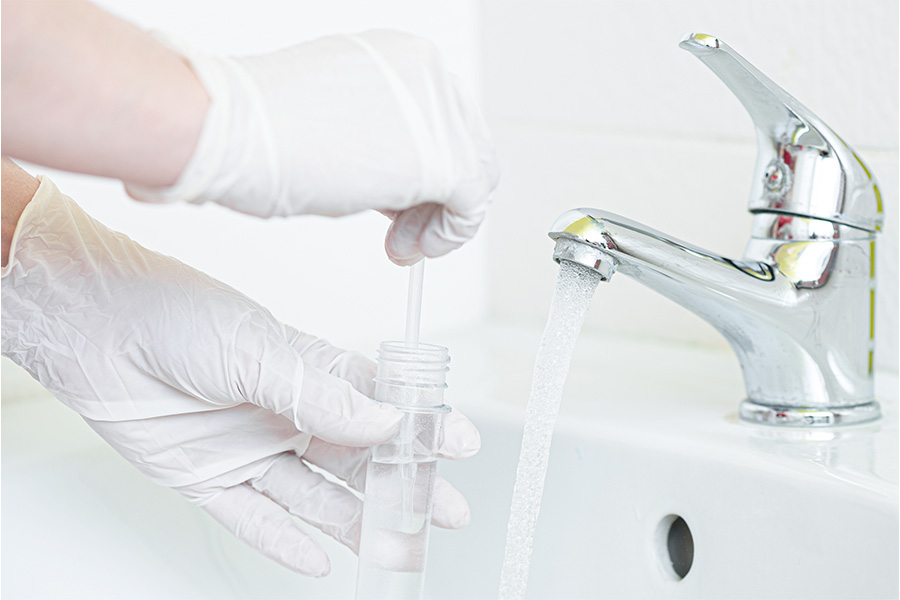
The quality and safety of drinking water is of great concern to many Americans today because of an increased interest in health and environmental quality. This new focus on water quality has led many Americans to consider testing their water. This publication is intended to help you understand water testing and to identify the tests needed.
|
-
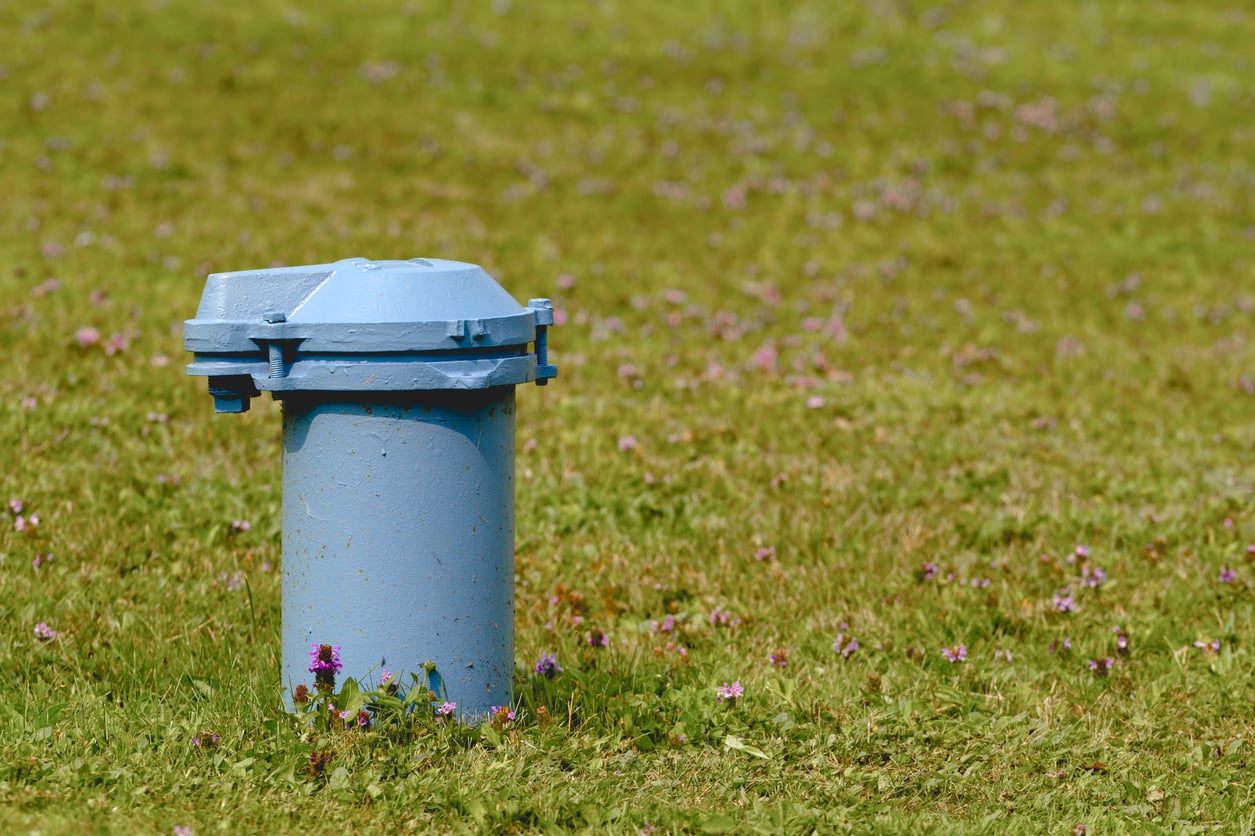
If you are one of the many Americans who use groundwater for drinking,
the proper protection of your well and wellhead is essential for the health of your family, yourself and your neighbors. This publication contains information about protecting your well and wellhead from contaminants.|
-

This planting guide will help producers establish grasses and legumes commonly grown in Georgia.
|