Departments and Units Resources
-
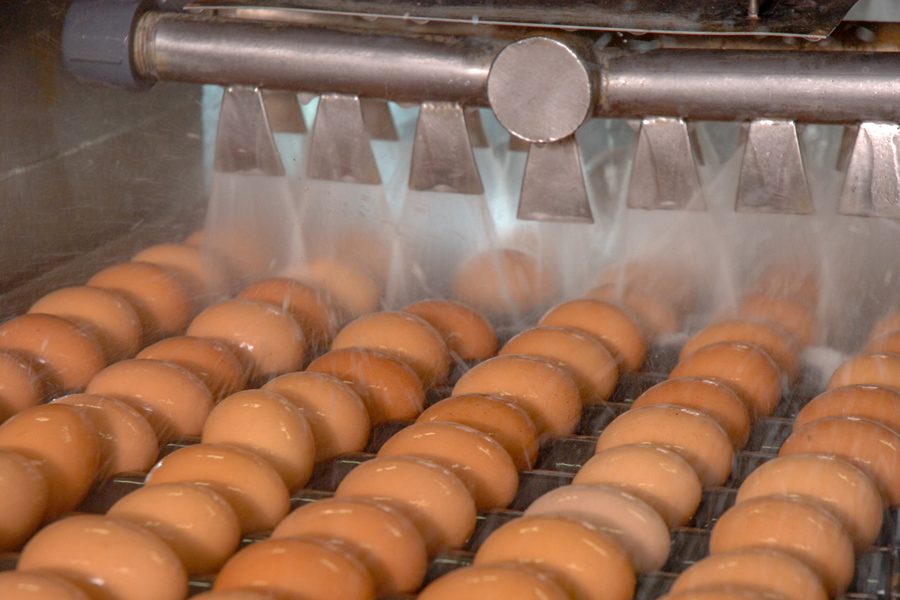
This publication is designed to give commercial egg processors the information they need to understand and effectively deal with the wastewater grit generated from the conveying, washing and grading of table eggs.
|
-
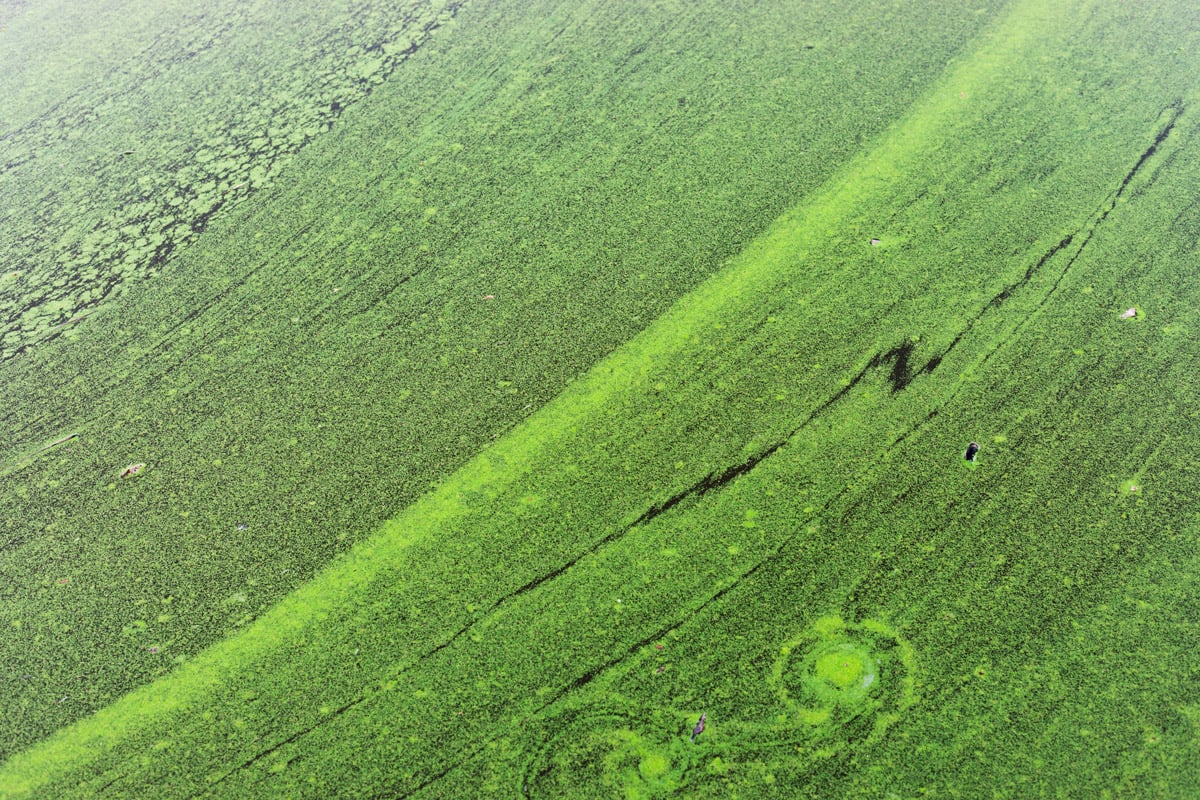
Low-energy input systems that utilize microalgae and the natural biological process of photosynthesis can drive efficient wastewater treatment systems. This publication describes the use of microalgae in wastewater treatment.
|
-

The goal of this publication is to introduce the development of a more accurate measurement of water-use efficiency based on the bulk quantities of materials handled at each processing step at a poultry slaughter plant.
|
-
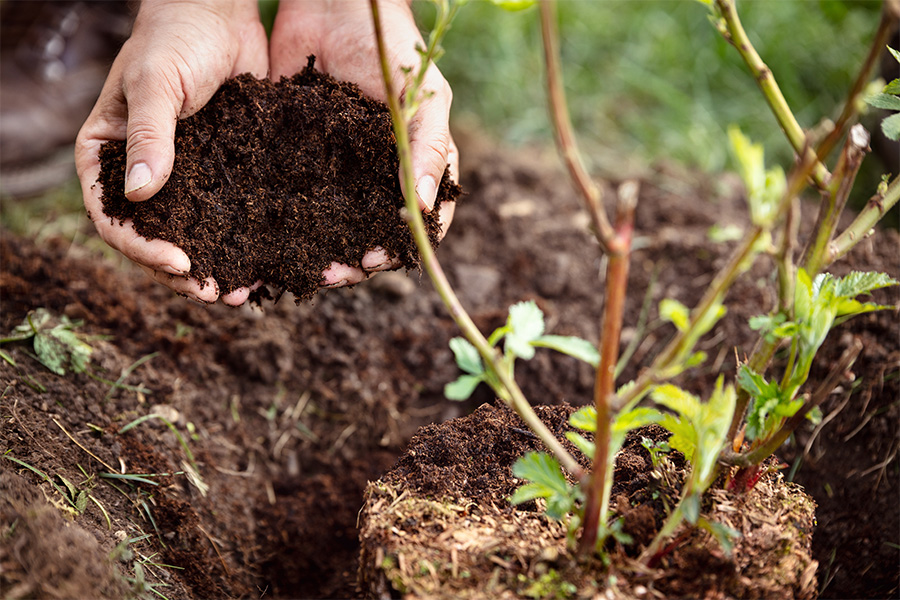
C 816
Composting and Mulching
This resource explains how to build and maintain a compost pile, as well as how to use compost and mulch in the yard and garden.
|
-

C 787
Gardening in Containers
Growing plants in containers differs from growing plants in the ground. Poorly drained potting mixture can lead to root problems. Under conditions of excess moisture and poor aeration, roots become stressed and are easily invaded by root rotting fungi. Under these circumstances, plants fail to grow properly or even die.
In addition to guidance on soil preparation, this bulletin provides information on selecting containers, planting and fertilizing container plants, a list of plants recommend for container gardens.
|
-

The Georgia Pest Management Handbook gives current information on selection, application and safe use of pest control chemicals. The handbook has recommendations for pest control on farms, around homes, urban areas, recreational areas, and other environments in which pests may occur. Cultural, biological, physical, and other types of control are recommended where appropriate.
|
-
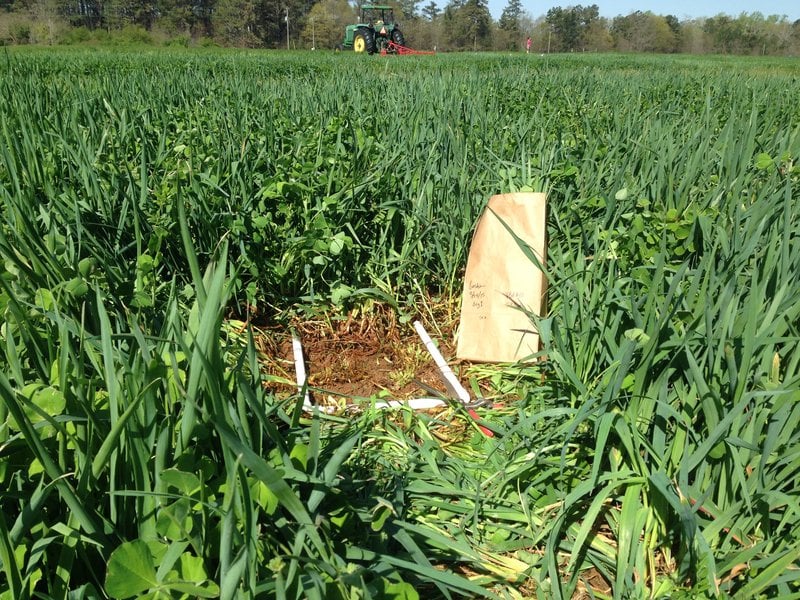
C 1077
Cover Crop Biomass Sampling
Cover crops are one of the most important practices that farmers can use to improve their soils and the sustainability of their production system. Knowing how much biomass there is in a field is a critical piece of information for cover crop management. This resource covers taking a representative sample, preparing a sample for the lab, and provides a guide to help you calculate wet and dry weights.
|
-
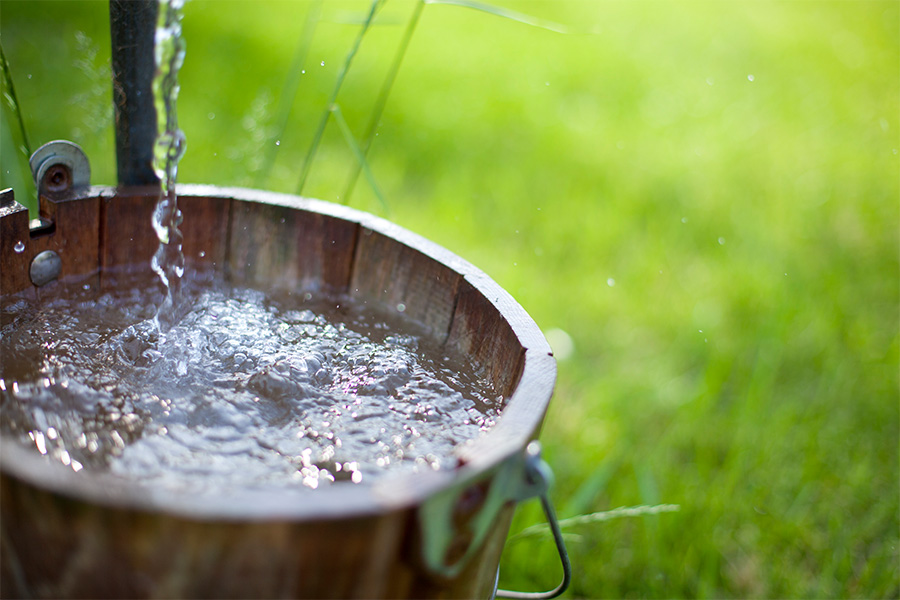
Shock chlorination is the process by which home water systems such as wells, springs, and cisterns are disinfected using household liquid bleach (or chlorine). Shock chlorination is the most widely recommended means of treating bacterial contamination in home water systems. This publication contains guidelines for safely and effectively using shock chlorination — a standard treatment for sanitizing your well system.
|
-

There are a number of different poultry production systems available today, and consumers commonly confuse organic poultry production with other systems. Pasture-raised poultry and natural poultry are not organically produced, as they do not meet all or any of the standards set by the National Organic Program, which regulates and certifies production systems as “organic.” Consumers should be aware of the differences between each of the poultry production systems as they purchase poultry products.
|