Departments and Units Resources
-

C 1364-04-SP
Cómo reducir el estrés cuando se vive con diabetes
It is very common to feel overwhelmed, anxious, frustrated or exhausted by the daily demands of diabetes care, such as taking medications, eating healthy, and staying physically active. This distress can also stem from concerns about long-term complications, the constant self-care required to prevent them, social challenges of living with diabetes, and the financial burdens associated with diabetes treatment. This resource offers tips on managing this stress.
|
-

Esta publicación reúne respuestas basadas en evidencia científica para aclarar dudas frecuentes sobre la diabetes y evitar la confusión que pueden generar consejos bien intencionados pero no siempre apropiados para todos. La diabetes es una enfermedad crónica y progresiva que se manifiesta de manera distinta en cada persona y ofrece orientación confiable sobre temas clave.
|
-

Esta publicación ofrece una guía completa y accesible sobre cómo llevar una alimentación saludable para manejar la diabetes, comenzando con los principios básicos de una dieta equilibrada y presentando el Método del Plato para la Diabetes como una herramienta sencilla para organizar comidas balanceadas. Explica los distintos grupos de alimentos que componen un plato saludable—incluyendo verduras sin almidón, proteínas magras, alimentos con carbohidratos como frutas, verduras con almidón, pan, pasta y arroz—y añade información sobre la leche y el yogur, las grasas saludables, los suplementos cuando son necesarios y el uso de edulcorantes o endulzantes artificiales como sustitutos del azúcar. En conjunto, esta publicación brinda orientación clara y culturalmente relevante que ayuda a las personas con diabetes a planificar mejor sus comidas y favorecer un adecuado control de la glucosa en su vida diaria.
|
-

Esta publicación ofrece una guía completa para mejorar la alimentación y el manejo nutricional en el contexto de la diabetes, comenzando por estrategias para reducir la sal (sodio) y consejos prácticos para hacerlo, así como recomendaciones para aumentar el consumo de fibra, la cantidad diaria sugerida y formas sencillas de incorporarla en las comidas. Además, incluye orientación para aprender a leer etiquetas nutricionales, explicando elementos clave como el número total de porciones del envase, el tamaño de la porción, las calorías por porción y la información sobre nutrientes relevantes: carbohidratos totales, azúcares y azúcares añadidos, alcoholes de azúcar, grasas totales, sodio, la lista de ingredientes y el porcentaje de valores diarios recomendados. En conjunto, este recurso ayuda a comprender mejor cómo los distintos componentes de los alimentos influyen en la salud y ofrece herramientas prácticas para mejorar la calidad de la dieta.
|
-

This resource covers recommendations for pregnant women and food safety, which is particularly important during pregnancy when the mother-to-be and her baby have a weakened immune system. In addition to the basics (clean, separate, cook, chill), pregnant women should be mindful of specific risks in different categories of foods.
|
-
C 1180
Fescue Toxicosis in Horses
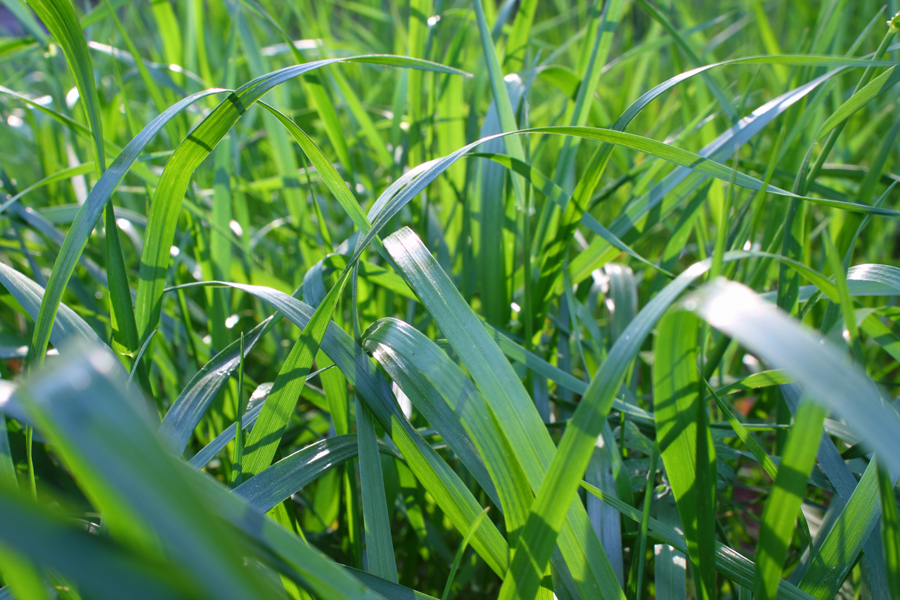
Tall fescue is the primary cool season perennial forage grown in the state of Georgia, and toxicity issues related to the grass can have significant impacts on equine reproduction. Tall fescue is the most heat tolerant of the cool season grasses due to a fungus that grows within the plant called an endophyte. This endophyte produces ergot alkaloids that can have negative effects on animals that eat the infected forage. The toxic effects of the endophyte can be successfully managed by eliminating the grazing or feeding of toxic tall fescue, as described in this publication.
|
-

Research has shown that if you properly select, install, and maintain ornamental plants, you greatly increase their survival and performance in the landscape. Following best management practices will not only conserve moisture in the landscape but also assure overall health and vigor of the ornamental plants.
|
-

Research has shown that a landscape that has been carefully planned and installed and properly managed will be healthier, less prone to insects and diseases, and will require less irrigation. Georgia’s landscape and turf industry and UGA Cooperative Extension are urging citizens to implement inexpensive and easy-to-perform landscape management practices that decrease the need for irrigation and/or lead to greater efficiency of irrigation when it is needed. This publication provides tips about planning, planting and maintaining the landscape to save water.
|
-

This management guide provides producers with specific tactics that may minimize the potential for short- and long-term problems during a drought. These tactics are based on specific characteristics including water loss, forage growth, and rainfall.
|