Departments and Units Resources
-
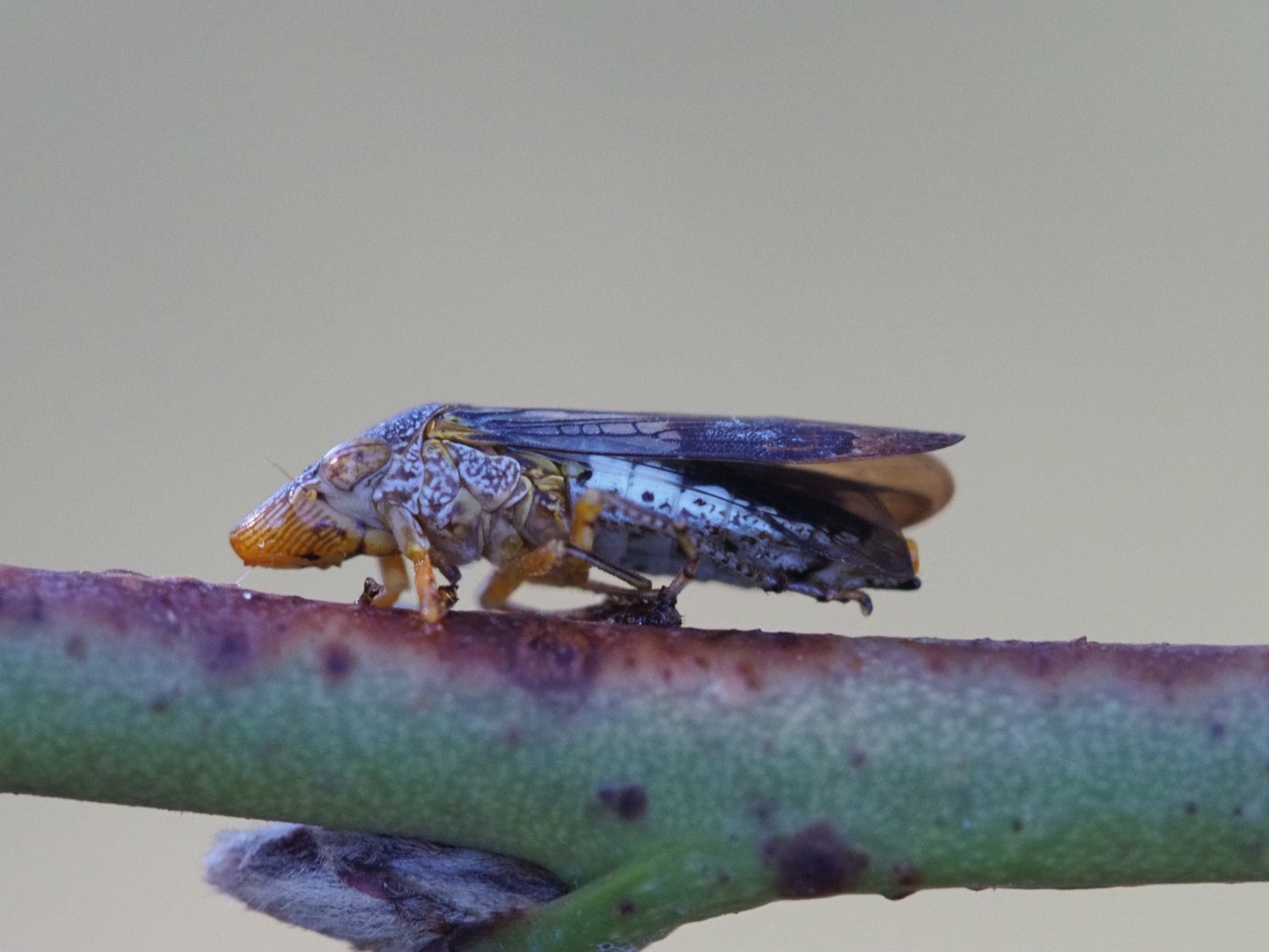
C 1253
Phony Peach Disease
This fact sheet covers phony peach disease: History, symptoms, disease cycle, and management.
|
-
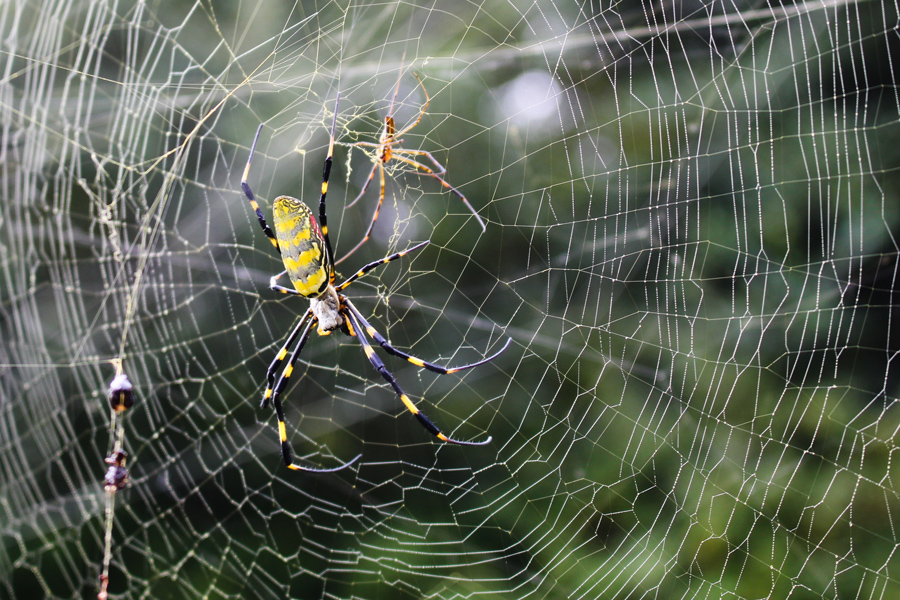
The Joro spider is native to East Asia and was first detected in Georgia in 2014. Adult females become sexually mature in September and early October. The female is bright yellow with broad, horizontal bluish-green bands on the top side of the abdomen, large red markings on the bottom side of the abdomen, with long, black legs with yellow-orange bands. The male’s cephalothorax is light brown with two dark brown long bands on both sides. His abdomen is elongate-oval with a greenish-brown topside that has two yellowish long stripes on both sides of the dark brown middle line.
|
-

As part of our series “Maternal Health in Georgia” for UGA Extension Agents, this circular will talk more about the Dietary Guidelines for Americans (2020-2025) and recommendations for weight gain, nutrition and physical activity during pregnancy.
|
-
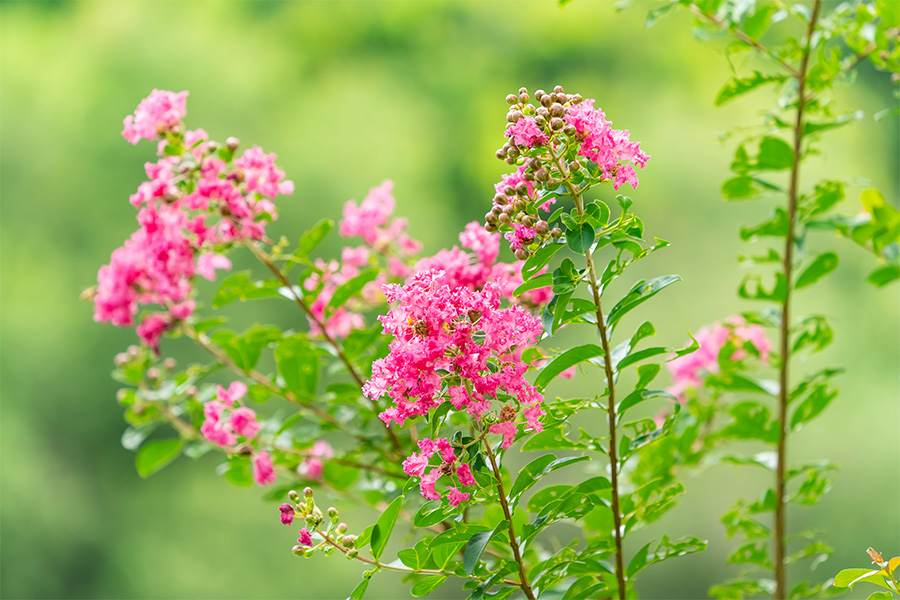
C 944
Crape Myrtle Culture
Crape myrtle is one of the most useful flowering shrubs/trees grown in Georgia. It provides abundant summer color with a minimum of maintenance.
|
-

The USDA-Food Safety Inspection Service (FSIS) indicated that if water is to be reused in a poultry processing facility, then this reuse water must be accounted for in the plant’s HACCP program.
|
-

C 1041-1-SP
Seguir adelante: Cuando sus ingresos disminuyen
Sobrevivir a la economía puede ser un desafío y mucho más cuando no hay dinero. En esta publicación le presentamos y explicamos las claves para sobrevivir a la economía: piense de manera positiva, examine las posibilidades, y establezca un plan.
|
-

Cuando sus ingresos disminuyen o no alcanzan a cubrir sus gastos como antes, la planificación cuidadosa puede ayudarle a evitar el desalojo de su unidad de alquiler o la pérdida de su hogar.
|
-

Feather coverage is important for both thermoregulation and disease prevention. Because feathers are made of protein, there are obvious nutritional factors that affect feather coverage in high yield broiler breeds. This resource summarizes the importance and structure of the feather and the feed-related factors that impact feather coverage.
|
-
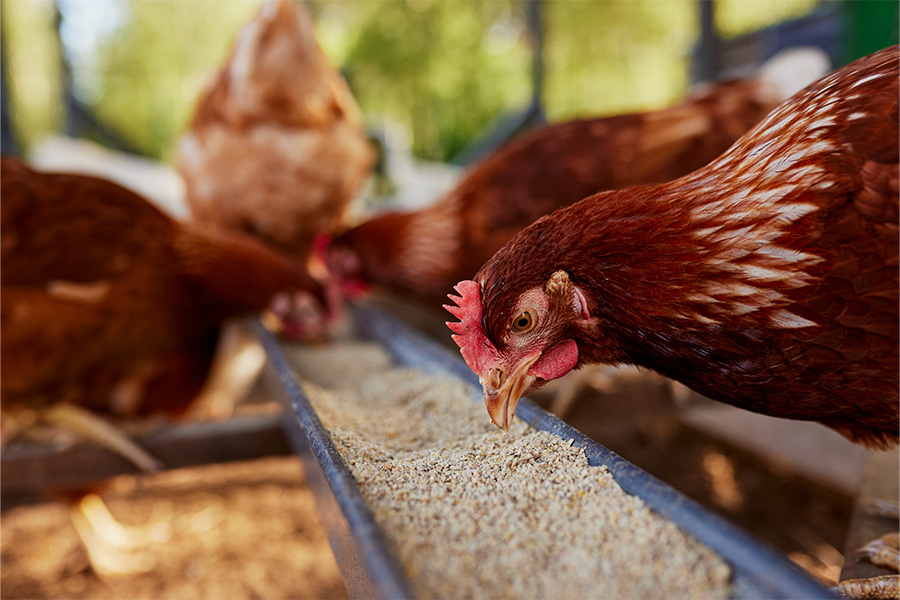
Providing the right nutrition for your chickens means ensuring that what they eat supplies all of the essential amino acids, fatty acids, carbohydrates, vitamins, minerals, and water that they will need to produce the meat or eggs you hope to collect. This resource provides an overview of what you should look for when choosing poultry feed and how to choose a diet that is appropriate for various types of poultry.
|