Departments and Units Resources
-
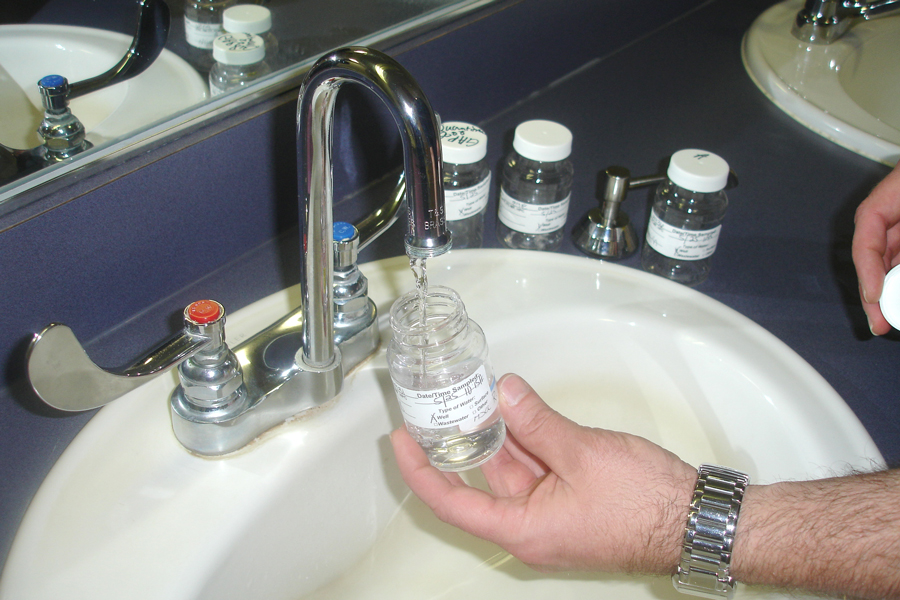
An abundant supply of clean, safe drinking water is essential for human and animal health. Water from municipal or public water systems is treated and monitored to ensure that it is safe for human consumption. Many Georgia residents, especially in rural areas, rely on private water systems for human and livestock consumption. Most private water systems are supplied by wells. Water from wells in Georgia is generally safe for consumption without treatment. Some waters, however, may contain disease-causing organisms that make them unsafe to drink. Well waters may also contain large amounts of minerals, making them too “hard” for uses such as laundering, bathing or cooking. Some contaminants may cause human health hazards and others can stain clothing and fixtures, cause objectionable tastes and odors, or corrode pipes and other system components.
|
-

The purpose of this guide is to help users identify insects, spiders and mites that are beneficial to the garden. Such beneficials help manage pests that can damage plants. Tips to conserve and protect beneficials are also included.
|
-

This field guide is based on a 2-year study of ground-dwelling spiders in blueberry farms in southeastern Georgia and shows the most common spider families and genera found. This guide is for farmers, students, and educators to help them recognize these groups. Spiders are helpful organisms that feed on insects and other small creatures. In many cases, they are among the most effective natural controls of pest insects in gardens, farms, forests, and even inside homes.
|
-
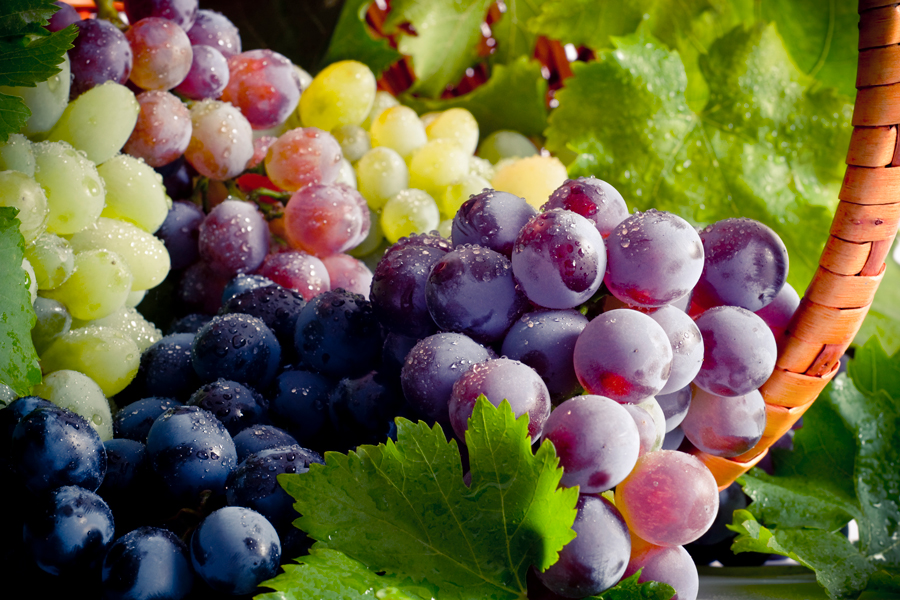
This is a new annual guide for managing diseases, insects, weeds, and wildlife in bunch grapes in the Southeast. This regional integrated pest management guide provides recommendations based on information from the manufacturer’s label and performance data from research and Extension field tests. This publication is intended for use only as a guide. Specific rates and application methods are on the pesticide label, and these are subject to change at any time. This publication is a product of the Southern Region Small Fruit Consortium.
|
-

Georgia is experiencing rapid growth in utility-scale solar energy development. This resource addresses some general concerns and questions residents have asked UGA Extension about how the construction and operation of these solar facilities could affect our soil and the quality of our shared surface and underground waters, including well water.
|
-
C 1212
Grape Sour Rot
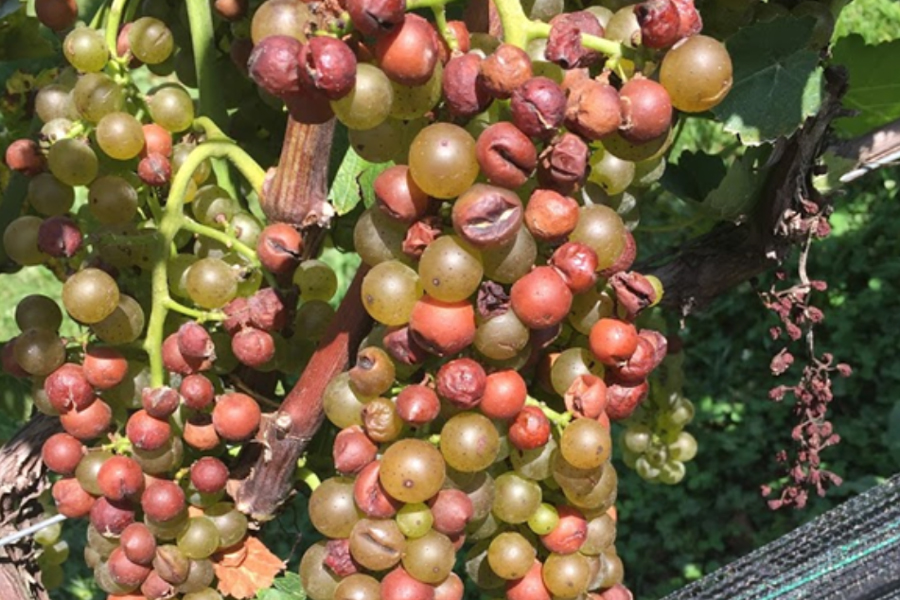
Although grape sour rot can occur in drier climates, the disease complex tends to be especially problematic during wine grape ripening in wet, humid regions. Browning and disintegrating berries and the aroma of vinegar are a few symptoms that characterize grape sour rot. Sour rot ultimately results in crop yield reduction as damaged berries often “shatter,” or fall off the clusters. Sorting out clusters with sour rot that are not suitable for winemaking causes a further reduction in return revenues as less wine is produced. Sour rot is a prominent concern in Eastern U.S. vineyards as it is consistently observed in vineyards, particularly in white-berried cultivars, and questions remain about how to best manage it, particularly with the threat of insecticide resistance development in targeted fruit flies.
|
-
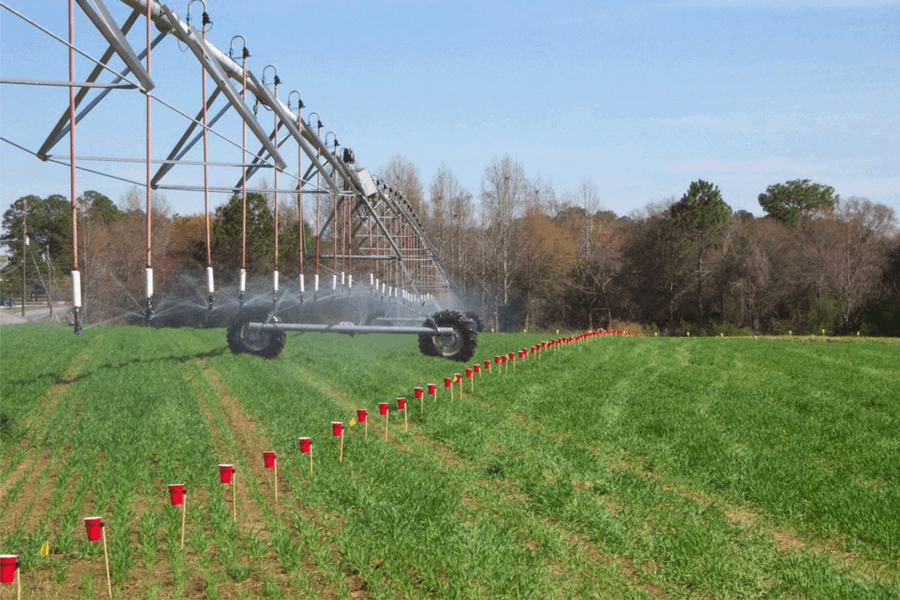
With rising fuel prices it is increasingly important that irrigation systems apply water uniformly in order to achieve maximum benefit from the water applied. The uniformity of water application under a center pivot is determined by setting out cans or rain gauges along the length of the pivot, bringing the irrigation system up to proper operating pressure, and letting the system pass over them.
|
-
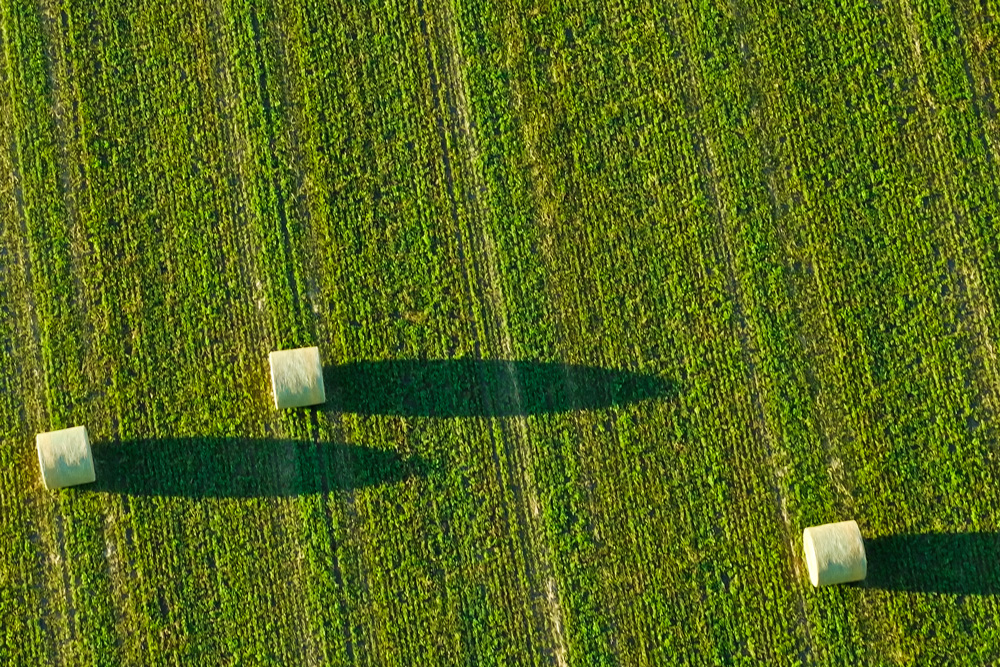
Forages are a key component to grazing animal diets in Georgia. Accurately testing the nutritive value of your forage is important. The nutritive value of most forages in Georgia can be evaluated through near infrared spectroscopy (NIRS). This resource focuses on common questions from forage-livestock producers about NIRS.
|
-

An estimated 1.7 million people in Georgia rely on 640,000 private wells for their drinking water supply, and private well water users are responsible for ensuring the quality and safety of their water supplies for domestic, livestock, and irrigation use. This online tool provides interpretations and recommendations for drinking water quality.
|