Departments and Units Resources
-
SB 48-01
Introduction and Table of Contents
Beginning in 2022, the Home & Garden Edition has been updated biennially. When purchasing a product based on a first-year recommendation of the Handbook, check the current product label before purchase to be sure it is still labeled for the use for which you are buying it. For pesticide products you have on hand from earlier purchases, you are allowed to use them until they are depleted without penalty under the law. Always follow label instructions before use. Contact the product’s manufacturer for the most up-to-date label.
|
-
This section of the Home & Garden Edition covers what to do in the event of a pesticide emergency, important contacts such as poison control, frequently asked pesticide questions, abbreviations and equivalents, submitting specimens for identification, and instructions for calibrating various types of sprayers. Beginning in 2022, the Home & Garden Edition has been updated biennially. When purchasing a product based on a first-year recommendation of the Handbook, check the current product label before purchase to be sure it is still labeled for the use for which you are buying it. For pesticide products you have on hand from earlier purchases, you are allowed to use them until they are depleted without penalty under the law. Always follow label instructions before use. Contact the product’s manufacturer for the most up-to-date label.
|
-
This section of the Home & Garden Edition covers external parasite control in companion animals, flea control products, and honey bee disease and pest control. Beginning in 2022, the Home & Garden Edition has been updated biennially. When purchasing a product based on a first-year recommendation of the Handbook, check the current product label before purchase to be sure it is still labeled for the use for which you are buying it. For pesticide products you have on hand from earlier purchases, you are allowed to use them until they are depleted without penalty under the law. Always follow label instructions before use. Contact the product’s manufacturer for the most up-to-date label.
|
-
SB 48-04
Aquatic Environments Pest Management
This section of the Home & Garden Edition covers external parasite control in aquatic environments, including fishery chemicals, aquatic weed control, response to herbicides, restrictions, and calculating concentrations in aquatic environments. Beginning in 2022, the Home & Garden Edition has been updated biennially. When purchasing a product based on a first-year recommendation of the Handbook, check the current product label before purchase to be sure it is still labeled for the use for which you are buying it. For pesticide products you have on hand from earlier purchases, you are allowed to use them until they are depleted without penalty under the law. Always follow label instructions before use. Contact the product’s manufacturer for the most up-to-date label.
|
-
SB 48-05
Home Orchard Pest Management
This section of the Home & Garden Edition covers pest control in home orchards, including apples, peaches, bunch grapes, muscadines, strawberries, blueberries, and other fruits. Beginning in 2022, the Home & Garden Edition has been updated biennially. When purchasing a product based on a first-year recommendation of the Handbook, check the current product label before purchase to be sure it is still labeled for the use for which you are buying it. For pesticide products you have on hand from earlier purchases, you are allowed to use them until they are depleted without penalty under the law. Always follow label instructions before use. Contact the product’s manufacturer for the most up-to-date label.
|
-
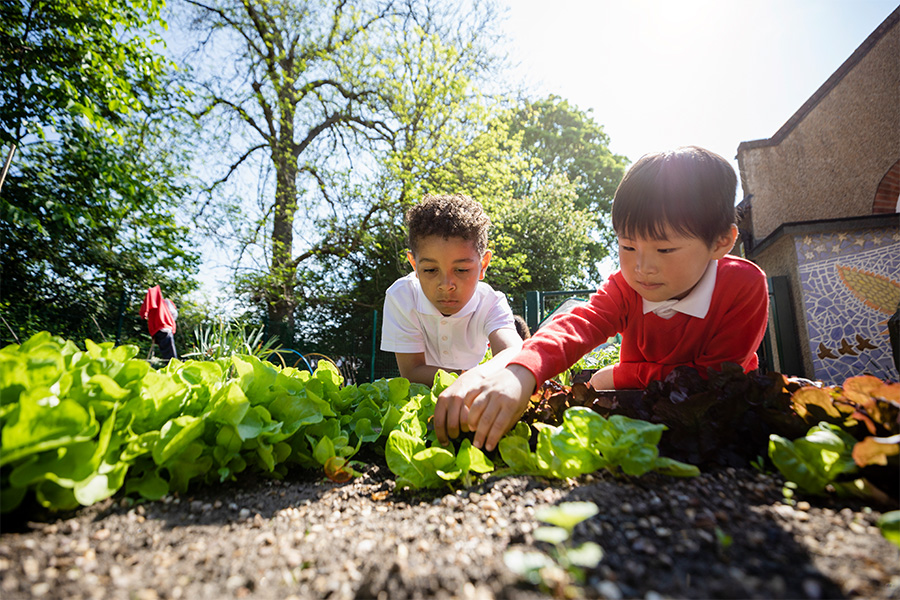
This resource provides information on the best vegetables to grow in Georgia gardens as well as planting dates and estimated time to harvest.
|
-
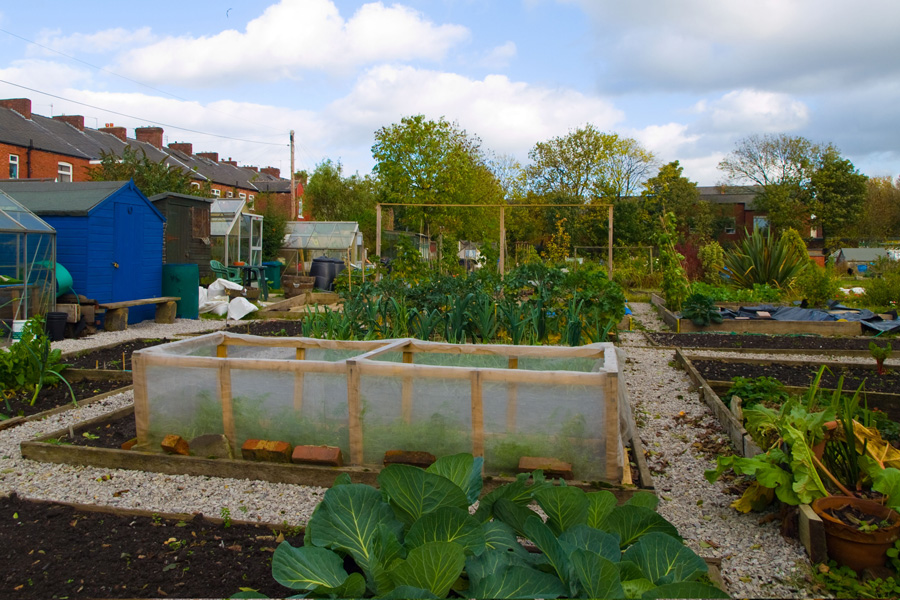
Community gardening involves cultivating people and relationships, as well as the soil. This resource provides guidance and suggestions that will help you create a successful community garden.
|
-
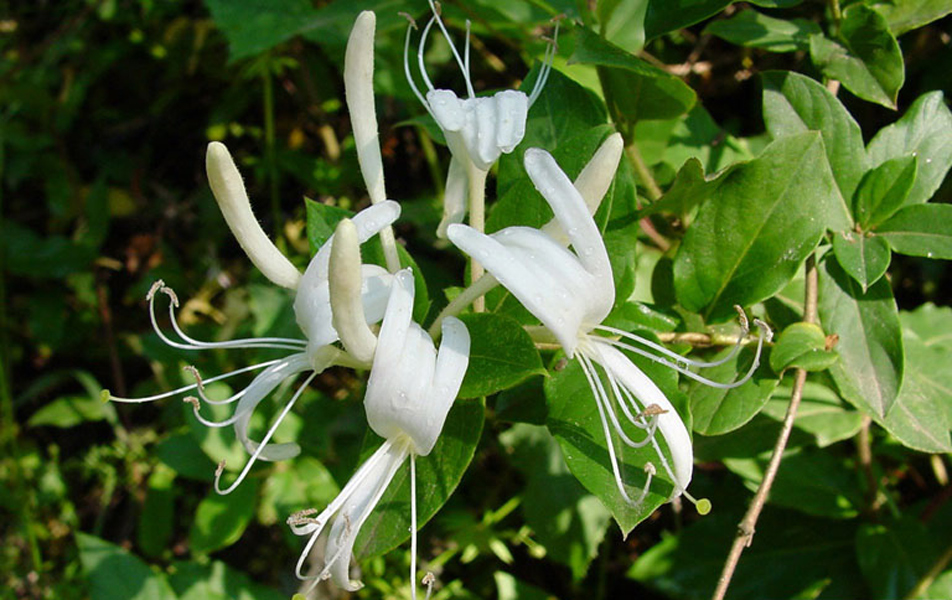
While most of us are familiar with common poisonous plants that cause skin irritations, such as poison ivy or poison oak, we often don’t recognize common ornamental plants in the landscape that may cause internal poisoning when ingested. Although most adults would not intentionally eat the leaves or fruit of such plants, young children or pets sometimes do. This resource provides readers with information on some of the common landscape plants known to have poisonous properties when ingested. You may be surprised to learn just how many of our common plants, such as azaleas, hydrangeas, boxwood, and English ivy, are known to have poisonous properties.
|
-
Your guide to home gardening in Georgia! Our climate allows us to grow something almost year-round, and these monthly checklists will help you keep your garden working well. Planting recommendations are based on long-term average last and first frost dates for Middle Georgia; adjust accordingly for South or North Georgia.
|