Departments and Units Resources
-
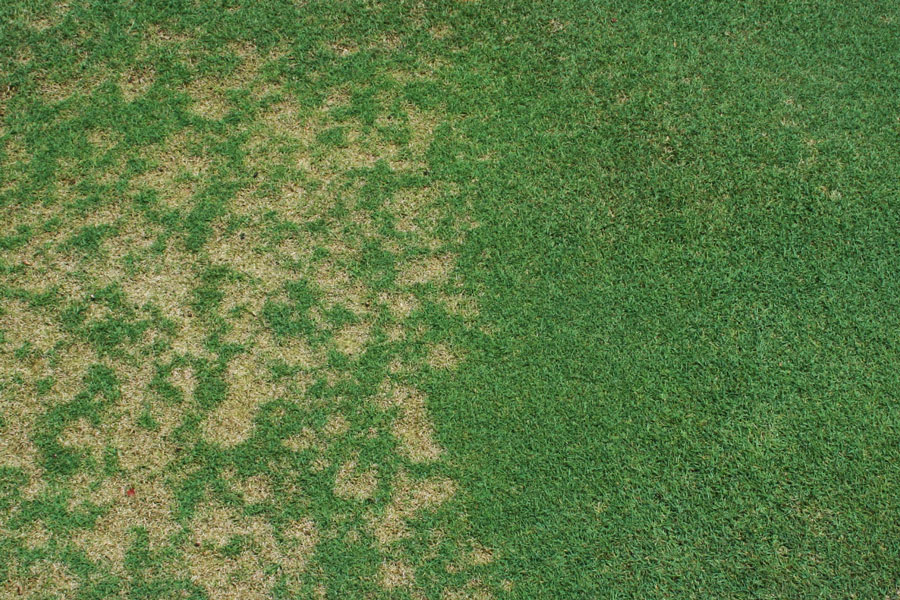
Dollar spot is an ever-present turfgrass disease that affects all warm and cool season grasses in the state of Georgia. The publication contains important information on the biology of the causal agent, detail description of the disease symptoms (aided by high quality-detailed pictures), relevant up-to-date information on conditions favoring the disease, as well as cultural, genetic and chemical methods of control. The publication is intended for turfgrass professionals, consultants, county faculty, homeowners and general public.
|
-
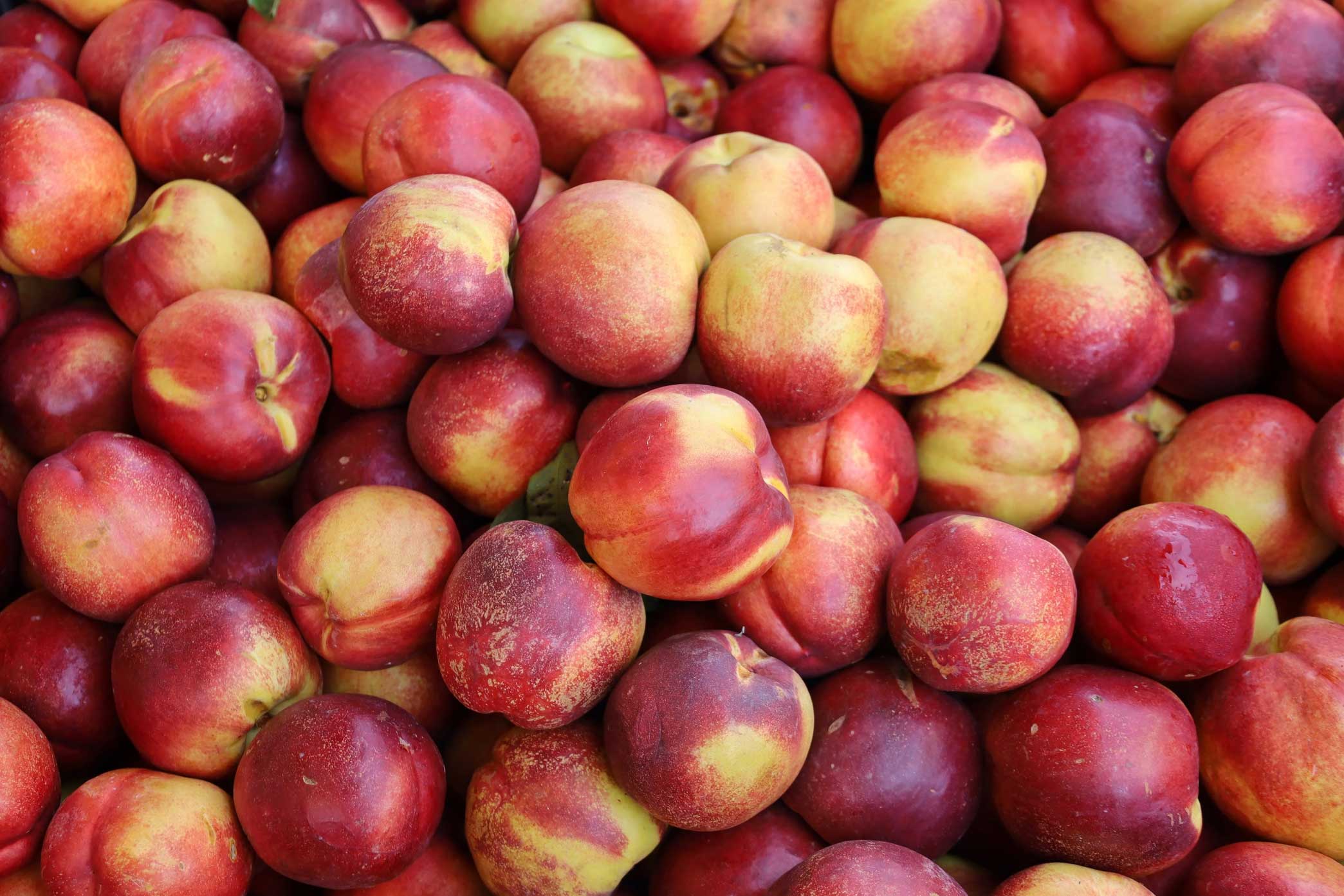
This guide covers multiple states and production areas. Pest problems vary across the Southeast. Pesticide rates are a guideline. Exceptions are noted for specific locations and pests, but this guide does not list every exception. Listed pesticides may not be registered for the uses recommended here in all states.
This guide is to be used only by commercial growers. Observe all label precautions and recommendations. Brand names of pesticides are given in the spray schedule as a convenience to the grower. They are neither an endorsement of the product nor a suggestion that other products with the same active ingredient are not effective.
|
-
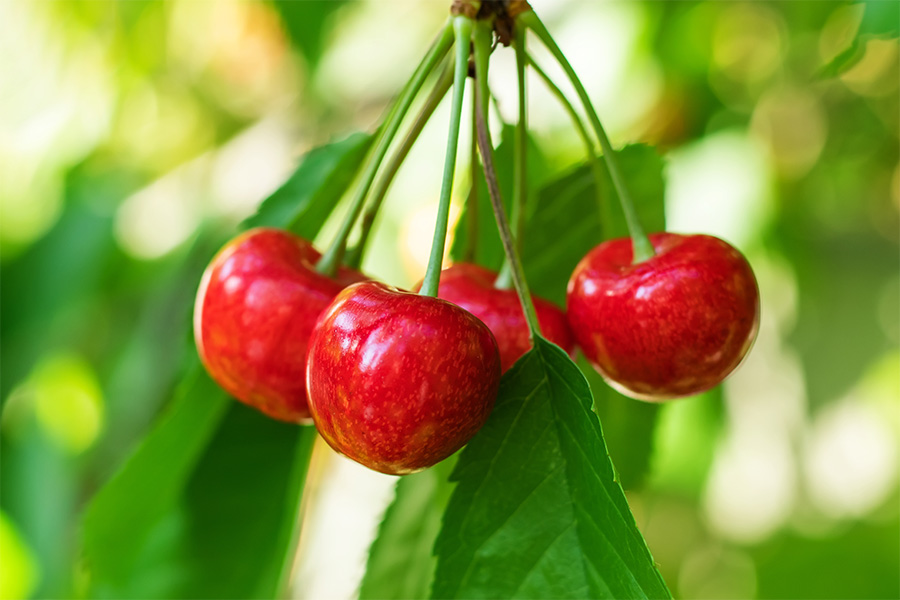
Many types of fruits and nuts can be grown in Georgia due to our mild climate. This publication provides an outline of the culture and management of the exotic and uncommon fruits and nuts that can be grown in Georgia.
|
-
AP 130-4-06
2026 Corn, Soybean, and Wheat Outlook
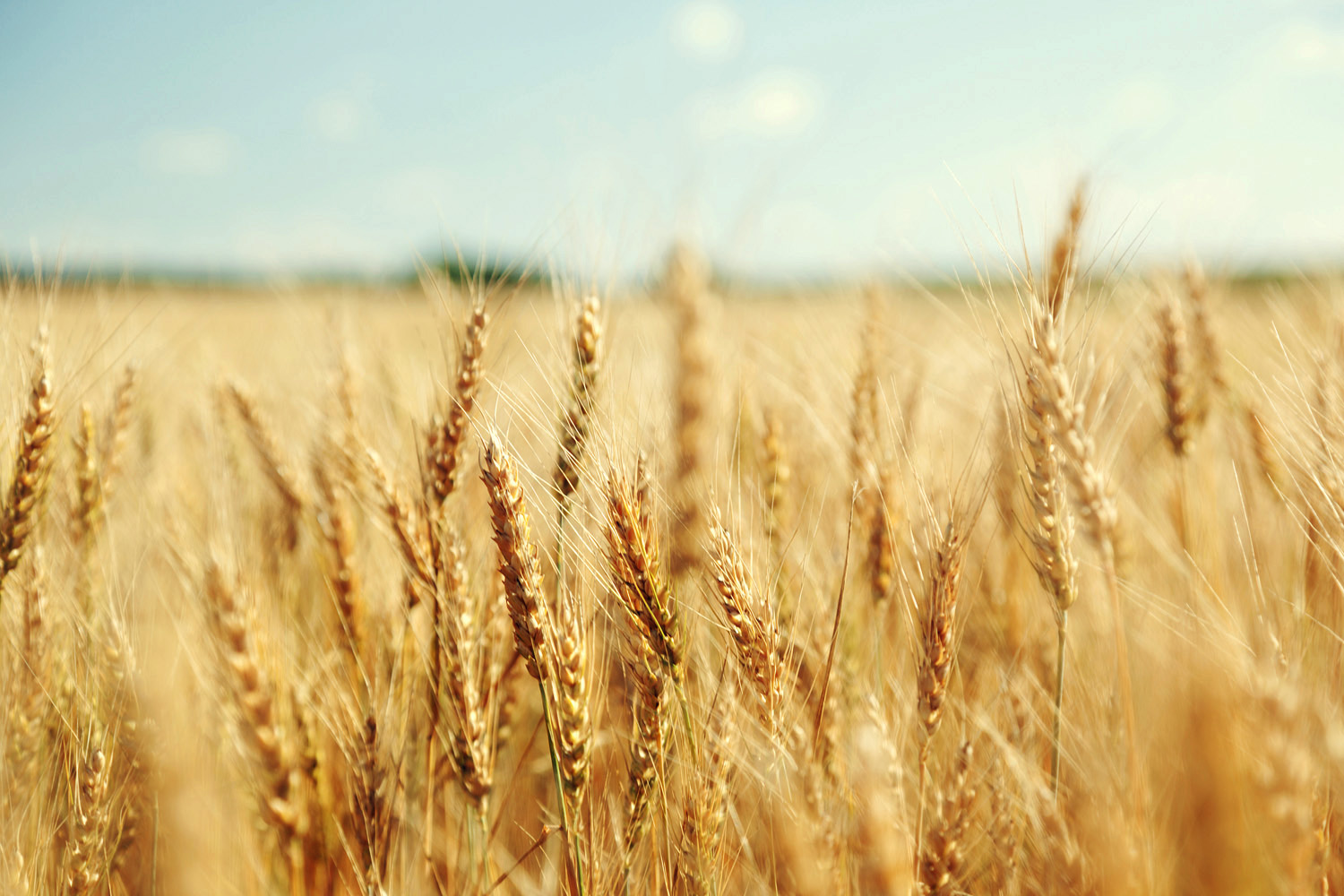
The key points for the 2026 season are: Large ending stocks from 2025 mean that prices will likely remain low during 2026. Tight margins are expected to continue in 2026 as projected prices for corn, soybeans, and wheat are near or below the breakeven cost of production. In Georgia, growers are likely to plant more corn acres, while soybean and wheat plantings will be comparable to last year.
|
-
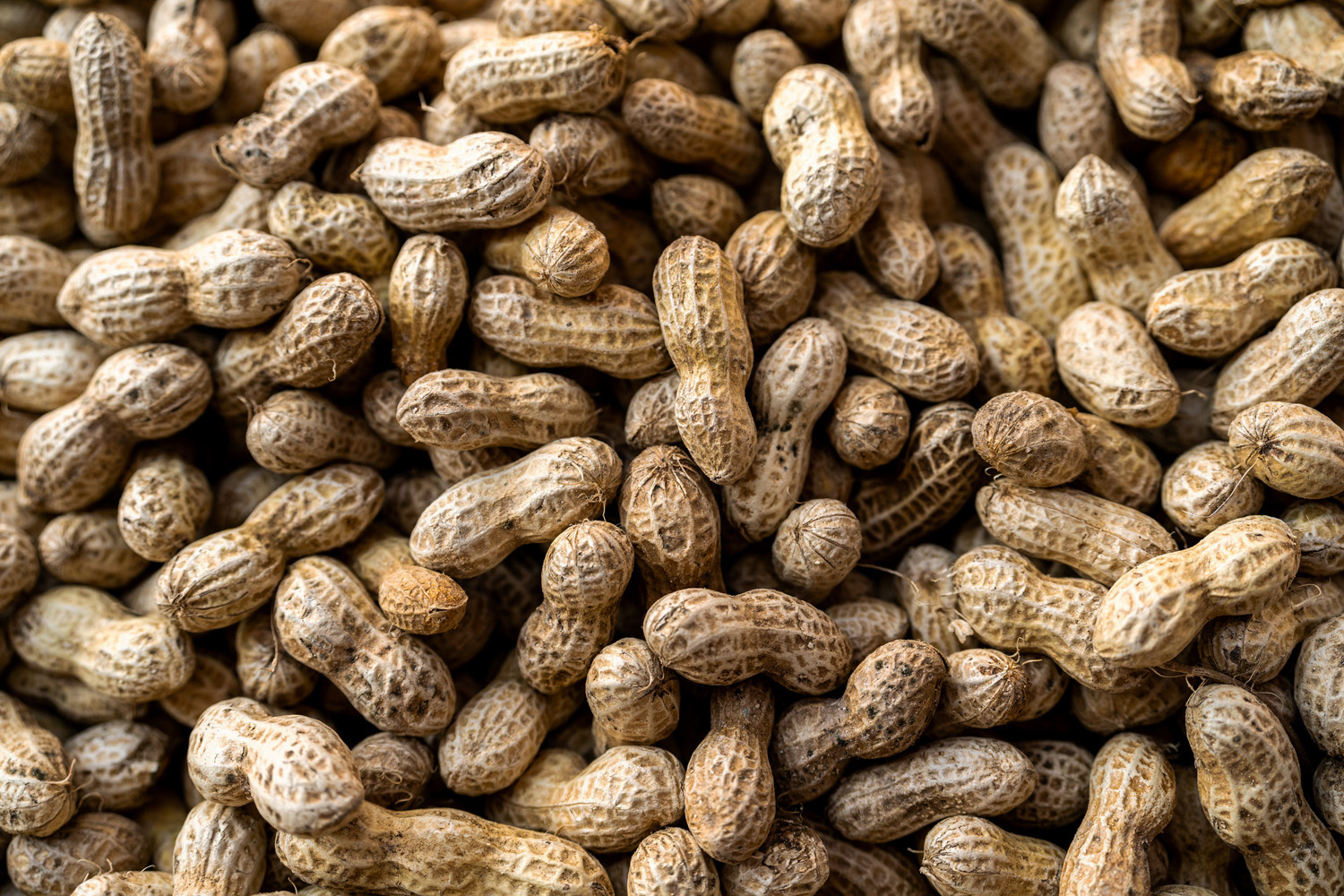
AP 130-4-05
2026 Peanut Outlook and Market Situation
The key points for the 2026 season are: High peanut acreage is expected to continue into 2026, keeping overall U.S. and Georgia production elevated. Oversupply will keep prices under pressure, with Georgia forward contracts likely in the range of $425–$500/ton. Exports and profitability remain challenged, underscoring the need for new markets and stronger demand to support grower returns.
|
-

AP 130-4
2026 Georgia Ag Forecast
Each year, UGA’s agricultural economists develop a comprehensive overview to help various sectors of the agriculture industry navigate the year ahead. As Georgia’s land-grant university, the University of Georgia conducts cutting-edge research on critical and emerging issues that are important to the agriculture industry. From this research, UGA provides the best information and education available to producers and constituents to equip them with knowledge and decision-making tools for their businesses.
|
-

When competing in youth horse judging contests or events at horse shows, it is important to have a good understanding of basic performance events that may be encountered. This publication is designed to give a basic overview of common hunt seat and western pleasure performance classes. It is by no means comprehensive of all events that may be seen and does not go in-depth on any one event.
|
-

Pruning is one of the most important cultural practices for maintaining woody plants, including ornamental trees and shrubs, fruits and nuts. Proper pruning requires a basic understanding of how plants respond to various pruning cuts. The principles and guidelines in this publication will help you master common pruning techniques.
|
-
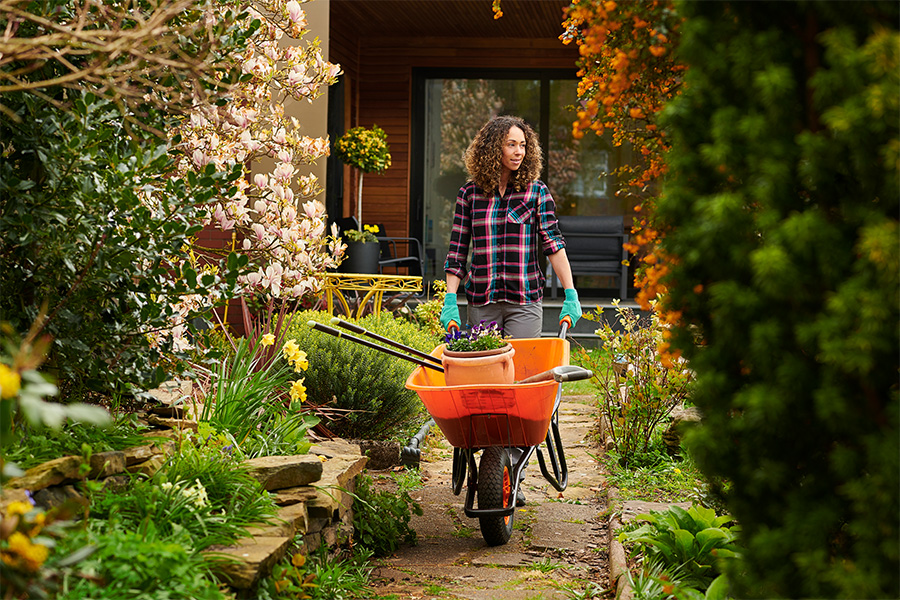
B 577-SP
Construyendo Huertos Caseros
Un huerto bien administrado y productivo es una delicia. Este puede proveerle a su familia y a usted con una variedad de vegetales nutritivos y saludables que pueden ser disfrutados frescos o en conserva para su utilización en el futuro. El trabajar en un huerto casero también puede ser un pasatiempo gratificante, un proyecto para miembros 4-H y una manera en la cual mejoramos nuestra condición física. Aunque es cierto que podemos comprar en el supermercado vegetales frescos de alta calidad, congelados o enlatados, muchos de nosotros estamos inclinándonos más hacia el cultivo de vegetales en nuestro propio hogar para suplementar los alimentos que compramos en el supermercado.
In inglés, this publication explains everything you need to know about growing a successful home vegetable or herb garden.
|