Departments and Units Resources
-

AP 130-4-15
2026 Georgia Agritourism Outlook
In 2026 and beyond, agritourism represents a growing opportunity for Georgia’s agricultural sector, combining farm operations with tourism experiences to diversify income streams and strengthen rural economies. Operators are optimistic about the future, with 75% expecting increased visitation and profitability over the next 5 years. Visitors prioritize facility cleanliness, safety, restrooms, and knowledgeable and friendly staff when deciding to participate in agritourism activities.
For agritourism operators, the primary barriers limiting growth are access to financial capital, regulatory uncertainty, and inadequate infrastructure. UGA Extension can enhance Georgia’s agritourism sector by supporting operators in financial planning, marketing, technical training, liability protection, and navigating relevant policies. The 2026 FIFA World Cup in Atlanta presents a strategic opportunity to showcase Georgia’s agricultural heritage to national and global audiences by collaborating with destination marketing organizations, universities, UGA Extension, and local communities to create memorable visitor experiences that will provide significant growth opportunities for the Georgia agritourism sector.
|
-

The main takeaways for direct-to-consumer sales in Georgia include: Freshness, safety, and sustainability are the most powerful perceived advantages of locally grown products; younger buyers respond strongly to environmental and ethical messaging, while older buyers remain focused on more functional attributes, such as freshness and reliability; marketing messages should emphasize freshness, sustainability, local economic impact, and community connection to leverage positive perceptions of farmers markets; demographics such as age and income influence the frequency of purchase and willingness to pay for local food products at farmers markets; and the major trends influencing buyers in 2026 are expected to be hyperlocal and regenerative sourcing, smart labeling or multi-labeling, highlighting the functional benefits of fresh produce, digital engagement using personalized marketing and artificial intelligence, engaging younger generations, and waste-reduction education.
|
-

The southeastern blueberry bee is an economically valuable pollinator in commercial blueberry production in Georgia. Researchers see a need for conservation of this species, and this resource provides detailed information on its identification, biology, nesting habitat, and floral hosts. It also incorporates research data from recent study in commercial blueberry system in south Georgia.
|
-

This publication offers guidance on shopping for rental housing, leasing, moving in, documenting the need for repairs and maintenance, paying rent, and moving out. For more information about renting, visit dca.ga.gov to see the Georgia Department of Community Affairs Landlord-Tenant Handbook, which provides valuable information about the responsibilities and rights of landlords and tenants in Georgia.
|
-

Vegetables comprise an economically important segment of Georgia’s agricultural production, so there is a need for vegetable breeders to have comprehensive, crop-specific data on grower priorities, varietal performance, and production constraints.
UGA’s vegetable breeding program performed a needs assessment survey to assess growers’ preferences, the results of which are presented in this resource. This data will be used to inform the development of regionally adapted high-performing vegetable varieties.
|
-

Trees and lawns are not mutually exclusive, with proper care, planting, selection of trees and grasses, one can enjoy a beautiful landscape complete with cool shade and soft, inviting grass. This publication explains factors involved in plant growth, the differences between trees and grasses used in lawn settings, and provides step by step directions on achieving a healthy, beautiful landscape.
|
-
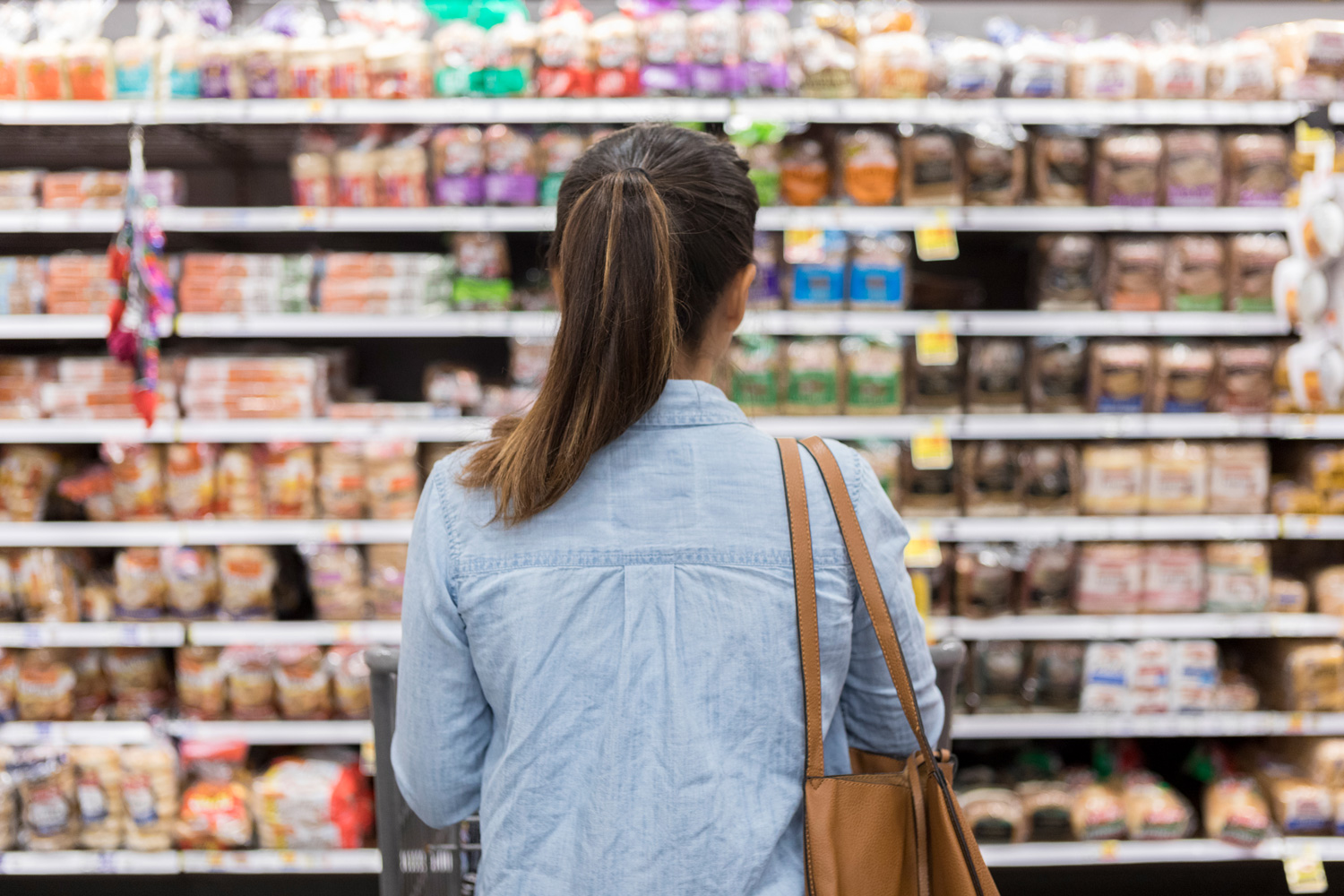
C 1364-11
Shopping for Your Diabetes Meal Plan
When you have diabetes, being aware of your food choices and eating habits is important, but it can be stressful when it comes to grocery shopping. Reading the Nutrition Facts labels is one way to find healthier options. This resource has tips on what to look for to make your shopping easier and less overwhelming.
|
-
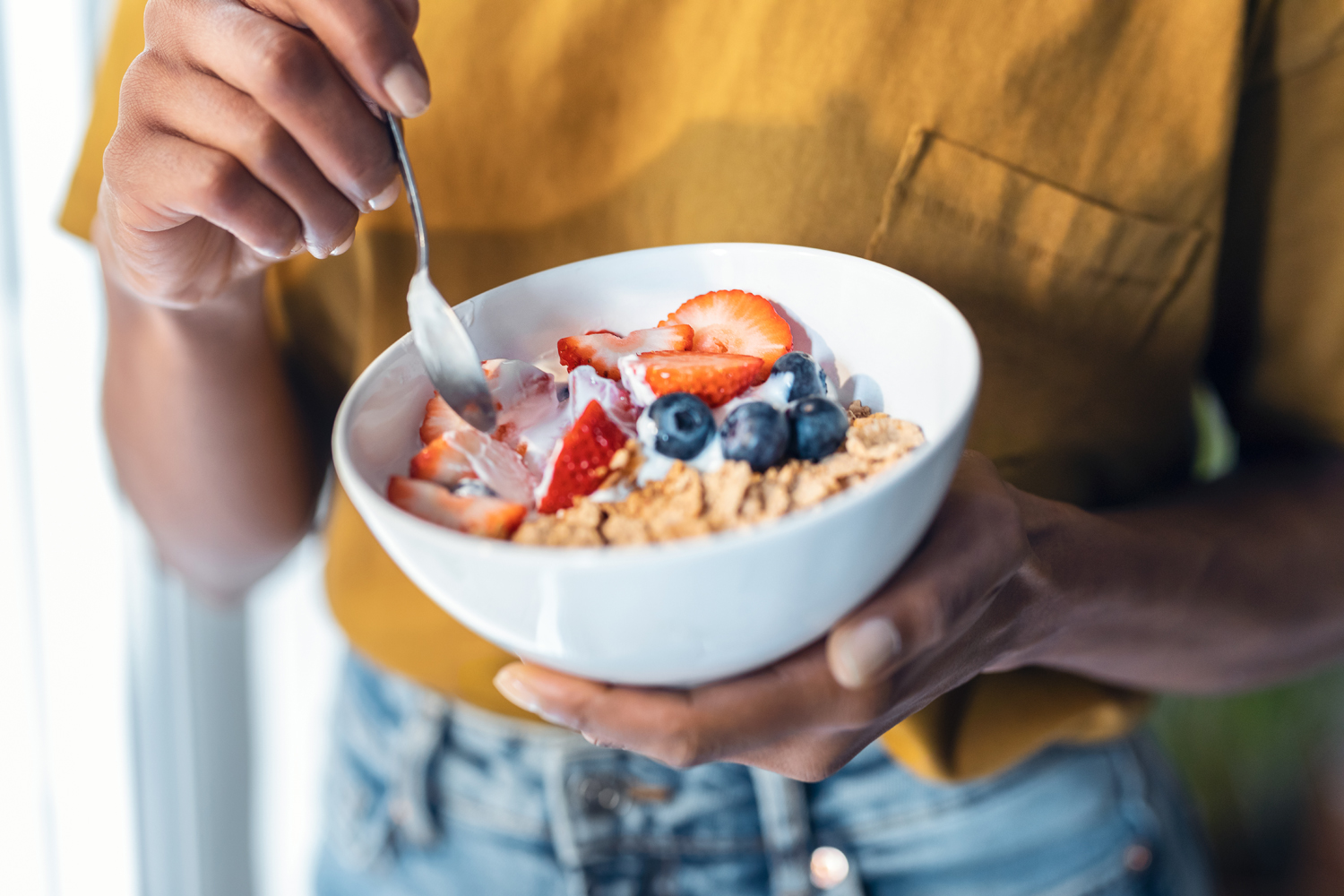
C 1364-12
All About Carbohydrates
People living with diabetes have to pay special attention to carbohydrates, but because of some manufacturers’ labels, it can be difficult to determine the quantity of carbohydrates in different foods. This resource will help readers cut through the marketing language and find the information they need about the carbohydrate content of foods.
|
-

Managing diabetes effectively involves a combination of healthy lifestyle choices, including regular exercise. People with diabetes should take precautions before, during, and after exercise to avoid complications, and ensure their caregivers understand these precautions. This resource provides easy-to-follow guidance for you to stay active and healthy while managing your diabetes.
|