Departments and Units Resources
-

Radon is the second leading cause of lung cancer in the United States. A radon reduction system (radon mitigation) reduces high levels of indoor radon to acceptable levels. The system most frequently used is a vent pipe system and fan, which pulls radon from beneath the house and vents it to the outside. This publication educated homeowners on what they should do before, during and after a radon mitigation and what they should expect from a radon mitigator.
|
-
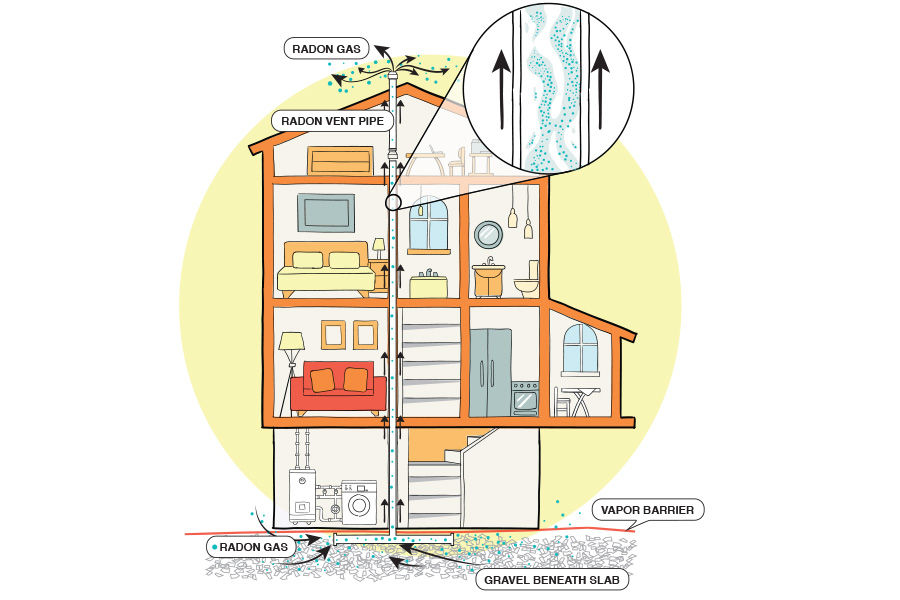
The benefits of building a radon-resistant home are that it reduces a family’s risk of lung cancer; it’s easier and less costly to include features during construction; features are incorporated into the home design and improve aesthetics compared to installing a radon mitigation system after construction; it will improve the indoor air quality and reduce moisture levels; a passive system is easy to activate if needed; and it may add to the resale value of your home.
|
-

Radon may be found in one out of every 15 homes and is the second leading cause of lung cancer in the United States. This gas can enter your home through cracks and holes in the foundation, or even underground well water. This publication provides information on radon-induced lung cancer and ways to reduce elevated radon inside your home. For more information on radon, visit ugaradon.edu.
|
-
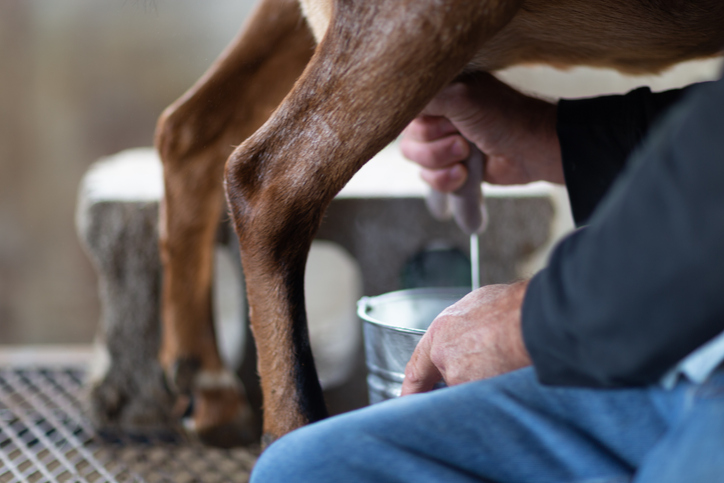
This resource will help producers understand how to ensure they get high-quality milk from their goats. The core characteristics of high quality dairy goat milk are milk with low bacteria counts, milk with acceptable somatic cell count numbers, and milk with ideal flavor and appearance. Readers will learn about strategies for milk quality evaluation and improvement. Achieving high milk quality is not only essential for the health of the animal and optimal production; it is also critical for adhering to regulatory parameters and maintaining customer satisfaction.
|
-
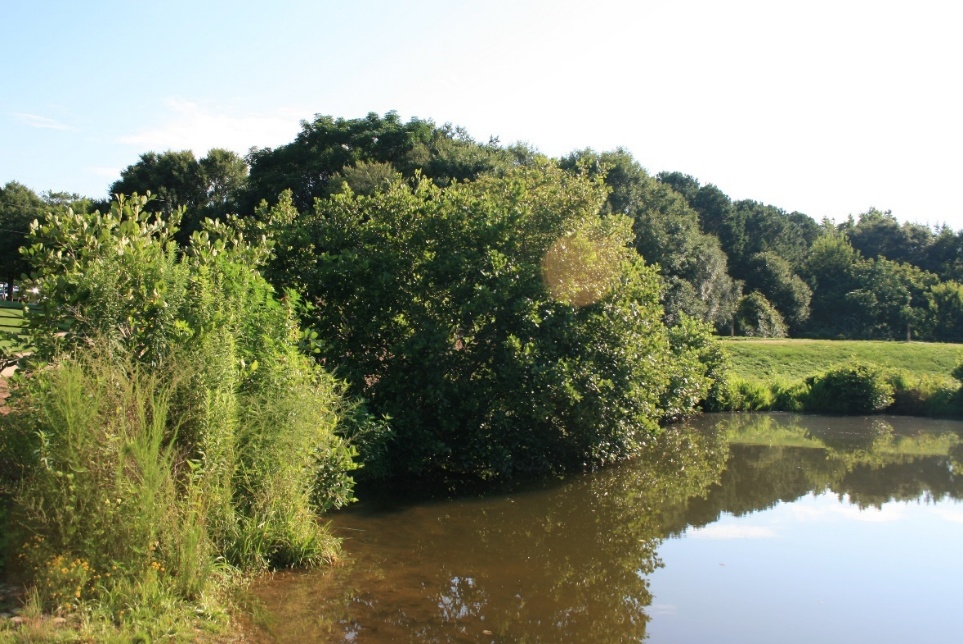
This resource explains how flooding and stormwater pollution affect waterways and how vegetation along the water reduces the negative impacts while improving aesthetics and water quality for fish habitats, recreational boating, appealing views, and property value. It provides guidance on planning, implementation and maintenance of riparian buffer vegetation, and a list of recommended plants.
|
-

When you have diabetes, aside from meal planning, knowing how to cook your food can make a big difference in how enjoyable and sustainable your meals are. This resource covers planning and prepare delicious meals that meet the recommendations of the ADA’s Diabetes Plate method.
|
-

Believe it or not, a small tweak in your favorite recipe could help lower your risk of health problems. Start small, such as by reducing saturated fat, salt, or added sugar, or increasing fiber when cooking. These small changes can add up to big health benefits. This resource has tips on how to start revitalizing your recipes to fit your diabetes meal planning.
|
-
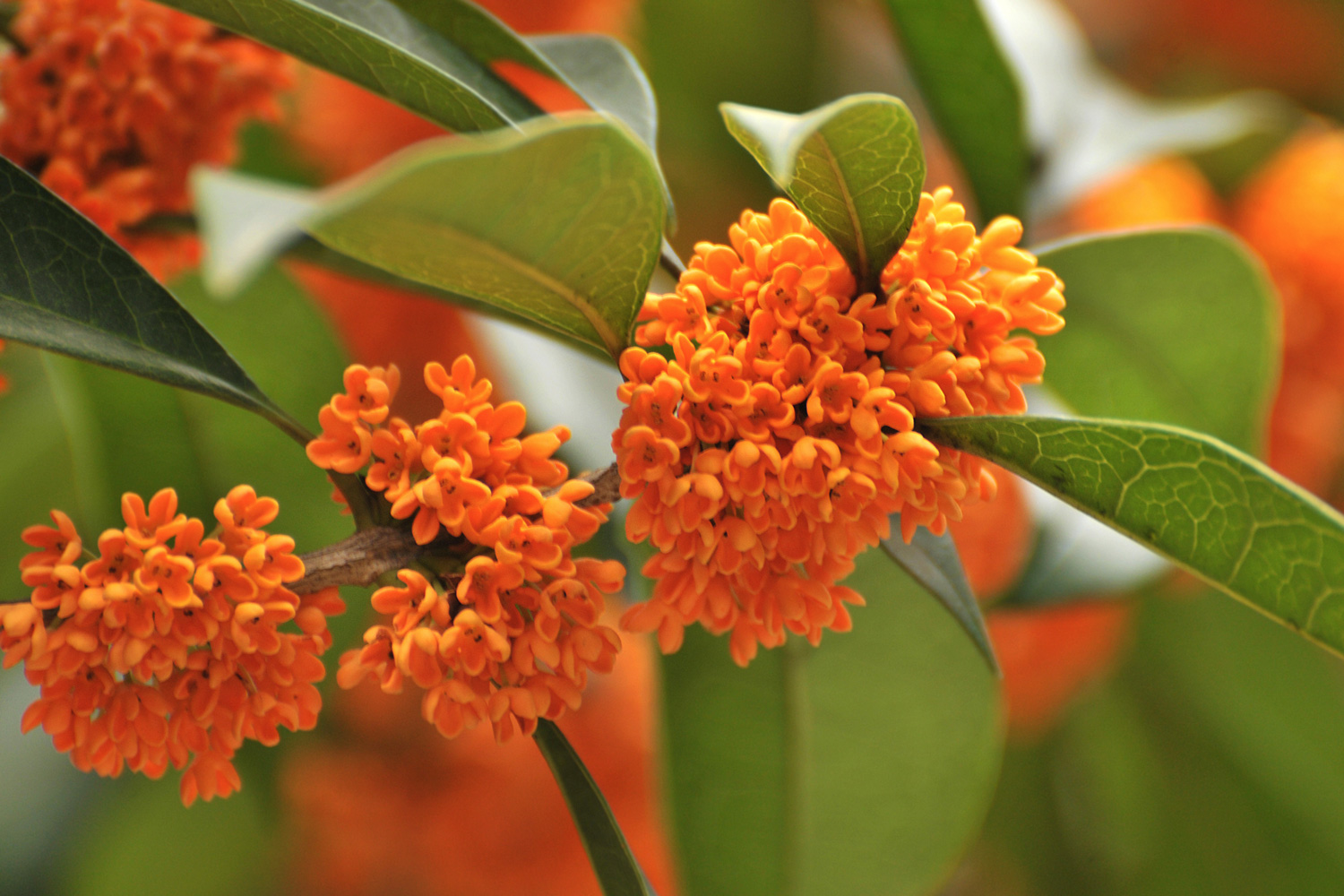
Sweet tea olives are woody, evergreen broadleaf shrubs or small trees that are widely produced in nurseries and used in landscapes because of their fragrant flowers and lower incidence of pests. This resource helps producers understand different propagation methods and how each works for sweet tea olives.
|
-

Bees are among the most populous, diverse, and effective pollinators. Approximately 70% of bee species nest in the ground, spending their larval and pupal stages underground. This resource helps residents understand how to help these bees as continued urbanization threatens natural spaces and land degradation, pollution, and habitat destruction present serious challenges to sustaining bee populations.
|