Departments and Units Resources
-
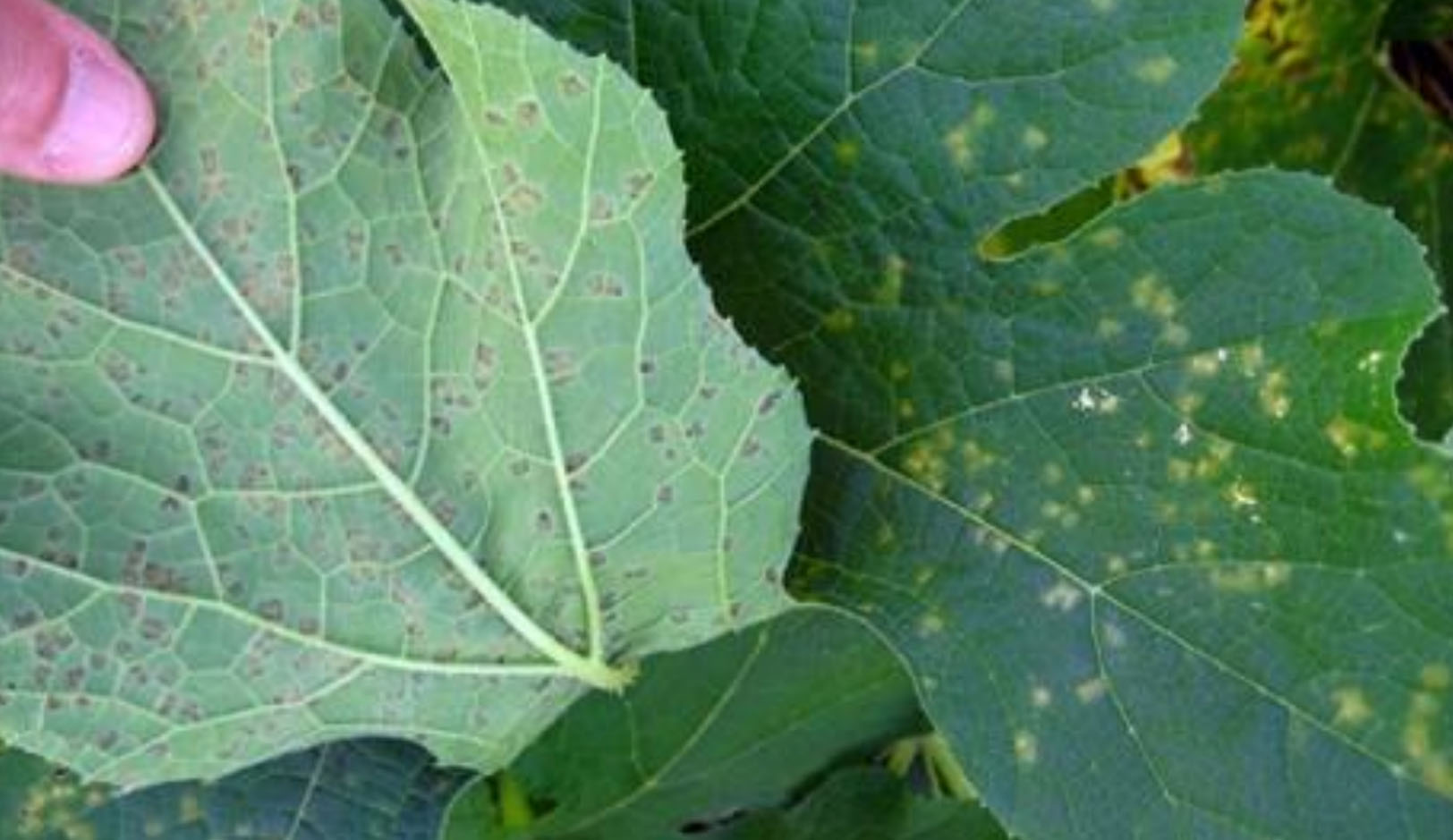
While there are literally hundreds of issues that can occur in the home garden, this resource focuses on the most common ones. When troubleshooting issues in the garden, this provides a good starting point and will help gardeners diagnose their issues and strategize solutions.
|
-
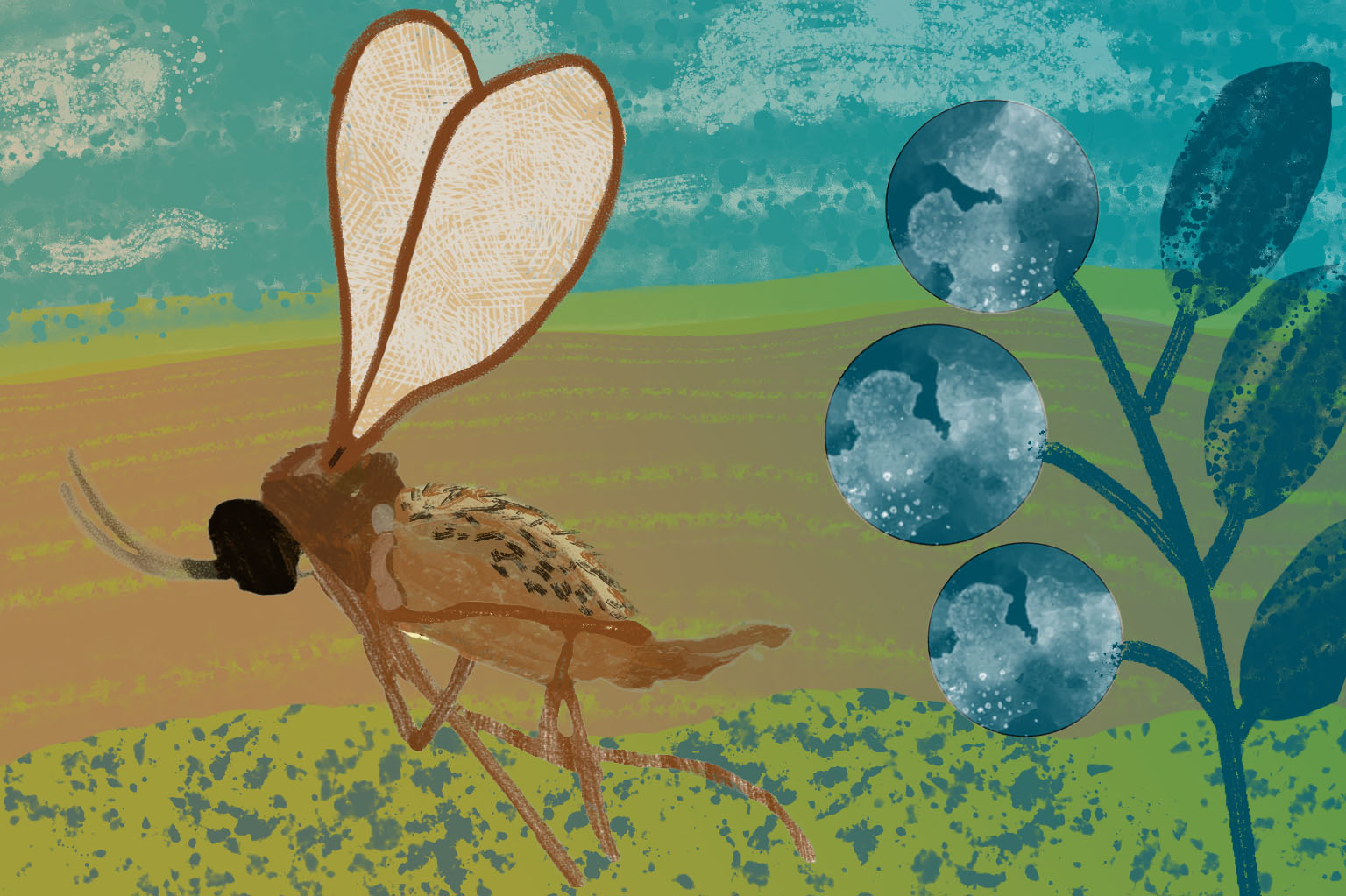
Blueberry gall midge, a small fly native to North America, has emerged as one of the serious pests of blueberries in Georgia. Severe gall midge infestations can cause up to 80% crop loss without proper intervention. Bud sampling to monitor for larvae is the only way to confirm its presence. Insecticide sprays need to be timed to target adult midges before they have a chance to lay eggs.
|
-
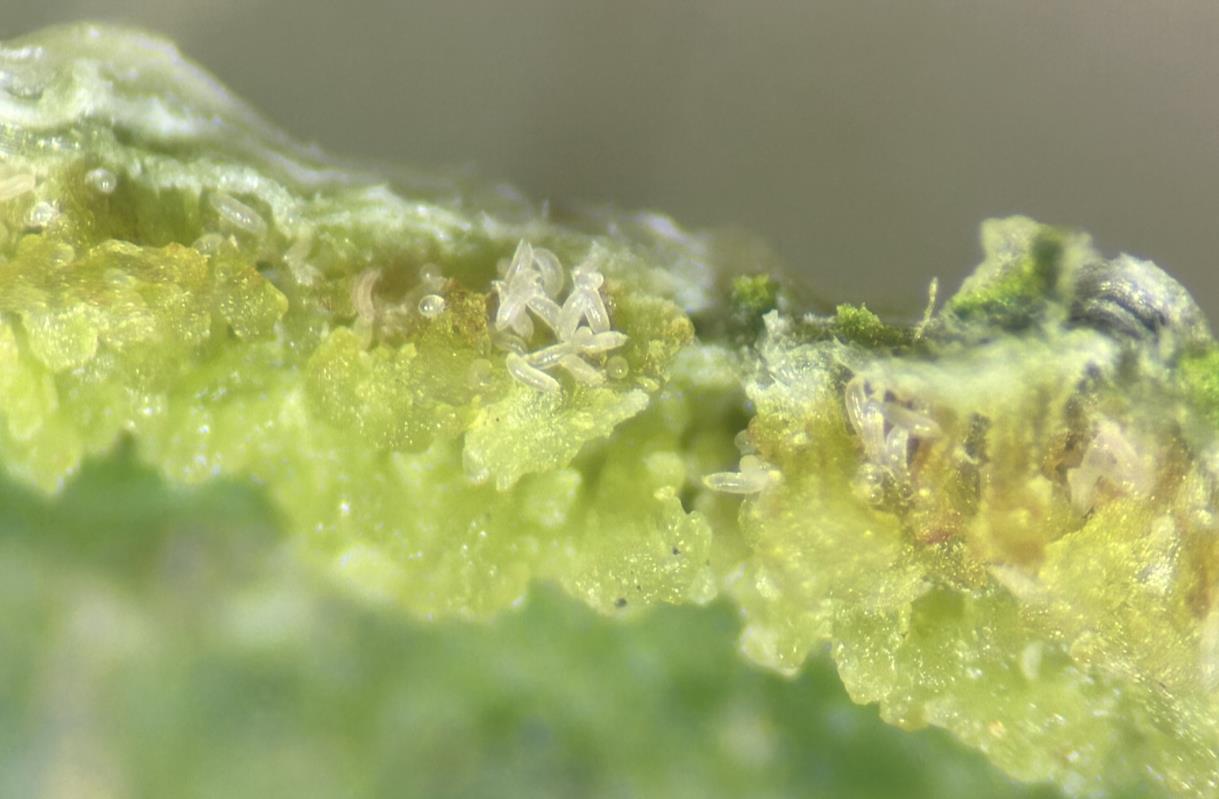
The pecan leafroll mite is a noninsect pest of pecan trees. Eriophyid mites are a significant group of plant-feeding mites that infest annual and perennial plants. They often go unnoticed because of their very small size and the fact that they usually reside within plant tissues. In Georgia pecans, damage from the pecan leafroll mite damage is typically observed from May and persist until nut harvest, and regular monitoring of mite populations is needed to prevent severe infestations and to ensure effective management.
|
-
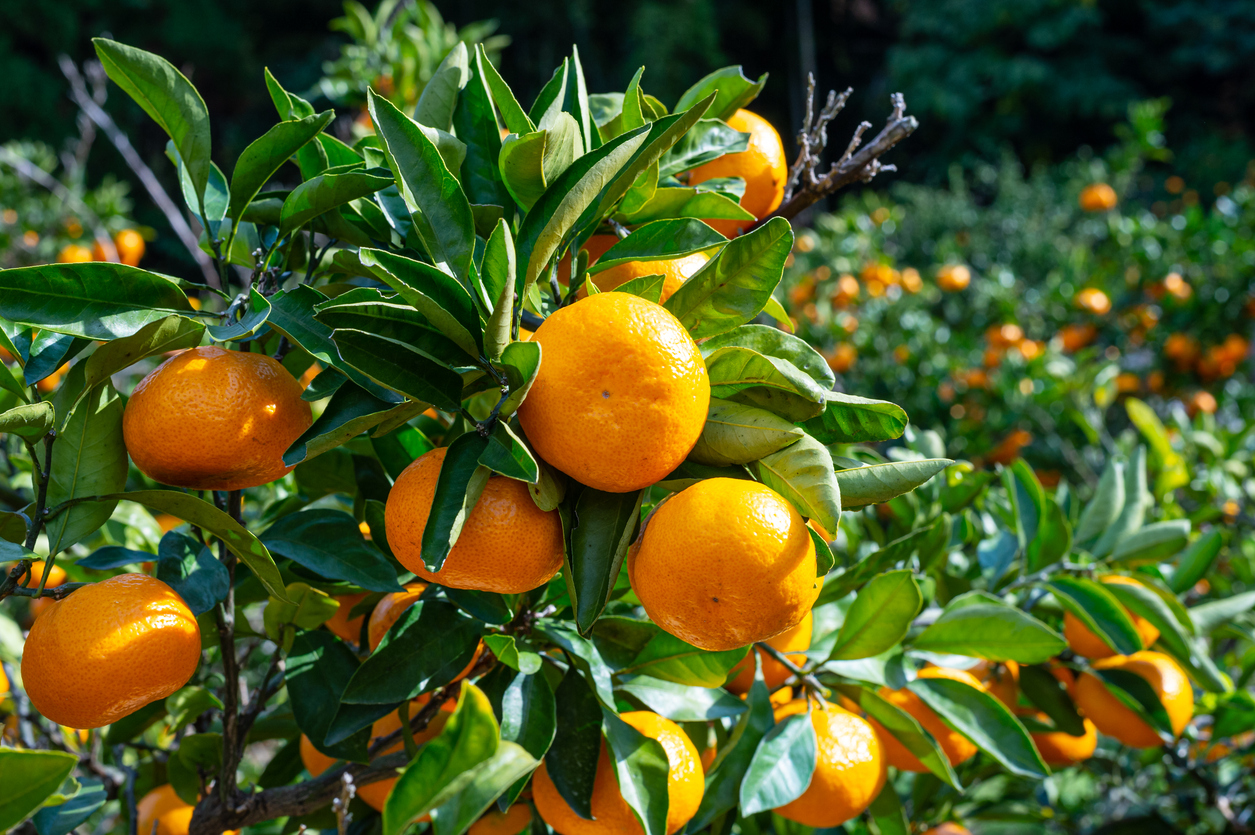
This resource provides citrus growers in Georgia with an overview of how different types of freeze events damage citrus trees, and both passive and active protection methods to protect citrus trees during freezes. Recovery from freeze events also is covered.
|
-

B 1578-03
Innovation
Extension professionals are expected to translate multiple critical issues into creative, evidence-based programs. This resource explains a five-stage innovation process—Prepare, Cultivate, Challenge, Implement, and Evaluate—to help Extension professionals be more effective at innovating in their professional roles. When Extension professionals have the tools necessary to make changes within their programs and responsibilities, they can provide the best support and guidance for their stakeholders.
|
-
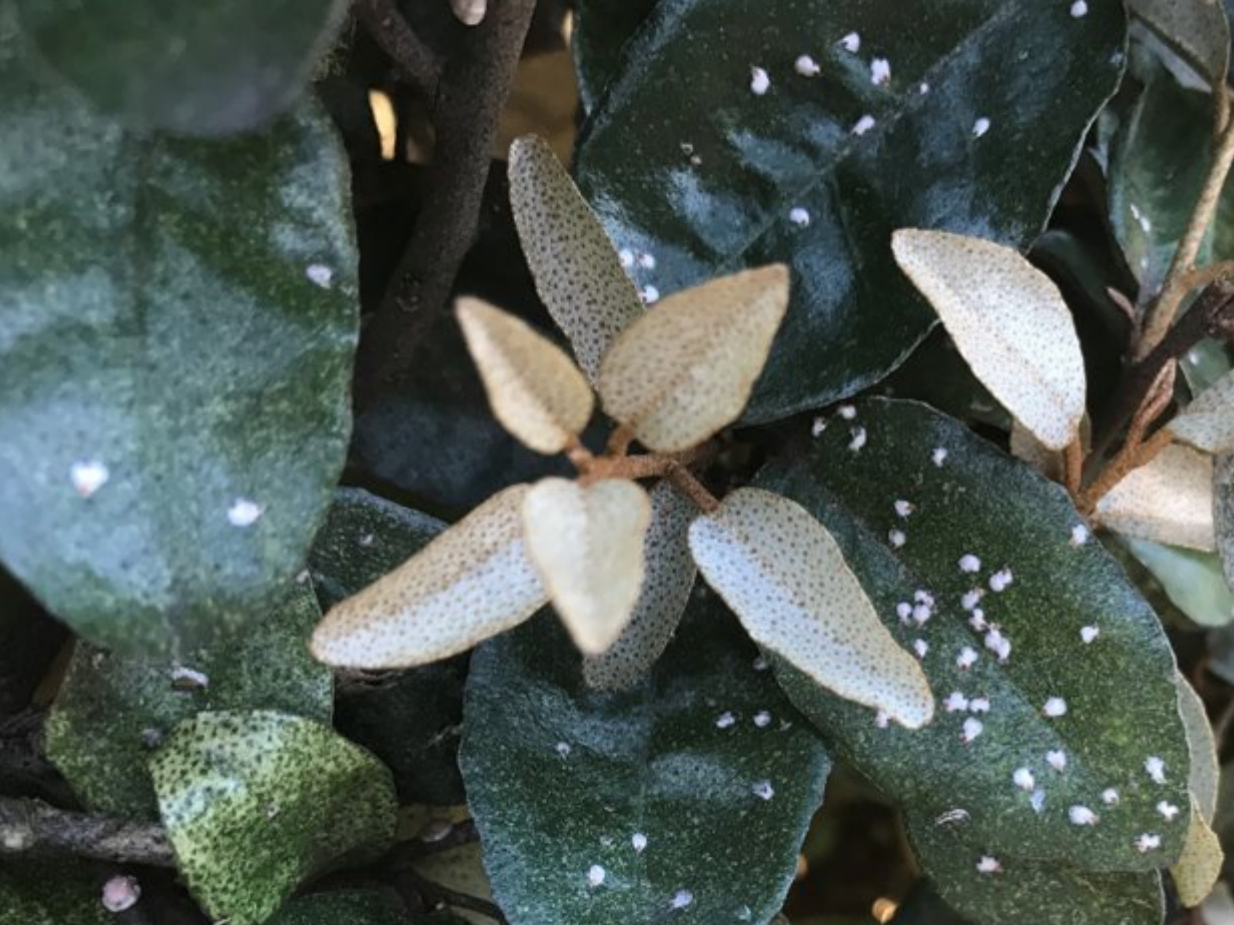
False oleander scale, which appears as white spots on leaves, is an invasive pest on ornamental plants. It is prevalent in Georgia and poses a significant threat to the aesthetic value of ornamental plants in the nursery and landscape.
|
-

C 858-16
Radon in Your Water
Radon is a naturally occurring, radioactive gas formed from the decay of uranium and radium found in geologic deposits. Exposure to radon gas most commonly occurs through elevated levels in home air. However, in Georgia and neighboring states there is a lesser, though still significant, risk of exposure to radon dissolved in drinking water. This circular addresses the issues on its occurrence, human exposure pathways, testing, interpretations, and remediation strategies.
|
-
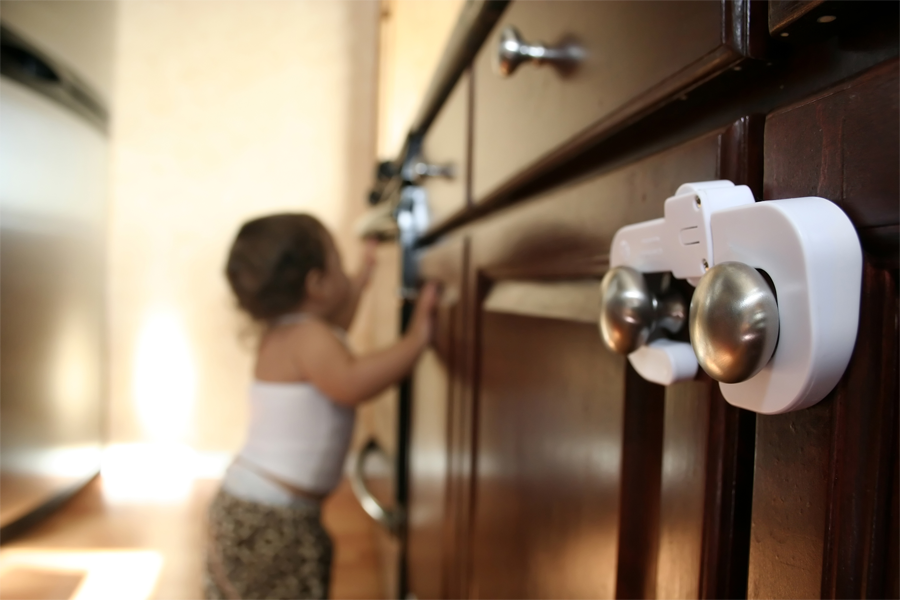
Nearly 2.3 million children are accidentally injured every year and more than 2,500 are killed, according to the U.S. Centers for Disease Control and Prevention. Since one of the biggest threats to children is an injury occurring at home, it is important to take preventative steps to childproof your home. While this may seem like a daunting task at first, this checklist includes basic tips, broken down by room, to help make your home safer for the whole family.
|
-
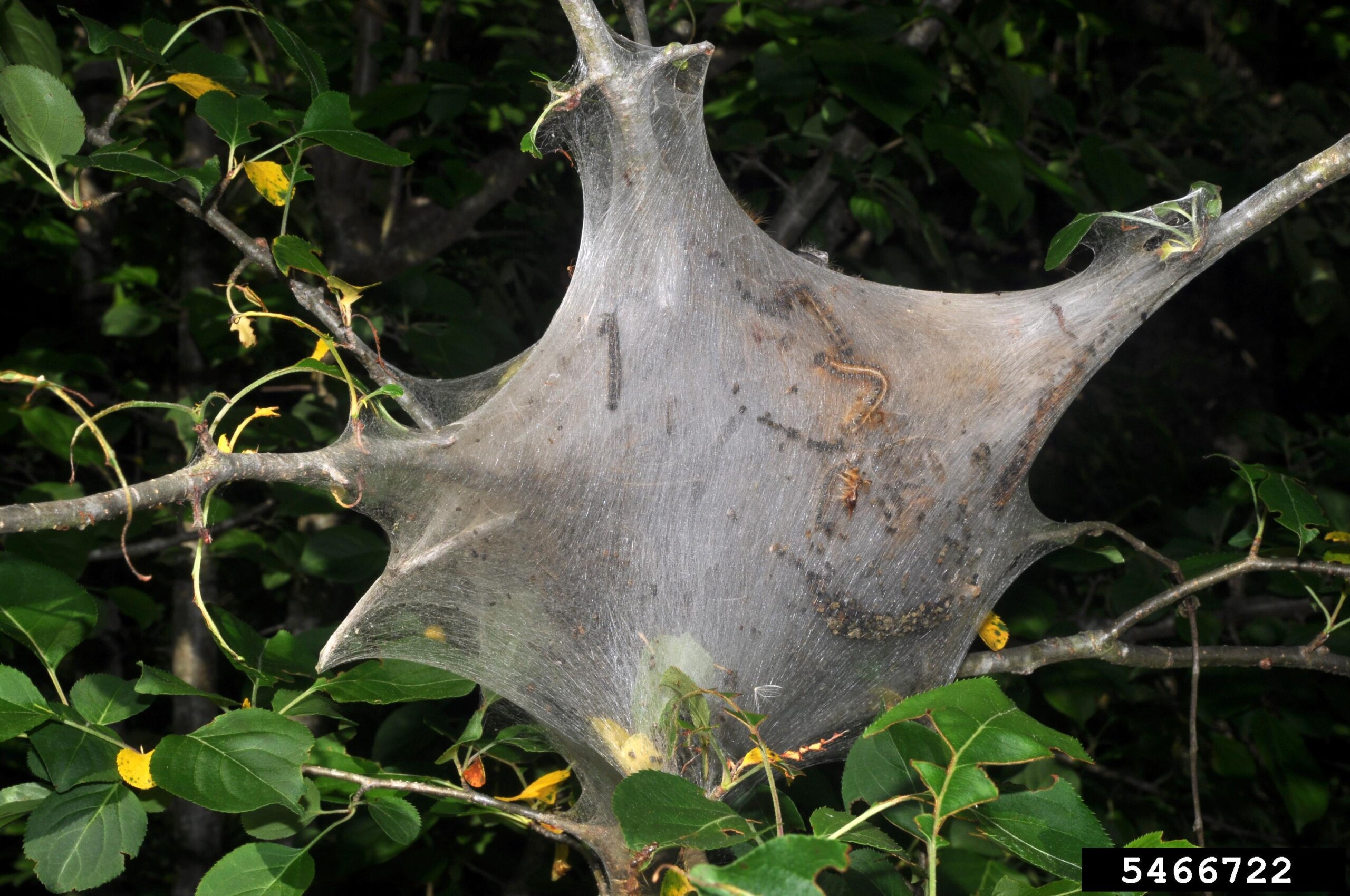
In North America, six species of tent caterpillars are found. The forest and Eastern tent caterpillars occur in Georgia, and can damage the aesthetic value of landscapes. There are several management strategies that work against tent caterpillars and this resource will help you identify and control them.
|