Departments and Units Resources
-

B 1429
Home Safety Checklist
There are many potential hazards in your home, and falls are the leading cause of injury and injury death for people 65 and older. Reduce the risk of falling by conducting a simple home assessment using the checklists below. The goal is for there to be no marks in the “no” column of the checklist.
|
-

Our homes are filled with potentially hazardous household products we use for cleaning, gardening, auto maintenance and other activities around the house. These products may contain ingredients that can be hazardous when not used, stored, and disposed of properly. You can make your home safer and healthier by reducing exposure to hazards in your home by following these tips.
|
-
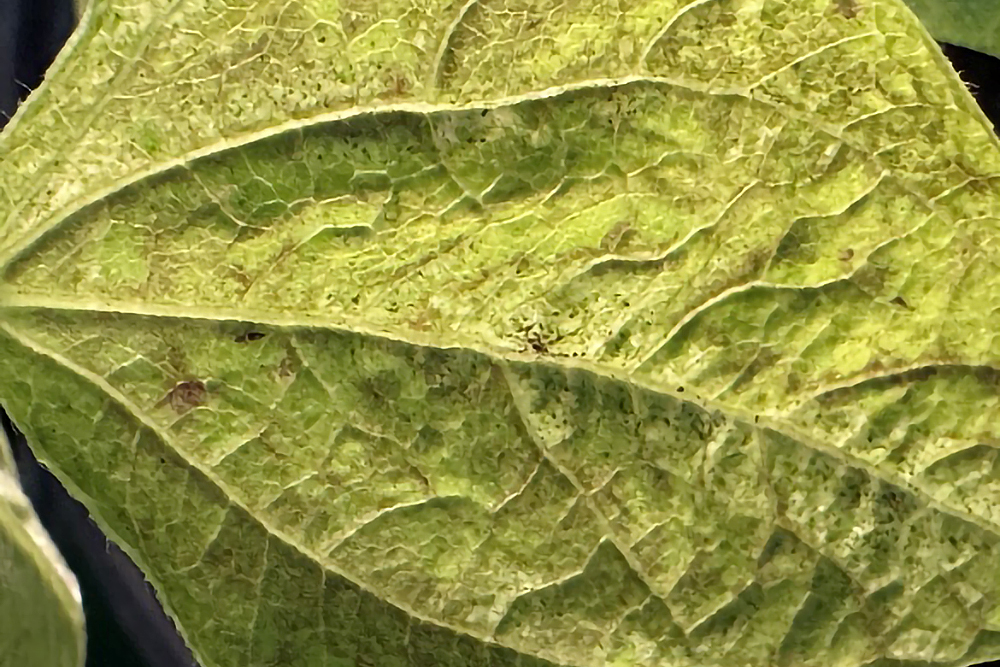
Thrips parvispinus is an invasive insect pest that poses a serious global threat to vegetables and ornamentals in both fields and greenhouses. This guide will help you identify and manage this pest.
|
-
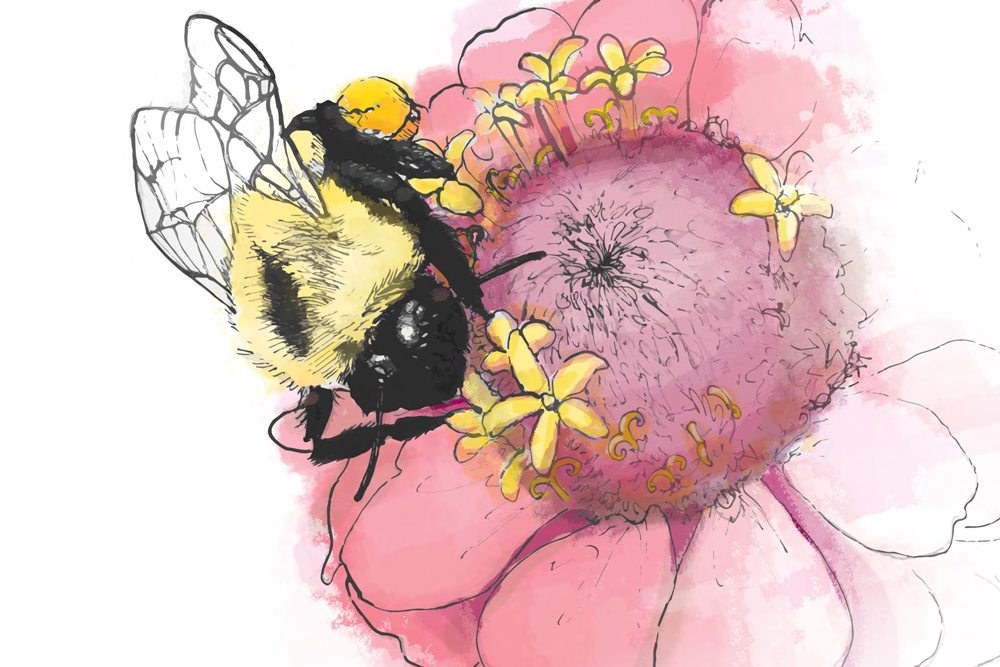
A pollinator-friendly and ecologically sustainable garden is both beautiful and able to attract and sustain beneficial insects, reducing the need for pesticides. This publication is based on new research in habitat management for purposes of planting insect-attracting plant species in order to intentionally draw insects to garden areas and urban landscapes. This is done by providing a refuge for the insects during winter and nectar and pollen resources. Plant selection directly affects beneficial insect populations, those insects that can provide ecological benefits such as biodiversity and natural pest control. This concept of “habitat management” can lead to potential increases in pollinating and other beneficial insect populations. An increase in these populations in landscapes will contribute to improved pollination of plants and biological pest control and reduce the need for pesticides.
|
-

This publication describes forest farming (also known as forest gardening), which can be defined as cultivation of plants under a forest canopy. It includes suggestions for appropriate plants for cultivation in the Southeast.
|
-
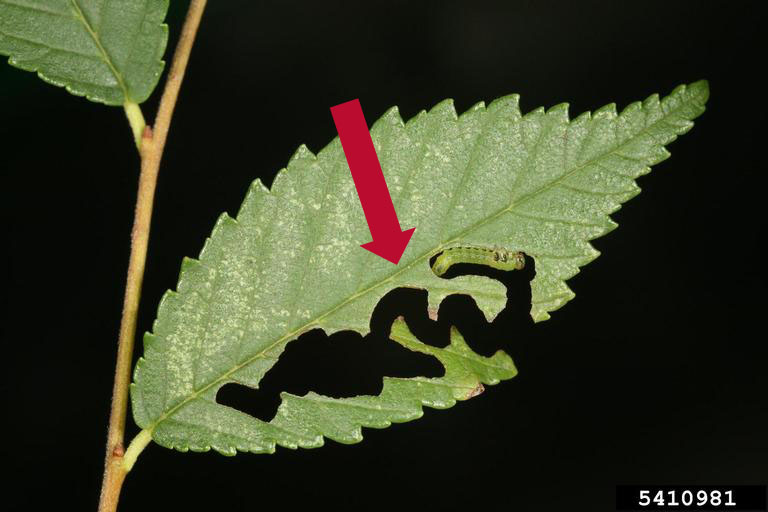
The invasive elm zigzag sawfly is a small wasp that has been reported in nine U.S. states, where it poses a threat to elm trees.
|
-

Plant disease losses in 2023, including control costs, amounted to an estimated $715.43 million. The value of the crops used in this estimate was approximately $6863.22 million, resulting in a 10.42% relative disease loss across all crops included in this summary. Some estimates for fruits, ornamentals, and turf rely on Extension specialists’ knowledge of the industry and industry sources for information. Because of the retirement of the Extension specialist for ornamental and commercial landscapes, disease losses for this category were not included in the report.
|
-

This resource describes whiteflies and the damages they cause in cucurbit crops, and offers recommendations for cucurbit crop varieties for fall season production in southern Georgia that are resistant or tolerant to silverleaf disorder and whitefly-transmitted viruses.
|
-

European hornets are widespread across much of the eastern United States. Native to Europe and Asia, they were accidentally introduced to North America in the mid-1800s. The European hornet is the largest species found in the United States and is particularly common in Georgia.
|