Departments and Units Resources
-
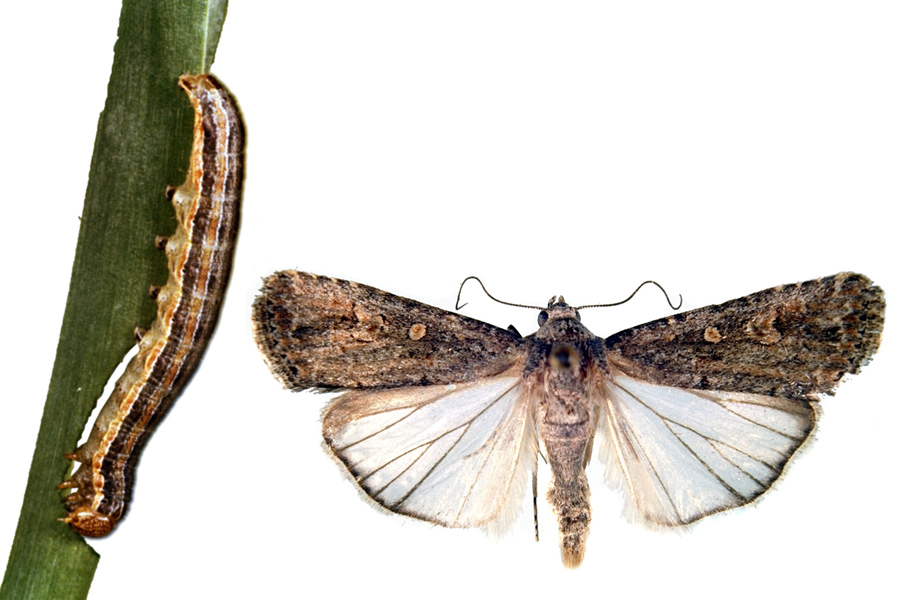
Fall armyworms are native to North America and can destroy lawn grass and other turf. They first reach Georgia in the spring or early summer, and caterpillars are noticeable in turfgrass in early July. The third, fourth, and fifth stages of fall armyworm caterpillars are the destructive stages. The younger stages (first through third larval stages) are tiny and hard to see in the grass. When infested, green turfgrass will gradually turn brown as the caterpillars grow. The damaged turfgrass may appear diseased or like it experienced drought.
|
-
C 1344-02
Using Pressure Canners
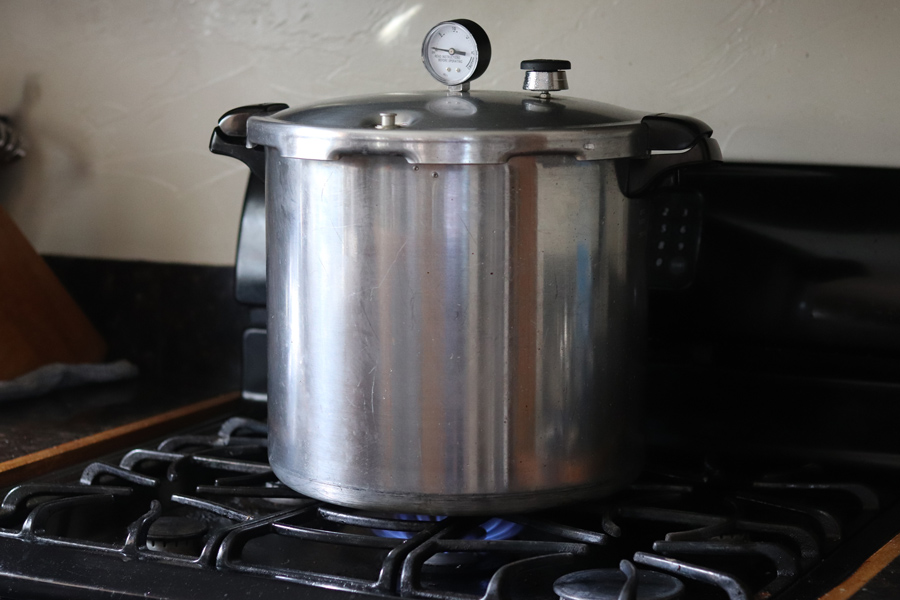
Most modern pressure canners are lightweight, thin-walled kettles; most have screw-on lids fitted with gaskets. Modern pressure canners have removable racks, an automatic vent/cover lock, a vent pipe, and a safety fuse. Use only canners that have the Underwriter’s Laboratory (UL) approval mark to ensure their safety. This publication covers steps to successful food preservation using pressure canners.
|
-
C 1344-02-SP
Uso de Envasadoras a Presión
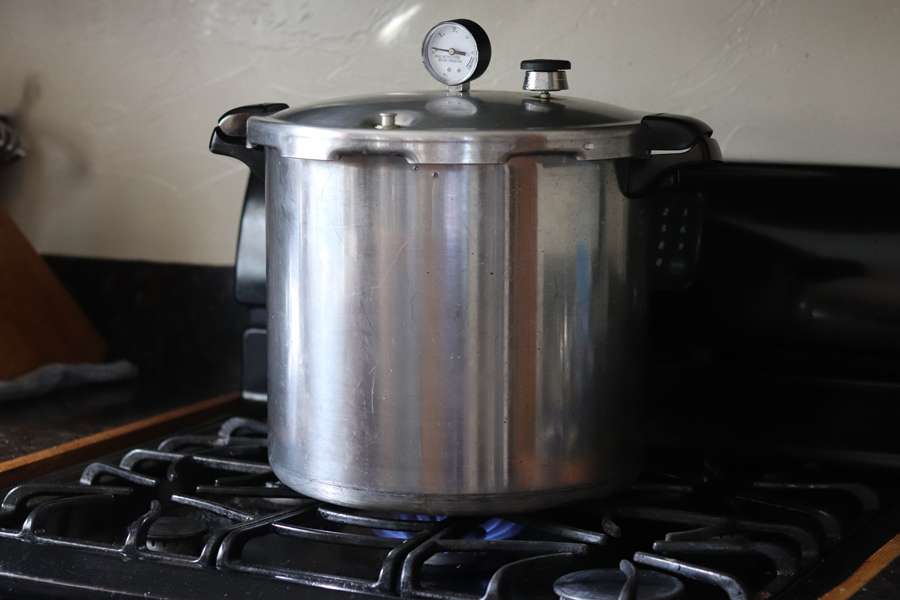
La mayoría de las envasadoras a presión modernas son ollas ligeras de paredes delgadas; la mayoría tienen tapas de rosca con juntas. Cuentan con rejillas extraíbles, un cierre automático de ventilación/tapa, un tubo de ventilación y un fusible de seguridad. Utilice únicamente envasadoras con la marca de aprobación de Underwriter’s Laboratory (UL) para garantizar su seguridad. Esta publicación explica los pasos para una conservación exitosa de alimentos con envasadoras a presión.
|
-
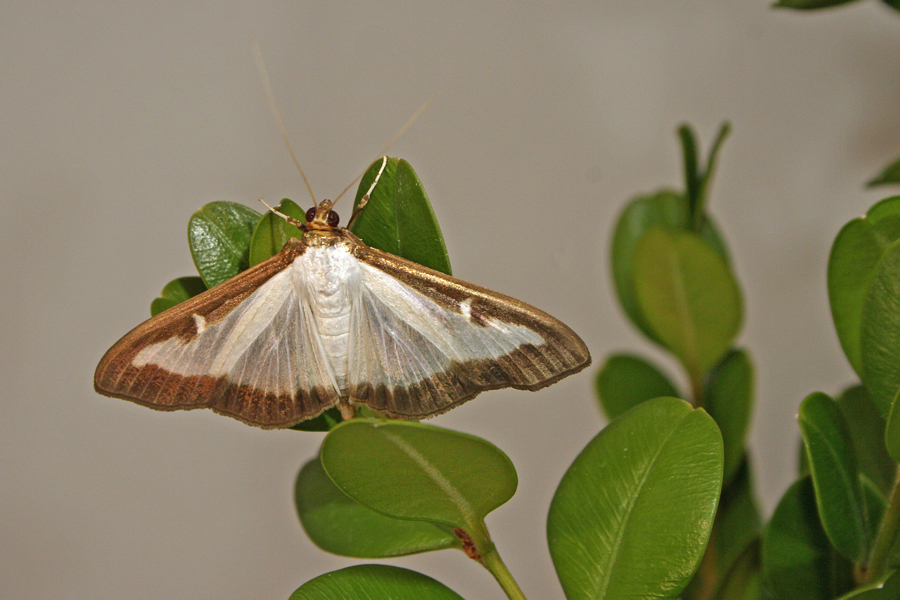
Box tree moth is an invasive pest of boxwood plants. It was introduced into New York in 2021 and has been reported in six other states. It has not been reported in Georgia yet. Boxwoods are an important ornamental evergreen shrub in the southeastern U.S., widely planted in residential, commercial, and public landscapes in both urban and suburban areas.
|
-
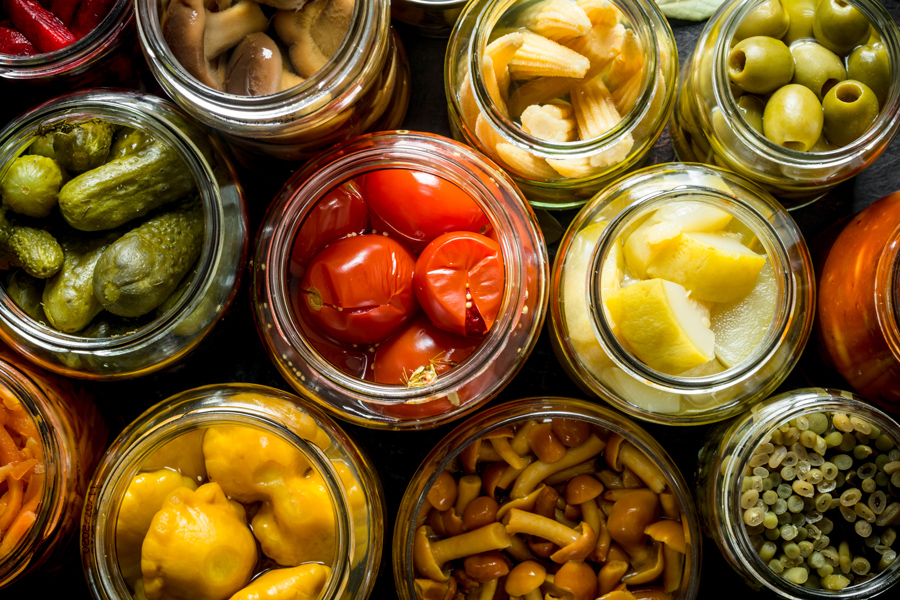
An acidified food is a low-acid food to which acids (such as vinegar, lemon juice, citric acid, etc.) or acid foods (such as fruits or tomatoes) have been added to bring the equilibrium pH of the food to 4.6 or less, with equilibrium water activity greater than 0.85.
|
-
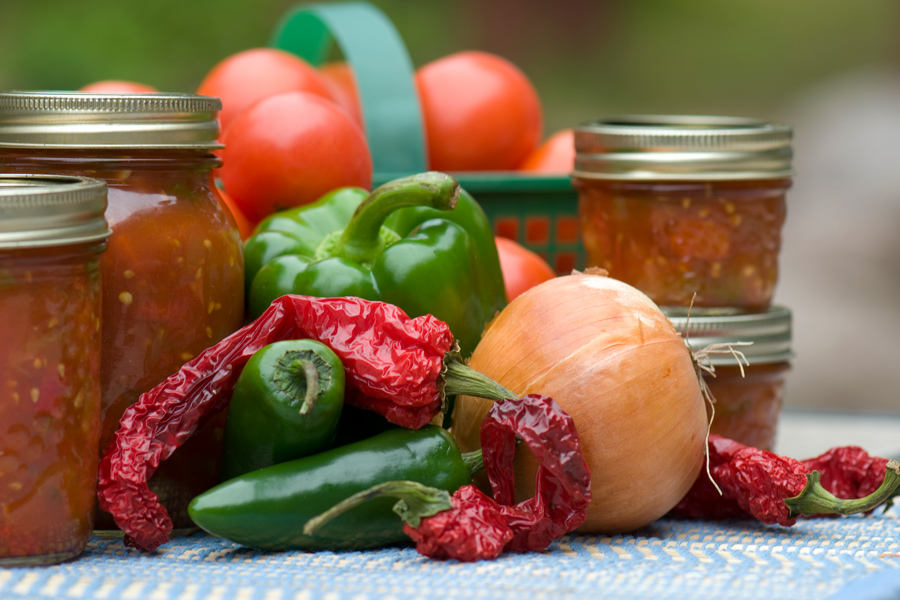
Using Hot-Fill-Hold: A Thermal Preservation Process. Processors of acidified foods are required to comply with federal, state, and local regulations (when applicable) for thermal processing to ensure the safety and shelf-stability of their products. The hot-fill-hold (HFH) process is a thermal processing technique used to inactivate pathogens and extend the shelf life of acidified products. Heating before filling allows for commercial sterilization of the product, and then filling the container with the hot product will sterilize the clean container.
|
-
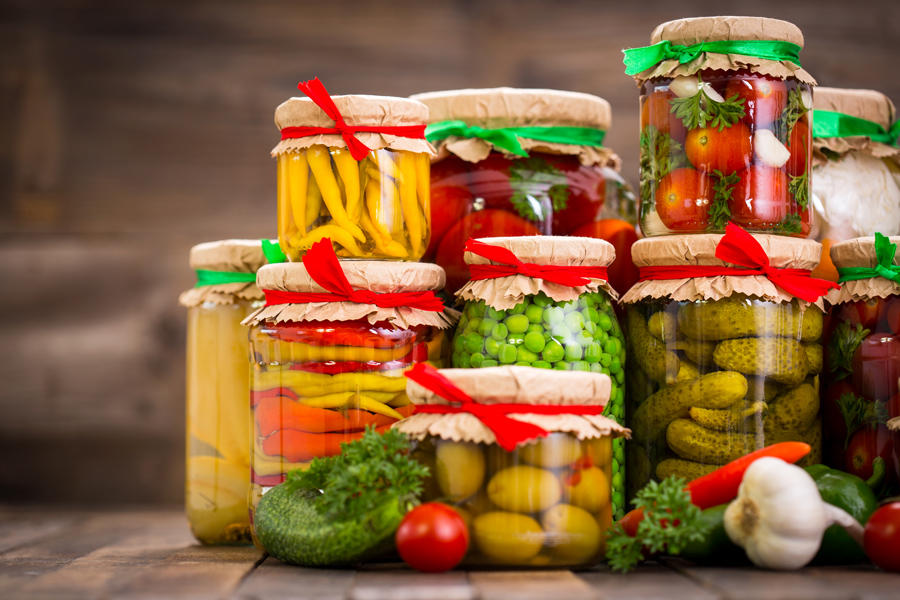
When processing acidified foods, the hot-fill-hold process involves heating the product to around 180–200 °F, then filling, inverting, and holding for 2–5 minutes to achieve commercial sterility. Higher temperatures will generally correlate with shorter hold times, and lower temperatures will generally correlate with longer hold times.
|
-

The walnut caterpillar is native to North America and is mostly distributed in the eastern part of the United States. The larvae feed on the leaves of the plants such as pecan, walnut, butternut, and other species of hickory. Although it is an occasional insect pest, it feeds voraciously. This publication provides growers with information about its biology, damage symptoms, and management options.
|
-
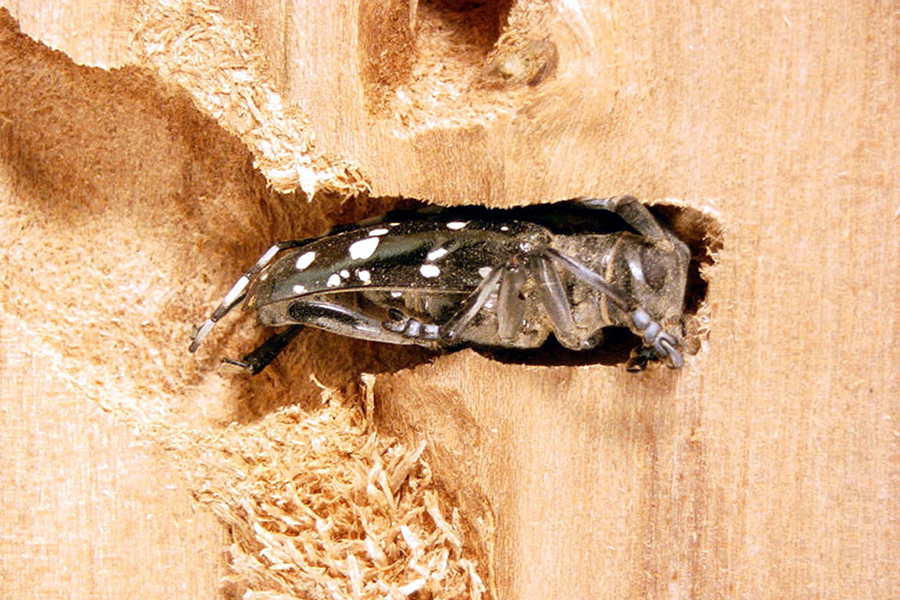
The Asian longhorned beetle is an invasive insect pest native to China and North and South Korea that threatens many hardwood trees in forests and landscapes in the United States. The pest is also referred to as the roundheaded borer because the segment below the head is round in shape.
|