Departments and Units Resources
-
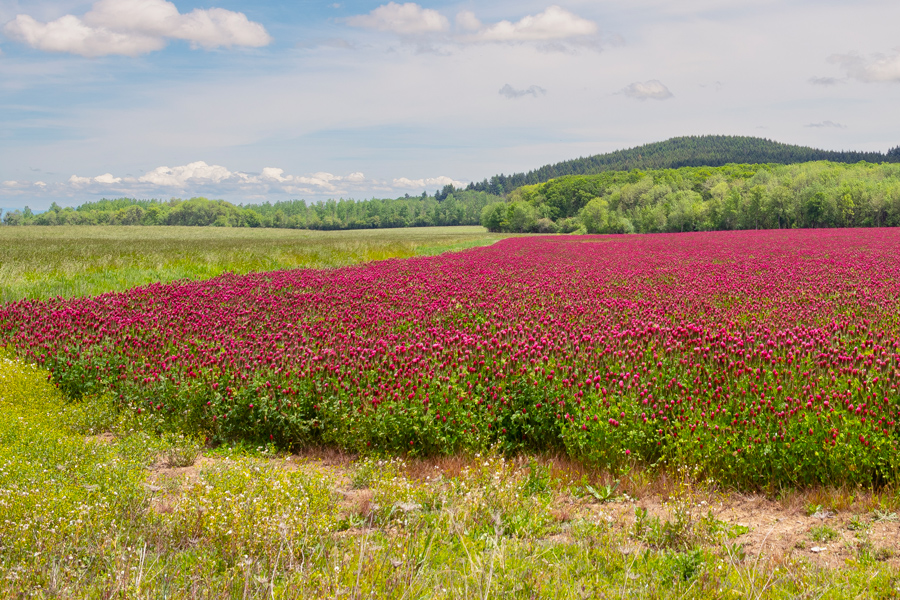
There are many ways to define what it means to be sustainable. There is increased demand for agricultural production transparency to ensure that food and fiber products are being produced sustainably. To this end, Field to Market: Alliance for Sustainable Agriculture has developed the Fieldprint Calculator through the Fieldprint Platform to help farmers of major commodity crops measure their on-farm sustainability by entering in their yearly management practices. This Extension publication defines sustainability, describes the use of the Fieldprint Calculator, and explains how growers can use this program to measure sustainable progress made on their farms. This publication was produced in collaboration with the University of Tennessee and Field to Market.
|
-
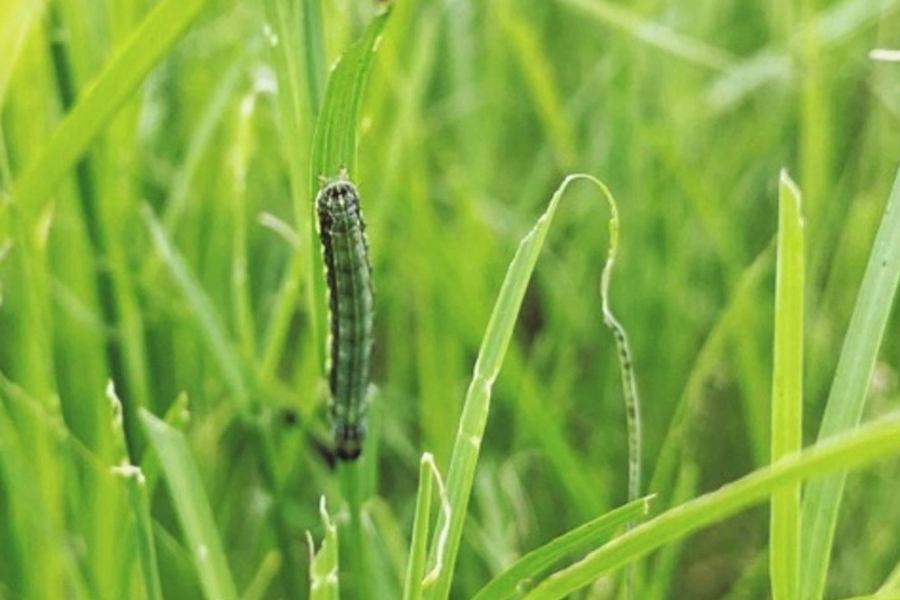
Fall armyworms can quickly decimate a field of any forage crop or pasture, often eating higher quality forage first. Growers and farmers can face severe economic damage and total forage loss. Anyone growing forage or pasture used to feed livestock can use this publication to find answers to the most common questions about fall armyworm in Georgia pastures and hayfields.
|
-
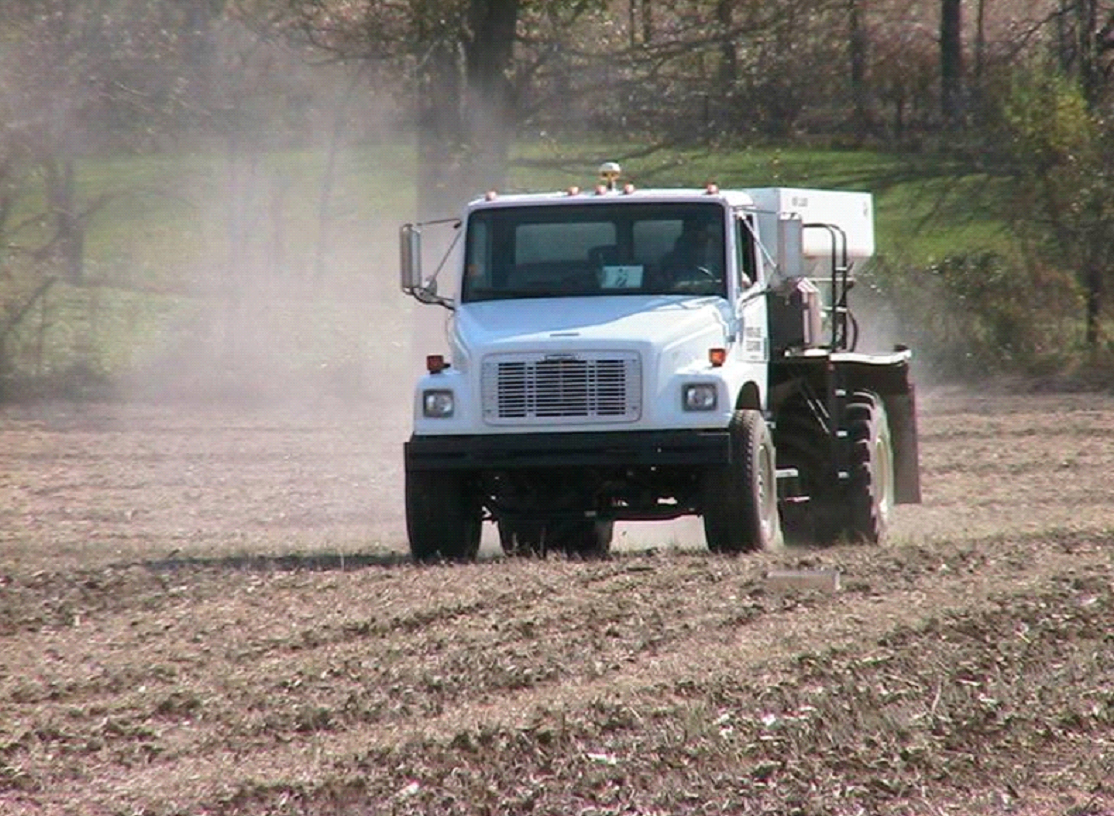
Lime mud is a by-product produced in pulp mills as part of the process that turns wood chips into pulp for paper. The pulp mill cooks wood chips with sodium hydroxide to extract the wood fiber used to make paper from the lignin that binds the wood together. During this process, sodium hydroxide is converted to sodium carbonate. The pulp mill than adds calcium oxide, also known as quicklime, to convert the sodium carbonate back to sodium hydroxide in order to use it again. In the process, calcium carbonate is formed.
|
-
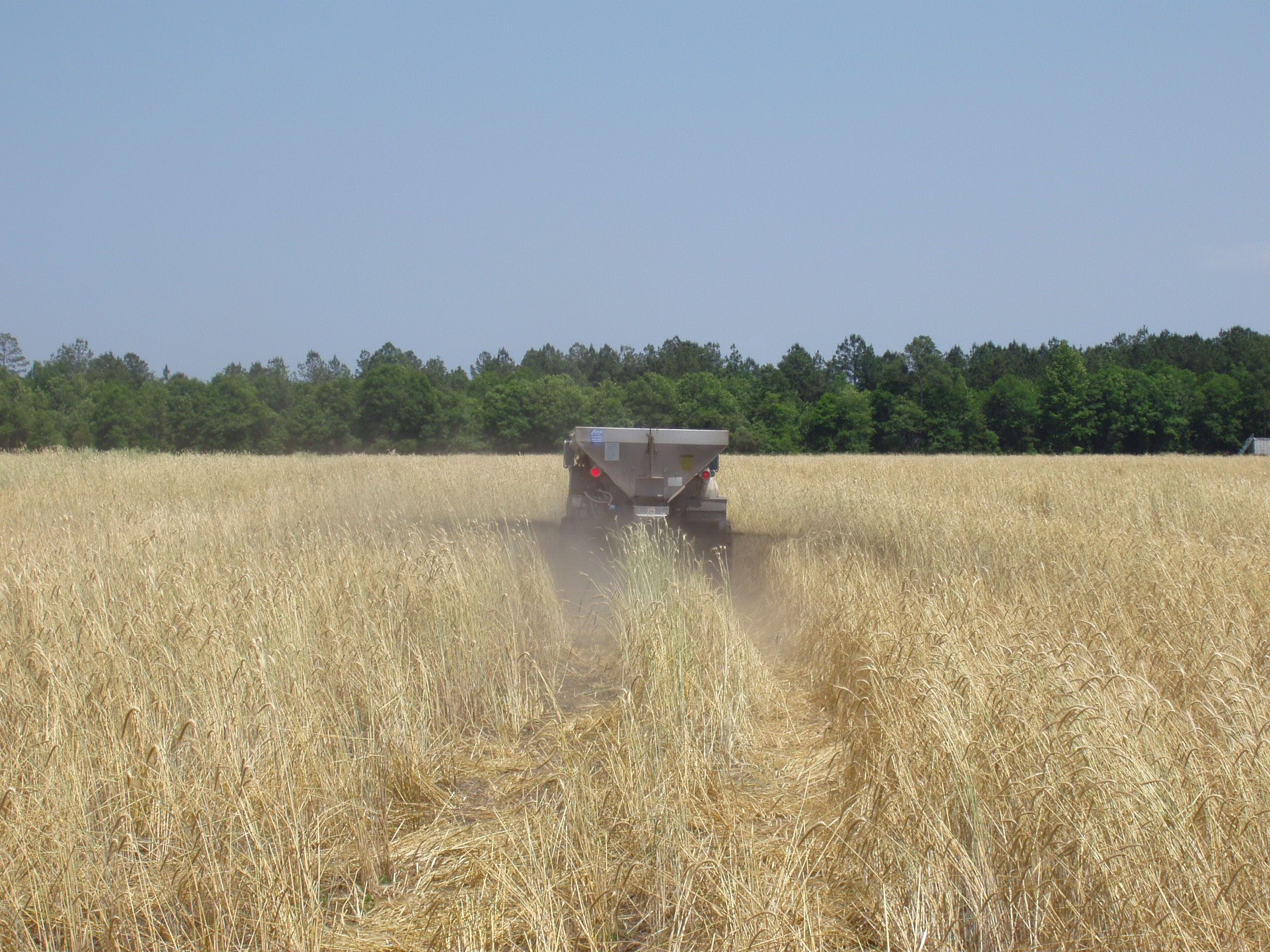
This bulletin provides the general public a quick reference for some commonly used standards for metal concentrations in biosolids and various by-products intended for land application. Most of the standards presented here are regulatory; however, we have also included information on average metal concentrations in agricultural soils.
|
-
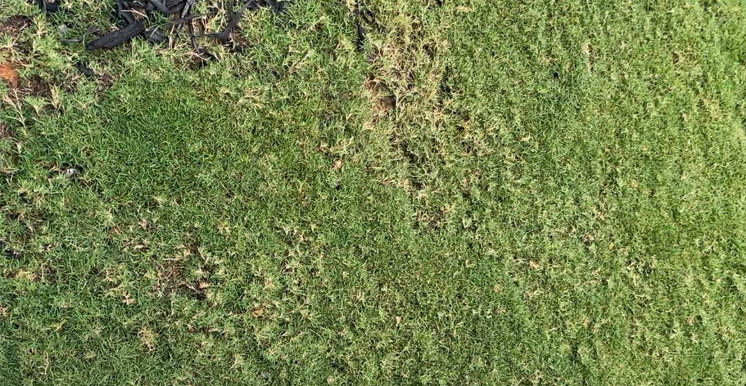
Turfgrass is an important component of many landscapes. Research has shown that landscapes support diverse, abundant, and intact bee communities in New York, California, and Ohio. In fact, the abundance and diversity of bees visiting home landscapes have been observed to approach, and even exceed, numbers in nearby natural and/or agricultural systems. If the turfgrass has been treated or is being treated with insecticides, the pollinators can be exposed directly or indirectly to the insecticides on the weeds. This can cause lethal or sublethal effects on these pollinators. The guidelines in this publication will reduce insecticide exposure to pollinators as they seek nectar and pollen from plants around lawns.
|
-
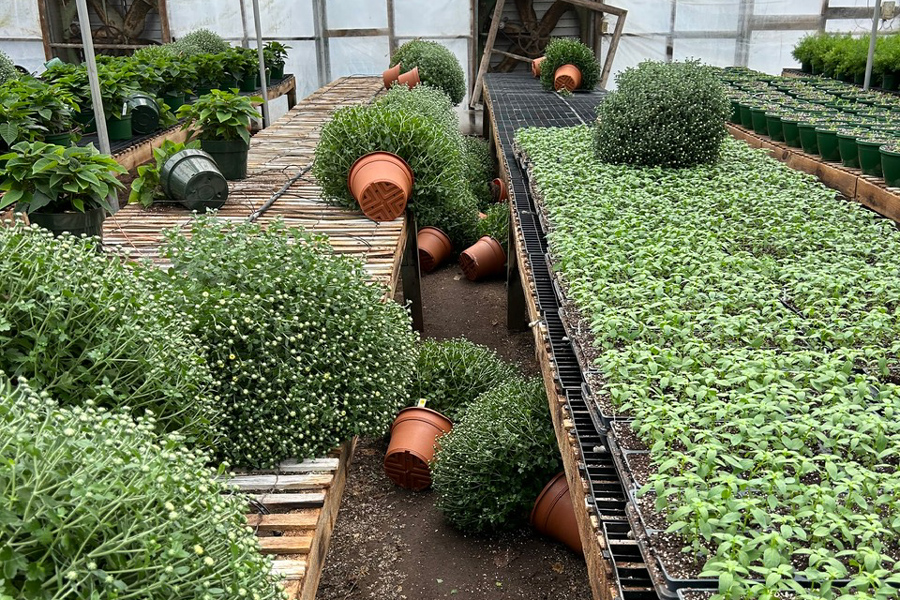
Hurricanes can cause severe damage to greenhouse structures and crops, both directly and indirectly. Strong winds, heavy rains, and flooding not only impact physical infrastructure, but also damage crops through exposure to extreme conditions. Additionally, disruptions to water, electricity, and logistics complicate production efforts.
This publication outlines common types of hurricane damage in greenhouses and provides recommendations on how growers can minimize the impact of such storms.|
-
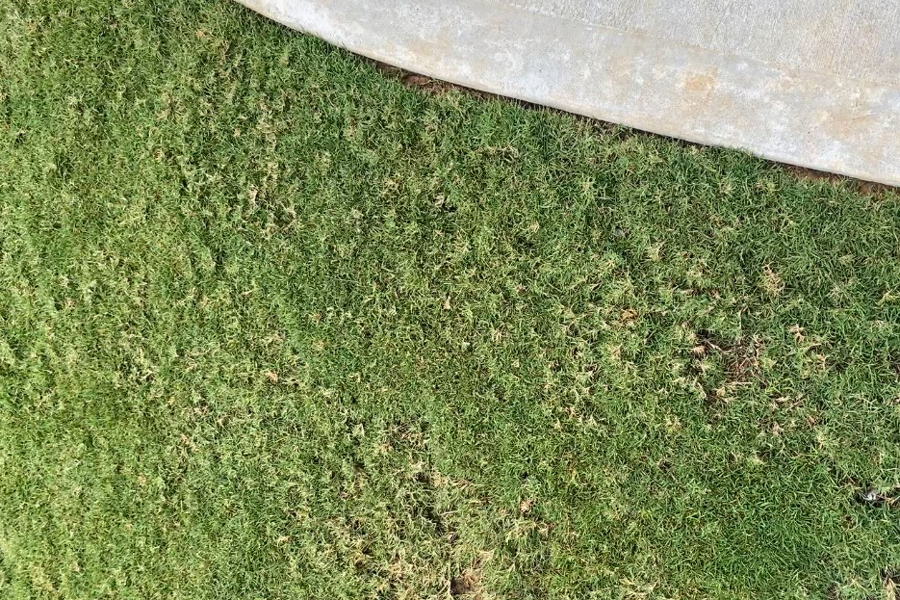
Bermudagrass mite is a microscopic mite species (at or smaller than ~0.2 mm or 0.0078 in.) that only infests and feeds on bermudagrass and has become an increasing problem in Georgia. It can develop into a serious problem on golf courses, athletic fields, sod farms, and both residential and public lawns. Bermudagrass mite infestations can reduce the aesthetic value of the turfgrass, causing thinning and poor grass growth. The size of bermudagrass mites poses a real challenge in identifying and monitoring the population in fields.
|
-
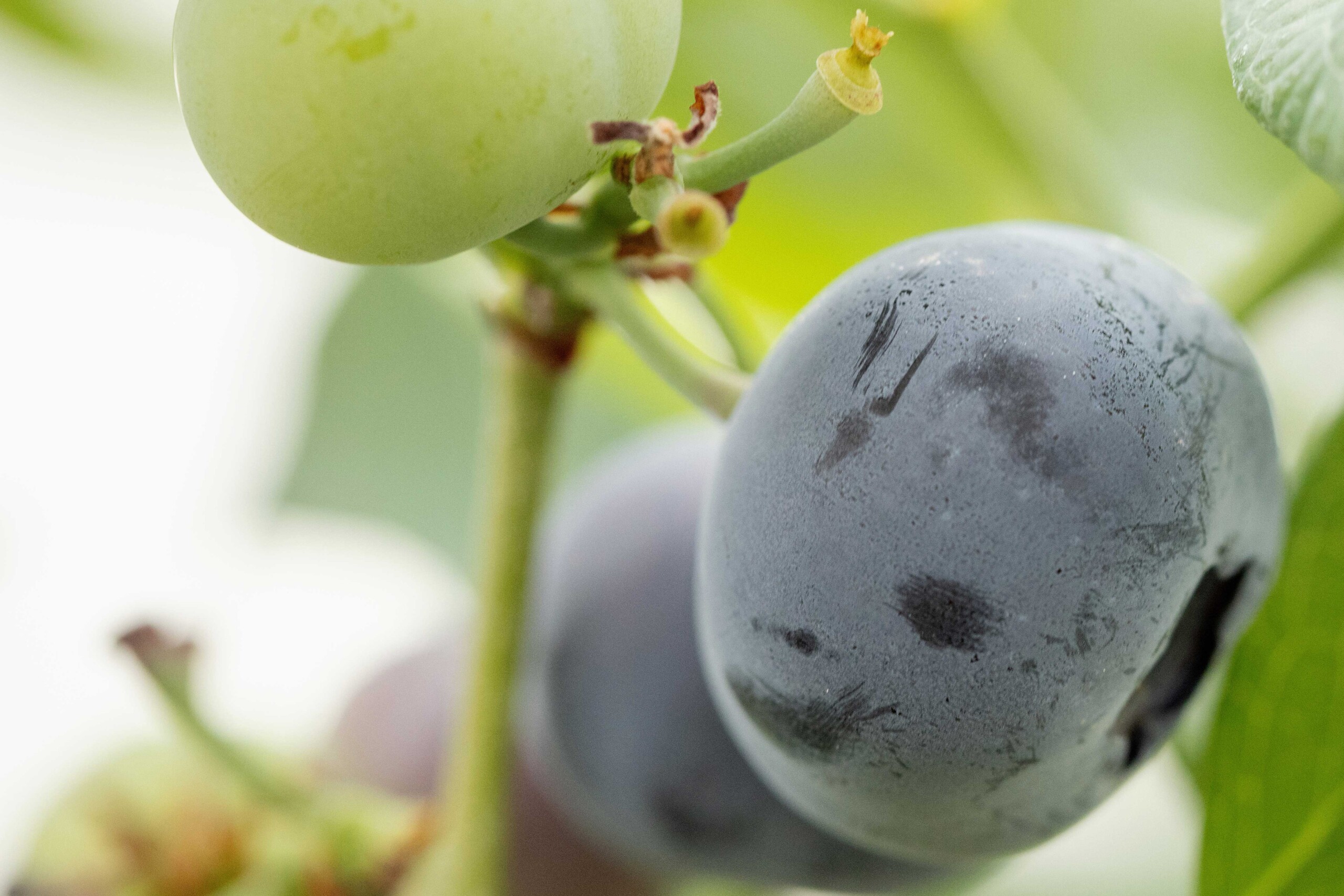
This publication provides current (2025) Southeast-specific information on approved National Organic Program (NOP) disease and pest management options for blueberry production and addresses the issues most commonly encountered under the unique growing conditions of the Southeast U.S. This publication is not intended to provide all details on organic blueberry production, although it does include the production methods that reduce the impact of plant disease and pest issues.
Emphasis in an organic system should be on cultural practices that reduce disease and pest pressure rather than pesticide applications. NOP-approved pesticides are usually less efficacious than conventional products. The pesticide label is the law and supersedes any information on pesticide use contained in this guide. Because environmental conditions and grower application methods vary widely, suggested use does not imply that the performance of the pesticide will always conform to the pest control standards indicated by experimental data. This publication is a product of the Southern Region Small Fruit Consortium.
|
-
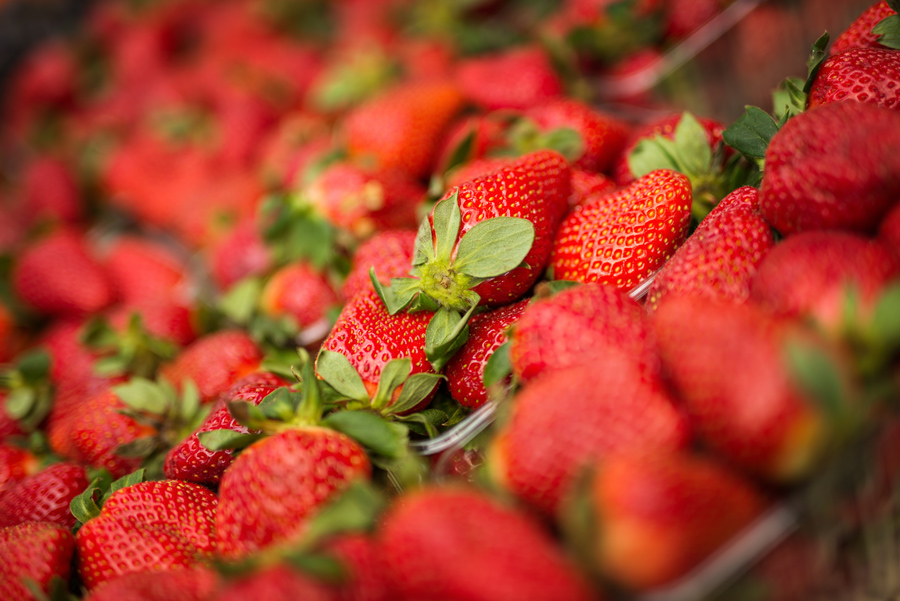
This publication reports on a strawberry variety trial to help commercial producers choose a variety or varieties best suited to the South Georgia climate while maximizing quality and yield. Based upon the field portion of this study, the highest yielding varieties also had the best storage life: ‘Camino Real’, ‘Strawberry Festival’, and ‘Camarosa’. Fruits were assessed on a variety of parameters, described in detail below.
|